Safari Introduces Adaptive Dark Mode and Modern Web Development Challenges Shape the Frontend Ecosystem

The modern web development landscape is experiencing a significant shift as browser vendors, framework authors, and security researchers simultaneously address persistent challenges in user experience, visual styling, layout complexity, and supply-chain vulnerabilities. Recent developments across the industry highlight an evolving tension between introducing powerful automated features and managing the unintended technical complexities they introduce to production systems. From Apple’s experimental integration of adaptive dark mode algorithms to critical security flaws involving third-party JavaScript tracking scripts and the ongoing evolution of CSS capabilities, developers are navigating a period of rapid and consequential architectural change.
Main Facts of Recent Ecosystem Shifts
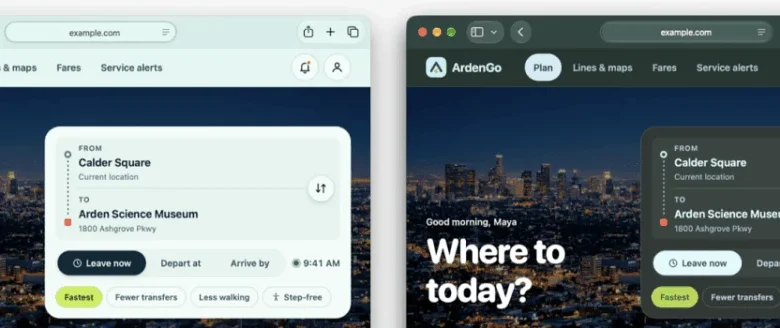
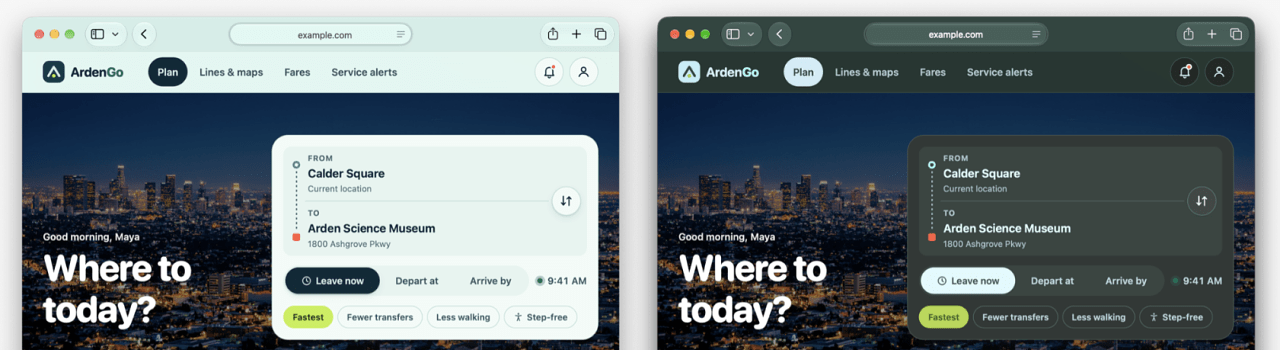
At the forefront of recent browser-level changes is Apple’s introduction of an opt-in adaptive dark mode feature within the Safari 27.3 beta release. This new capability addresses a pervasive usability gap on the internet: while approximately 40 percent of total web page loads are initiated by users operating their devices in dark mode preference settings, a mere 10 percent of those loaded pages natively support dark color schemes. By automatically transforming light-themed web pages into compatible dark variants, Safari aims to reduce visual strain for users while bridging the substantial gap between consumer preferences and publisher design implementations.

Simultaneously, the Cascading Style Sheets Working Group (CSSWG) and individual frontend engineers are grappling with the complexities introduced by modern CSS properties. While container queries, the :has() relational pseudo-class, and native masonry layouts offer unprecedented design flexibility, they also carry hidden performance and structural trade-offs. Gabriel Shoyombo recently highlighted four specific scenarios where substituting JavaScript logic with modern CSS features—such as applying container-type properties—can inadvertently collapse flexbox items to zero width, causing unexpected layout regressions.
Compounding these design system updates, security and infrastructure concerns remain paramount. Following a high-profile incident on October 29 where a performance monitoring script on Polymarket was covertly swapped for a malicious wallet drainer, web security experts have renewed calls for rigorous third-party script auditing. Because the URL of the compromised script remained unchanged, standard Content Security Policies (CSP) permitted its execution, enabling a $2.6 million cryptocurrency theft. This event underscores the vulnerability of relying on third-party assets and reinforces the necessity of adopting stringent integrity controls and cryptographic hashing mechanisms.
Chronology and Timeline of Architectural Developments
The trajectory of these frontend advancements unfolds against a backdrop of long-term CSS standardization and escalating cybersecurity incidents throughout late 2026.
In early October 2026, security researchers at Report URI published a comprehensive warning regarding "dead tags"—forgotten or abandoned third-party script tags on corporate websites that can be hijacked by malicious actors to deliver unauthorized payloads, including mobile spyware. This analysis established a direct precursor to subsequent exploits targeting high-value platforms.
By late October 2026, the theoretical risks materialized in a tangible attack. On October 29, malicious actors successfully compromised the third-party performance monitoring infrastructure utilized by Polymarket. The incident exploited trust in established third-party domains, bypassing traditional defensive perimeters because the delivery mechanism itself appeared legitimate.
Parallel to these security developments, typography and asset delivery frameworks saw significant expansion. Vercel formally introduced its Geist Serif typeface, a high-contrast display serif designed to complement the existing Geist Sans, Mono, and Pixel font families by utilizing matching typographic metrics. Around the same time, community discussions spearheaded by engineers like Ivan Kristianto revealed how micro-optimizations—such as splitting webfont files to segregate characters like i and j from the primary alphabet—can inadvertently trigger extensive text-shaping overhead, severely degrading Interaction to Next Paint (INP) metrics.
Supporting Data and Industry Metrics

Quantitative metrics across browser usage and web traffic illustrate the pressing need for automated visual adaptations and strict performance budgets. Industry telemetry confirms that dark mode adoption has accelerated rapidly among consumers, with mobile and desktop operating system statistics indicating that roughly four in ten web sessions occur under low-light or dark system themes. However, design and engineering resource constraints have historically prevented small-to-midsize publishers from investing the development hours required to build robust, dual-theme CSS architectures. The 90 percent deficit in native dark-mode support across web properties provides the foundational justification for Apple’s browser-level fallback mechanisms in Safari.
Performance metrics similarly dictate modern engineering workflows. Studies on webfont optimization demonstrate that overly aggressive asset fragmentation can introduce latency bottlenecks. For instance, splitting a single webfont file into disparate chunks forces the browser rendering engine to execute complex fallback and shaping calculations across multiple font tables, measurably increasing main-thread blocking time and negatively impacting Core Web Vitals.
Official Responses and Security Guidelines
In response to the escalating frequency of supply-chain attacks via external dependencies, security analysts and infrastructure providers have published formal hardening guidelines. Scott Helme, alongside security teams at monitoring and analytics firms, has outlined essential preventative measures for engineering organizations integrating third-party code.
Organizations are increasingly urged to implement Subresource Integrity (SRI) hashes for every external script, ensuring that browsers automatically reject any script file whose cryptographic signature does not match an expected pre-calculated value. Furthermore, security frameworks recommend adopting strict, domain-restricted Content Security Policies that limit script execution strictly to verified, immutable sources, thereby neutralizing attacks where a legitimate third-party server is compromised or manipulated.
For organizations that author and distribute third-party scripts to external clients—such as analytics providers and monitoring services—infrastructure engineers emphasize the importance of rigorous internal security hygiene. Fathom Analytics, in publicizing their internal deployment pipelines, highlighted that maintaining strict build-time attestation, minimizing external dependencies, and utilizing isolated sandboxing environments are critical steps in preserving ecosystem trust.
Broader Impact and Implications for the Frontend Ecosystem
The convergence of automated browser features, advanced layout engines, and heightened security imperatives carries profound implications for the future of web development.

The introduction of Safari’s adaptive dark mode signals a philosophical shift in browser design. Rather than relying exclusively on developers to manually implement accessibility and aesthetic standards, user-agents are increasingly willing to intervene heuristically to improve the end-user experience. While this benefits consumers by standardizing dark-mode readability across legacy or unmaintained websites, it introduces unpredictable rendering behaviors for web authors who meticulously craft brand-specific color palettes. Frontend architects must now account for browser-level color inversions and automatic contrast adjustments within their testing matrices.
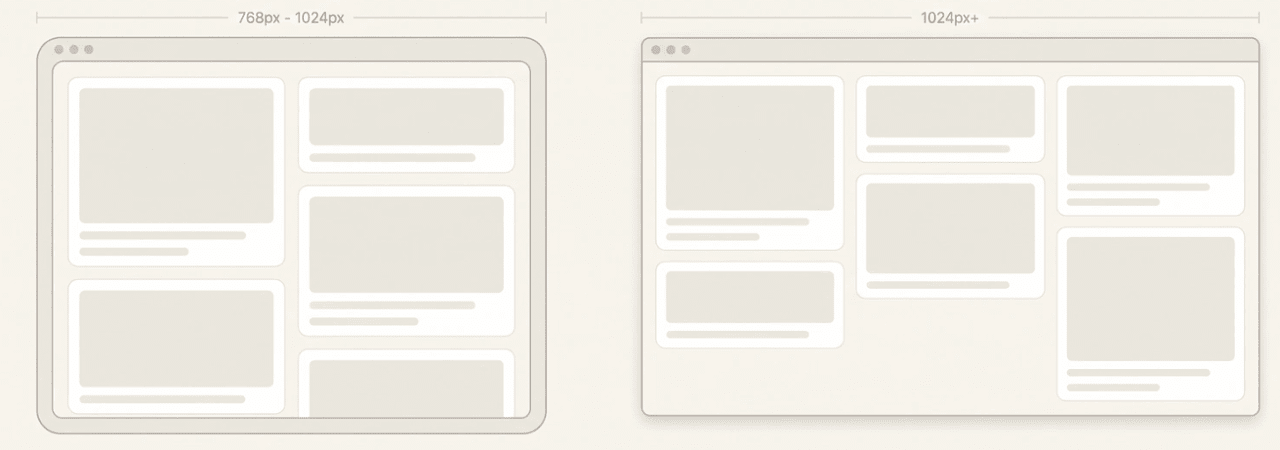
In the realm of styling and layout, the transition toward native CSS solutions—such as CSS Grid Lanes for masonry layouts, container queries, and logical alignment properties like flow-start and flow-end—demonstrates the maturation of the styling specification. Yet, as layout paradigms become more sophisticated, the cognitive load placed on developers increases. The potential for unexpected cascading side effects, such as flex item collapses and layout thrashing, emphasizes that native declarative features do not entirely eliminate the need for deep technical understanding of browser layout engines.
Ultimately, the events and technical disclosures shaping the web ecosystem point toward a more disciplined, security-conscious, and automated development lifecycle. As AI-assisted coding tools, automated UI verification platforms like Meticulous, and browser-native enhancements become standard components of the engineering stack, the primary bottleneck for development teams is shifting from writing code to effectively reviewing, auditing, and maintaining complex digital supply chains. Balancing velocity with structural integrity remains the definitive challenge for frontend engineers as the industry moves forward.