Safari Introduces Adaptive Dark Mode and Highlights Growing Front-End Complexity in Latest Web Development Roundup

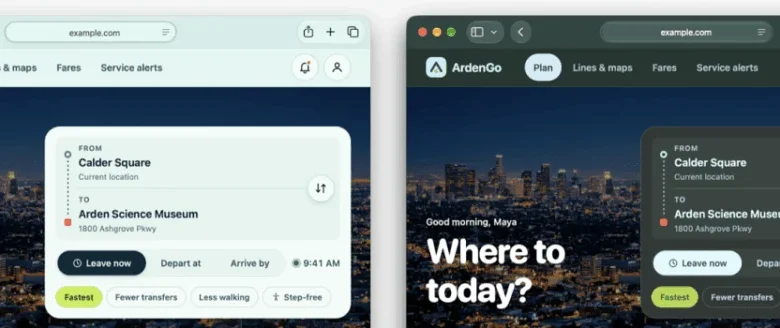
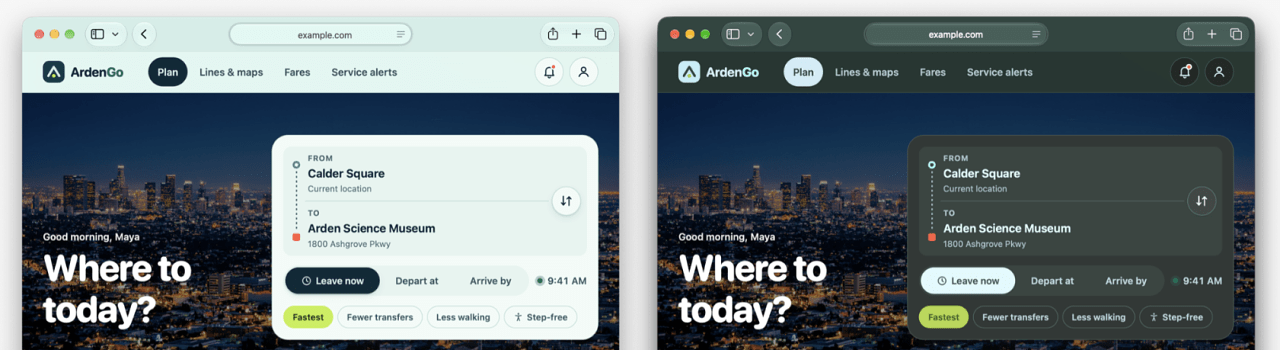
Apple’s Safari web browser is taking a significant step toward automated user experience enhancement with the rollout of Adaptive Dark Mode in the Safari 27.3 beta release. This new, opt-in feature arrives as part of a broader industry reckoning regarding web standards, performance optimization, and the hidden complexities of modern CSS and third-party script management. As developers navigate an increasingly sophisticated ecosystem of layout tools, typography updates, and security threats, recent developments underscore a fundamental tension between cutting-edge features and the practical realities of maintaining fast, secure, and accessible web applications.
Main Facts of the Safari 27.3 Beta and Adaptive Dark Mode
The introduction of Adaptive Dark Mode in the Safari 27.3 beta addresses a persistent disparity in modern web design: while approximately 40% of all web pages are loaded by users operating in a dark mode environment, a mere 10% of those page loads feature native, developer-implemented dark mode styling. Historically, this mismatch left users vulnerable to blinding flashes of white light when navigating unoptimized sites, or forced reliance on heavy, inconsistent browser extensions.

The new feature automatically transforms light-themed websites into dark equivalents on the fly, bridging the gap without requiring immediate code overhauls from web developers. However, while the feature promises a more uniform visual experience for end-users, industry analysts note that automated color inversion can occasionally disrupt carefully curated brand palettes, highlighting the ongoing necessity for native CSS color-scheme implementations.
Beyond Safari’s visual updates, the front-end engineering community is grappling with a wave of architectural shifts. Gabriel Shoyombo recently highlighted the hidden pitfalls of modern CSS, demonstrating how swapping legacy JavaScript for advanced features like container queries and the :has() pseudo-class can inadvertently introduce severe layout bugs. Notably, improper application of properties such as container-type can cause flex items to collapse to zero width, proving that code reduction does not always equate to lower maintenance overhead.
Chronology and Evolution of Recent Web Standards
The current landscape of web development is heavily shaped by incremental standards adoption and the retrospective analysis of vintage techniques. Over the past several years, the World Wide Web Consortium (CSSWG) and individual browser engines have pushed aggressively toward native layout solutions that reduce dependency on external libraries.
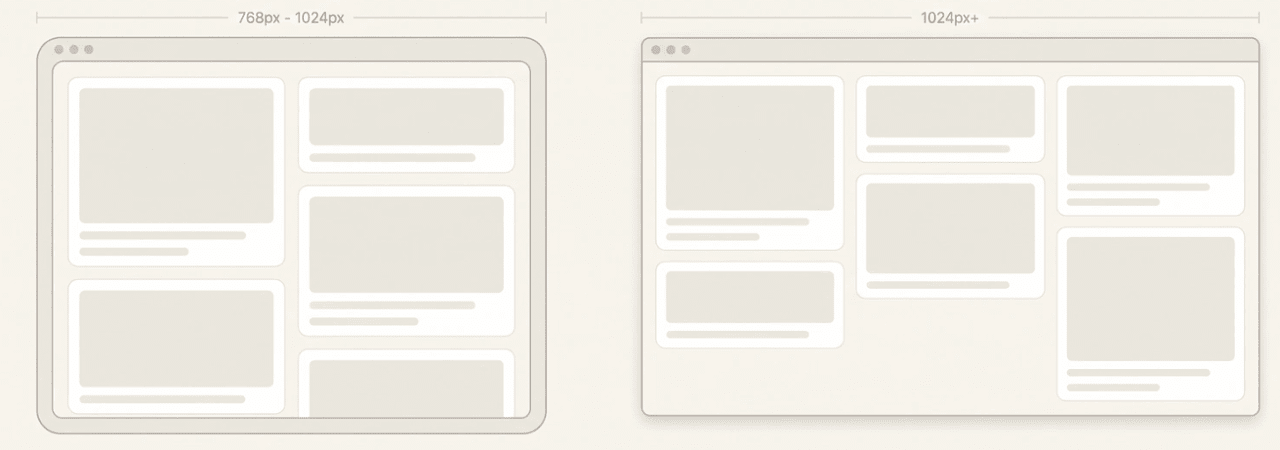
In the layout domain, Saleh Mubashar published a practical guide this month covering native masonry layouts utilizing CSS Grid Lanes. By standardizing placement, fit-tolerance, horizontal layouts, subgrid integration, and source-order accessibility, native masonry promises to eliminate the complex JavaScript layout libraries that have dominated portfolios and galleries for over a decade. Currently supported exclusively in Safari, other browser engines are actively working on implementation.
Simultaneously, CSS specification evolution continues to refine developer ergonomics. Rachel Andrew recently examined the introduction of new flow-start and flow-end alignment keywords, providing insights into the CSSWG’s ongoing rationale for renaming and standardizing alignment properties to ensure global consistency.
As developers look forward, a growing appreciation for historical techniques has also emerged. Declan Chidlow published a retrospective analysis of CSS table display values (display: table and related properties). While modern developers are strongly advised to rely on Flexbox and Grid layouts, understanding the pre-flexbox quirks of table display offers valuable context on how early web architects solved complex vertical alignment and layout challenges.
Supporting Data, Third-Party Risks, and Security Implications

Security remains a paramount concern for front-end engineers, particularly regarding the vulnerability of third-party scripts. Recent high-profile security incidents have brought the issue of forgotten script tags—often referred to as "dead tags"—and compromised monitoring utilities back into the spotlight.
Following a security Public Service Announcement (PSA) regarding dead tags functioning as delivery networks for malicious payloads, a significant real-world exploit occurred. On October 29, a performance monitoring script integrated into the Polymarket platform was covertly swapped for a malicious wallet drainer. Because the URL of the script remained unchanged, standard Content Security Policies (CSP) permitted the asset to load, resulting in substantial financial loss. Security experts, including Scott Helme, emphasized that strict subresource integrity checks and rigorous third-party script auditing are critical defenses against supply chain attacks of this nature.
Furthermore, performance metrics continue to be heavily influenced by asset management choices. Ivan Kristianto detailed a performance regression caused by a seemingly minor optimization: splitting a webfont so that characters i and j resided in a separate file from the rest of the alphabet. This fragmentation forced unexpected text-shaping overhead within words, severely degrading Interaction to Next Paint (INP) metrics and highlighting the intricate relationship between typography and core web vitals.
Official Responses and Industry Guidelines
In light of escalating third-party vulnerabilities, infrastructure providers and analytics firms are stepping up to publish defensive guidelines. Fathom Analytics, through engineering insights shared by Jack Ellis, outlined rigorous protocols for securing analytics scripts against unauthorized payload modifications. These guidelines urge script providers to implement cryptographic signing, strict access controls, and transparent delivery pipelines to protect downstream consumers.
Concurrently, the open-source and tooling ecosystems have seen targeted releases aimed at improving developer velocity and application quality. Michael Andreuzza introduced Astrotypes, a curated platform for searching and previewing font pairings across Google Fonts, Bunny CDN, and Fontshare with direct integration commands for modern package managers like npm, Yarn, and Bun. Additionally, Flyfish Dev released File Viewer, a browser-native utility designed for internal web applications to provide read-only views for Office documents, PDFs, CAD files, archives, and emails, complete with native bindings for React, Vue, and Svelte.
In the typography space, Vercel expanded its proprietary typeface family with the introduction of Geist Serif. Designed as a high-contrast display serif tailored for impactful headlines, Geist Serif shares the exact metric foundations of the existing Geist Sans, allowing developers to cleanly mix typography styles within modern web applications. Geist Sans, Geist Mono, and Geist Pixel are already widely available via Google Fonts, with the serif variant scheduled for inclusion in the near future.
Broader Impact and Future Implications

The convergence of automated browser features like Safari’s Adaptive Dark Mode and the tightening constraints around web performance and security signals a mature phase in front-end engineering. On one hand, browsers are increasingly taking the burden of accessibility and visual consistency off the shoulders of developers. On the other hand, the ecosystem demands heightened vigilance regarding supply chain integrity, asset bundling, and CSS complexity.
As artificial intelligence agents and automated coding assistants take on a larger share of routine pull requests—a trend that has sparked debate regarding the overhead of reviewing machine-generated code—the role of the human developer is shifting toward higher-level architecture, security auditing, and performance optimization. Balancing the rapid deployment of features with rigorous defensive engineering will remain the defining challenge for web development teams throughout the remainder of the decade.