The Evolving Landscape of Frontend Development: A Deep Dive into Build Tools, Polyfills, and Advanced CSS Techniques

The frontend development ecosystem is in a perpetual state of flux, with emerging technologies and evolving best practices constantly reshaping how web applications are built and experienced. Recent discussions and releases highlight a significant re-evaluation of fundamental tools and techniques, prompting a closer examination of what remains essential and what is becoming obsolete. From the necessity of build tools to the enduring relevance of polyfills and the innovative application of CSS features like @layer, the frontend community is grappling with a dynamic future.
The Case Against the Build: Reassessing Frontend Tooling
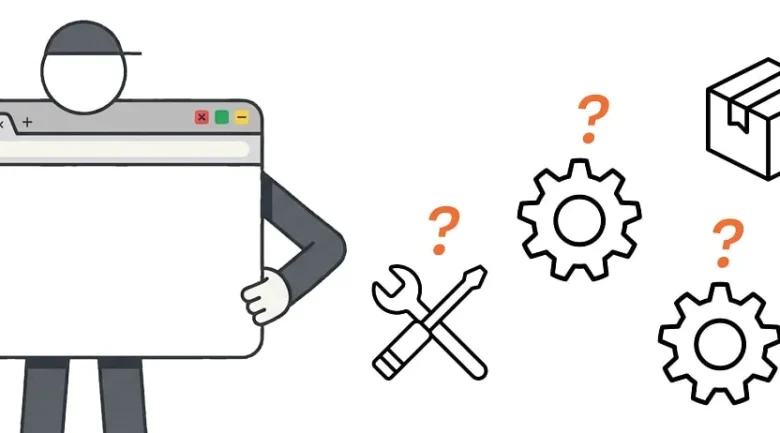
A prominent debate within the frontend community revolves around the continued necessity of traditional build tools. While tools like Webpack, Rollup, and Parcel have been instrumental in optimizing frontend workflows for years, their role is increasingly being scrutinized. Ollie Williams’ exploration, “Do We Still Need Build Tools for Frontend Dev?”, delves into a feature-by-feature audit, questioning the utility of these complex configurations in the context of modern browser capabilities and evolving JavaScript standards.
Historically, build tools were indispensable for several key functions:

- Transpilation: Converting newer JavaScript syntax (like ES6+) into older versions (ES5) for broader browser compatibility.
- Minification and Bundling: Reducing file sizes and combining multiple JavaScript and CSS files into fewer, more efficient assets to improve loading times.
- Asset Optimization: Compressing images, optimizing fonts, and processing other static assets.
- Preprocessing: Enabling features in CSS preprocessors like Sass and Less, and JavaScript preprocessors like Babel.
- Vendor Prefixing: Automatically adding browser-specific prefixes to CSS properties to ensure cross-browser consistency.
However, the landscape has shifted dramatically. Modern browsers now offer robust support for many ES6+ features directly, diminishing the need for extensive ES5 transpilation. Similarly, CSS advancements have absorbed many functionalities previously exclusive to preprocessors, such as nesting and custom properties. The increasing prevalence of HTTP/2 and HTTP/3, which handle multiple requests more efficiently, also reduces the strict necessity for aggressive bundling in some scenarios.
Williams’ analysis suggests that while some functions of build tools are indeed becoming obsolete—specifically vendor prefixing and ES5 transpiling—others remain highly relevant. Bundling, though its necessity is debated, continues to play a role in reducing the number of HTTP requests, which can still be a performance bottleneck, especially on less optimized networks. Minification, a straightforward technique for reducing file sizes, is universally beneficial for improving load times.
The emerging "no-build" approach often leverages native browser features and simpler tooling. This trend is fueled by the desire for faster development cycles, reduced configuration complexity, and a more direct connection to browser capabilities. However, the audit implies that a complete abandonment of build tools may not be universally viable, particularly for projects requiring complex dependency management, advanced optimizations, or compatibility with a wide range of older browsers. The "no-build" paradigm, while appealing in its simplicity, may falter when faced with the intricate demands of large-scale, performance-critical applications.
The Enduring Relevance of Polyfills
In parallel with the debate on build tools, the discussion around polyfills has also resurfaced. Polyfills are code snippets that provide modern functionality on older browsers that do not natively support it. Anne van Kesteren, a prominent spec editor, voiced the opinion that "polyfilling is harmful." This stance suggests that relying on polyfills can lead to bloated code, potential inconsistencies, and a tendency to delay the adoption of truly modern web standards.

Lea Verou, a respected figure in the web development community, however, offers a counterargument in "In Defense of Polyfills." She contends that despite the progress in browser support, polyfills remain a crucial tool for ensuring a consistent and accessible web experience for all users. Verou’s perspective highlights several key justifications for their continued use:
- Progressive Enhancement: Polyfills allow developers to build features using modern APIs while ensuring a baseline experience for users on older browsers or devices with limited capabilities. This approach prioritizes functionality and accessibility.
- Bridging the Gap: As new web standards are introduced and gradually adopted by browsers, there’s an inevitable lag. Polyfills effectively bridge this gap, allowing developers to leverage cutting-edge features without sacrificing compatibility.
- User Experience: For many users, upgrading their browser or operating system is not a simple or immediate option. Polyfills ensure these users are not excluded from modern web applications and services.
- Reduced Development Friction: While the ideal is native support, polyfills can alleviate the pressure to restrict development to the lowest common denominator, enabling richer user experiences sooner.
The "harm" associated with polyfills, as alluded to by van Kesteren, likely stems from their potential to increase JavaScript bundle sizes and introduce subtle bugs if not implemented carefully. However, Verou’s argument suggests that the benefits of broader accessibility and the ability to innovate with new web features outweigh these potential drawbacks when polyfills are used judiciously and maintained effectively. The ongoing evolution of web standards and browser adoption rates will continue to shape the necessity and implementation of polyfills.
Advancing CSS with @layer and Creative Animations
Beyond core tooling and compatibility concerns, the frontend community is also exploring advanced CSS techniques to enhance design and interactivity. Chris Coyier’s article, "Thinking Horizontally in CSS @layer," introduces a pattern used at CodePen that leverages the @layer CSS at-rule for more robust and manageable stylesheets.
The @layer rule, introduced in CSS Cascade Layers Module Level 1, allows developers to define explicit cascade layers, giving them more control over the order and specificity of their styles. Coyier’s pattern involves:

- Component-Scoped Design Tokens: Placing design tokens (variables for colors, spacing, typography, etc.) for each component within an
@layer. These layers are intentionally defined as "weak," meaning they can be easily overridden. - Unlayered Scoped Styles: The actual component styles that utilize these design tokens are kept "unlayered" and "strong." This approach creates a clear hierarchy where component-specific styles take precedence over global design tokens, preventing specificity wars.
This "horizontal thinking" by organizing styles by component rather than by a strict cascade order simplifies the management of large CSS codebases. It makes it easier to override styles from specific components without affecting others, leading to more maintainable and scalable CSS architecture. The implications of this pattern are significant for teams working on complex design systems, where managing style precedence and ensuring consistent theming can be a major challenge.
In a different vein of CSS innovation, Josh W Comeau’s tutorial, "Building a ‘Magical’ 3D Button," demonstrates how to create visually engaging and interactive elements that can elevate user experience. In an era where many UI elements can feel utilitarian, Comeau’s approach focuses on adding delight and personality. The tutorial, updated to reflect current best practices, guides developers through the creation of an animated 3D button. This goes beyond simple hover effects, employing techniques that create a sense of depth and responsiveness, transforming a common UI element into a point of interest. Such engaging micro-interactions contribute to a more memorable and enjoyable user journey, highlighting the growing importance of visual polish and creative design in frontend development.
Innovations in Color Handling and Frontend Observability
The technical advancements in frontend development extend to specialized libraries and tools that address complex challenges. Lea Verou and Chris Lilley’s "Color.js 0.7: ‘Let’s Get Serious About Color’" highlights a significant update to the Color.js library, emphasizing its commitment to modern color standards.
Color.js is designed for sophisticated color manipulation within the browser, adhering to the latest specifications for color spaces and color management. The release of version 0.7 brings several key improvements:

- Expanded Color Space Support: The library now supports a wider array of color spaces, including newer standards like Display P3, CIE CAM16, and OKLCH, offering greater precision and flexibility for designers and developers working with advanced color palettes.
- New Gamut Mapping Method: Gamut mapping is crucial for ensuring that colors display correctly across different devices and color spaces, especially when converting from a wide gamut to a narrower one. The new method in Color.js 0.7 promises more accurate and aesthetically pleasing results.
- Smarter
display()Fallback: For colors that cannot be natively represented by a browser’s display, Color.js now offers a more intelligent fallback mechanism, ensuring that color fidelity is maintained as much as possible.
This focus on robust color handling is critical as the web increasingly embraces high-dynamic-range (HDR) content and more sophisticated color workflows. Libraries like Color.js empower developers to achieve precise and consistent color rendering across the diverse range of displays users interact with.
Complementing these development-focused tools, Greptile introduces Trex, a solution aimed at enhancing frontend observability and debugging. Trex runs a project’s code within a sandbox environment for each pull request (PR). It then utilizes browser agents to simulate user interactions, such as clicking through the UI. The key innovation is its ability to automatically attach screenshots and videos as evidence of issues directly within the PR.
This approach to frontend testing and debugging has several implications:
- Early Bug Detection: By simulating user journeys, Trex can identify visual regressions and functional bugs that might be missed by traditional unit or integration tests.
- Streamlined Collaboration: Providing visual evidence directly in the PR significantly reduces the back-and-forth between developers and QA testers, accelerating the debugging process.
- Improved Code Quality: The automated visual validation encourages developers to be more mindful of the user interface and its behavior, leading to higher quality code.
Greptile’s offering represents a shift towards more integrated and automated testing workflows, leveraging AI and sophisticated simulation to catch bugs earlier in the development lifecycle. This aligns with the broader trend of improving developer productivity and reducing the cost of fixing defects.
Conclusion: A Dynamic and Evolving Frontend Landscape
The contemporary frontend development environment is characterized by a dynamic interplay of established practices and emerging innovations. The ongoing re-evaluation of build tools, the pragmatic defense of polyfills, the creative application of CSS features like @layer, and advancements in color management and testing observability all point towards a mature yet ever-evolving field. Developers are presented with opportunities to streamline workflows, enhance user experiences, and build more robust and accessible web applications. As browser capabilities expand and new standards emerge, the ability to adapt and critically assess the tools and techniques at our disposal will remain paramount for navigating the future of frontend development. The community’s continued dialogue and experimentation are driving forces behind this perpetual progress, ensuring that the web remains an innovative and engaging platform for users worldwide.