Frontend Development Surges Forward With Chrome 155, Dart Sass 2.0, and Comprehensive Real-User Metrics

The landscape of modern web development is undergoing a rapid transformation, driven by significant architectural updates, performance measurement tools, and evolving standards across browsers and frameworks. Recent announcements from industry leaders, open-source maintainers, and browser vendors have introduced major shifts in how developers build, test, and optimize web applications. From native support for advanced image compression formats and CSS anchor positioning to massive compiler rewrites and unified media playback libraries, the web platform continues to mature, offering more robust native capabilities while reducing reliance on third-party abstractions.
Main Facts and Platform Enhancements
At the forefront of recent browser updates is the official release of Chrome 155, which introduces native support for JPEG XL (.jxl) images. Spearheaded by Chrome for Developers contributors Versari, Firsching, and Jängenstedt, this integration marks a major milestone for web performance and visual fidelity. JPEG XL delivers 30% to 50% better compression ratios compared to standard JPEG formats while offering modern features such as high dynamic range (HDR) support, progressive loading, and lossless encoding capabilities. As bandwidth optimization remains a critical priority for large-scale web operations, the widespread adoption of JPEG XL is expected to significantly reduce page weight and accelerate Largest Contentful Paint (LCP) metrics globally.

Complementing browser-level optimizations, the CSS ecosystem has received powerful additions aimed at streamlining user interface design. Matt Smith’s recent exploration of CSS Anchor Positioning—specifically utilizing properties like anchor-name and position-anchor—highlights a monumental shift in how developers handle complex UI overlays. Historically, building dynamic tooltips, popovers, and dropdown menus required heavy JavaScript calculations to track window resizing and page scrolling. Native CSS anchor positioning shifts this responsibility to the browser rendering engine, ensuring high-performance, layout-stable component positioning without the overhead of external layout libraries. Meanwhile, Patrick Brosset of the Edge team has initiated discussions surrounding the modernization of native tooltips, floating proposals for a stylable ::tooltip pseudo-element to address the historical underutilization of the standard title attribute.
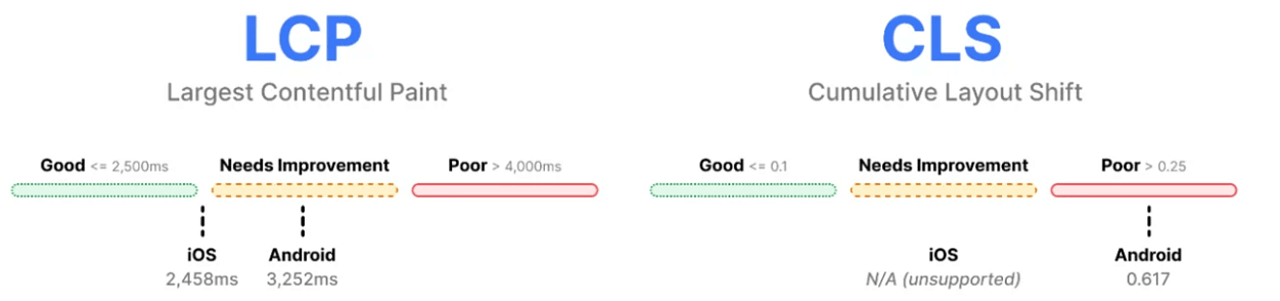
Performance measurement has also taken a monumental leap forward. Cloudflare researchers Townsend and Jansma have released a comprehensive, free BigQuery dataset tracking anonymized real-user Core Web Vitals across 10,000 large web properties. Updated daily, this dataset offers unprecedented visibility into user experience metrics across multiple browser engines, encompassing both Chromium-based browsers and Safari’s WebKit. Initial findings from the dataset challenge conventional optimization wisdom, revealing that asset download times frequently constitute the smallest fraction of a delayed LCP, redirecting industry focus toward server-side rendering efficiency and DOM execution bottlenecks.
Chronology and Development Milestones
The trajectory of these technological advancements reflects months, and in some cases years, of collaborative engineering across the open-source community.
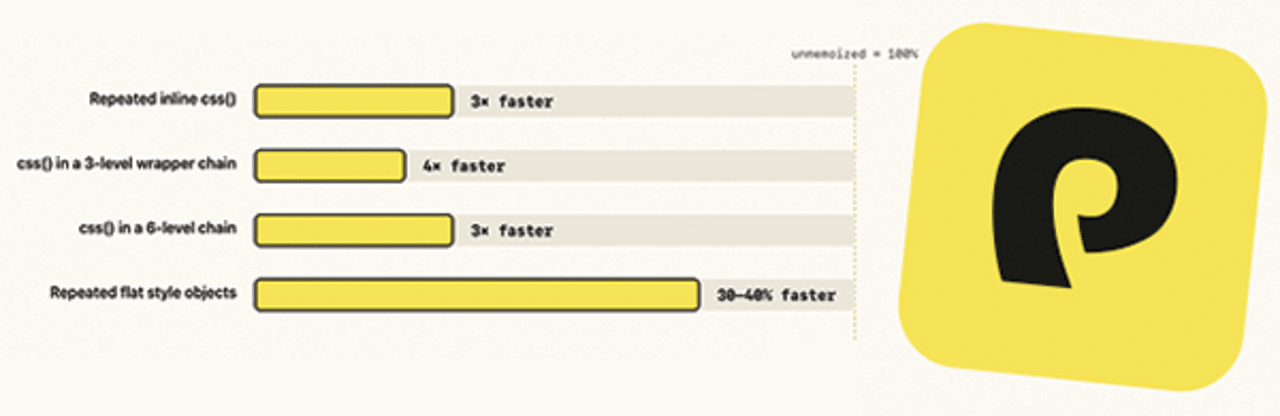
The journey toward modernizing foundational web tools has seen notable acceleration throughout the latter half of the year. In the realm of CSS tooling, the Panda CSS team—led by Adebayo, Adebesin, and Adebayo—announced the release of Panda CSS 2.0. While maintaining compatibility with the familiar css() application programming interface, version 2.0 represents a complete architectural overhaul. By rebuilding its compiler in Rust, the library achieves dramatic performance gains, accompanied by new features including publishable design systems, advanced view-transition styling, integrated ESLint plugins, and updated typography presets.
Simultaneously, the media playback ecosystem reached a historic milestone with the release of Video.js 10, announced by Steve Heffernan. Sixteen years after Video.js first emerged to help developers transition away from Adobe Flash, the library has been completely re-engineered from the ground up. This major release consolidates the expertise of development teams behind prominent media projects, including Plyr, Vidstack, Media Chrome, and Mux Player. The resulting framework delivers native support for React and web components, slashes bundle sizes by approximately 60%, and introduces deeply customizable styling architecture.
In the preprocessing sphere, Natalie Weizenbaum confirmed the upcoming December release of Dart Sass 2.0. As Sass continues to evolve alongside modern native CSS features, version 2.0 marks a definitive break from legacy behaviors by converting longstanding 1.x deprecation warnings into hard compilation errors. This aggressive cleanup aims to streamline the codebase and eliminate technical debt across enterprise style sheets.

Supporting Data and Industry Surveys
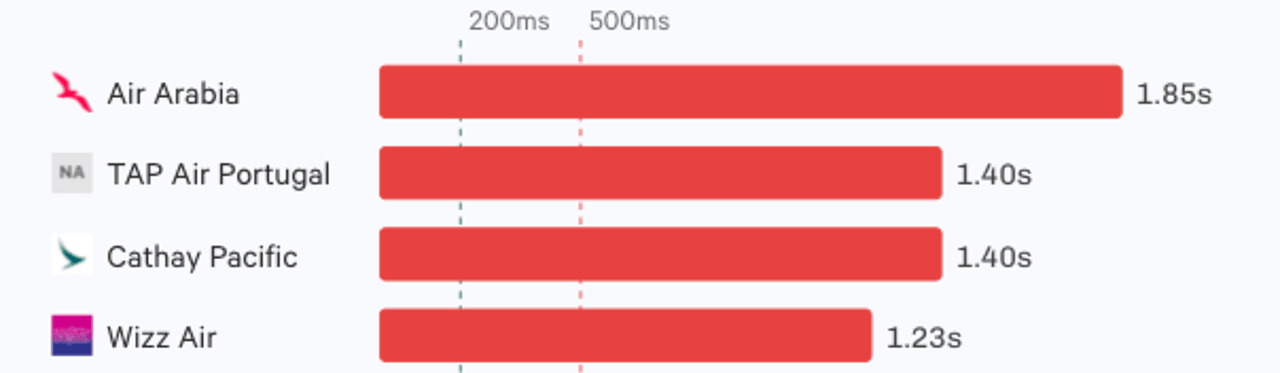
Empirical data underscores the urgent need for these technical improvements. Recent performance audits, such as those published by Calibre regarding airline industry web platforms, consistently demonstrate that complex user journeys remain plagued by performance bottlenecks. Despite advancements in hardware capabilities, bloated JavaScript bundles and inefficient rendering pipelines continue to degrade user experience across critical consumer touchpoints.
To guide future platform development, the Devographics organization has officially opened its annual State of HTML 2026 survey. Designed to capture developer sentiment regarding semantic markup, forms, web components, and emerging browser APIs, the survey serves as a vital feedback loop for browser vendors. Major engine developers utilize these aggregated insights to prioritize their development roadmaps, ensuring that future platform implementations align directly with the practical needs of the global engineering community.
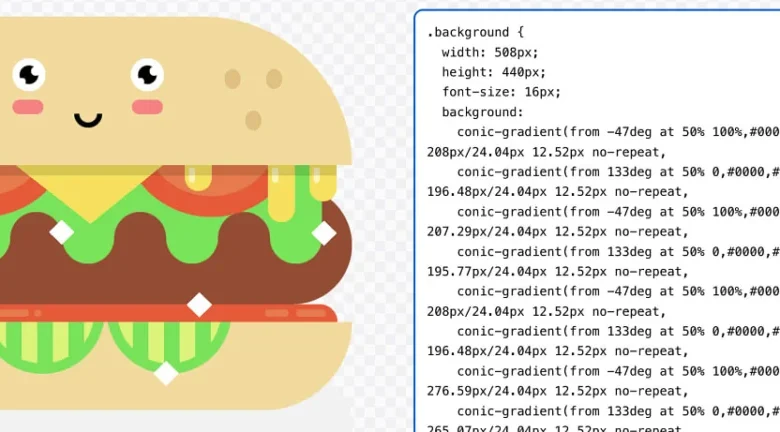
Furthermore, developer tooling continues to evolve to meet complex debugging demands. Ahmad Shadeed’s introduction of the Gradient Visualizer tool addresses a notorious pain point in modern styling: debugging multi-layer CSS gradients. By dissecting complex background property values into individual inspectable layers, offering 3D stack visualizations, and supporting timelapse replays, the tool simplifies the maintenance of sophisticated visual designs.
Official Responses and Ecosystem Reactions
The release of these tools and datasets has prompted widespread discussion regarding software engineering philosophy and platform adoption. Nolan Lawson, a prominent advocate for native web technologies, published a critical examination titled "Why Don’t More Developers ‘Use the Platform’?" Lawson explores the systemic tendencies of developers to rebuild native browser capabilities—such as routing, dialogs, and state management—using custom JavaScript abstractions and CSS frameworks. He argues that modern browser platforms have evolved to provide robust, performant native primitives that often surpass user-space libraries in accessibility, performance, and long-term maintainability.
Sponsorship and enterprise validation further highlight the commercial importance of robust verification pipelines. Enterprises such as Dropbox, Notion, and ElevenLabs increasingly rely on automated verification systems like Meticulous to validate complex frontend changes. As artificial intelligence code-generation agents write and review code with unprecedented speed, the industry faces new questions regarding autonomous verification, quality assurance, and the necessity of exhaustive, zero-developer-effort regression testing.
Broader Impact and Implications
The convergence of these developments signals a mature phase in web engineering, characterized by a return to platform-native solutions and a relentless focus on performance optimization.
The introduction of native JPEG XL support in Chrome 155, combined with the granular insights provided by Cloudflare’s Core Web Vitals BigQuery dataset, empowers organizations to diagnose and resolve performance bottlenecks with unprecedented precision. By shifting complex layout operations—such as anchor positioning—into the browser core, and by modernizing foundational libraries like Video.js and Panda CSS, the ecosystem is systematically reducing unnecessary JavaScript overhead.
Ultimately, these advancements underscore a broader industry trend: as web applications grow increasingly complex, the most effective path forward lies in leveraging native browser capabilities, embracing Rust-powered tooling for maximum compilation speed, and utilizing data-driven metrics to eliminate user friction. The ongoing evolution of standards, as captured by initiatives like the State of HTML survey, ensures that the web platform will continue to adapt to the demands of modern developers and end-users alike.