Latest Front-End Development Trends: CSS Evolution, AI Standards, and Performance Tooling

The landscape of front-end web development continues to experience rapid evolution, marked by a fascinating juxtaposition of historical browser quirks and cutting-edge specifications. Recent weeks have brought forth a wave of new discussions, tools, and technical articles that highlight how far web styling, performance optimization, and developer tooling have advanced. From nostalgic deep dives into the unpredictable era of Internet Explorer hacks to modern implementations of CSS anchor positioning, the developer community is aggressively pushing the boundaries of what is possible natively within the browser, while simultaneously refining the tools used to govern code quality and maintainability.

The Evolution of Styling: From Internet Explorer Quirks to Modern CSS Anchor Positioning
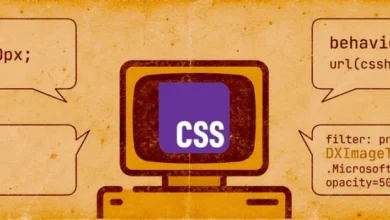
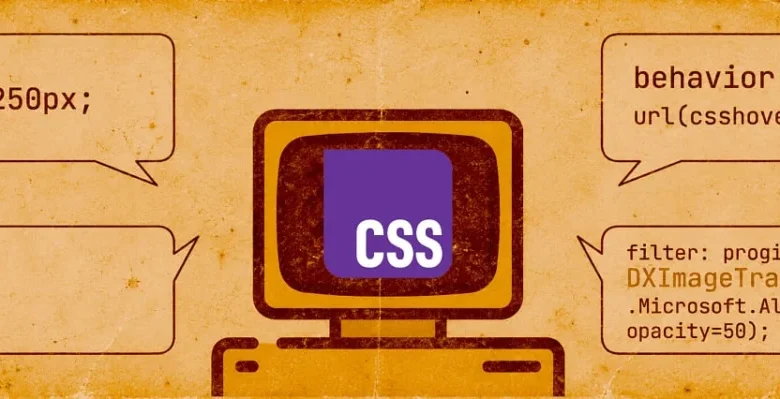
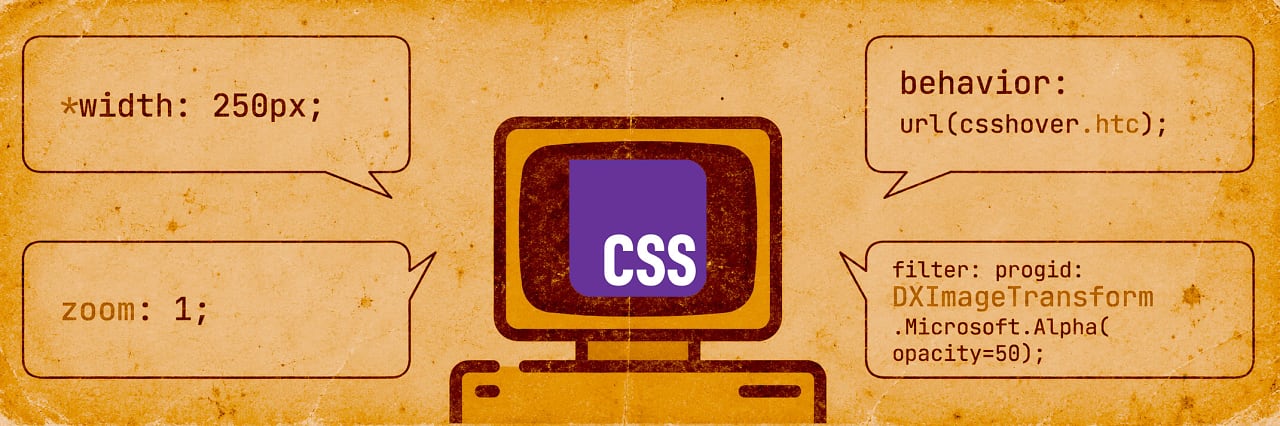
To fully understand where modern CSS stands, developers frequently find value in examining the tumultuous history of browser compatibility. A recent retrospective by Declan Chidlow titled "CSS Curiosities of the Past" offers a comprehensive tour of the non-standard workarounds that web developers relied upon during the height of the browser wars—most notably for Internet Explorer. The piece details famous techniques such as the ‘star hack,’ CSS expressions that effectively injected JavaScript directly into style sheets, and Microsoft’s proprietary DirectX filters. Furthermore, it revisits the infamous box model hack, which plagued layout consistency for years before standards compliance became the industry norm.
Contrasting sharply with these brittle historical workarounds are the sophisticated styling capabilities available in modern browsers. Recent architectural discussions have brought modern layout and typography techniques to the forefront. Ahmad Shadeed recently addressed a persistent visual flaw in user interface design: the misalignment of icons next to multi-line text blocks. While single-line text easily accommodates vertically centered icons, multi-line configurations frequently result in awkwardly placed graphical elements. Shadeed’s exploration of a native CSS solution utilizing the lh (line height) unit provides a robust, predictable fix without requiring complex flexbox or grid workarounds.
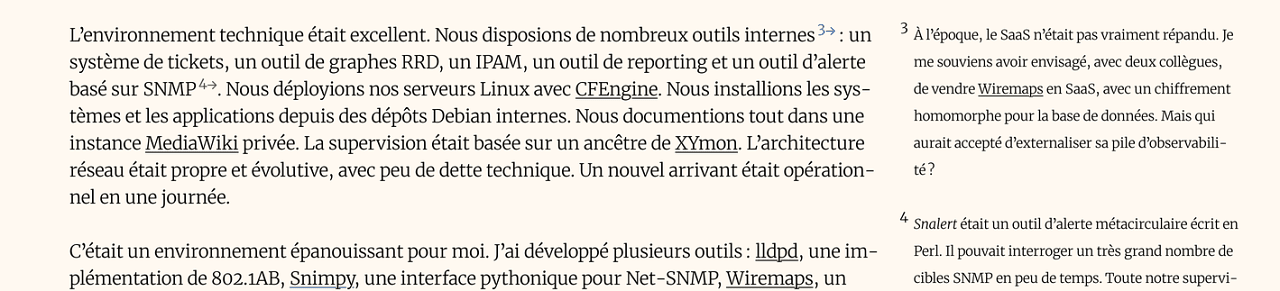
In another advanced layout breakthrough, Vincent Bernat published a detailed walkthrough on implementing Tufte-style sidenotes using CSS anchor positioning. Traditionally, placing notes in the margins alongside specific paragraphs required complex JavaScript calculations to monitor viewport dimensions and scroll positions. Bernat’s implementation achieves these margin notes entirely without JavaScript, utilizing the new CSS anchor positioning specification. This multi-block approach not only simplifies the codebase but also gracefully degrades on narrow viewports and older browsers, demonstrating a mature approach to progressive enhancement.
Meanwhile, UI effects have also seen standardizations that eliminate external dependencies. Preethi Sam’s guide on animating CSS border-image properties illustrates how developers can dynamically alter border styles using complex gradients and images to generate engaging user interface animations natively. These developments signify a broad industry movement toward offloading tasks previously handled by JavaScript onto the rendering engine, resulting in improved execution performance and cleaner markup.

Architectural Styling and Build-Time Transformations: A Deep Dive into Meta’s StyleX
Beyond native CSS specifications, the debate surrounding component-scoped styling and build-time optimization tools remains intensely active. Flavio Copes recently published a comprehensive, hands-on evaluation of Meta’s StyleX library. StyleX operates by transforming JavaScript style objects into plain atomic CSS at build time, offering the composability of inline styles with the deterministic performance benefits of static stylesheets.
Copes’ analysis notes a particularly compelling use case for StyleX: its natural alignment with AI coding assistants and autonomous agents. Because StyleX enforces strict rules and maps cleanly to deterministic outputs without runtime overhead, automated code generation tools can reliably produce compliant styling without introducing specificity conflicts or bloated CSS bundles. As engineering teams increasingly incorporate artificial intelligence into their daily workflows, the predictability of build-time style transformations is emerging as a critical architectural advantage.
Code Quality and Standardization: The Expansion of the Front-End Checklist
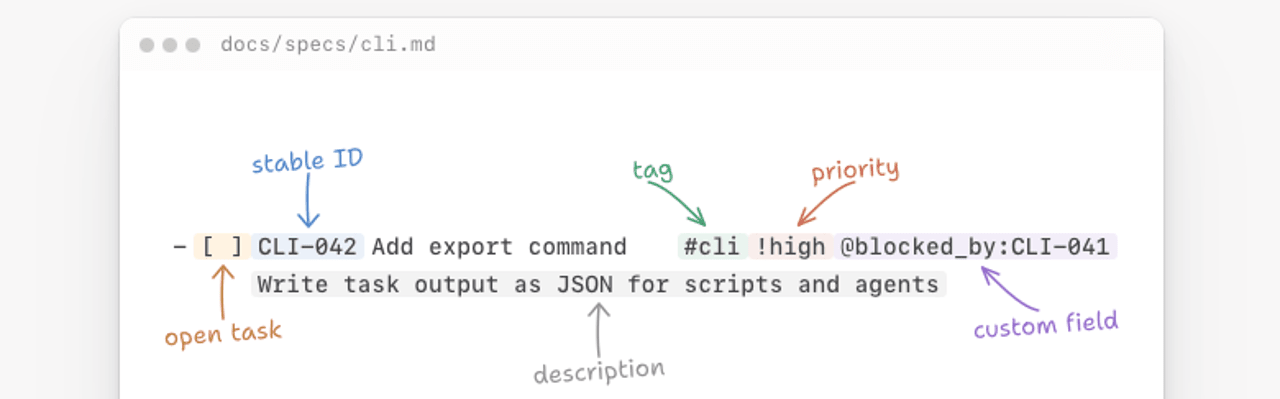
Maintaining rigorous standards across large-scale web applications has historically required disparate auditing tools and manual reviews. Addressing this fragmentation, David Dias and contributors have significantly expanded The Front-End Checklist. Originally launched as a curated list of best practices, the project has evolved into a comprehensive repository featuring nearly 400 distinct quality rules spanning accessibility, performance, security, and search engine optimization (SEO).
Significantly, the checklist has broadened its utility through Model Context Protocol (MCP) integrations. Developers can now seamlessly connect the checklist directly to advanced artificial intelligence interfaces such as Claude and Cursor. This integration allows AI-driven development tools to evaluate code against a standardized, industry-vetted set of criteria in real-time, drastically reducing the likelihood of regressions in accessibility and performance during the coding phase.
Emerging Tooling and Resource Updates: SnapDOM 3.0 and Format Debates
The ecosystem of utility libraries and developer resources has similarly received notable updates. Zumerlab has released version 3.0 of SnapDOM, a dependency-free alternative to traditional libraries like html2canvas designed to convert DOM elements directly into downloadable images. With robust support for web fonts, pseudo-elements, and the Shadow Domain, the release introduces "incremental recapture" for expedited repeat captures, automatic web font embedding, and a new fromString() method that facilitates the direct conversion of raw HTML markup into graphical assets.
Concurrently, format debates continue to shape the media delivery pipeline on the web. Gianni Rosato published a critical evaluation of the JPEG XL image format within browser environments. As decoding support for JPEG XL gradually integrates into major browsers like Chrome and Firefox, Rosato—an AV1 encoder developer and former proponent of the format—argues that JPEG XL offers negligible functional advantages over AVIF for typical web deployment scenarios, sparking discussions among performance engineers regarding optimal asset delivery strategies.
Industry Implications and Broader Outlook
The convergence of historical retrospectives and advanced technical specifications underscores a maturing front-end engineering discipline. By replacing hacky browser workarounds with robust native primitives like anchor positioning and the lh unit, developers are building more resilient, performant web applications. Concurrently, the integration of extensive quality rulebooks with AI tooling points toward an automated future where standards compliance is continuously verified rather than audited post-facto. As these tools and standards solidify, engineering organizations are well-positioned to deliver secure, accessible, and highly optimized digital experiences with reduced technical debt.