Sabine Marcelis and Mathmos collaborate to redefine the iconic lava lamp in a new solo exhibition at Museum für Gestaltung Zürich

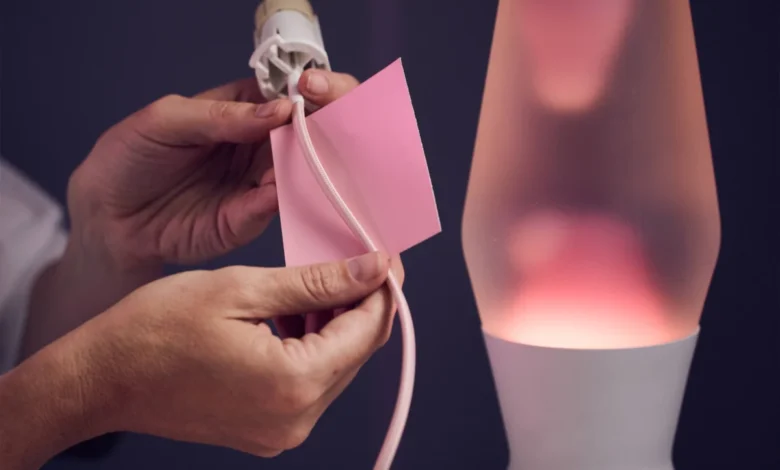
The intersection of industrial design, kinetic art, and atmospheric lighting has found a new focal point in the latest collaboration between Dutch designer Sabine Marcelis and the legendary British manufacturer Mathmos. This partnership, which reaches its zenith with the opening of the exhibition Light and Color at the Museum für Gestaltung Zürich, explores the intersection of transparency, fluid dynamics, and the psychological impact of color. The exhibition, running from October 30, 2026, to April 4, 2027, marks a significant milestone in Marcelis’s career, as it is her first major solo retrospective, blending her signature aesthetic with the historical pedigree of the world’s original lava lamp producer.
A History of Innovation and Collaboration
Mathmos, founded in 1963 by Edward Craven Walker, holds a unique position in design history. The Astro lamp, as it is formally known, became a defining cultural artifact of the 1960s and 70s, symbolizing a shift toward psychedelic, fluid aesthetics in home decor. For decades, the lamp remained relatively static in its design language. However, the recent partnership with Sabine Marcelis has successfully bridged the gap between vintage nostalgia and contemporary high-end design.
This creative alliance began in earnest in 2023, marking a deliberate pivot for both parties. The collaboration has followed a distinct chronological progression, signaling a move toward more complex material exploration:
- 2023: The launch of a vibrant yellow iteration of the Astro lamp, which tested the waters for a modern, monochromatic interpretation of the classic form.
- 2024: The release of a sophisticated burgundy model, focusing on depth of color and the interplay between light and shadow.
- 2025: The introduction of a subtle, muted green edition, accompanied by the engineering feat of the tallest lava lamp ever produced by the manufacturer.
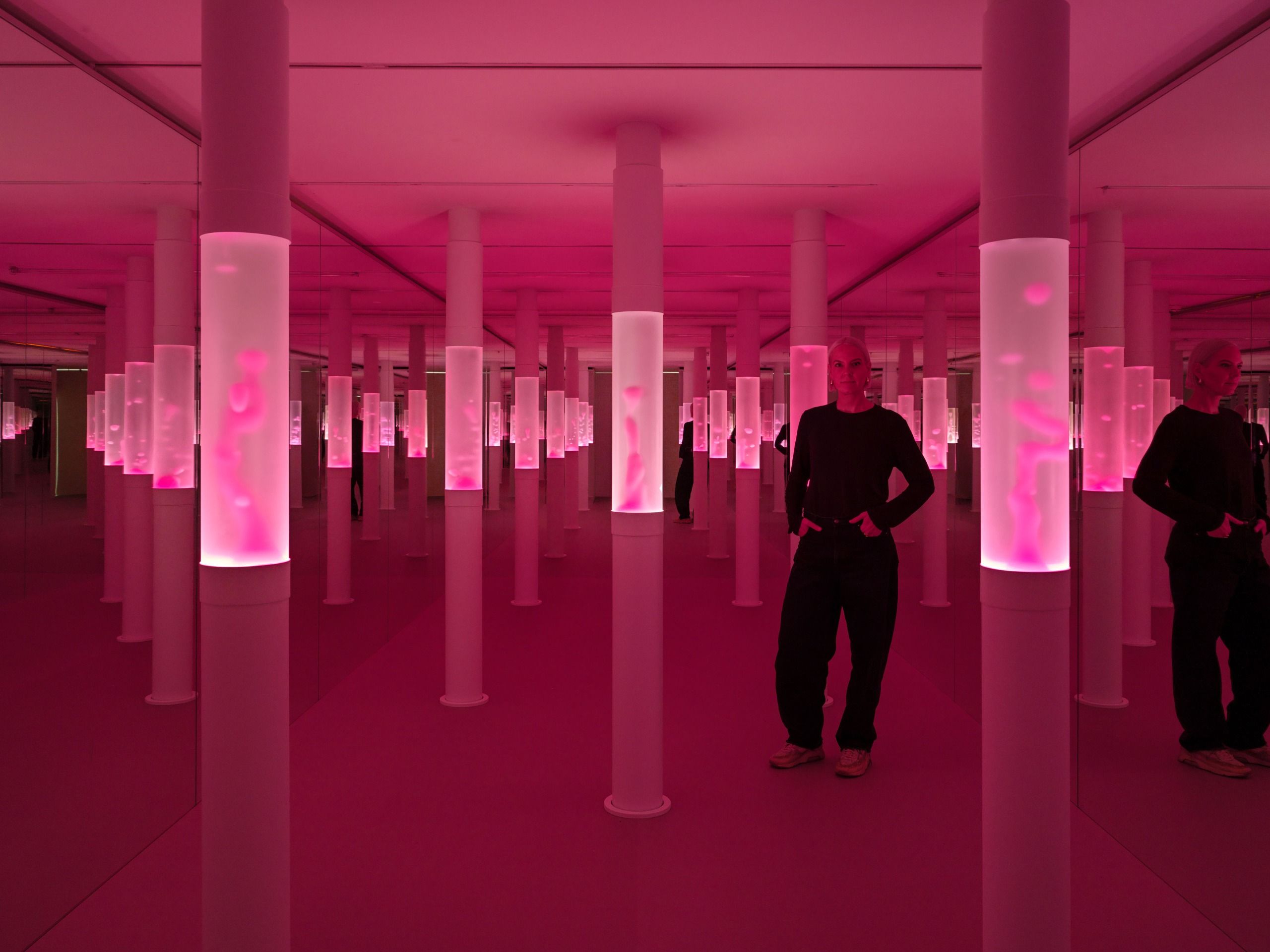
- 2026: The current "Bubblegum Pink" installation and the impending limited-edition consumer launch.
This progression highlights a strategic commitment to evolving the product line beyond its mid-century roots, transforming it into a collectible design object that commands interest from the global art market as much as the domestic consumer market.
Immersive Design: The Light and Color Exhibition
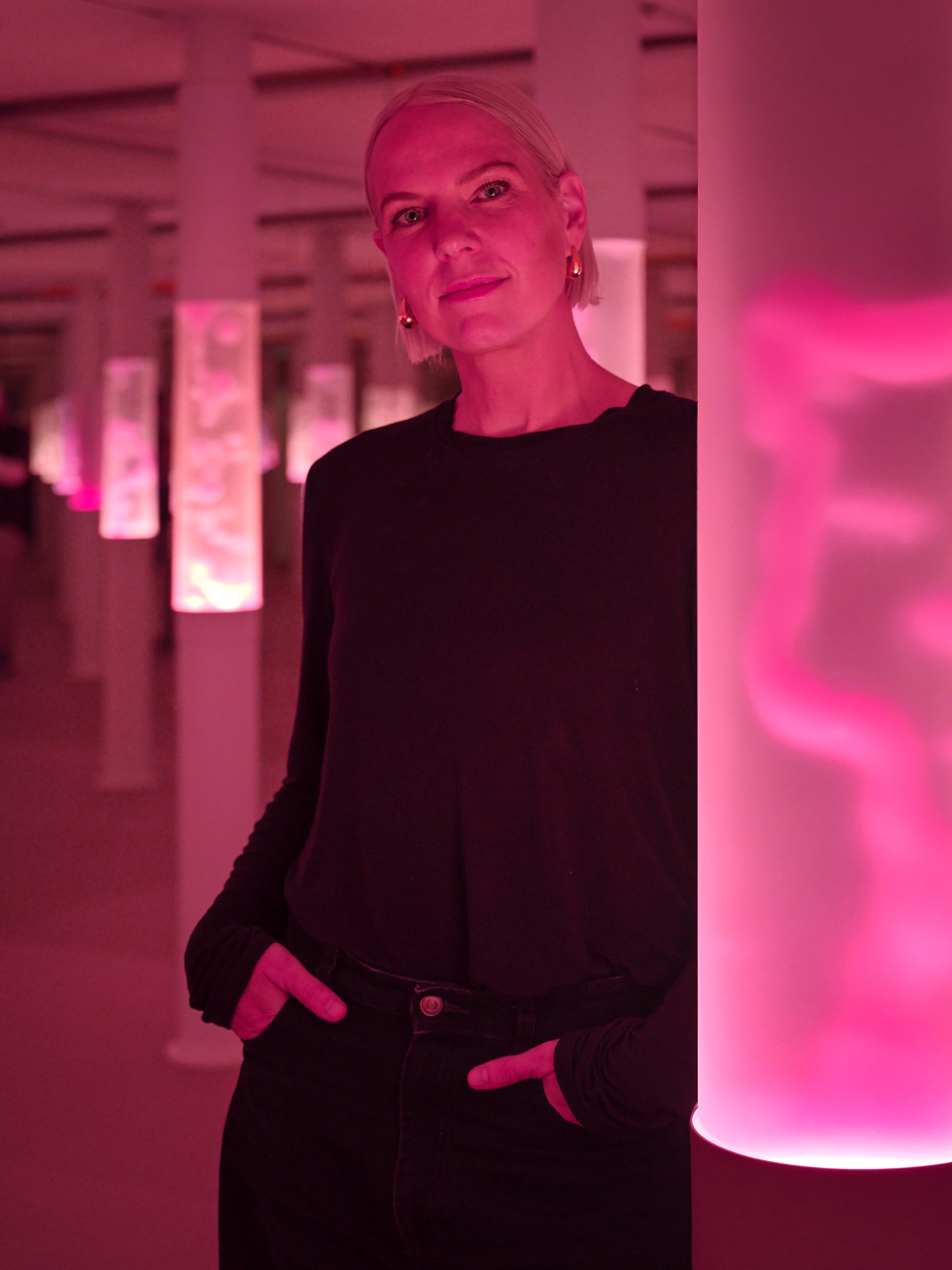
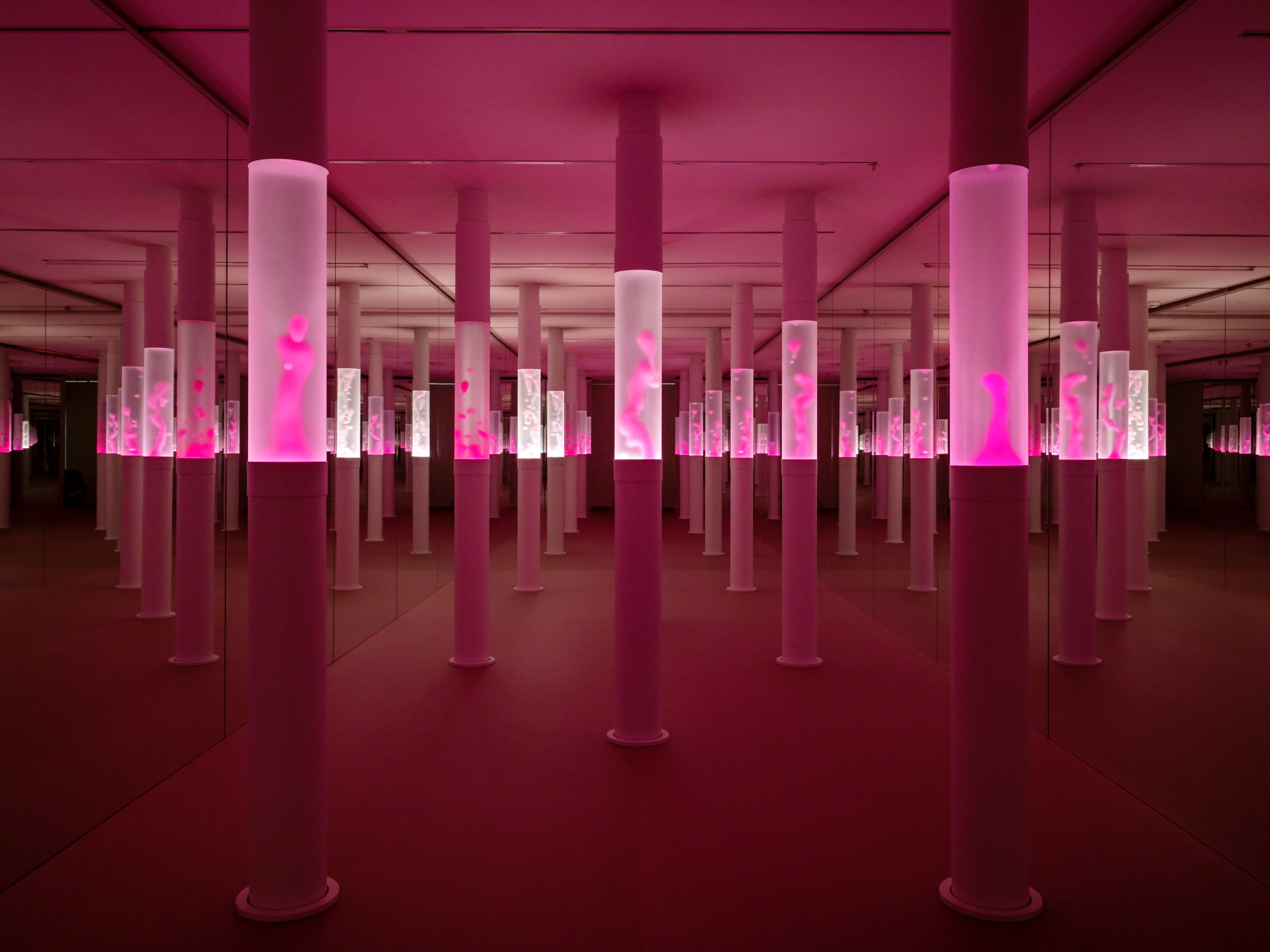
The centerpiece of the collaboration is the immersive installation titled "Mathmos Lava Columns." Located within the broader context of the Museum für Gestaltung Zürich, these installations represent a significant scaling up of the standard lava lamp. Standing at 296 centimeters, the "Column" lamps are not merely lighting fixtures; they are architectural elements.
Marcelis has long been celebrated for her mastery of light, transparency, and materiality. Her work, ranging from the Varmblixt collection for Ikea to the ephemeral, inflatable maze at Coachella, demonstrates a consistent interest in how materials—specifically resin, glass, and light—interact with human perception. In "Light and Color," she pushes this further.
"What I wanted to create was not a retrospective in the traditional sense but a series of spatial experiences that show how light and colour behave across different scales and materials," Marcelis noted during the exhibition’s opening. By surrounding the oversized "Column" lamps with mirrors, the design creates a kaleidoscopic effect, effectively turning the gallery space into a living, breathing, and constantly shifting sculpture. The movement of the wax, rising and falling in an eternal cycle, introduces the dimension of time—a rare element in static furniture design.
Technical and Aesthetic Implications
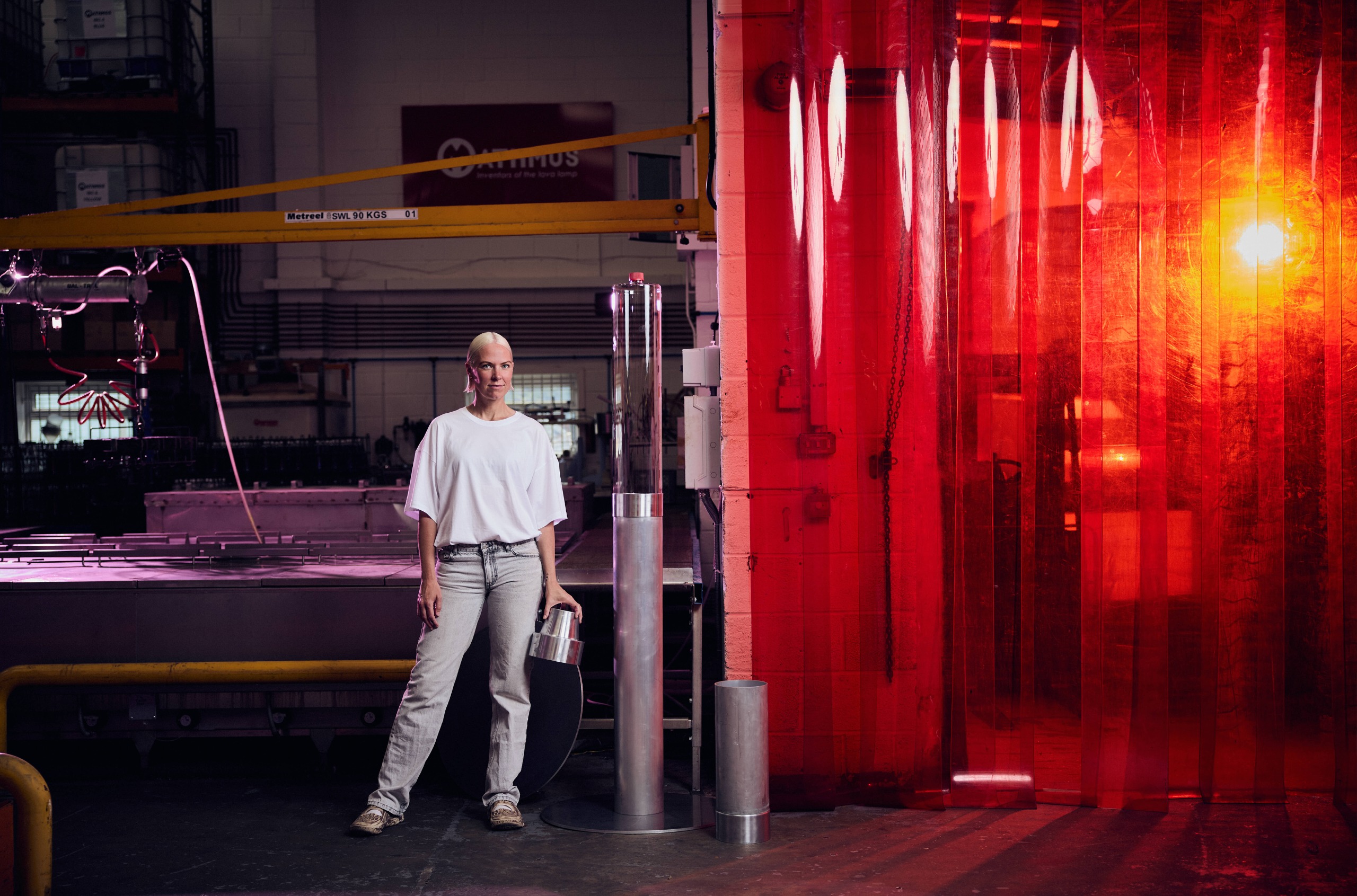
From a technical standpoint, the collaboration presents a challenging feat of engineering. Producing a lava lamp at nearly three meters requires careful calibration of heat distribution and wax density. The "Column" lamps must maintain a consistent temperature to ensure the "blobs" move with the fluidity expected of the Astro design, yet they must also be safe for public, high-traffic environments.
The choice of "bubblegum pink" for the 2026 installation is not incidental. It aligns with current color trends in interior design that favor high-saturation, playful tones that evoke optimism. Furthermore, the upcoming limited-edition release of 1,000 units of the "Astro" lamp in this specific hue serves as a bridge between the exclusive, large-scale gallery installation and the accessibility of a retail product.
For Mathmos, this collaboration acts as a validation of its enduring relevance. By aligning with a contemporary designer like Marcelis, the company successfully avoids the trap of becoming a legacy brand tethered exclusively to its past. Instead, it positions itself as a luxury brand capable of iterative, high-concept design.
The Broader Impact on Contemporary Design
The implications of this partnership extend beyond the collaboration itself. It signals a shift in how design institutions and commercial manufacturers approach the concept of the "classic object." By allowing a designer to intervene in the manufacturing process of a product as iconic as the lava lamp, both entities have effectively generated a new category of "designer-manufactured kinetic art."
The success of the "Light and Color" exhibition is expected to influence future design trends, particularly regarding the use of light as a primary architectural material. Marcelis’s focus on the "sensual experience of light and materiality" resonates with a post-pandemic consumer desire for tactile, atmospheric environments. As individuals spend more time in controlled, domestic spaces, the demand for objects that provide both illumination and a sense of movement—a "living" object—has seen a resurgence.
Furthermore, the collaboration highlights the importance of the designer as a curator of experience. Marcelis does not simply design a lamp; she designs the environment in which the lamp exists, as evidenced by her strategic use of mirrors and spatial arrangement in the Zurich museum. This holistic approach is becoming the gold standard for contemporary design exhibitions, where the distinction between art installation and product showcase is intentionally blurred.
Looking Ahead
As the exhibition continues through April 2027, industry observers will be watching the market response to the limited-edition 1,000-unit release. If the previous collaborations are any indicator, these units will likely reach secondary market status quickly, further cementing the status of the Mathmos x Sabine Marcelis collection as highly sought-after contemporary design assets.
The partnership also raises questions about future potential projects. With the "Column" lamps now established as a successful proof-of-concept for large-scale lighting, there is potential for further exploration into site-specific lighting commissions for public spaces, hospitality venues, and private architecture.
Ultimately, the work of Sabine Marcelis at the Museum für Gestaltung Zürich proves that even the most recognizable household objects can be reimagined through the lens of modern material science and artistic vision. By stripping away the kitsch often associated with the lava lamp and focusing on the pure physics of light, color, and movement, the designer and the manufacturer have successfully elevated a 20th-century icon into a 21st-century masterpiece. The "Light and Color" exhibition serves as both a testament to this achievement and a roadmap for how legacy brands can continue to innovate in an increasingly crowded design landscape.
Related posts: