The Democratization of Cinema: How Lightcraft Spark and Micro-Budget Hits Are Reshaping the Hollywood Landscape

The traditional path to cinematic success has long been guarded by a formidable array of gatekeepers and high-entry barriers. For decades, the aspiring filmmaker’s checklist was as daunting as it was expensive: substantial capital, industry connections, major studio backing, high-end cinema cameras, and massive production crews. However, a seismic shift is occurring in the entertainment landscape, driven by a new generation of creators who are bypassing the old guard through viral success and accessible technology. The meteoric rise of projects like "The Backrooms" and "Obsession" serves as a harbinger of a new era where original ideas, unique aesthetics, and unconventional voices can command global audiences without the need for traditional institutional permission.
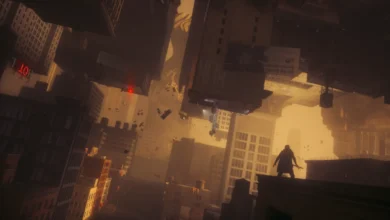
This evolution is not merely a trend in content but a fundamental change in production methodology. Films that once would have required millions of dollars in pre-visualization and set construction are now being birthed in bedrooms using open-source tools like Blender and AI-assisted platforms. "The Backrooms," a project that originated as a short film by then-teenager Kane Parsons, has become a cultural phenomenon, reportedly generating hundreds of millions in global interest and securing a feature film deal with A24. These success stories prove that audiences are increasingly hungry for the "raw and imperfect" rather than the "polished and predictable."
The Rise of the Micro-Budget Blockbuster
The success of "The Backrooms" is not an isolated incident but part of a broader movement where micro-budget films punch far above their weight. By utilizing low-cost tools and focusing on high-concept storytelling, creators are proving that "spectacle" is no longer the exclusive domain of the wealthy. Eliot Mack, CEO and co-founder of Lightcraft Technology, suggests that we are witnessing the fastest rate of rule-rewriting in the history of cinema. In previous generations, a "big break" could take decades of labor within the studio system; today, a twenty-year-old with a compelling vision and a laptop can disrupt the entire industry.
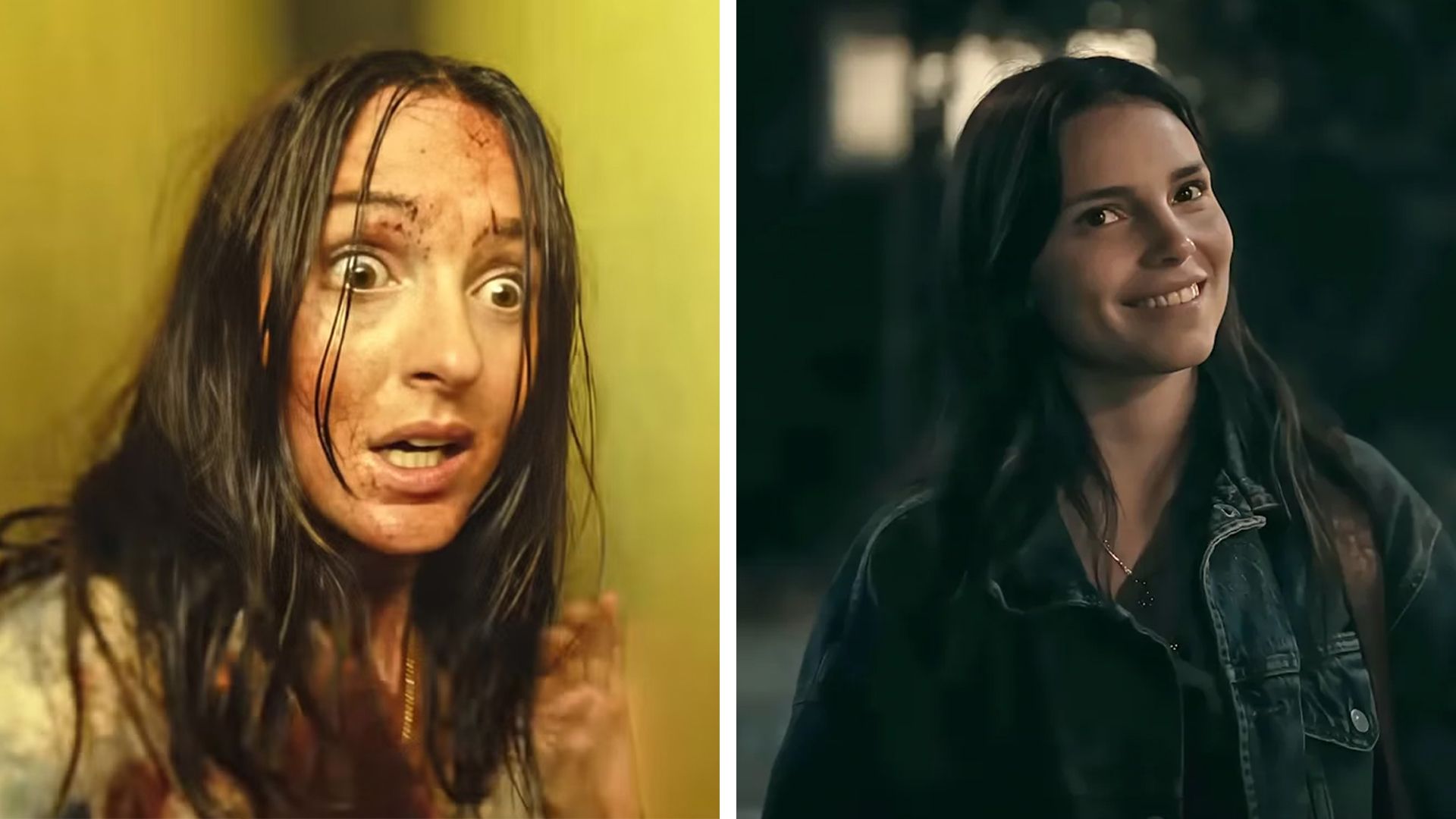
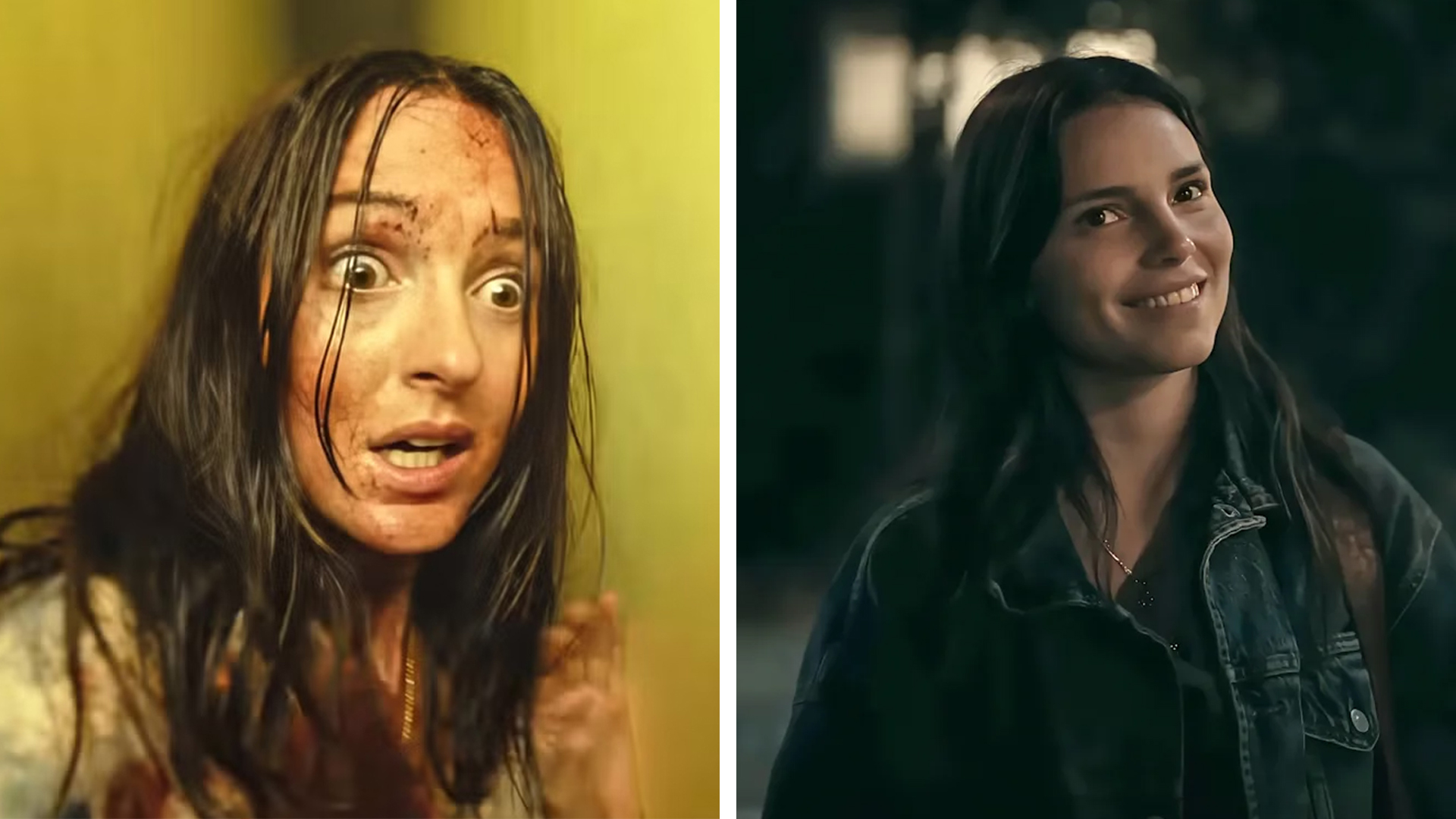
Historically, horror has served as the primary on-ramp for independent filmmakers due to its reliance on atmosphere over expensive set pieces. However, Mack notes that the underlying desire of the audience—to be transported—remains constant. While Hollywood has often pursued "safe" projects from an accounting perspective, prioritizing spectacle over story breakthroughs, the democratization of tools is allowing a new creative class to prioritize heart and narrative innovation. The result is a shift away from what a "financial class" wants to finance and toward what creators actually want to make.
Lightcraft Spark: A New Creative Backbone
At the center of this technological revolution is Lightcraft Spark, an AI-assisted filmmaking platform designed to streamline the transition from script to screen. Set to reveal a suite of new features at SIGGRAPH 2026, Spark aims to serve as the "Google Docs of 3D filmmaking." Unlike traditional pipelines that treat pre-production, production, and post-production as isolated islands, Spark unifies these phases into a shared 3D space.
The platform’s "script-first" focus allows writers and directors to explore their worlds in 3D before a single frame is shot. By integrating the screenplay directly with a 3D database, Spark enables filmmakers to build, test, and show their ideas in a tangible format. This approach collapses the traditional friction points of VFX and post-production, which have long been the primary bottlenecks for small-to-medium-sized teams. Instead of spending years trying to convince a studio that a concept is viable, creators can now present a "living" version of their vision that is nearly indistinguishable from a finished product.
Collapsing the Traditional Production Pipeline
The traditional filmmaking process is notoriously fragmented. A script is written, then interpreted by a storyboard artist, then re-interpreted by a director of photography, and finally handed off to a VFX team that may have had no involvement in the initial creative discussions. This often results in a movie being "made three times over," leading to massive budget bloat and creative dilution.
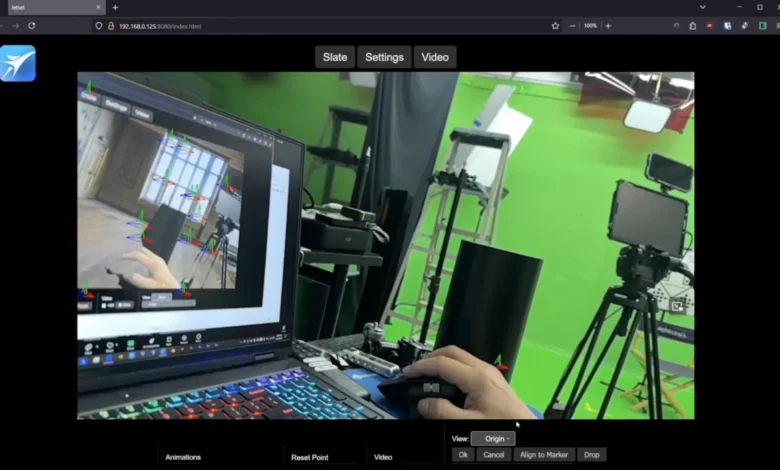
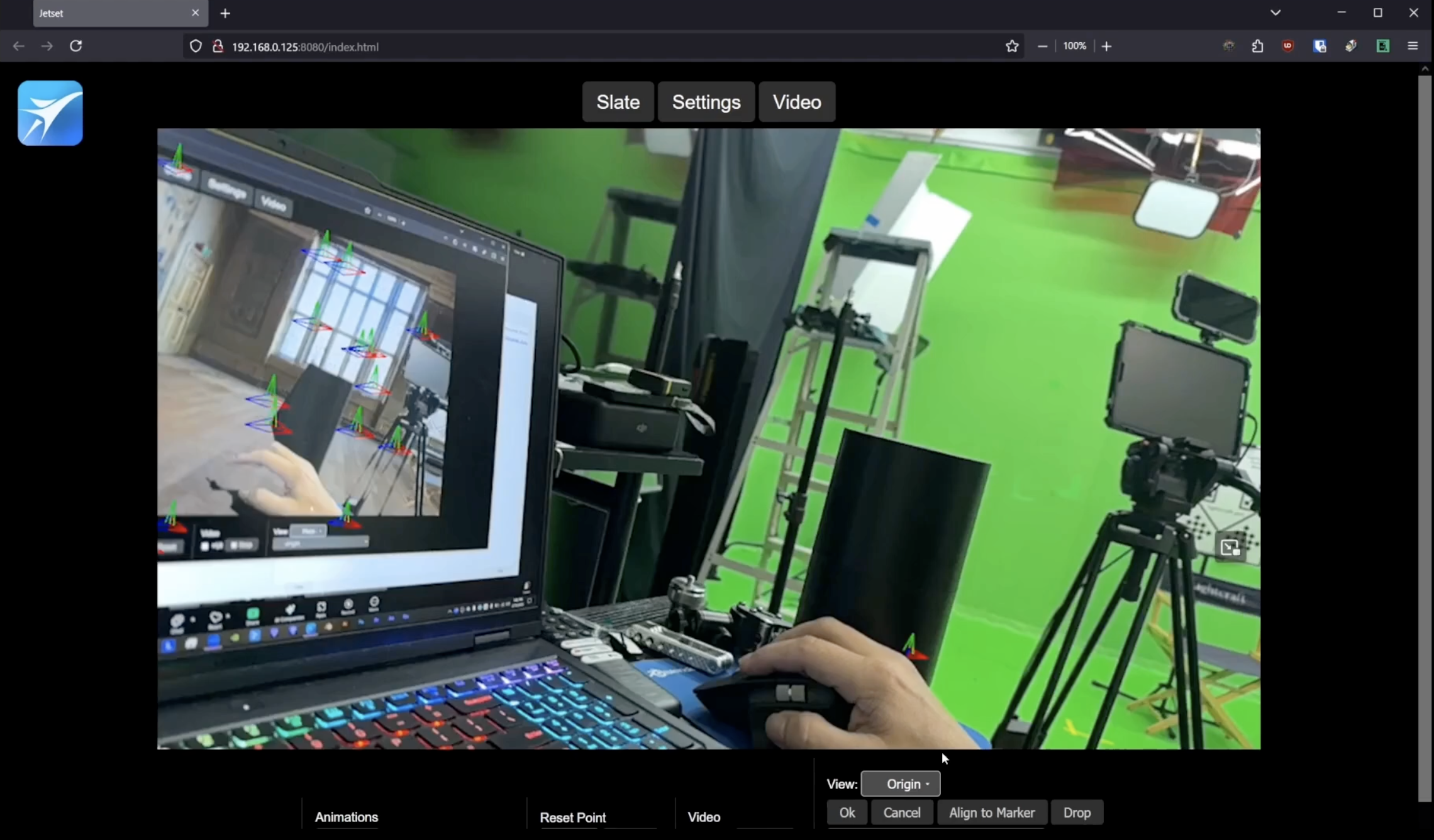
Lightcraft Spark addresses this by providing a common data backbone, utilizing Universal Scene Description (USD) and high-precision tracking to ensure consistency across all departments. The platform allows for real-time collaboration via browsers or mobile devices, meaning a director can workshop a scene with a cinematographer in a shared virtual environment regardless of their physical locations. This "lingua franca" of production ensures that cinematic decisions—such as camera placement, lighting, and blocking—are preserved from the earliest stages of development through to the final export.
By automating the "mundane work" that typically consumes indie budgets, Spark allows small teams to manage hundreds of VFX shots with the efficiency of a major studio. This systematic approach to creativity is what Mack believes will make the platform an indispensable piece of infrastructure for the future of the industry.
The Changing Role of the Hollywood Studio
As filmmakers gain the ability to achieve "Hollywood-adjacent" results with minimal resources, the role of the traditional studio is undergoing a forced evolution. The old model of the studio as a "gatekeeper" and "overseer" is becoming obsolete. Instead, Mack predicts that studios will transition into roles more akin to venture capital firms or supercharged incubators.
In this new ecosystem, the power dynamic flips: rather than creators pitching to studios, studios will increasingly pitch to creators who have already built a following and proved their concept through digital platforms. We are already seeing the early stages of this shift, with major studios like A24 and Focus Features actively scouring Reddit boards and YouTube channels for the "next big thing."
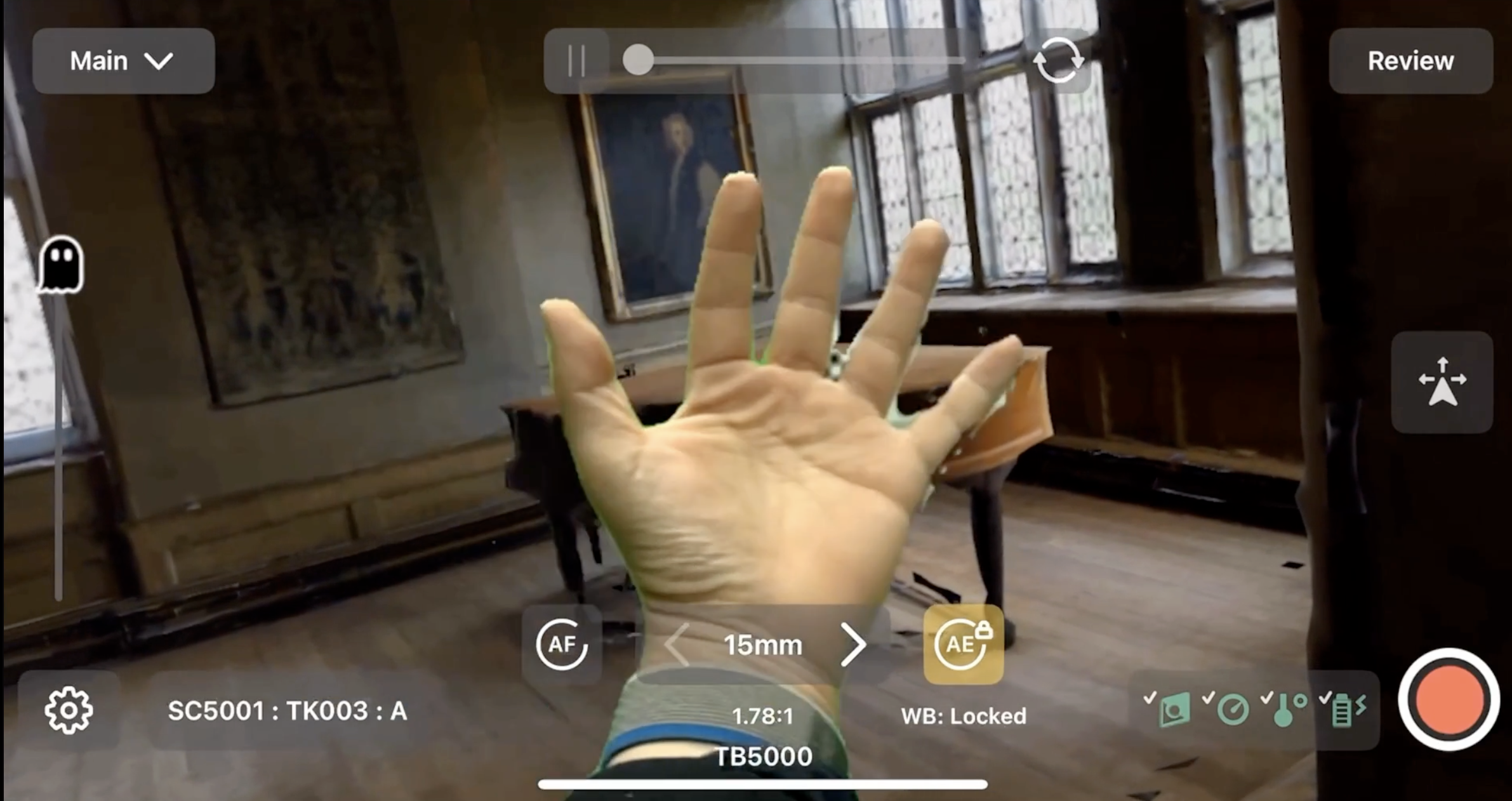
The "seeing is believing" scenario enabled by tools like Spark acts as a permanent screen test for talent. When a filmmaker can show a fully realized 3D rough cut of their project, the financial risk for a partner is dramatically reduced. This allows for a more "equal partnership" between talent and finance, where the talent retains more creative control and a larger share of the backend.
A Five-Year Outlook: The Future of Indie Production
Looking ahead to the next five years, the "typical" indie production will likely look unrecognizable compared to the standards of the last century. The solitary, often grueling process of staring at a blank page will be replaced by a more collaborative and playful "pre-shooting" phase. Filmmakers will workshop scenes in virtual environments, testing locations and shot compositions in tandem with the writing process.
This shift will fundamentally change the pitching process. The "hope and a prayer" method of selling a script will be replaced by the presentation of a visual feeling. When financial backers can see a 3D representation of the film that is "much closer to the finished article," the barriers to funding will lower for those with a clear and executable vision.
Furthermore, the efficiency gains seen in projects like "The Backrooms"—which utilized extensive pre-visualization in Blender to maximize a $10 million budget—will become the industry standard. No production will head to a physical set without a comprehensive, data-driven plan already in place. Post-production will cease to be a "black hole" of time and money, as every shot will be tracked and developed in situ from day one.
Implications for the Global Creative Class
The democratization of filmmaking technology carries profound implications for global storytelling. By lowering the entry price for high-quality production, tools like Spark and Blender are opening the door for voices from underrepresented regions and backgrounds to enter the global marketplace. The "new aesthetic" emerging from viral, low-budget films—often characterized by a raw, immersive, and emotionally resonant style—is proving that technical perfection is less important than creative authenticity.
As these tools become more powerful and intuitive, the distinction between "amateur" and "professional" will continue to blur. The future of cinema belongs to those who can effectively communicate their ideas, regardless of their access to traditional capital. In this new landscape, the "ground truth" of a project resides not in a studio’s ledger, but in the digital collaborative space where story and technology meet.
Ultimately, the shift toward AI-assisted, unified production platforms represents more than just a technical upgrade; it is a liberation of the creative process. By removing the logistical and financial hurdles that have historically stifled innovation, the industry is paving the way for a more diverse, efficient, and vibrant cinematic future. As Eliot Mack suggests, the world is about to get a lot more interesting when the creative class is finally empowered to make the stories they want to make, on their own terms.