Indie Developer Watt Studio Integrates Bolshoi Ballet Artistry with Unreal Engine 5 for the Slavic Action Slasher Tsarevna Age of Tales.

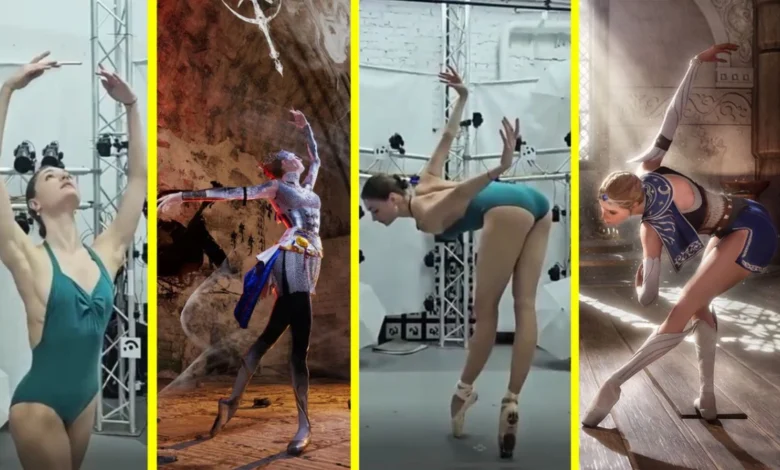
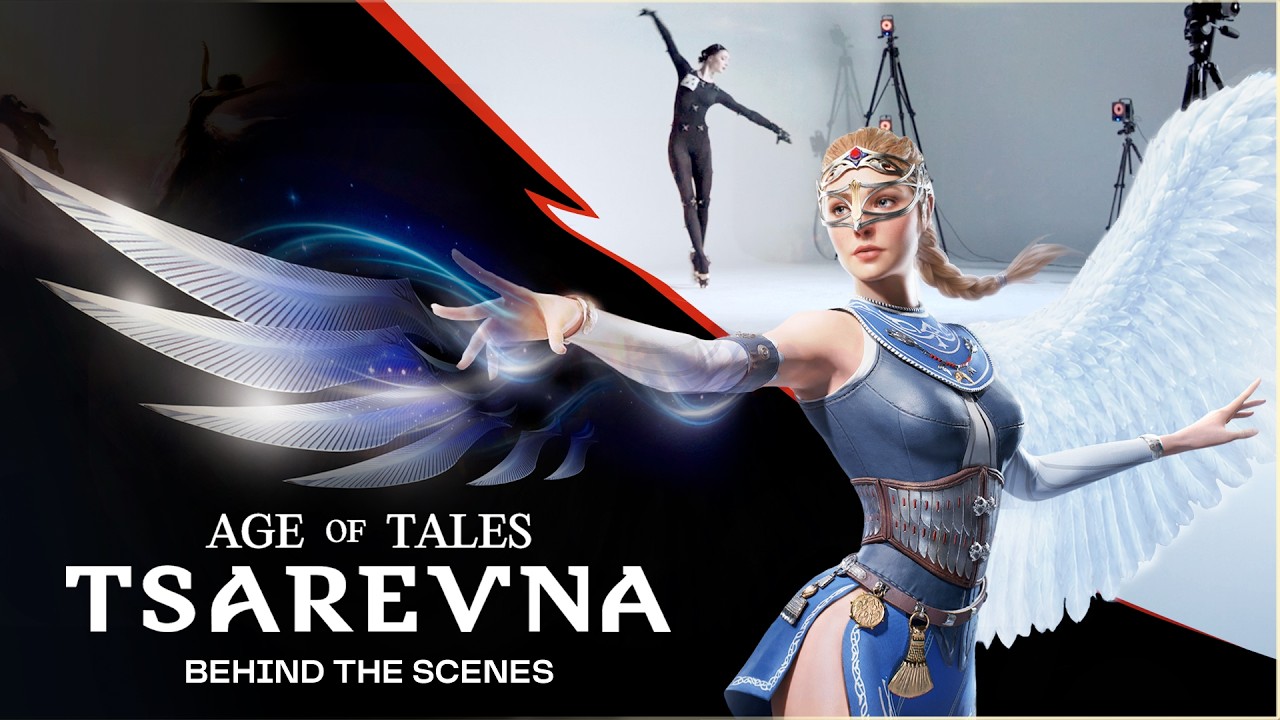
Watt Studio, a Belgrade-based independent game development house, has unveiled a sophisticated approach to character-action mechanics with its upcoming title, Tsarevna: Age of Tales. Built on the high-fidelity Unreal Engine 5, the game distinguishes itself through a combat system rooted entirely in the discipline of traditional Russian ballet. By utilizing advanced motion capture technology in collaboration with a prima ballerina from the world-renowned Bolshoi Theatre, the studio aims to redefine the "hack-and-slash" genre, replacing conventional martial arts animations with the precise, rhythmic, and lethal movements of classical dance.
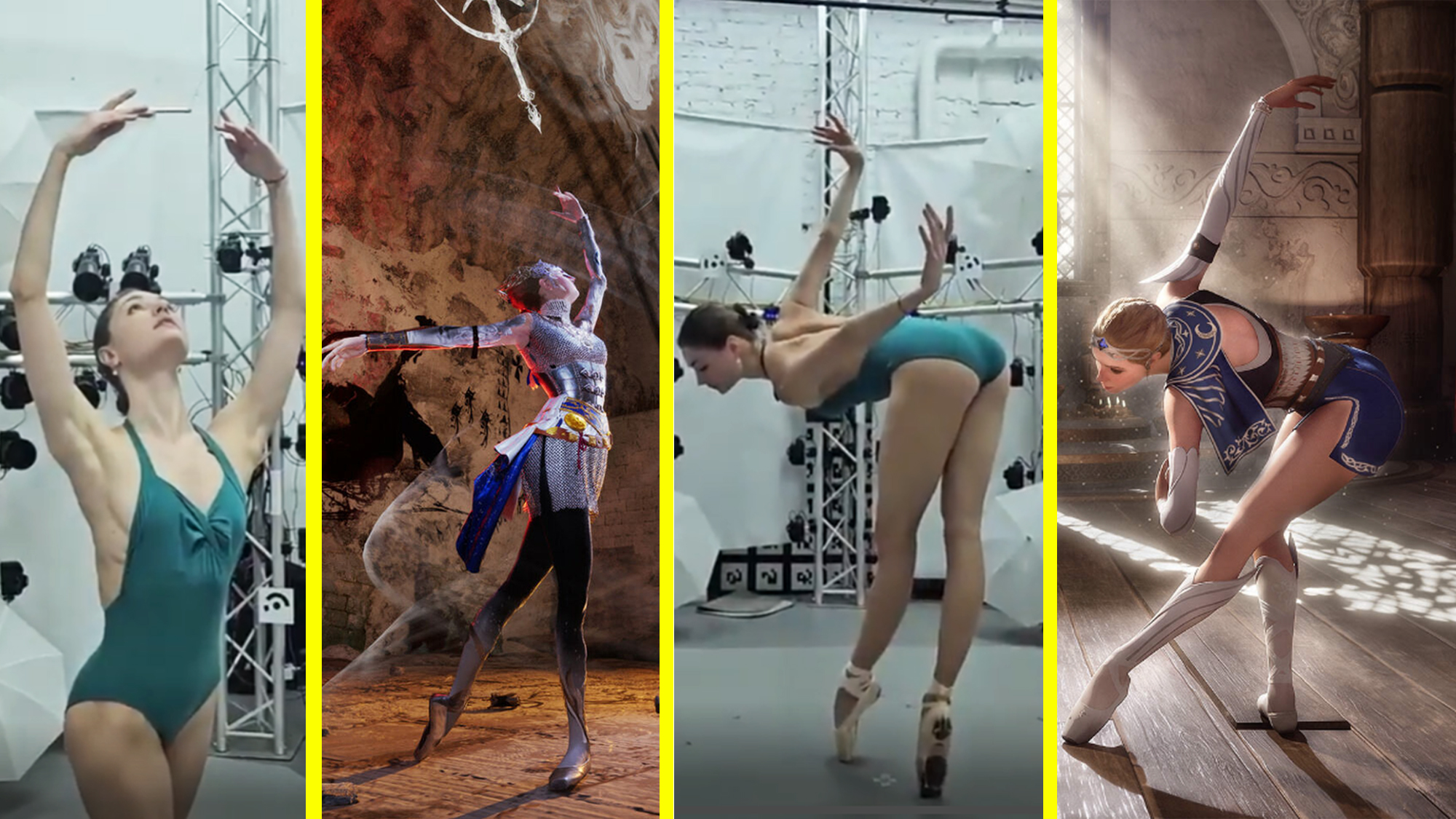
The project represents a convergence of high-technology software engineering and centuries-old performance art. In a genre often dominated by motion-captured stunt performers and martial artists, the decision to employ a Bolshoi dancer marks a significant departure from industry norms. The developers have stated that ballet is not merely a cosmetic layer for the game’s protagonist, the Tsarevna Swan, but the fundamental architecture of her combat efficacy. Every pirouette, step, and transition captured during the recording sessions is translated into a mechanical action, where the centrifugal force of a turn or the extension of a limb generates the energy required to damage adversaries.
Technical Innovation and Motion Capture Methodology
The technical core of Tsarevna: Age of Tales relies on the robust capabilities of Unreal Engine 5, specifically its ability to handle complex skeletal meshes and fluid animation blending. To achieve the level of realism required for a ballet-based combat system, Watt Studio conducted extensive motion capture sessions. These sessions involved filming a prima ballerina performing a wide array of classical maneuvers, including strikes, turns, and intricate footwork.
The challenge for the development team was to ensure that the elegance of ballet did not compromise the responsiveness expected in an action game. Traditional ballet movements are characterized by their fluidity and sustained momentum, which can sometimes conflict with the "frame-perfect" requirements of combat games. To bridge this gap, the studio focused on the physics of the human body. As detailed in the studio’s technical documentation, the combat is built on the concept of "graceful lethality." The animations utilize the natural balance and breath of the dancer to inform the timing of attacks and dodges.
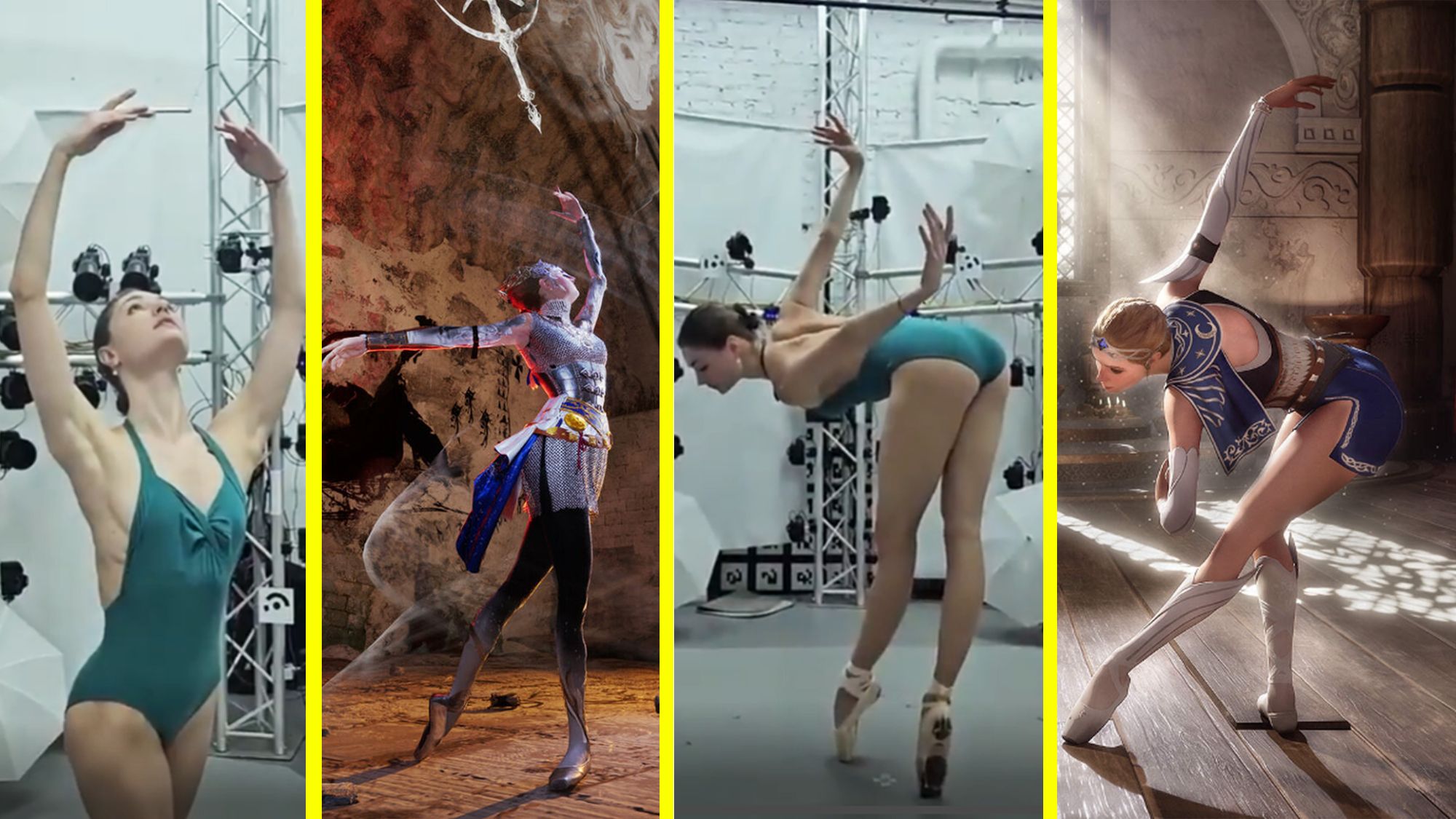
In Unreal Engine 5, these captured movements are enhanced by the engine’s animation blueprint system. The developers are using procedural animation techniques to ensure that the transitions between a combat stance and a high-velocity dance move appear seamless. This ensures that when the player initiates a "devastating blow," it feels like a natural extension of the character’s momentum rather than a disjointed animation clip.
The History and Evolution of Watt Studio
Watt Studio was established in 2018 and has since grown into a mid-sized independent entity with a team of approximately 30 professionals. Based in Belgrade, Serbia, the studio has navigated a diverse path within the creative technology sector. Before venturing into full-scale game development, the studio gained critical experience in the cinematic industry, providing previsualization services for the 2020 science-fiction film Invasion. This background in filmic previsualization provided the team with a deep understanding of camera work, lighting, and character movement—skills that have directly influenced the aesthetic direction of Tsarevna: Age of Tales.
The studio’s first major game release, Hannah’s Day, arrived in 2024. A puzzle-adventure title, it served as a proof of concept for the studio’s ability to manage complex narrative and mechanical structures. With the transition to Tsarevna, the studio is moving into a more technically demanding space, leveraging the latest iteration of Epic Games’ engine to compete with larger AA and AAA productions in terms of visual fidelity and animation quality.
Cultural Context: Slavic Folklore and the Tsarevna
The narrative and aesthetic foundations of the game are deeply embedded in Slavic folklore and Russian imperial history. The title "Tsarevna" refers to the daughter of a Tsar, a designation used in the Russian Tsardom prior to the 18th century. The protagonist, Tsarevna Swan, is a direct nod to the "Swan Princess" motif prevalent in Slavic myth and immortalized in the works of Alexander Pushkin and the music of Pyotr Ilyich Tchaikovsky.
By setting the game in a dark, reimagined version of this historical and mythological period, Watt Studio is tapping into a rich vein of cultural imagery. The game’s world-building combines the opulence of the Tsarist era with a "dark hack-and-slash" atmosphere. This juxtaposition allows for a unique visual style where ornate palaces and traditional costumes meet the grim realities of folklore-inspired combat. The inclusion of ballet serves as a thematic bridge between the royal status of the protagonist and the physical discipline required for survival in the game’s hostile environment.
Combat Mechanics: The Physics of the Dance
The developers have been vocal about their philosophy regarding the game’s combat. In a detailed blog post on the Steam platform, the team emphasized that ballet provides a unique framework for perceiving the world. "Combat is built on more than just attacks, dodges, and status effects," the developers noted. They argued that the fluidity of a step or a turn is what allows a graceful movement to transform into a brutal strike.
In practical gameplay terms, this translates to a system where movement and attack are intertwined. Players will likely need to manage their character’s momentum and positioning with the same precision a dancer uses on stage. This "rhythm-action" hybrid approach suggests that successful combat will require an understanding of the character’s physical state—her balance, her breath, and her orientation. The game generates "energy lines" during these movements, which serve as visual indicators of the damage being dealt to enemies, effectively turning the performance into a weapon.
Broader Industry Impact and the Rise of "Cultural" Action Games
The development of Tsarevna: Age of Tales occurs at a time when the video game industry is increasingly looking toward specific cultural heritages to find fresh mechanical and narrative inspiration. Recent successes in the "soulslike" and character-action genres have shown that players are receptive to games that integrate traditional arts or localized mythologies into their core gameplay loops.
The use of ballet as a combat foundation also highlights a growing trend in the use of high-end motion capture for independent studios. As the cost of entry for motion capture technology decreases and the power of engines like Unreal Engine 5 increases, smaller teams of 30 to 50 people can now produce animations that rival those of major international corporations. Watt Studio’s collaboration with a Bolshoi dancer is a prime example of an indie studio using its agility to secure high-level talent that brings a specific, authentic expertise to the project.
Chronology of Development
The timeline of Tsarevna: Age of Tales reflects the long-term planning required for a high-fidelity indie production:
- 2018: Watt Studio is founded in Belgrade, focusing on cinematic previsualization.
- 2020: The studio completes work on the film Invasion, refining its skills in character animation and engine-based lighting.
- 2021–2023: Conceptualization of a folklore-based action game begins; initial prototypes of the ballet-combat system are developed.
- 2024: The studio releases Hannah’s Day, establishing its reputation in the indie gaming market.
- Late 2024: Watt Studio officially reveals Tsarevna: Age of Tales, showcasing behind-the-scenes footage of the motion capture sessions with the Bolshoi dancer.
- 2025–2026: Full-scale production continues, with a focus on world-building and refining the physics-based animation system.
- 2027: The projected release window for Tsarevna: Age of Tales on PC and potentially next-generation consoles.
Official Responses and Market Expectations
While the game is still several years away from its projected 2027 release, the early response from the gaming community and industry analysts has been one of intrigued observation. The "ballet-slasher" concept is seen as a high-risk, high-reward strategy. If executed correctly, it could provide a level of kinetic satisfaction that distinguishes the game in a crowded market. If the controls feel sluggish due to the length of the dance animations, it may face criticism from the core action-gaming audience.
The developers have addressed these concerns by focusing on the "precision" aspect of the discipline. In their communications, they stress that ballet is "precise yet brutal," suggesting a focus on tight hitboxes and rewarding timing. By wishlisting the game on Steam, players are signaling a growing interest in titles that prioritize unique artistic identities over standardized gameplay tropes.
Implications for Future Game Design
Tsarevna: Age of Tales serves as a case study for the future of "boutique" game development. By focusing on a very specific niche—the intersection of Slavic folklore, classical ballet, and high-octane action—Watt Studio is positioning itself as a developer that values artistic authenticity. The success of this title could encourage other developers to look toward traditional disciplines—such as theater, opera, or classical athletics—to find new ways to animate and conceptualize digital combat.
As the industry moves closer to the 2027 release, the focus will remain on how well the "physics and fluidity of the human body" translate into a satisfying player experience. For now, Tsarevna stands as a testament to the creative possibilities that emerge when traditional high art is fused with the cutting-edge capabilities of modern game engines.