Do We Still Need Build Tools for Frontend Development? A Comprehensive Audit for 2026

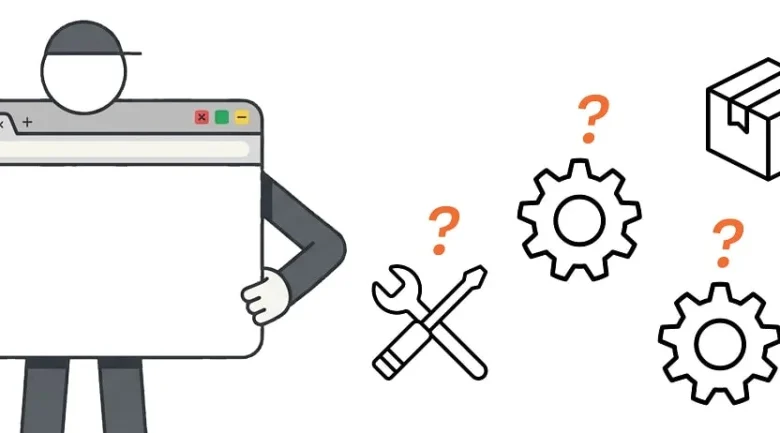
The landscape of frontend web development is in a perpetual state of evolution, with new technologies and methodologies emerging at a rapid pace. This dynamic environment has sparked a critical discussion: are traditional build tools, once indispensable, still a necessity for modern frontend development in 2026? A recent in-depth analysis by Ollie Williams on olliewilliams.xyz delves into this question, providing a feature-by-feature audit of what build tools currently offer and what might be becoming obsolete. The article contends that while some functionalities are becoming less critical, others remain vital, painting a nuanced picture of the "no-build" movement’s practical limitations.
The Shifting Sands of Frontend Tooling
For years, build tools like Webpack, Rollup, and Parcel have been the backbone of frontend workflows. They automate a multitude of tasks, from compiling modern JavaScript to older versions compatible with a wider range of browsers, to bundling assets, optimizing images, and enabling the use of preprocessors like Sass. However, the underlying technologies they serve have also advanced significantly.

Williams’ audit highlights several areas where the necessity of build tools is diminishing:
- Vendor Prefixing: This process, which adds browser-specific prefixes to CSS properties (e.g.,
-webkit-,-moz-), was crucial for ensuring cross-browser compatibility in an era of rapid CSS specification changes. However, modern browsers have largely converged on standard syntax, and Autoprefixer, a common tool integrated into build pipelines, is handling much of this automatically. The need for manual or build-tool-driven vendor prefixing is significantly reduced. Data from caniuse.com consistently shows widespread support for most standard CSS properties without prefixes, a trend that has accelerated in recent years. - ES5 Transpiling: JavaScript’s evolution through ECMAScript standards (ES6, ES7, etc.) introduced powerful new syntax and features. Build tools, through transpilers like Babel, were essential for converting this modern JavaScript into ES5, the de facto standard for broad browser compatibility. However, browser support for newer ECMAScript versions has become robust. By 2026, the percentage of users accessing the web via browsers that do not support ES6+ features is projected to be extremely small, making extensive transpilation less of a critical requirement for many projects. Surveys by organizations like StatCounter indicate a steady decline in users relying on legacy browsers that would necessitate ES5 transpilation.
- Sass Feature Absorption: Sass, a popular CSS preprocessor, offered features like variables, mixins, and nesting. As CSS itself has matured, many of these functionalities have been incorporated directly into the language. CSS Custom Properties (variables), the
@layerdirective for cascading control, and more advanced selector nesting capabilities are increasingly native, reducing the reliance on Sass for basic templating and organization. This evolution lessens the burden on build tools to process Sass files.
The Enduring Relevance of Bundling and Minification
Despite the obsolescence of certain features, Williams’ analysis underscores that build tools remain indispensable for several core functionalities that directly impact performance and developer experience:
- Bundling: Modern frontend applications often consist of numerous JavaScript modules, CSS files, images, and other assets. Build tools excel at bundling these disparate files into a minimal number of larger files. This significantly reduces the number of HTTP requests a browser needs to make, a critical factor in page load times. Even with HTTP/2 and HTTP/3, which improve multiplexing, reducing the sheer number of requests is still a performance win. The complexity of managing dependencies in large applications makes manual bundling impractical and error-prone.
- Minification: This process involves removing unnecessary characters (whitespace, comments, etc.) from code without altering its functionality. Minification dramatically reduces file sizes, leading to faster downloads and improved website performance. This is particularly crucial for mobile users or those on slower network connections. While some code editors offer basic minification, build tools integrate this process seamlessly into the development workflow, ensuring all production assets are optimized.
- Code Splitting and Tree Shaking: Advanced build tools offer sophisticated features like code splitting, which allows applications to be broken down into smaller chunks that are loaded on demand, further optimizing initial load times. Tree shaking, another key optimization, removes unused code from the final bundle, reducing its overall size. These techniques are paramount for building performant, large-scale applications and are difficult to achieve without sophisticated build processes.
- Asset Optimization: Beyond code, build tools can optimize images, fonts, and other static assets, compressing them and converting them to modern formats (like WebP for images) where appropriate, contributing to overall performance gains.
- Development Server and Hot Module Replacement (HMR): Most build tools come bundled with development servers that provide features like live reloading and Hot Module Replacement. HMR allows developers to see the effect of their code changes in the browser almost instantaneously without a full page refresh, dramatically speeding up the development feedback loop. This feature is a significant productivity booster and a core reason why many developers still rely on build tools during the development phase.
The "No-Build" Fallacy and Its Limitations
The allure of a "no-build" approach is understandable. It promises a simpler, more streamlined development experience, free from the often complex configuration of build tools. The rise of native ES Modules in browsers, coupled with advancements in CSS and JavaScript, has made it possible to write and run modern code directly in the browser without an explicit build step for basic functionality.

However, as Williams points out, this "no-build" ideal often breaks down when scaling beyond simple projects or when performance optimization becomes a priority. For applications with a substantial number of modules, complex dependency graphs, or a strong emphasis on user experience through fast load times, the manual effort required to achieve the same level of optimization as automated build tools would be immense and unsustainable.
Consider a scenario where a "no-build" approach is attempted for a large e-commerce platform. Without bundling, hundreds or even thousands of JavaScript modules would need to be requested individually, overwhelming the browser and significantly delaying the display of the site. Manual optimization of every asset would be a Herculean task. While it’s true that modern browsers are more capable of handling modular code, the efficiency gains from bundling and minification at scale are undeniable.
Greptile’s Contribution to Frontend Quality Assurance
In parallel to discussions about build tools, the importance of robust testing and quality assurance in frontend development is also gaining traction. Greptile, a sponsor highlighted in the original content, offers a novel solution with its "Trex" feature. Trex aims to automate the process of identifying frontend bugs by running PR branches in a sandbox environment. It then utilizes browser agents to navigate the UI, simulating user interactions, and captures screenshots and videos as evidence of issues directly within the Pull Request. This proactive approach to bug detection, integrated into the CI/CD pipeline, can significantly reduce the time and effort spent on manual testing and debugging, complementing the efficiency gains provided by optimized build processes.

The Enduring Case for Polyfills
Another area of ongoing debate is the role of polyfills. Anne van Kesteren, a prominent figure in web standards, has expressed concerns that "polyfilling is harmful," suggesting it can lead to developers not fully understanding the underlying capabilities they are relying on, and potentially introducing inconsistencies. However, Lea Verou, in her defense of polyfills, argues that they remain essential for ensuring a consistent and accessible web experience across a diverse range of browsers and devices.
By 2026, while browser support for many features is strong, there will always be a segment of the user base relying on older browsers or devices with limited capabilities. Polyfills bridge these gaps, allowing developers to use modern APIs and features while still providing a functional experience for those who cannot natively support them. Verou’s perspective highlights that polyfills are not merely a crutch but a tool for inclusivity and backward compatibility, enabling the adoption of new web standards without abandoning a significant portion of the audience. This again points to the complexity that build tools can help manage, by selectively injecting polyfills only where needed.
Innovations in CSS and Animation
The articles also touch upon advancements in CSS and frontend animation, areas where build tools can play a role in enabling developers to leverage cutting-edge techniques. Chris Coyier’s exploration of CSS @layer at master.dev offers a pattern for managing CSS specificity. By placing component design tokens within an @layer and keeping scoped styles unlayered and strong, developers can avoid specificity wars. While @layer is a native CSS feature, build tools can assist in organizing and processing complex CSS architectures that utilize such directives.

Josh W Comeau’s tutorial on building a "Magical" 3D Button demonstrates how modern animation techniques can elevate user interfaces. Creating visually engaging and interactive elements often involves complex JavaScript and CSS, which can benefit from the optimization and bundling capabilities of build tools to ensure smooth performance. The ability to efficiently manage and deliver these rich interactive experiences is where the synergy between advanced frontend techniques and robust build processes becomes evident.
Color.js 0.7: A Step Towards Serious Color Management
The release of Color.js 0.7, as detailed in Lea Verou and Chris Lilley’s announcement, signifies a move towards more rigorous color management in web development. This library, designed for working with colors in the browser according to the latest specifications, offers support for numerous color spaces, improved gamut mapping, and smarter fallbacks. While Color.js itself is a JavaScript library, its integration into a project, especially one requiring precise color handling and cross-browser consistency, would likely benefit from the asset management and optimization provided by build tools. Ensuring that these advanced color features are delivered efficiently and consistently across all target browsers is a task that build tools are well-equipped to handle.
Conclusion: A Pragmatic Approach to Frontend Tooling
The discussion around the necessity of build tools in frontend development is not a binary one. While certain functionalities they once provided are now native to browsers and CSS, others remain critically important for performance, maintainability, and developer productivity. In 2026, the "no-build" approach may be viable for very simple projects or for quick prototyping, but for any application of significant scale or complexity, the advantages offered by robust build tools—bundling, minification, code splitting, tree shaking, and efficient development server features—are too substantial to ignore.

The evolution of frontend development is not about discarding tools but about understanding their evolving roles. Build tools are adapting, becoming more intelligent and efficient. The focus has shifted from simply transpiling and bundling to enabling sophisticated optimizations and improving the developer experience. As the web continues to demand richer, more performant, and more accessible experiences, a pragmatic approach that leverages the strengths of both modern browser capabilities and sophisticated build tooling will likely remain the most effective path forward. The ongoing dialogue, exemplified by the analyses from Ollie Williams, Lea Verou, and others, is crucial for guiding developers towards these efficient and effective solutions.