Amazon OpenSearch intelligent ingestion simplifies enterprise data transformation for generative AI applications

The vast majority of corporate institutional knowledge remains locked within a fragmented ecosystem of unstructured and semi-structured documents. From complex legal contracts and technical product manuals to exhaustive research reports, support runbooks, and mandatory financial filings, this data represents the lifeblood of modern enterprise decision-making. Historically, however, bridging the gap between this static content and the dynamic requirements of Generative AI (GenAI) and Retrieval Augmented Generation (RAG) applications has proven to be a significant engineering hurdle. Organizations have often spent weeks, if not months, architecting, maintaining, and scaling custom ingestion pipelines, only to face ongoing challenges with data consistency and infrastructure reliability.
Addressing this systemic bottleneck, Amazon Web Services (AWS) has announced the launch of Amazon OpenSearch intelligent ingestion, a fully managed, serverless capability integrated directly into Amazon OpenSearch Serverless (NextGen). By removing the necessity for manual pipeline construction, this feature seeks to democratize access to high-value data, allowing organizations to pivot from infrastructure maintenance to the deployment of sophisticated search and generative AI experiences.
The Evolution of Data Ingestion Architecture
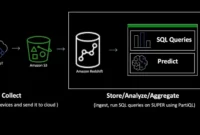
For years, the standard approach to indexing enterprise data required a multi-stage, high-maintenance architecture. Typically, this involved triggering event-based workflows where raw data from Amazon Simple Storage Service (Amazon S3)—such as PDFs, Word documents, Markdown files, or JSON-based logs—would be extracted by specialized compute instances. These instances would then parse the files, chunk the text into semantically relevant segments, generate vector embeddings using machine learning models, and finally load the results into a vector database.
Each layer of this legacy process introduced unique points of failure. Engineers had to manage compute scaling, handle memory constraints for large documents, and monitor the health of disparate services. If a single stage in the pipeline stalled, the entire data freshness lifecycle could be compromised. The complexity was not merely technical but operational, as organizations struggled to predict capacity needs for unpredictable document volumes.
The introduction of intelligent ingestion marks a paradigm shift by abstracting the entire lifecycle into a unified, serverless service. By shifting the burden of orchestration to the platform, AWS effectively converts the process of data ingestion from a specialized engineering project into a configuration-driven task.
How Intelligent Ingestion Functions
The new capability operates directly within Amazon OpenSearch Serverless (NextGen) collections. When a user points the service to a specific S3 bucket, the intelligent ingestion engine takes over the entire end-to-end process. This includes discovering content, parsing various file formats, performing image recognition to derive context from non-textual elements, chunking long-form text, generating high-dimensional vector embeddings, and indexing the final output.
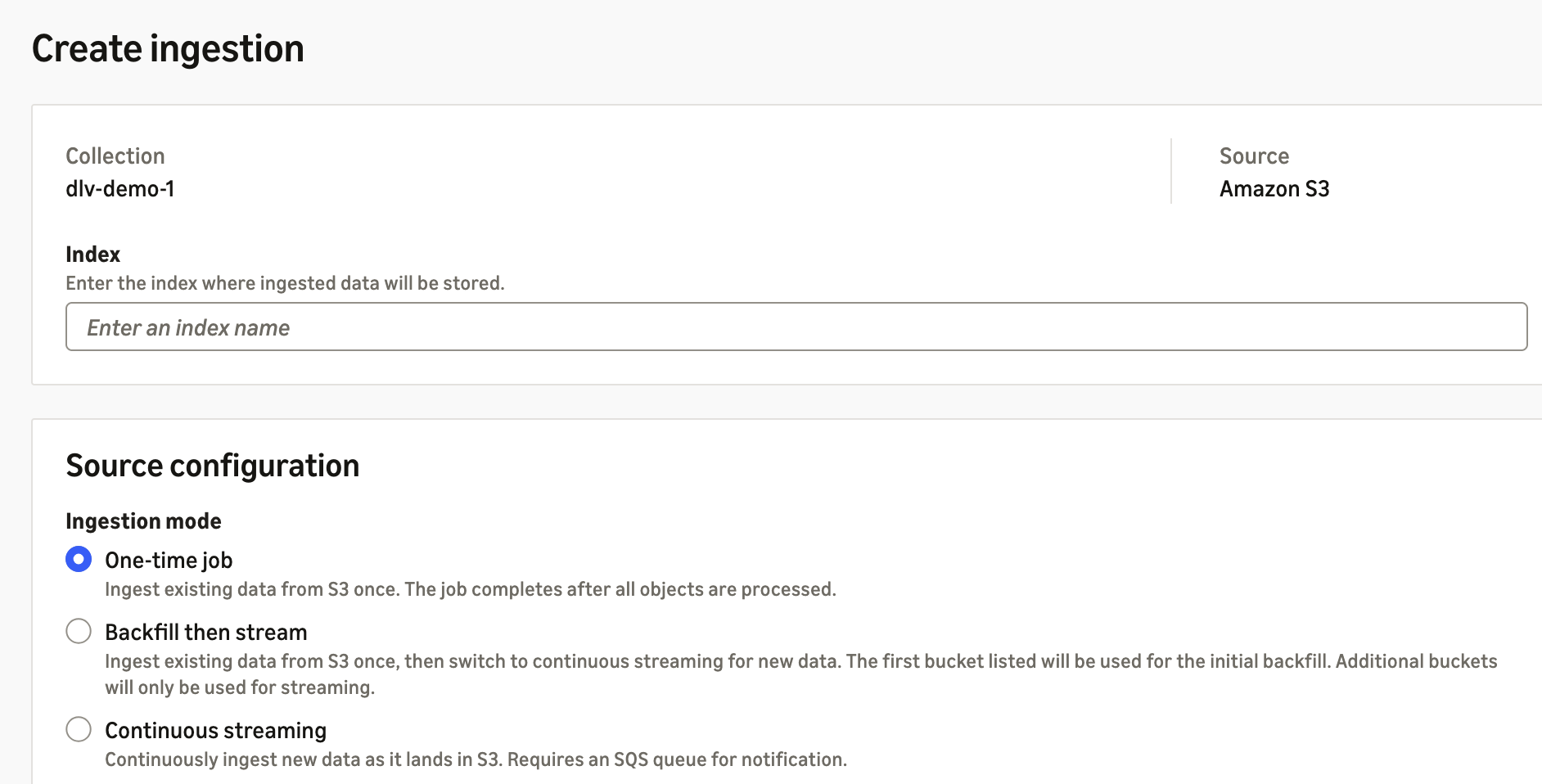
This workflow is divided into two primary modes designed to accommodate different data lifecycle requirements:
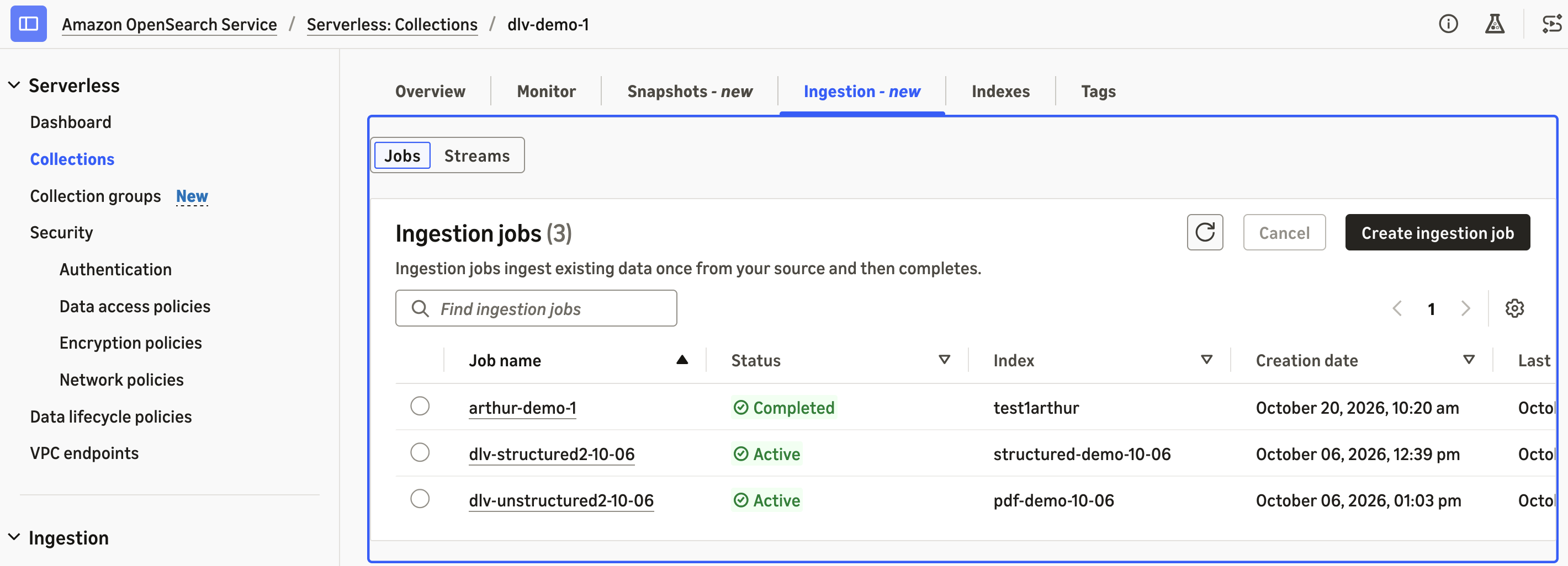
- Ingestion Jobs: These are purpose-built for fixed datasets, such as initial migrations, one-time backfills, or proof-of-concept deployments. Once the specified data is processed, the job completes and terminates, ensuring no idle compute resources remain active.
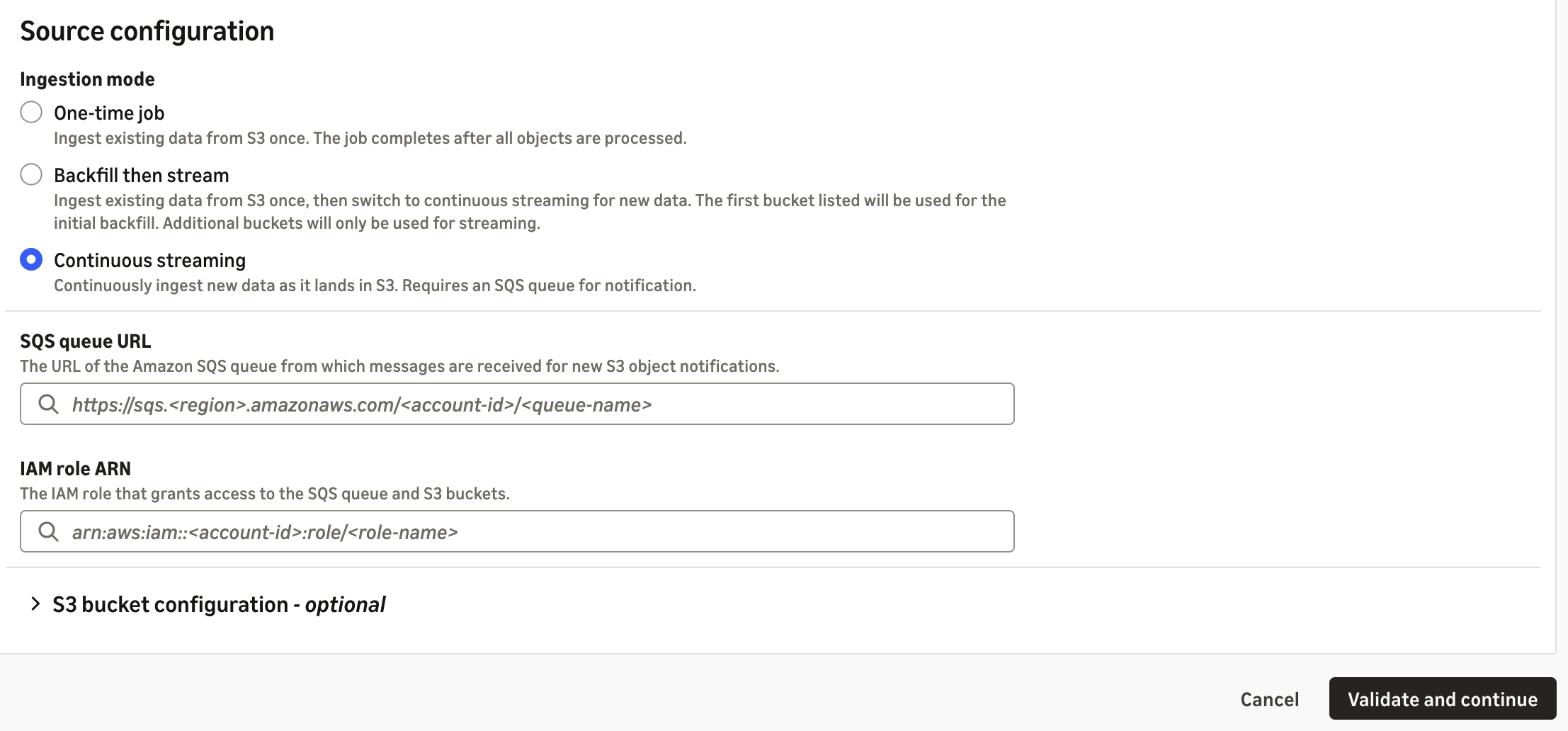
- Ingestion Streams: Tailored for dynamic environments where data is constantly being updated or added, this mode monitors S3 for new objects via Amazon SQS notifications. It ensures that the OpenSearch index remains synchronized with the source, making it ideal for knowledge bases or document libraries that require real-time updates.
A unique feature of this release is the "Backfill then stream" capability. This hybrid approach allows organizations to perform an initial bulk migration of historical documents while simultaneously configuring a continuous stream to capture future incoming data, providing a seamless transition from legacy storage to modern, RAG-ready search indexes.
Economic and Operational Impact
From a cost-management perspective, the service adheres to a "pay-for-what-you-use" model. For structured data like JSON or log files, the service utilizes standard OpenSearch Compute Units (OCUs) only while the ingestion worker is active.
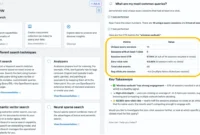
The processing of unstructured data—which involves higher computational intensity—is also handled within the same OCU framework. Internal benchmarks provided by AWS indicate that a single OCU can process approximately 600 PDF pages per hour. At standard rates (e.g., $0.24 per hour in the US East/N. Virginia region), this results in an operational cost of roughly $0.40 per 1,000 PDF pages.
The inclusion of image understanding adds a layer of depth to the search experience. By leveraging the Amazon Nova 2 Lite model, the service can translate visual content within documents into semantic representations. This ensures that charts, diagrams, and photos are not simply ignored during the indexing process but are instead indexed as meaningful data. The cost for this, consistent with standard Amazon Bedrock pricing, is approximately $1.40 per 1,000 images, providing a predictable cost structure for organizations scaling their RAG initiatives.
Broader Implications for Enterprise AI
The release of intelligent ingestion is a strategic maneuver by AWS to accelerate the adoption of RAG architectures. By reducing the time-to-value for indexing, organizations can iterate on GenAI applications at a significantly higher velocity. The ability to handle diverse data types—from logs and audit trails to complex research documentation—within a single workflow allows for a unified "data intelligence" strategy.
Analysts observing this trend note that the simplification of data pipelines is essential for the democratization of AI. When engineers are freed from the "plumbing" of data ingestion, they can devote more resources to optimizing the retrieval logic, improving the quality of prompt engineering, and fine-tuning the models themselves. This, in turn, leads to higher-quality responses from generative AI assistants, as the underlying knowledge base is more accurately structured and more consistently updated.
Implementation and Security
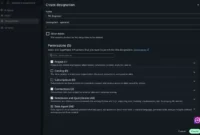
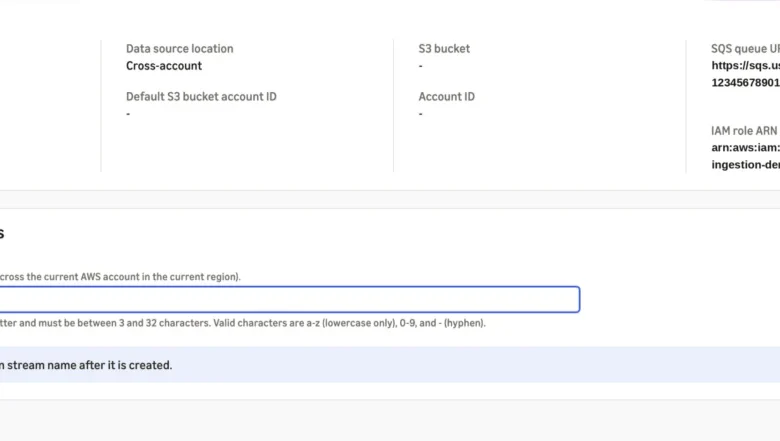
Security remains a primary focus, with the service supporting cross-account access. By leveraging IAM roles and Amazon SQS queues, organizations can securely ingest data from buckets located in different AWS accounts, a common requirement for large enterprises with decentralized IT environments.
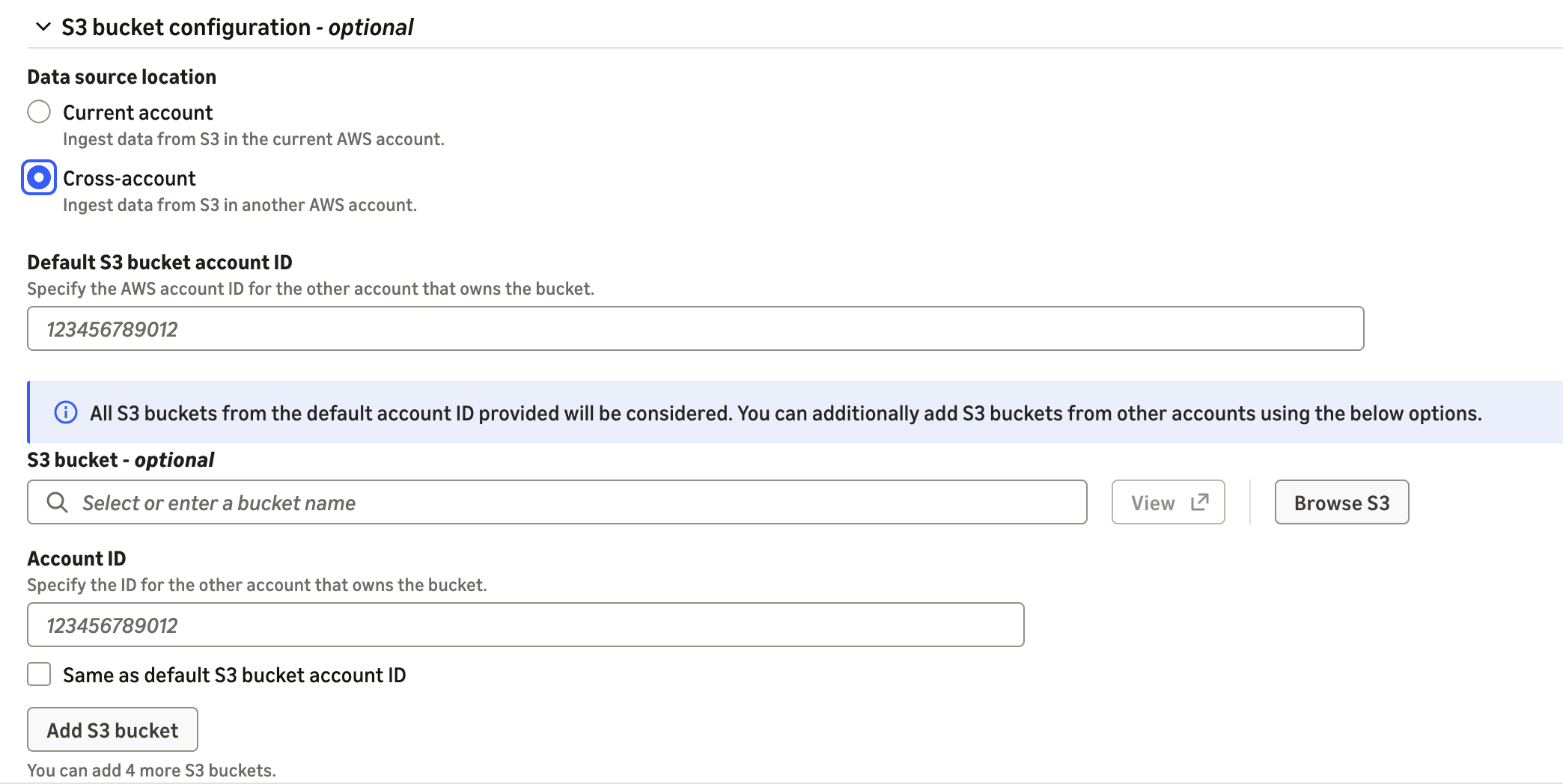
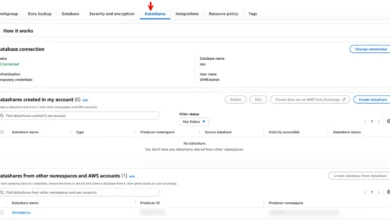
The configuration process is largely handled via the Amazon OpenSearch Service console, which now features a dedicated "Ingestion" tab. Users can perform validation checks to ensure proper permissions and connectivity before committing to a full-scale ingestion job. Once initiated, the dashboard provides granular visibility into the progress of the operation, displaying metrics such as the number of documents scanned and indexed.
Conclusion and Future Outlook
As of the latest announcement, Amazon OpenSearch intelligent ingestion is available in six major AWS regions. The move signals a clear intent by AWS to solidify OpenSearch as the primary vector database destination for organizations already operating within the Amazon ecosystem.
For many enterprises, the barrier to AI implementation has never been a lack of data, but rather the difficulty of making that data machine-readable. By providing a managed, serverless pathway to convert massive repositories of unstructured documents into searchable, vector-ready intelligence, AWS has provided a critical piece of the puzzle for businesses looking to harness the full potential of their existing digital assets. Whether for maintaining compliance-heavy audit logs or building high-performance customer support bots, the capability represents a significant maturation of the infrastructure supporting the generative AI revolution. Organizations are encouraged to begin with small-scale batch jobs to validate their ingestion logic before moving toward continuous, stream-based production environments.