Bridging the Data Divide: Integrating Snowflake with Amazon SageMaker Unified Studio for Seamless Governance

In the modern enterprise landscape, the proliferation of hybrid data environments has created a significant operational bottleneck for organizations attempting to unify their analytics strategies. As critical business assets increasingly reside in Snowflake data warehouses while sophisticated analytics workloads are deployed within Amazon Web Services (AWS), technical teams have historically faced substantial friction. This fragmentation often manifests as "governance gaps," where data discovery becomes labor-intensive, and redundant ETL (Extract, Transform, Load) processes lead to massive duplications of effort. To address these challenges, the introduction of Amazon SageMaker Unified Studio, bolstered by integrated cataloging and AWS Glue Data Quality, provides a streamlined mechanism to govern, validate, and catalog federated data without the traditional overhead of moving or replicating sensitive information.
The Evolution of Federated Data Management
For years, the standard approach to cross-platform data utilization involved complex pipelines designed to extract, move, and store data in a centralized repository—a process that is not only time-consuming but also introduces risks regarding data freshness and security compliance. In many enterprise settings, the manual cataloging of Snowflake-resident data has historically required days of engineering effort to ensure the metadata accurately reflects the underlying data structures.
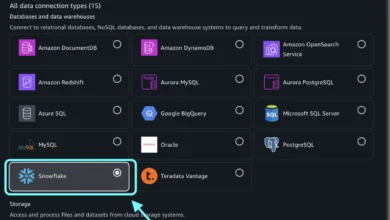
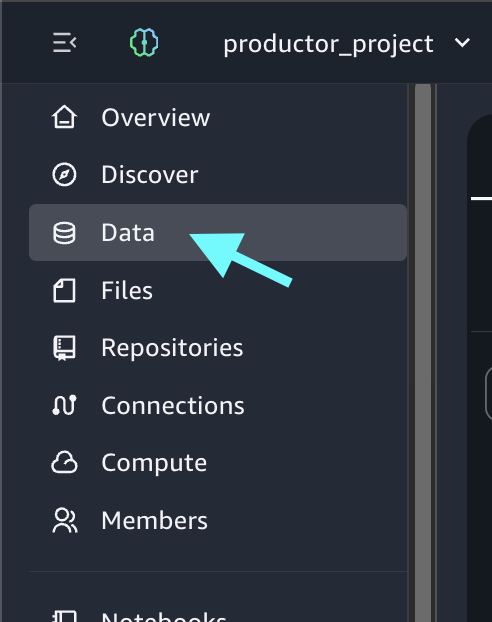
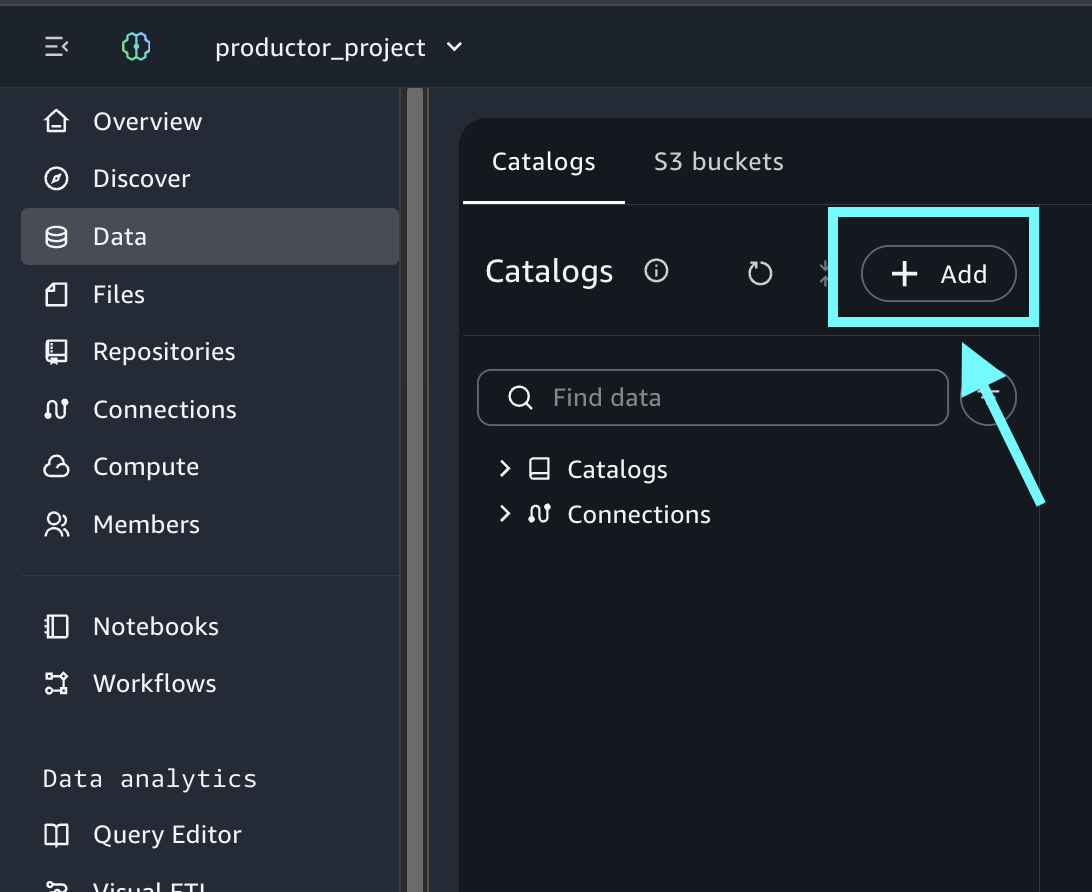
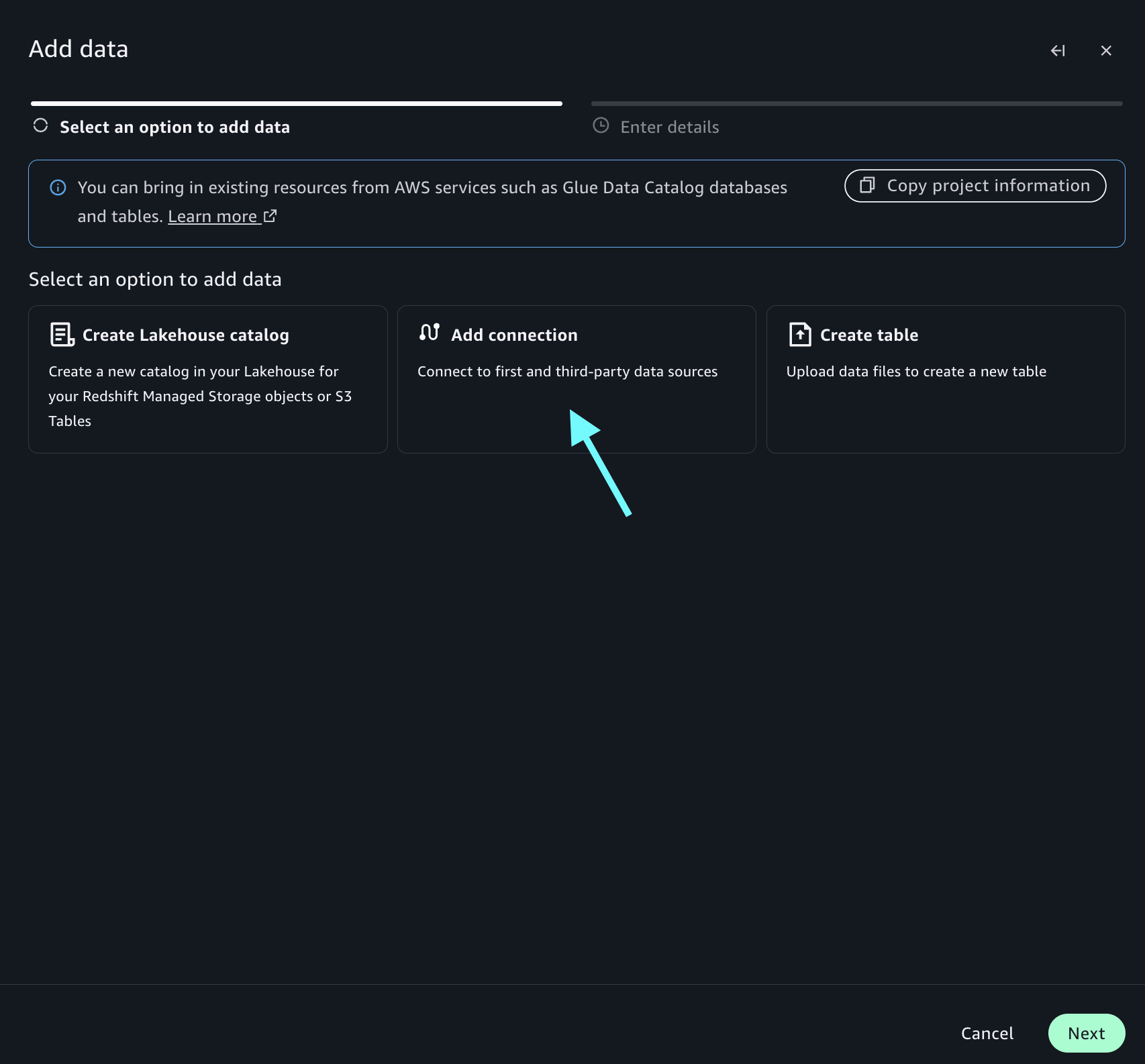
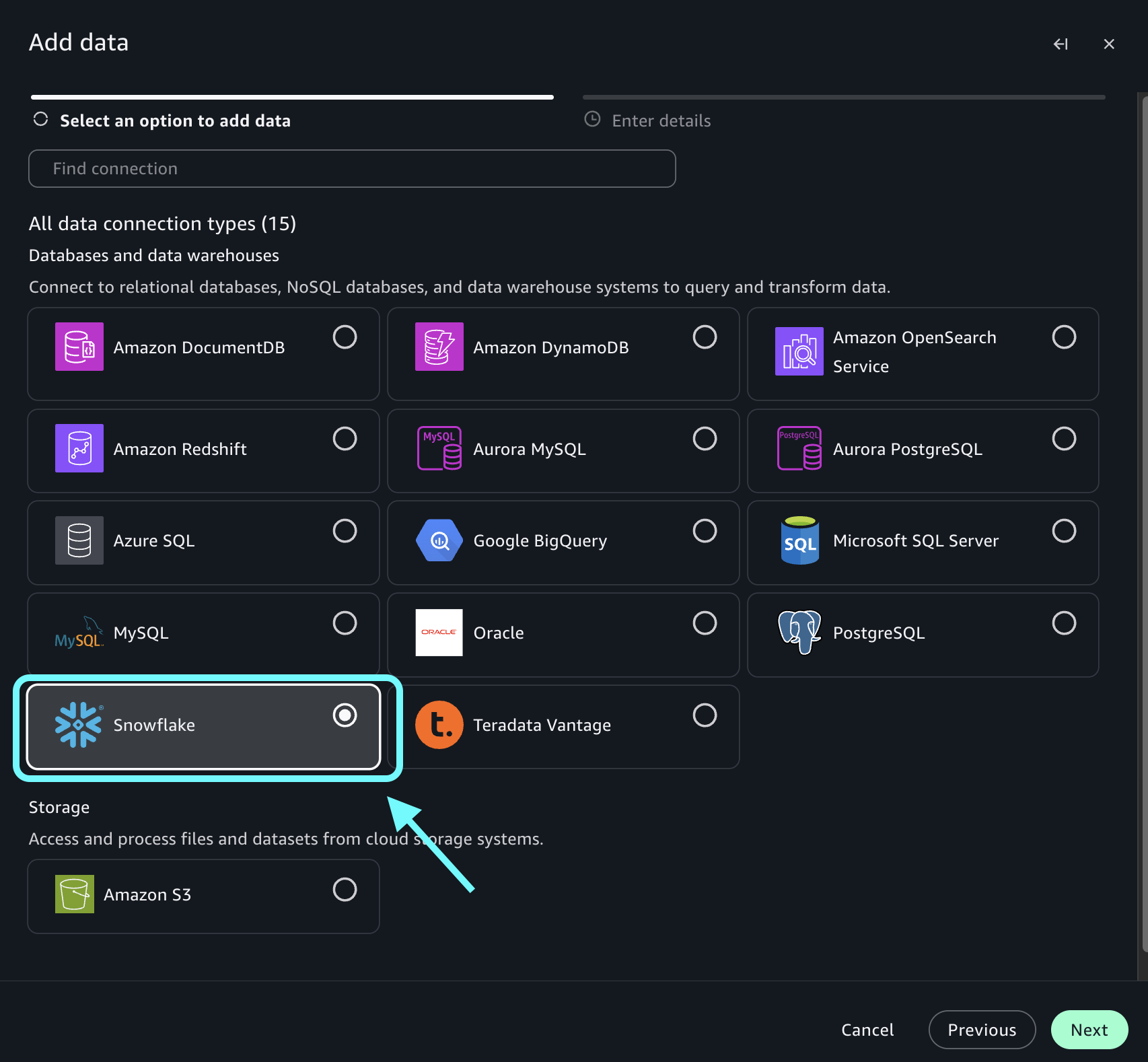
The current shift toward federated data management represents a maturation in cloud architecture. By leveraging Amazon SageMaker Unified Studio, organizations can now connect directly to Snowflake tables, effectively treating the remote warehouse as a first-class citizen within the AWS ecosystem. This capability effectively collapses the "discovery-to-action" timeline from several days to a mere 15-minute window, fundamentally changing the economics of data preparation for machine learning and business intelligence teams.
Architectural Framework and Operational Mechanics
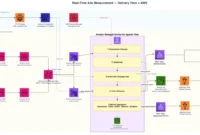
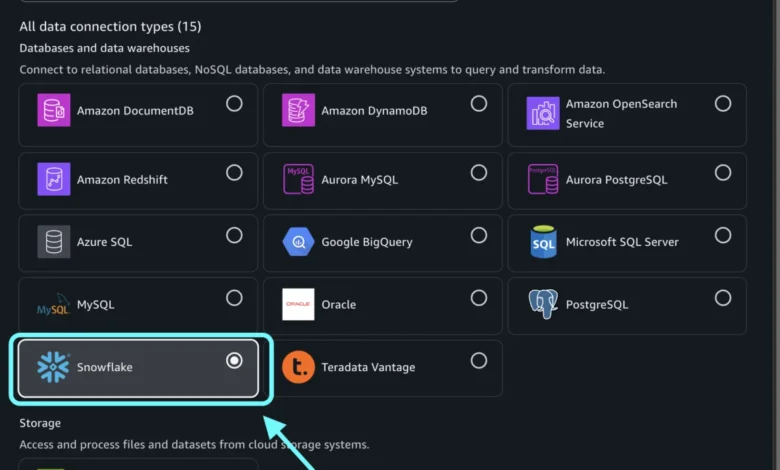
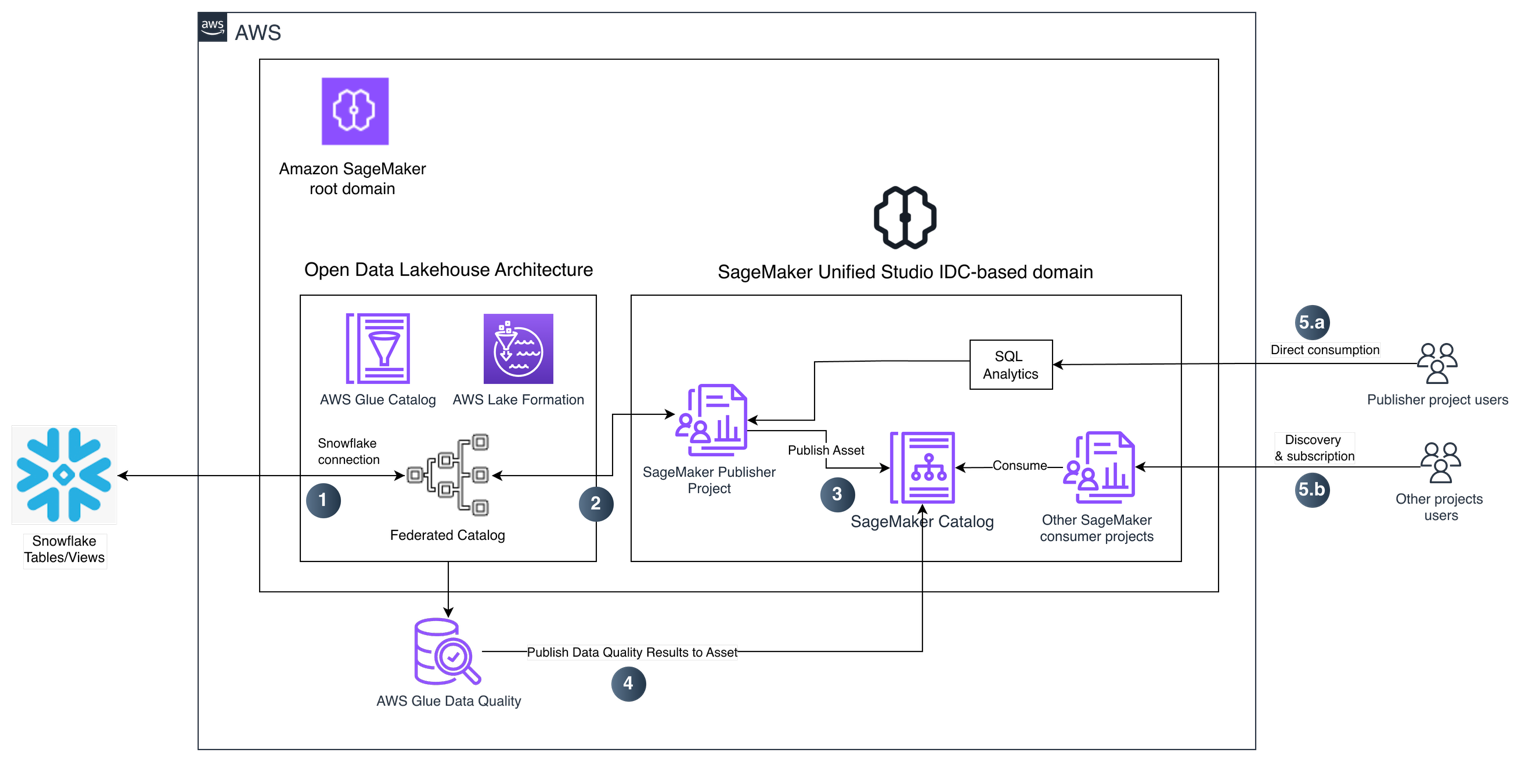
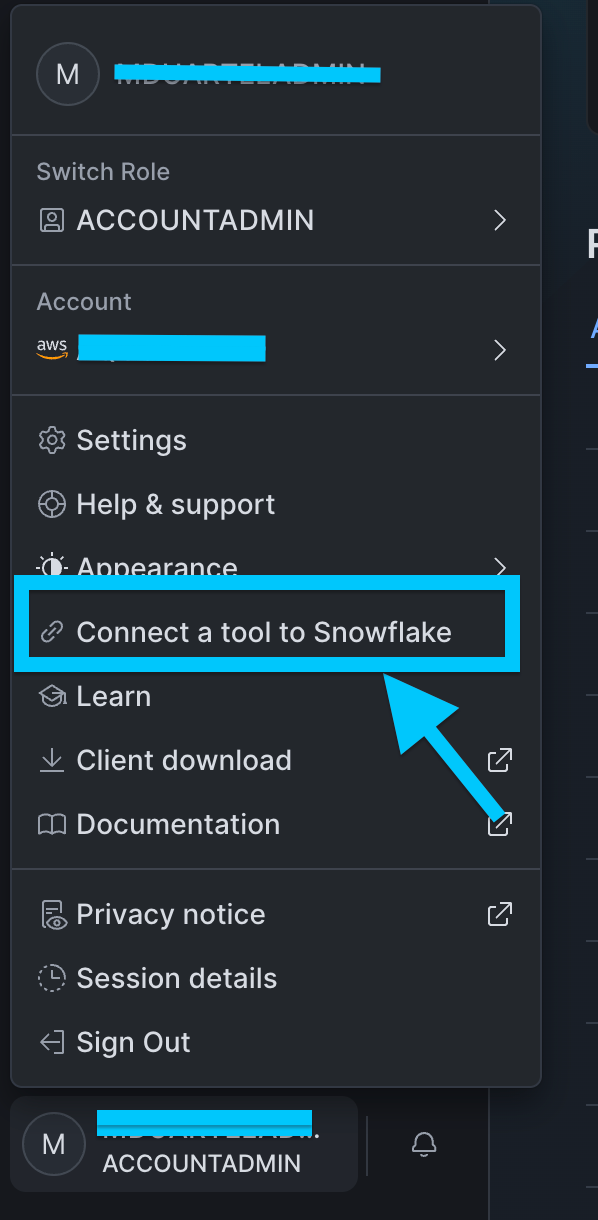
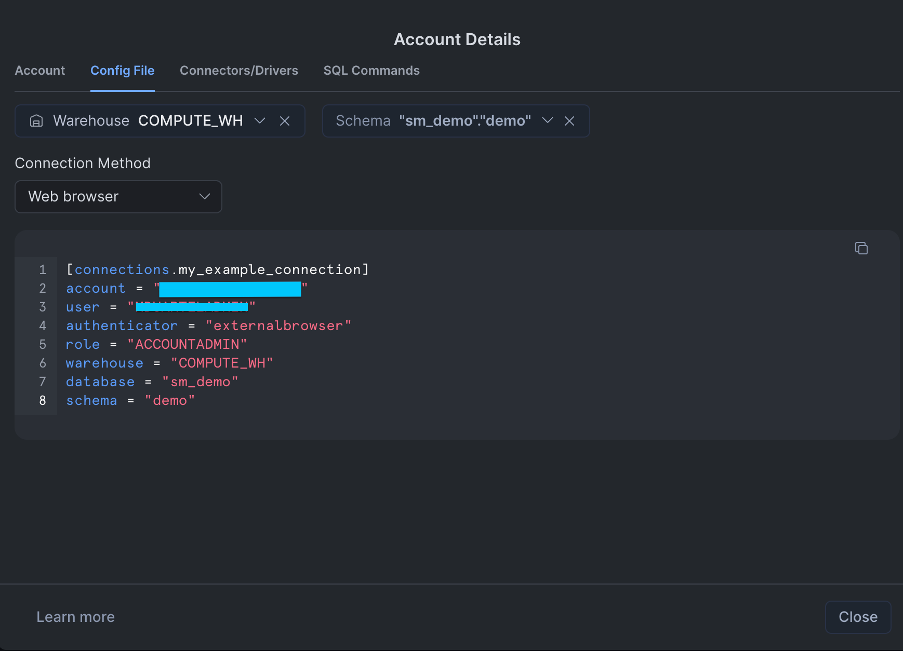
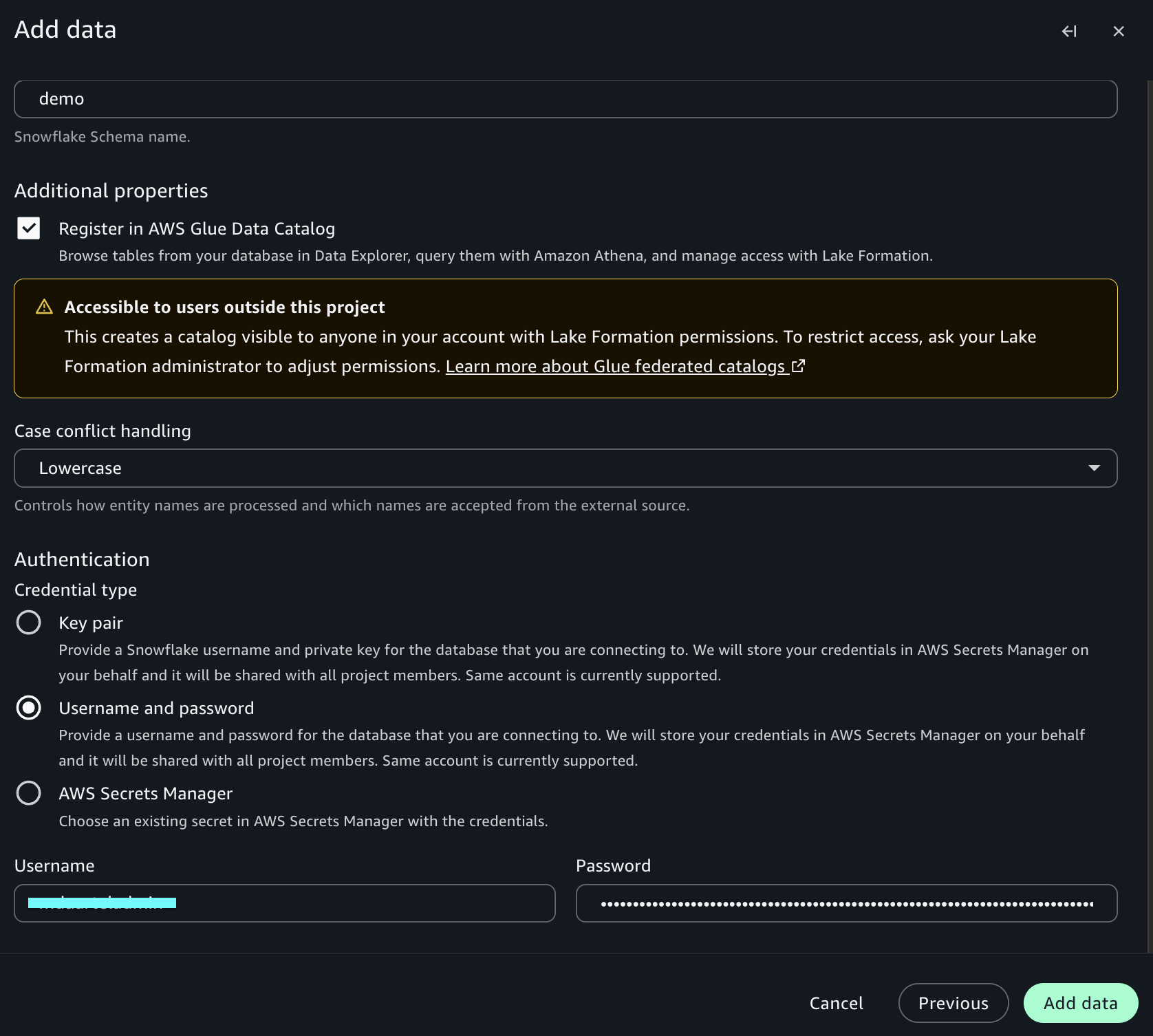
At the core of this integration is the use of AWS Glue as a federation engine. When a user initiates a connection, Amazon SageMaker Unified Studio utilizes AWS Glue to bridge the cataloging gap, allowing Snowflake tables to appear as native assets within the project catalog. This is achieved without requiring storage configuration changes or intermediate data staging.
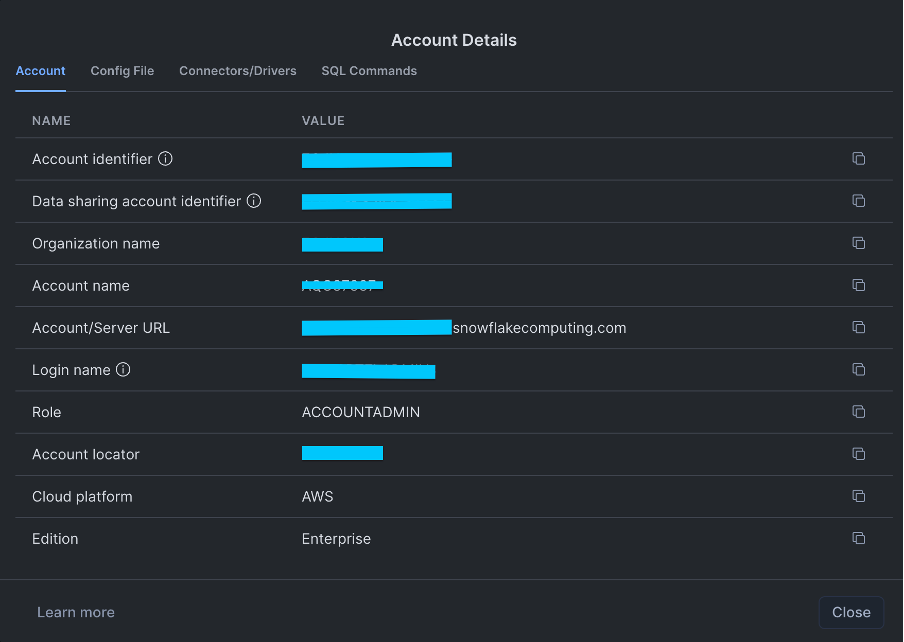
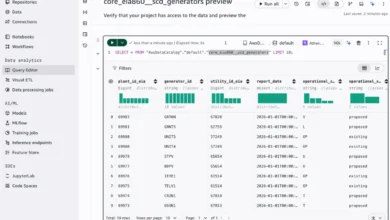
From a technical standpoint, the workflow relies on Amazon Athena as the underlying query engine. When an analyst or data scientist executes a SQL query against a Snowflake-backed table within SageMaker, Athena interprets the request, facilitates the connection to Snowflake, and pushes the compute down to the source. This "push-down" methodology ensures that only the final, filtered result set travels across the connection, preserving the integrity of the data while optimizing performance. By maintaining the data in its original environment, organizations ensure that governance policies defined within Snowflake remain intact, while the metadata—enriched with quality scores—is surfaced within the broader AWS environment.
Enhancing Trust Through Data Quality Validation
One of the most critical aspects of this integration is the application of AWS Glue Data Quality to federated assets. In large-scale organizations, data consumers often struggle to distinguish between high-quality, production-ready datasets and experimental or deprecated data. By configuring validation rules using Data Quality Definition Language (DQDL), teams can automate the verification of data against business logic—such as checking for null values, schema consistency, or threshold adherence—before the data is ever used in a model or report.
Once these checks are processed via an AWS Glue Visual ETL pipeline, the resulting quality scores are published directly to the Amazon SageMaker Catalog. This provides a "trust score" for data, allowing consumers to assess the reliability of a dataset at a glance. This shift from reactive to proactive data quality management is vital for maintaining compliance and accuracy in automated decision-making systems.
Prerequisites and Security Configuration
The implementation of this integration requires careful attention to identity and access management (IAM). To ensure the security of the federated environment, the AWS Glue job execution role must be granted specific permissions to interact with the SageMaker Catalog, including the ability to search listings and post time-series data points.
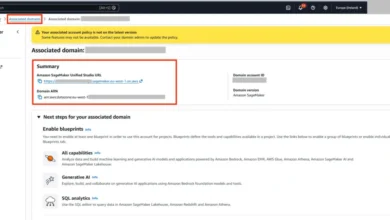
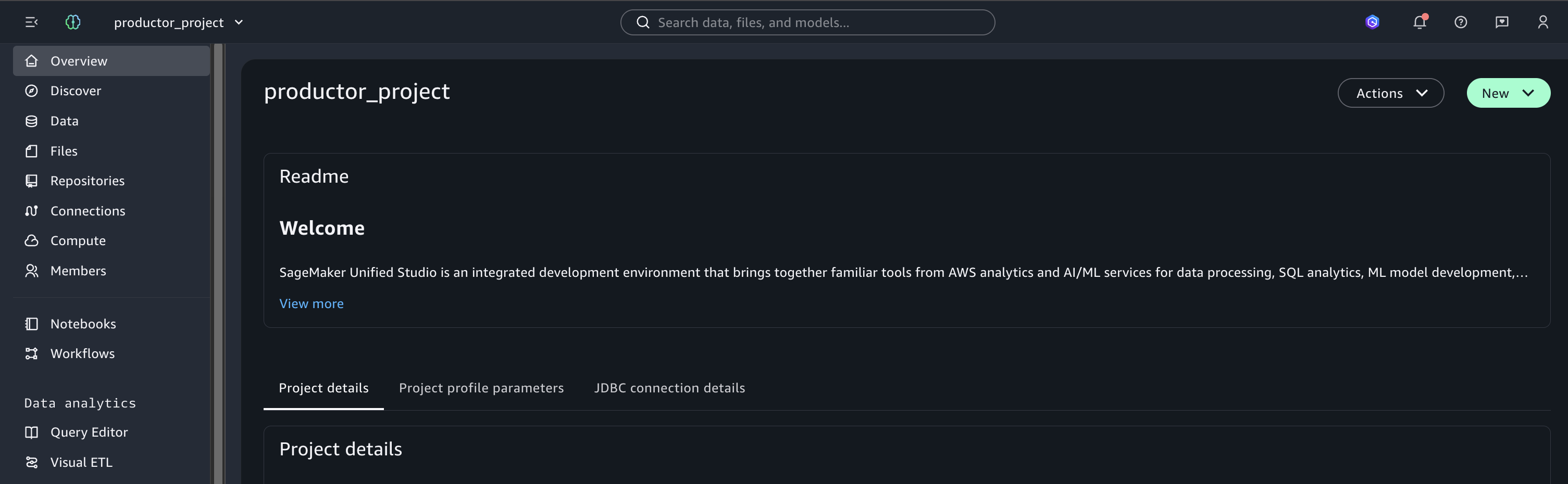
Organizations must configure the Glue job role as a designated domain user within the Amazon SageMaker console. Furthermore, by assigning the role as a project member with owner permissions, administrators ensure that the data pipeline has the necessary authorization to perform cataloging operations. These security configurations are not merely technical hurdles but essential components of a robust, compliant data governance framework.
Strategic Implications for the Enterprise
The ability to maintain a "single source of truth" across disparate cloud platforms has profound implications for corporate data strategy. First, it eliminates the "data gravity" trap, where companies feel forced to migrate all data into a single vendor’s ecosystem simply to perform analysis. By keeping data in Snowflake while cataloging it in AWS, firms retain the flexibility to choose the best-in-class tools for specific tasks without incurring the technical debt of mass migration.
Second, the reduction in ETL complexity leads to significant cost savings. The resources previously allocated to building and maintaining custom extraction scripts can be redirected toward higher-value initiatives, such as developing predictive models or refining customer experience analytics.
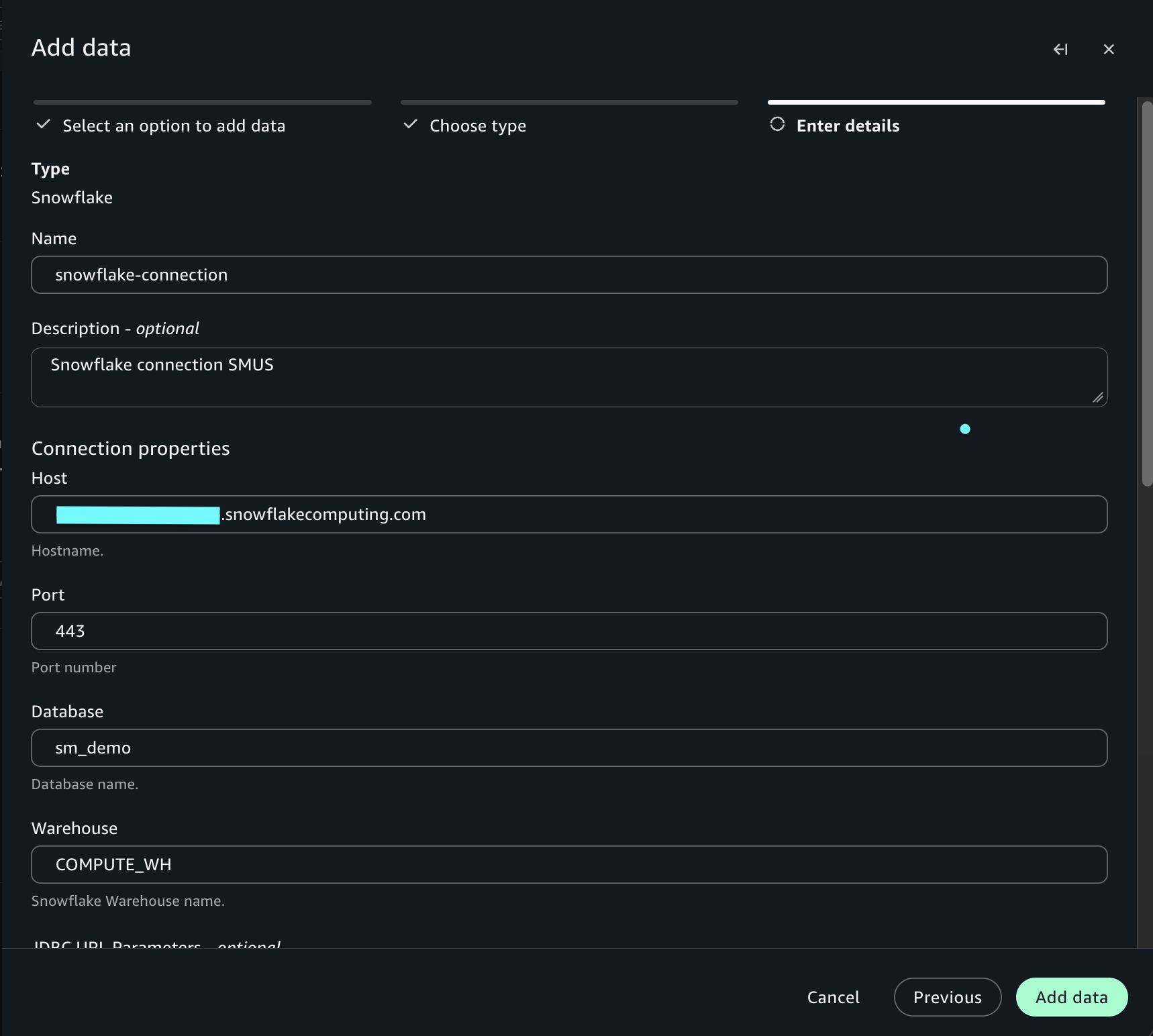
Finally, the democratization of data discovery—whereby analysts can find, validate, and subscribe to datasets without needing deep-level permissions in the source warehouse—accelerates the speed of organizational decision-making. By surfacing quality-checked, federated assets in the Amazon SageMaker Catalog, organizations create a self-service culture that empowers employees while maintaining centralized oversight.
Looking Ahead: The Future of Distributed Data Governance
As the industry continues to move toward decentralized data architectures, the demand for "zero-move" integration will only intensify. The integration of Snowflake with Amazon SageMaker Unified Studio serves as a blueprint for how legacy silos can be integrated into a modern, unified data fabric.
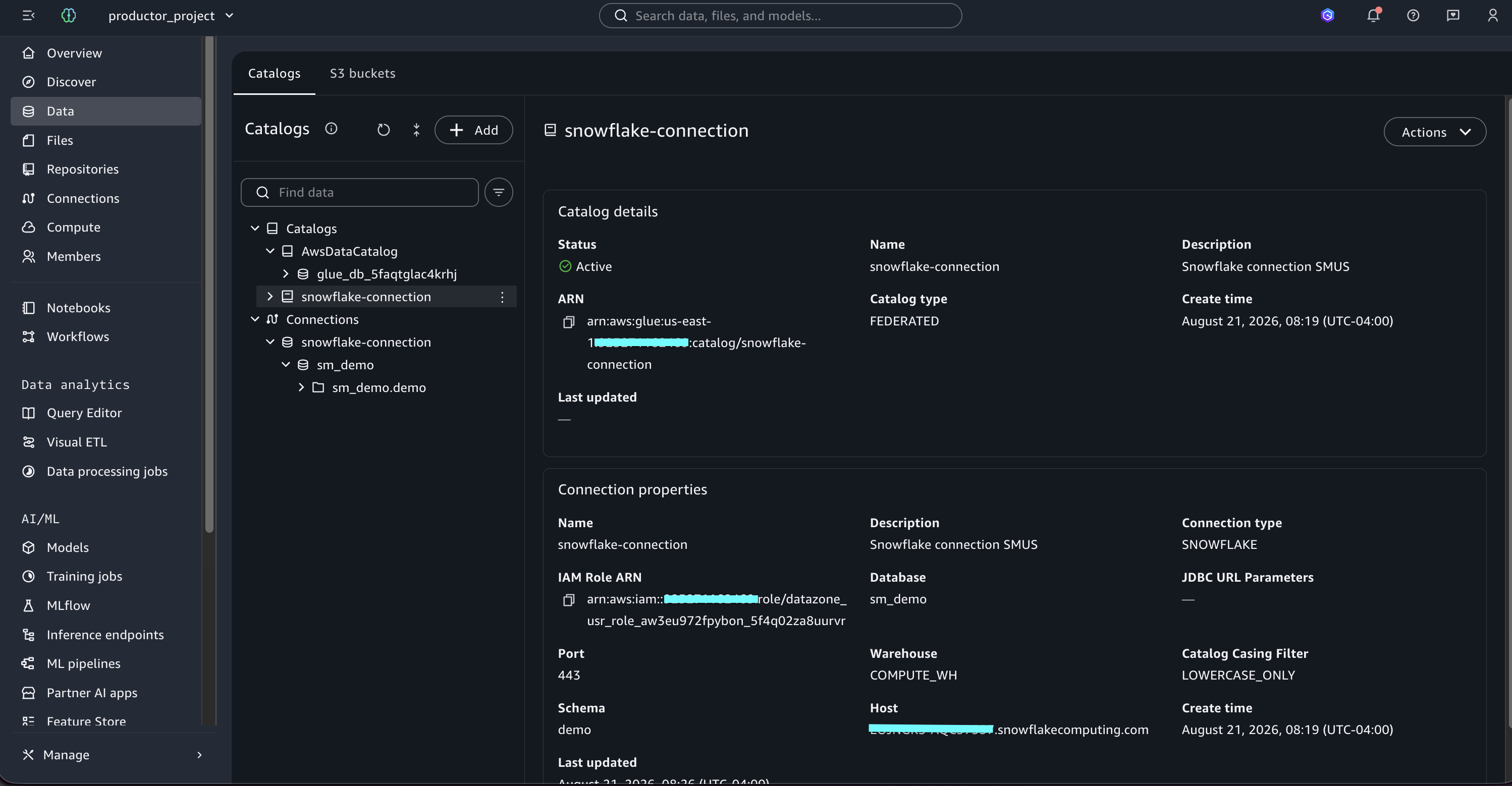
Future developments in this space are likely to focus on further automating the creation of metadata and expanding the scope of supported data sources. As AI and machine learning become increasingly integrated into business processes, the ability to rapidly validate and govern data from any source will remain a competitive differentiator for enterprises. By adopting these federated practices today, organizations are not only solving current connectivity issues but are also building the infrastructure necessary for the next generation of data-driven innovation.
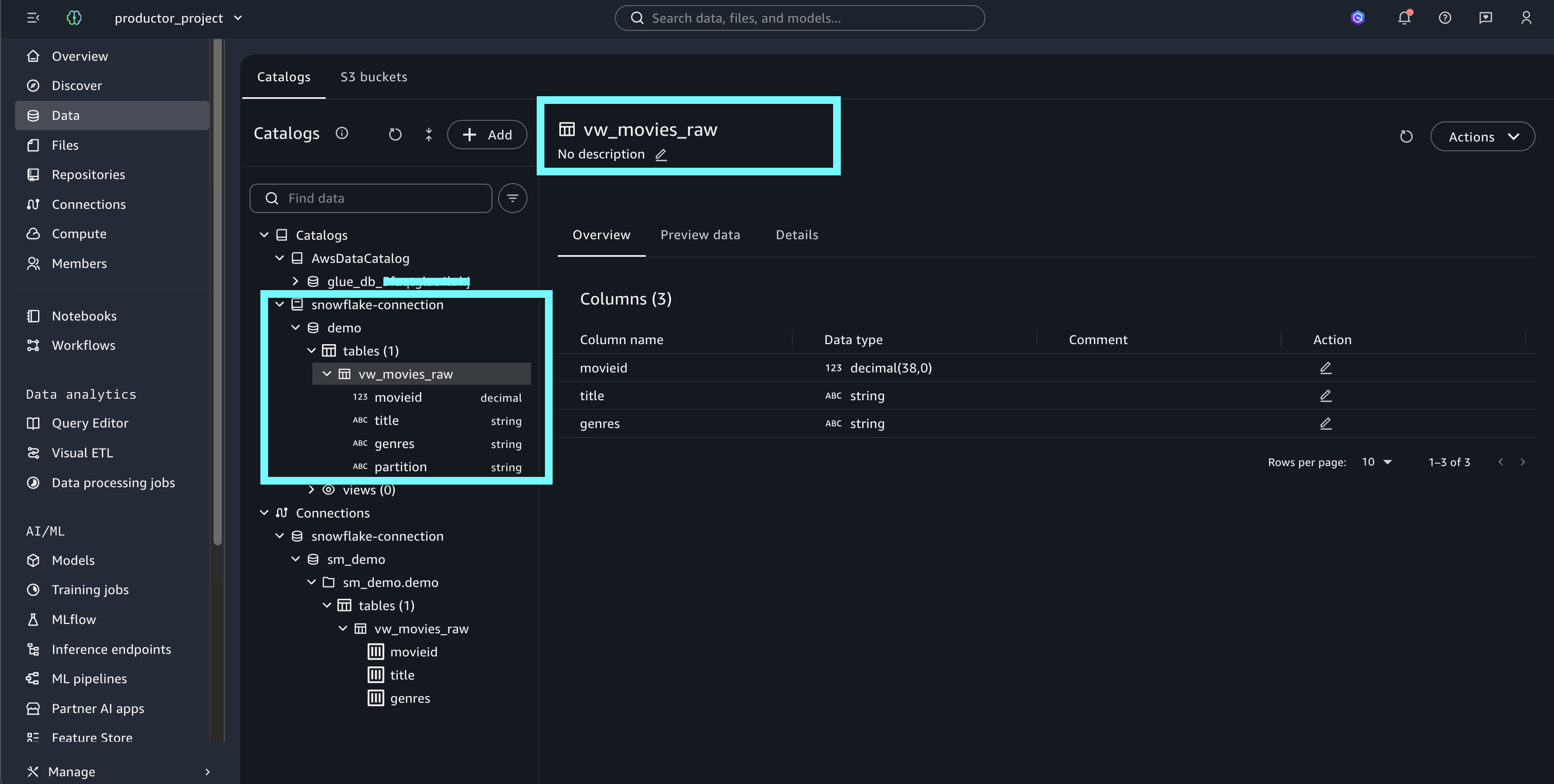
Ultimately, the goal of this architecture is to transform the data landscape from a collection of isolated, difficult-to-manage repositories into a cohesive, governed, and highly accessible ecosystem. Through the deliberate combination of AWS Glue’s ETL capabilities and the discovery features of the SageMaker Catalog, businesses can ensure that their most critical assets are not just stored, but are actively working to provide actionable, trustworthy insights across the entire organization.