AWS IAM Identity Center Trusted Identity Propagation Extends Cross-Region Analytics Governance

Organizations managing large-scale data analytics on AWS face a persistent conflict: the requirement for granular, user-level data access control versus the operational necessity of cross-region and cross-account accessibility. Historically, the reliance on shared AWS Identity and Access Management (IAM) roles obscured the identity of individual data consumers, creating gaps in audit trails and complicating compliance efforts. AWS has officially addressed these limitations by extending Trusted Identity Propagation (TIP) across regions, a development that promises to redefine how enterprises manage data security in distributed cloud environments.
This technical evolution allows user identities—authenticated once via AWS IAM Identity Center—to propagate seamlessly from client applications through query engines to the storage layer. By ensuring that every request is authorized as the specific user rather than a generic service role, organizations can now maintain consistent, fine-grained access control across global infrastructures, with all query activities fully attributable to individual users in AWS CloudTrail logs.
The Architectural Shift: Moving Beyond Shared Roles
The underlying challenge for data architects has been the "identity bottleneck." In traditional configurations, cross-account data sharing often forced users to assume a shared role, which meant that security logs in AWS CloudTrail would show the role as the actor, not the human analyst. This prevented organizations from enforcing true least-privilege access, as authorization was often tied to the role’s broad permissions rather than the user’s specific clearance level.
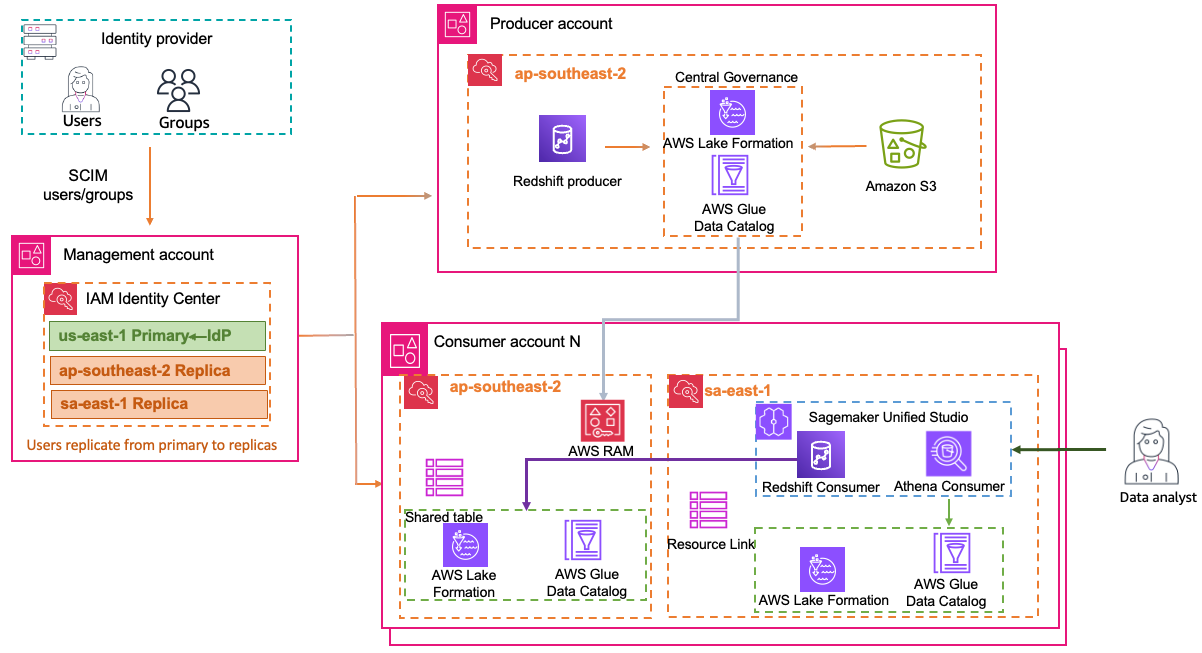
With the expansion of TIP, AWS now replicates identity objects—including users, groups, and session metadata—to every AWS Region chosen by the administrator. When a data analyst in a remote region, such as South America (São Paulo), queries data residing in the Asia Pacific (Sydney) region, the identity context travels with the query. This enables AWS Lake Formation to evaluate permissions based on the individual’s identity, regardless of the geographic location of the compute engine or the data itself.
Chronology of the Integration
The integration of TIP across regions did not occur in a vacuum; it is the culmination of a multi-year effort by AWS to unify identity management across its service portfolio.
- Foundation: Initial iterations of Lake Formation provided robust cross-account sharing but lacked the capability to maintain user-level granularity across distant geographic boundaries.
- The SCIM Protocol: By leveraging the System for Cross-domain Identity Management (SCIM), organizations were able to sync identities into IAM Identity Center, establishing a centralized identity plane.
- Recent Expansion: The current update represents the final phase of this rollout, enabling the "propagation" of those identities across regional boundaries, allowing services like Amazon SageMaker Unified Studio, Amazon Athena, and Amazon Redshift to recognize a single, persistent user identity across the entire AWS global network.
Case Studies in Distributed Data Access
To demonstrate the efficacy of this cross-region architecture, AWS has highlighted two primary deployment patterns, both of which require that the producer and consumer accounts exist within the same organization and utilize the same IAM Identity Center instance.
Case 1: Amazon S3 and Athena Federation
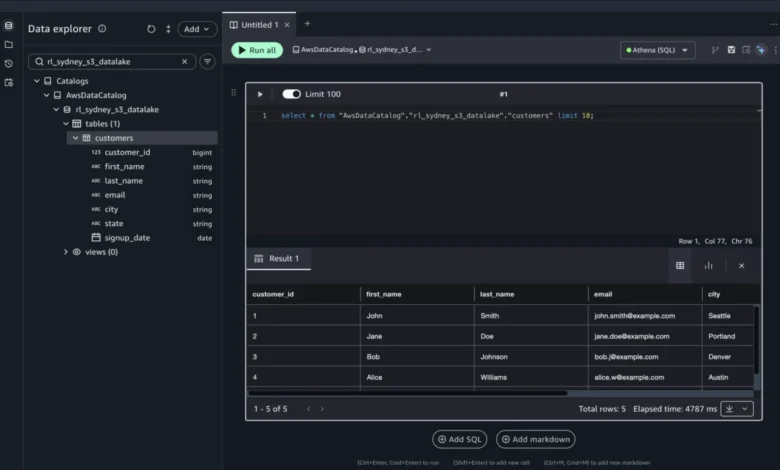
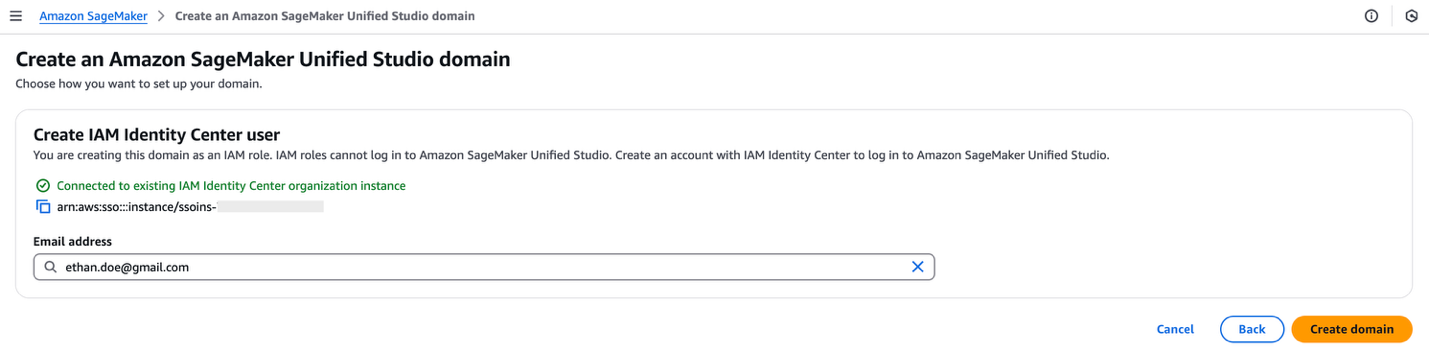
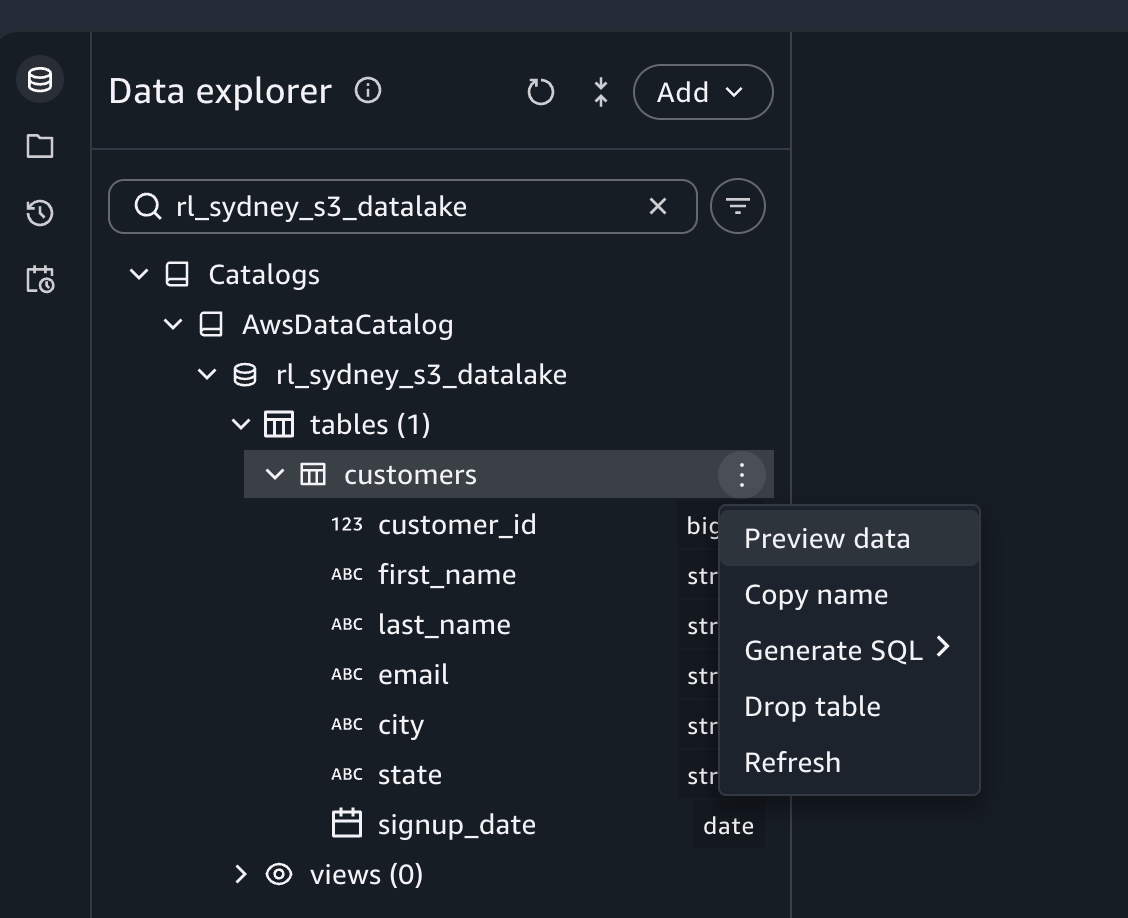
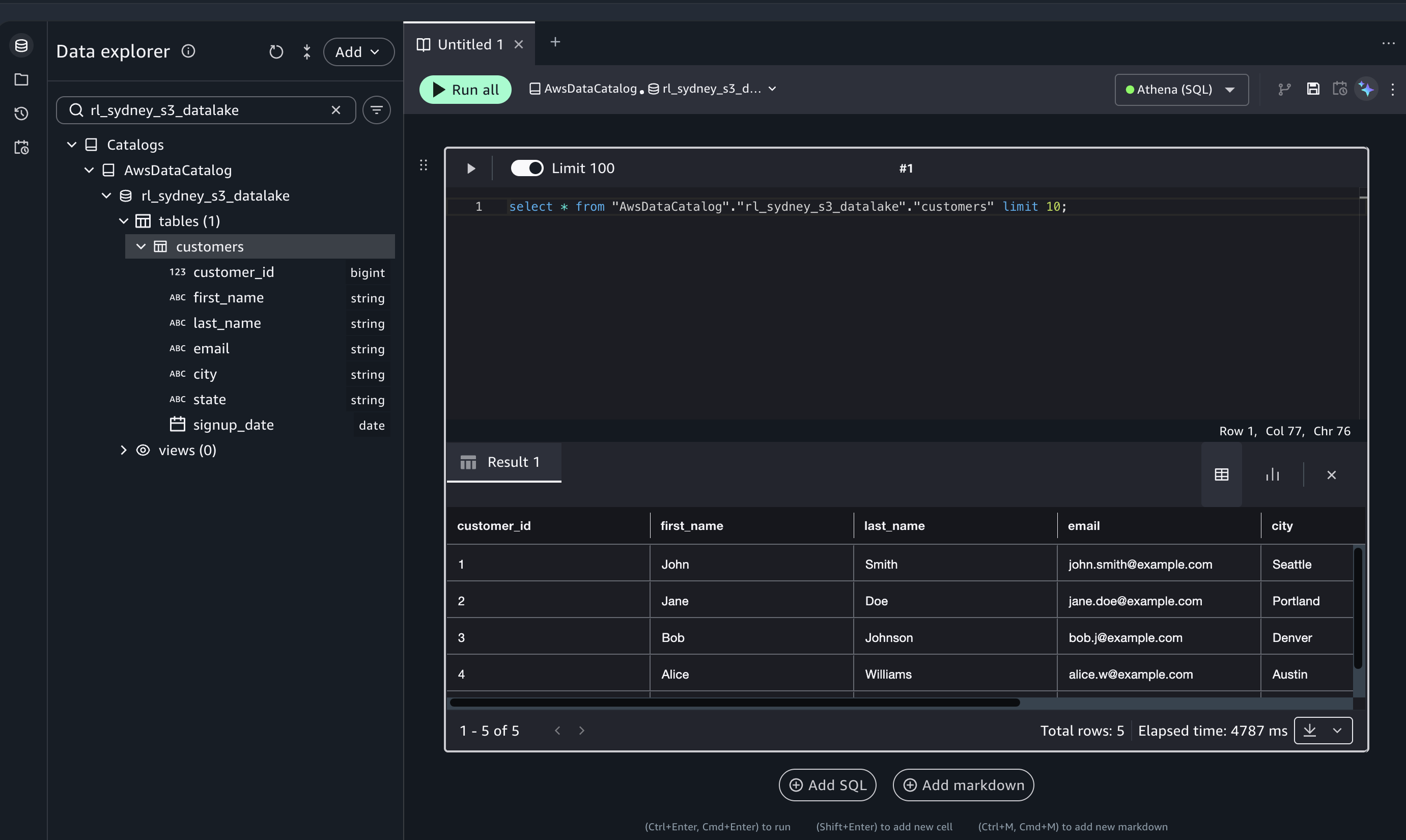
In this scenario, a producer in Sydney governs Amazon S3 data using Lake Formation. A consumer in São Paulo uses Amazon SageMaker Unified Studio to run federated queries. Because the identity is propagated, Lake Formation validates the user’s specific access rights at the moment of the request. The data itself never leaves the producer’s region; rather, the query is executed remotely, and the results are returned to the user, who is identified at every stage of the transaction.

Case 2: Amazon Redshift and Data Sharing
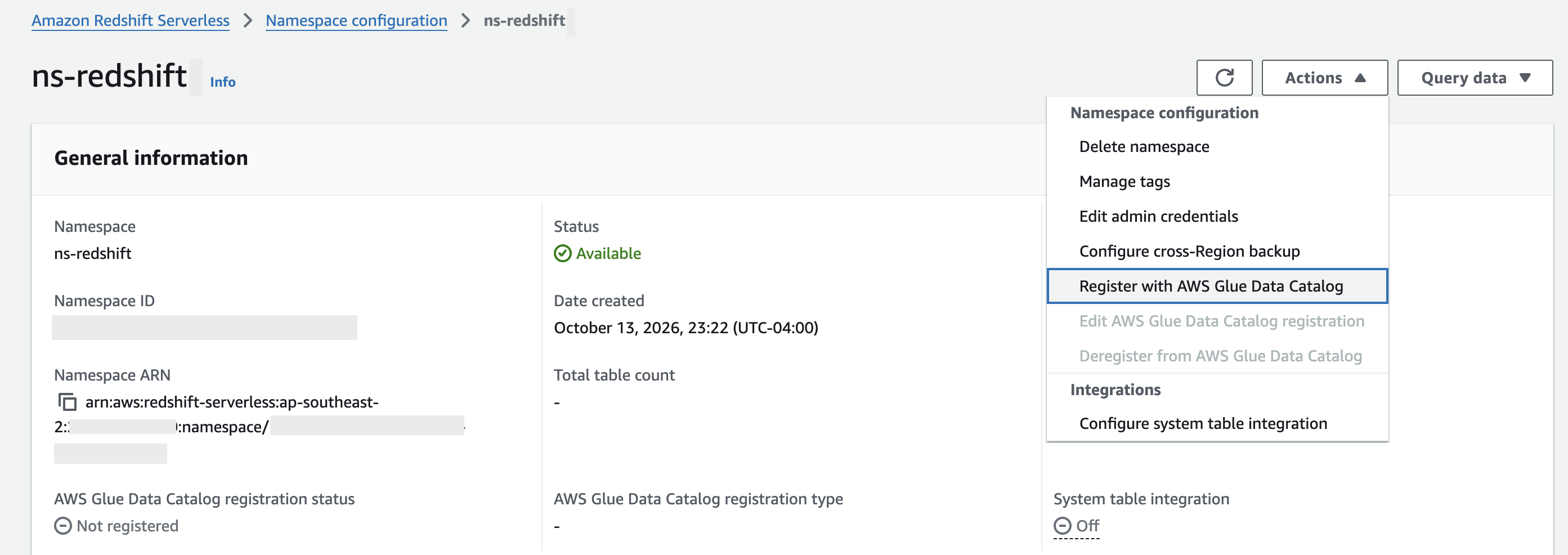
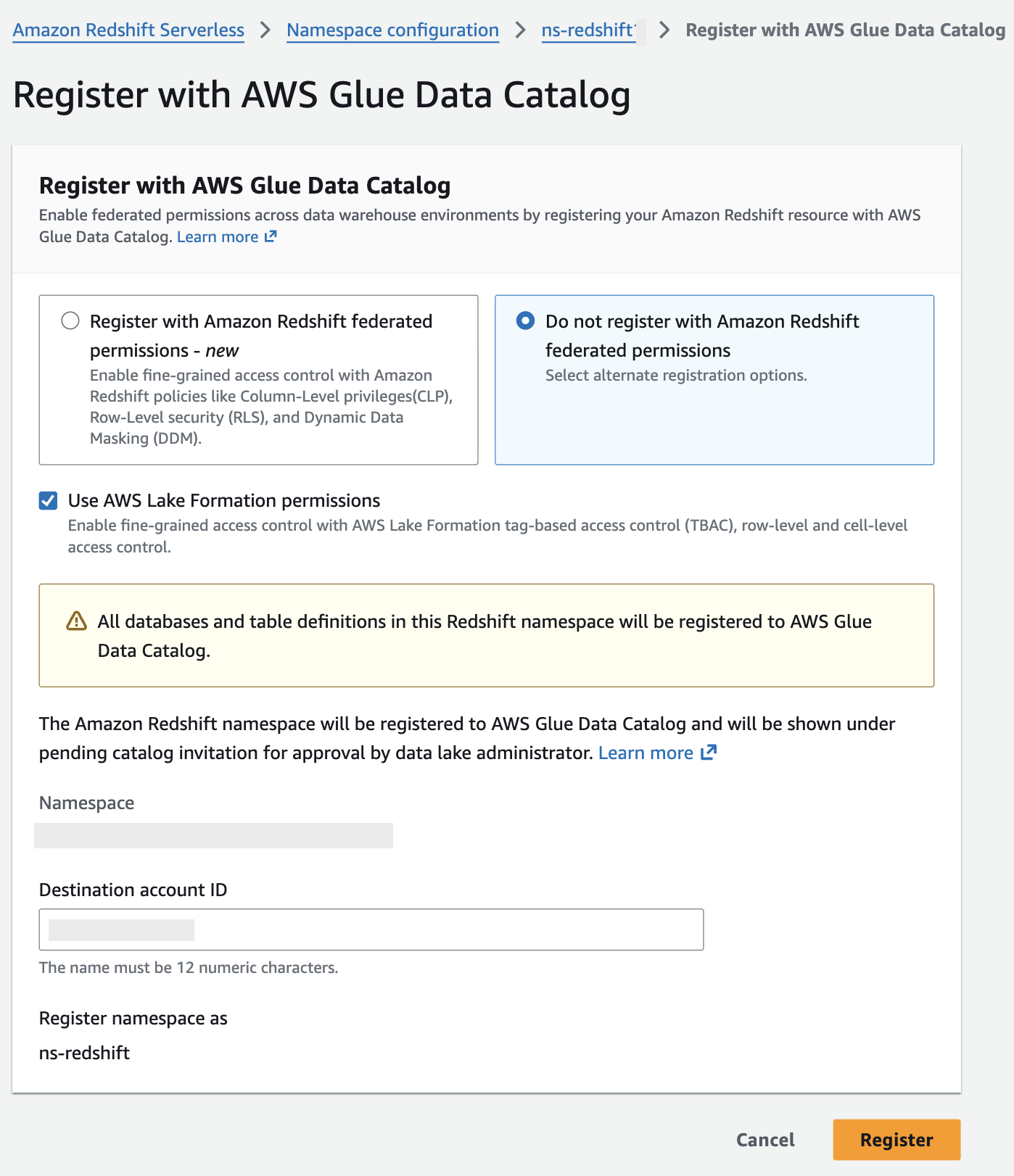
For enterprises relying on data warehousing, this update simplifies the use of Redshift Datashares. By registering a Redshift Serverless namespace with the AWS Glue Data Catalog, producers can share data across regions. Consumers create an external schema that references the producer’s catalog directly. This bypasses the need for complex resource links, allowing analysts to perform high-performance queries on shared data while maintaining full auditability of every SQL statement executed.
Strategic Implications for Data Governance
The implications for Chief Information Security Officers (CISOs) and data compliance officers are significant. According to industry analysts, the ability to maintain auditability without sacrificing regional performance is a "force multiplier" for cloud governance.
"The fundamental tension in cloud analytics has always been between performance and visibility," noted one industry consultant. "By offloading the identity verification to the service layer rather than the access role, AWS is enabling a ‘Zero Trust’ approach to data lakes. You are no longer trusting the connection; you are verifying the individual every time they touch a byte of data, regardless of where that data lives."
Furthermore, the integration provides a cleaner audit path for regulatory frameworks such as GDPR, HIPAA, and CCPA. Because CloudTrail logs now record the individual identity of the data requester, internal audits can prove exactly who accessed which data sets, even in a global environment where data might be accessed by teams distributed across continents.
Technical Requirements and Operational Best Practices
Transitioning to this model requires a departure from traditional IAM configurations. Most notably, the requirement for sts:SetContext in trust policies for IAM roles signifies a fundamental shift in how AWS handles identity. Standard service-linked roles do not typically include this permission, necessitating that organizations create custom registration roles.
For IT departments, the setup involves a rigorous checklist:
- Identity Sync: Ensuring SCIM synchronization is functioning across the organization’s management account.
- Cross-Region Replication: Configuring the IAM Identity Center to replicate identities to all participating regions.
- Policy Updates: Updating trust policies for roles in the consumer account to allow
sts:AssumeRoleandsts:SetContextfor the specific services being used (e.g., Redshift, Athena, or SageMaker). - Least-Privilege Audits: Periodically reviewing Lake Formation grants to ensure that permissions are tied to specific groups or users rather than broad roles.
Broader Industry Impact
As organizations continue to move toward decentralized data architectures—often referred to as "Data Mesh"—the ability to govern data centrally while accessing it locally becomes the primary challenge. The extension of TIP is a clear signal that AWS intends to position its platform as the premier choice for enterprises that require a unified security posture across a fragmented global footprint.
While this update significantly lowers the barrier to entry for cross-region data sharing, it also places a greater burden of responsibility on administrators to maintain clean identity stores. As identity becomes the new "perimeter" in the AWS ecosystem, the accuracy of the data within the IAM Identity Center will become the most critical component of an organization’s security stack.
Looking forward, industry observers expect that the success of this cross-region TIP rollout will lead to similar integrations across other AWS services, such as Amazon EMR and various third-party data analytics tools that currently rely on legacy authentication patterns. For now, the integration of SageMaker, Athena, and Redshift provides a robust framework for enterprises looking to scale their analytics operations without compromising on security, compliance, or the speed of insight.
This development marks a maturation of the cloud analytics stack, moving away from the "all-or-nothing" access roles of the past and toward a more granular, identity-centric future. As the technical community digests these changes, the focus will likely shift toward optimizing the latency of these cross-region queries and expanding the library of supported services that can participate in the Trusted Identity Propagation ecosystem.
Related posts: