Streamlining Business Intelligence: Integrating Power BI Directly with Amazon SageMaker Unified Studio Data Catalogs

In a significant move to simplify enterprise data workflows, Amazon Web Services (AWS) has introduced native support for Microsoft Power BI within Amazon SageMaker Unified Studio. This development marks the end of a long-standing requirement for third-party ODBC-JDBC bridges, which previously imposed additional licensing costs and maintenance burdens on organizations attempting to link their business intelligence (BI) dashboards to governed AWS data environments. By leveraging the updated Amazon Athena ODBC driver (version 2.2.0 and later), data analysts can now establish a direct, secure connection between Power BI and SageMaker Unified Studio, effectively streamlining the path from raw data storage to actionable executive insights.
Historical Context and Technical Evolution
For years, the integration between cloud-native data catalogs and third-party BI tools was characterized by "bridge" architectures. These middleware components acted as translators between the ODBC standards used by BI platforms and the JDBC protocols native to many big data environments. While functional, these bridges created significant architectural friction. They required separate infrastructure components to be managed, patched, and monitored, often resulting in performance bottlenecks and increased potential for security misconfigurations.
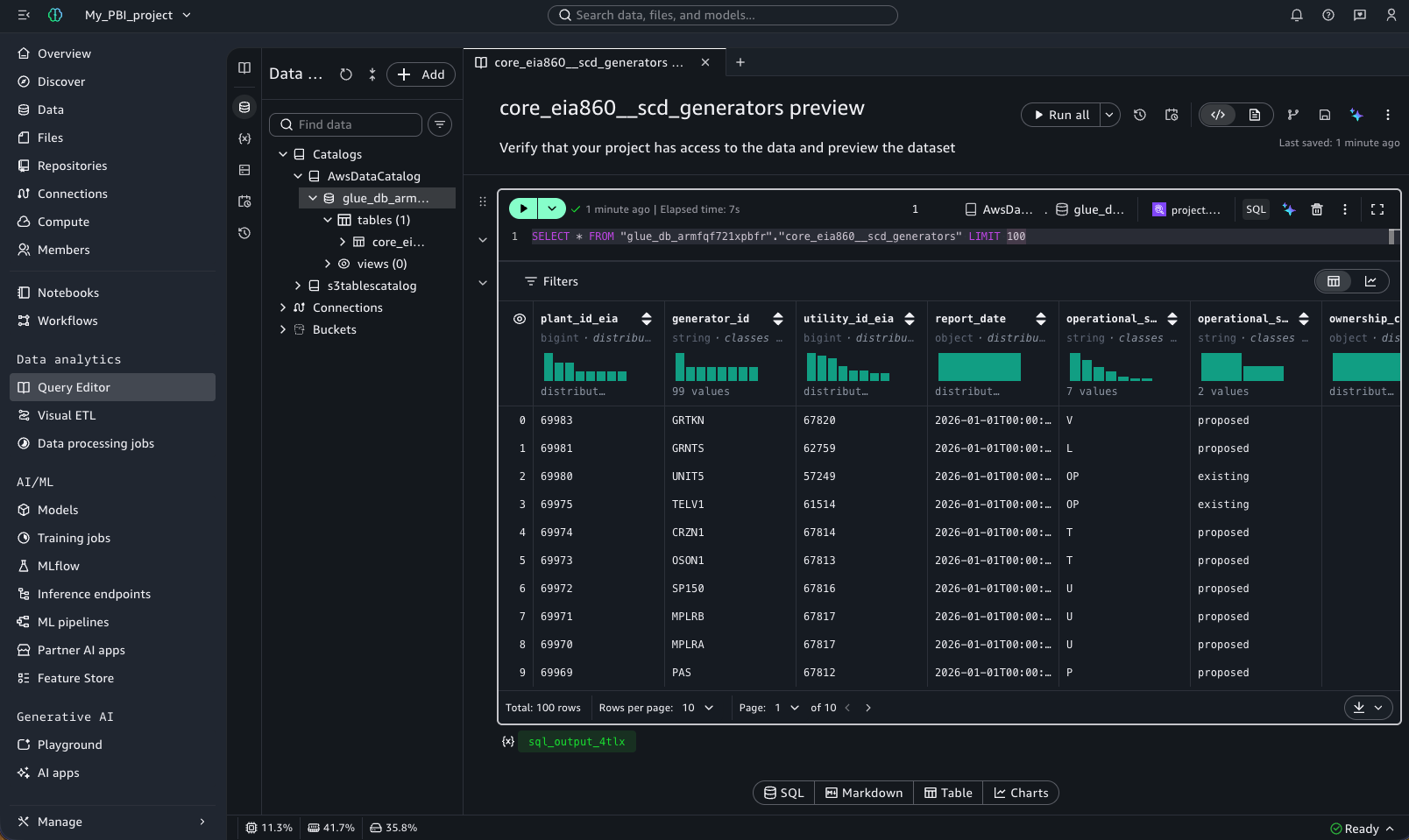
The shift toward a native connection, unveiled alongside the latest Athena driver updates, reflects a broader AWS strategy to reduce the "architectural tax" associated with multi-tool environments. By eliminating the dependency on third-party bridge software, organizations can now rely on a simplified, vendor-supported stack. This integration is particularly vital for large-scale research and enterprise institutions, such as the University of California, Irvine (UC Irvine), which have historically struggled to reconcile the need for high-level data governance with the widespread preference for Power BI as a visualization tool.
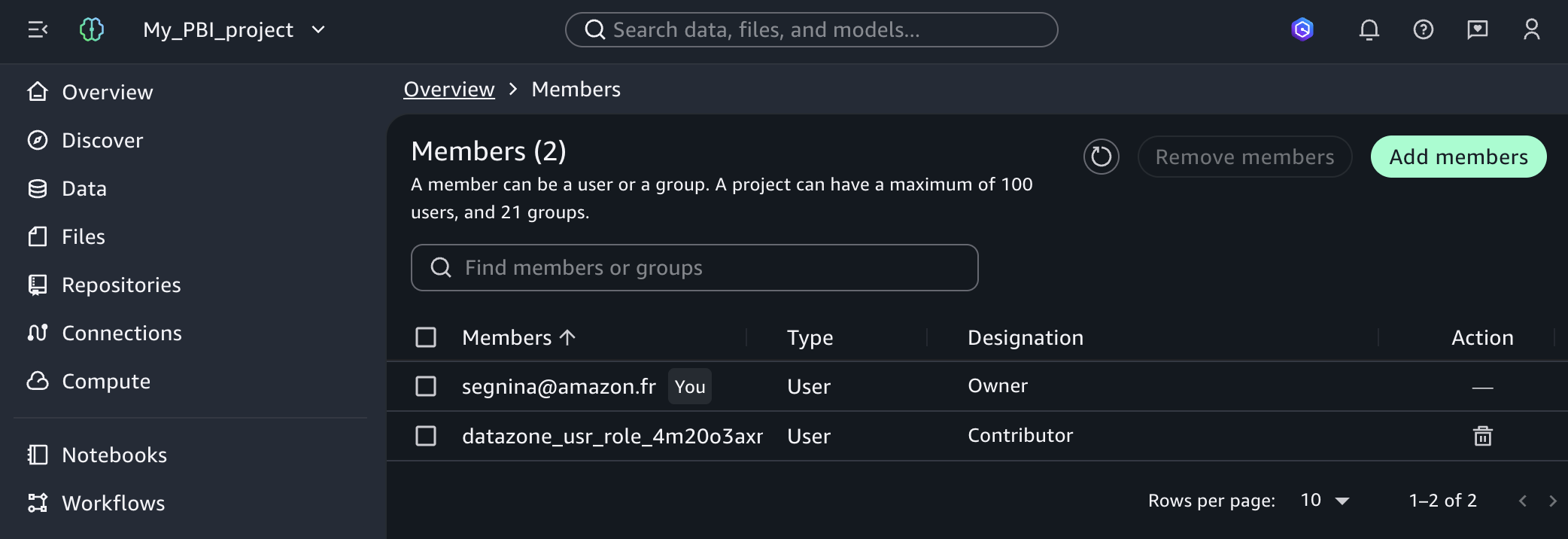
The Impact on Data Governance and Operations
The integration is not merely a convenience; it is a governance milestone. In many large organizations, data analysts operate in silos, often resorting to unauthorized data exports or local flat-file storage to feed their BI tools. This practice creates "shadow data" risks, where sensitive information is removed from secure, governed environments.
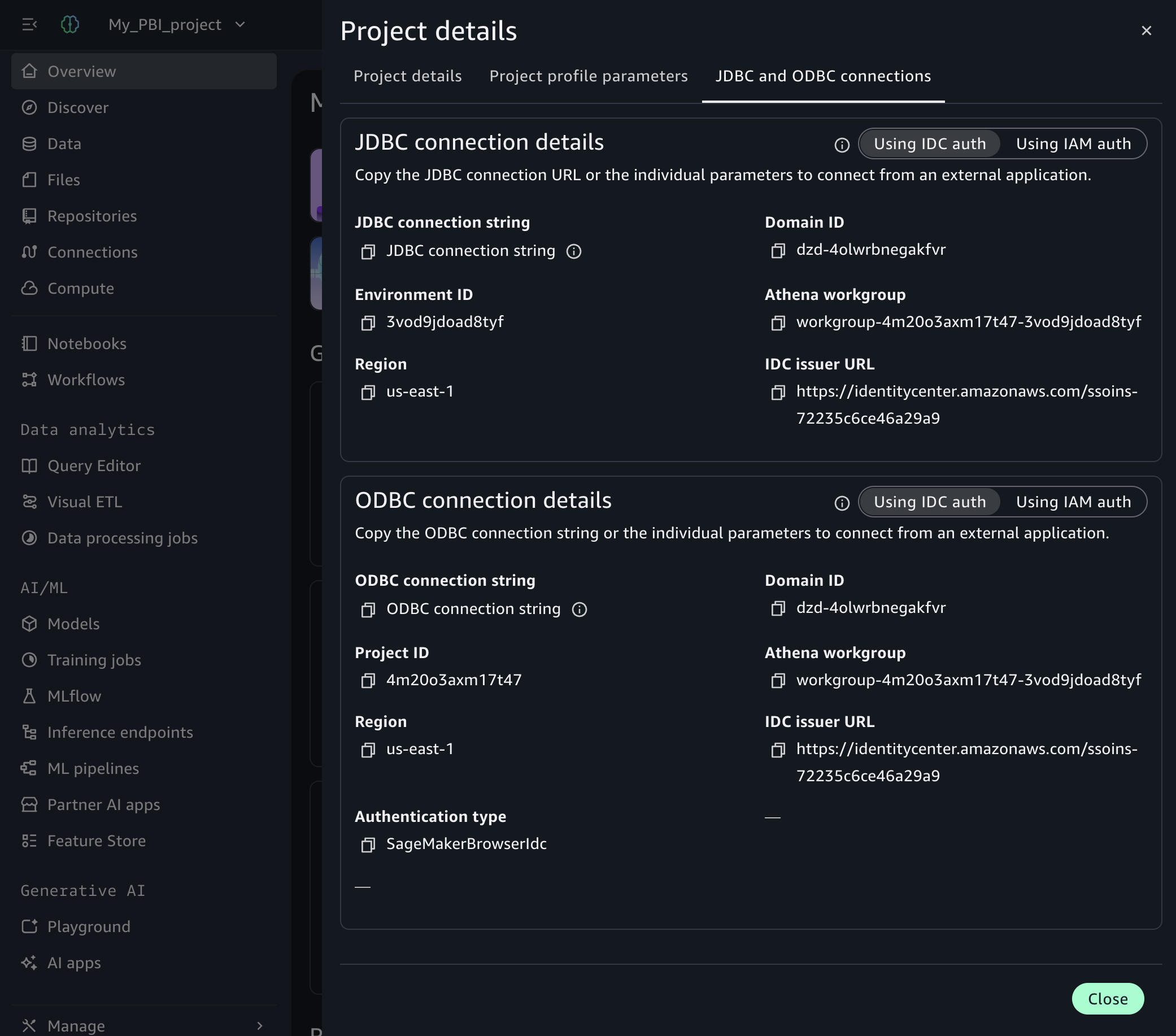
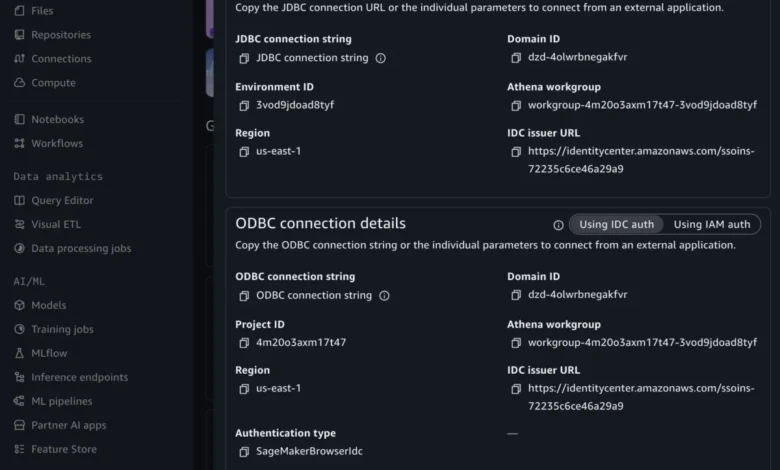
Bernadette Theologidy, Manager of Student Analytics at UC Irvine, notes that the ability to establish a direct pipeline from Power BI into SageMaker Unified Studio projects represents a paradigm shift. "Our users rely on Power BI for data visualization and reporting, but connecting to governed data in AWS previously required workarounds. The ODBC connection feature gives a direct path from Power BI into our SageMaker Unified Studio projects—no bridge software, no extra licensing, just a connection string and we’re ready to go," she stated. This sentiment is shared by data architects across the energy, finance, and public sectors, who prioritize auditability and single-source-of-truth compliance.
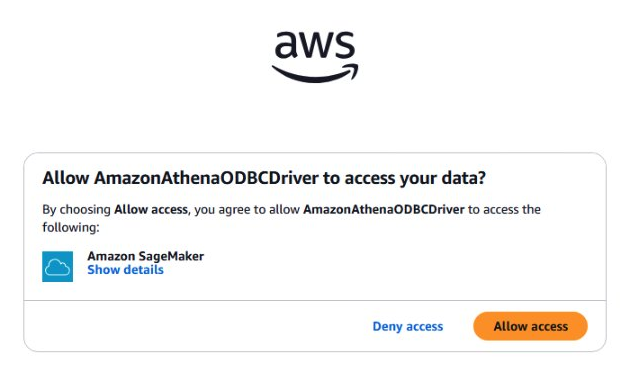
Architectural Breakdown: DSN-Based vs. DSN-Less Connectivity
The new integration supports two distinct methods for connecting to data, providing flexibility based on whether an organization requires real-time data streaming or scheduled batch imports.
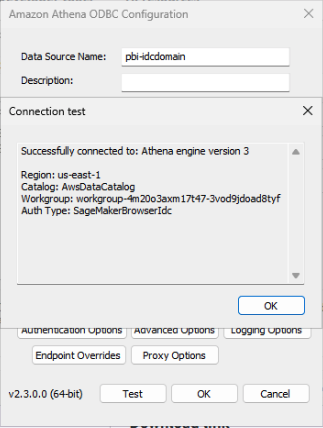
Method 1: The DSN-Based Approach
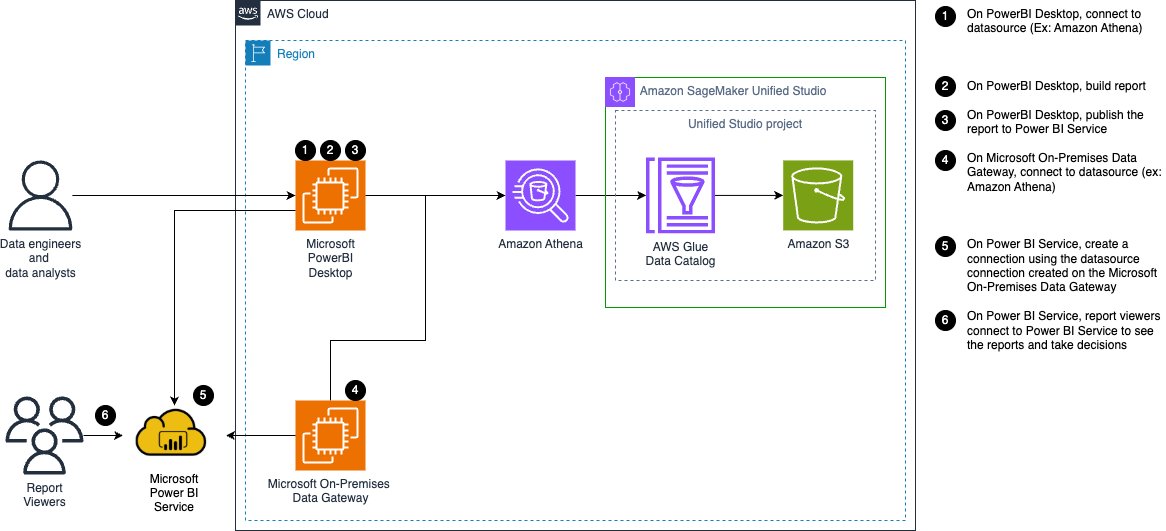
The DSN-based (Data Source Name) approach is designed for scenarios demanding high performance and real-time data availability. By configuring an ODBC DSN on the local machine or gateway, analysts can utilize Power BI’s "DirectQuery" mode. In this configuration, queries are executed directly against the Athena engine, ensuring that the dashboard reflects the most current state of the underlying data catalog. This method supports both SageMakerBrowserIdc and SageMakerIam authentication, making it the preferred choice for interactive, live-data dashboards.
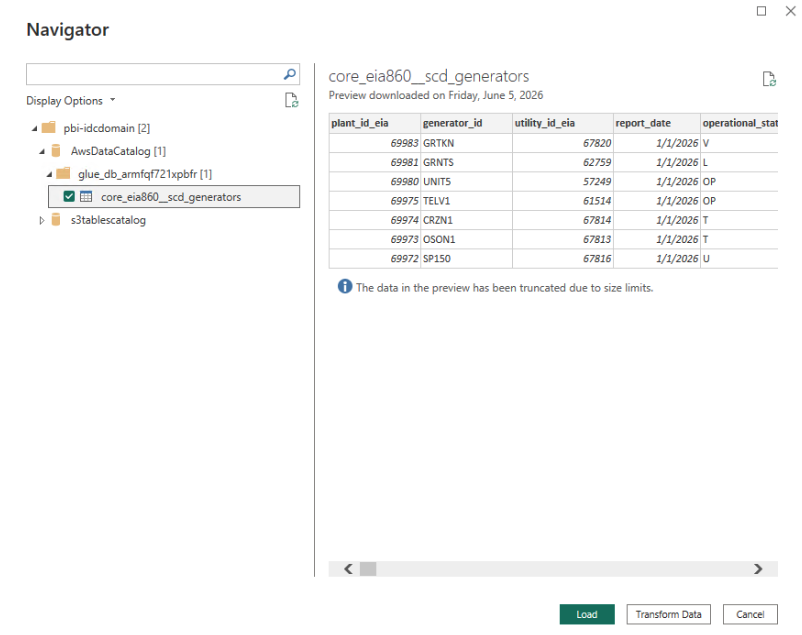
Method 2: The DSN-Less Approach
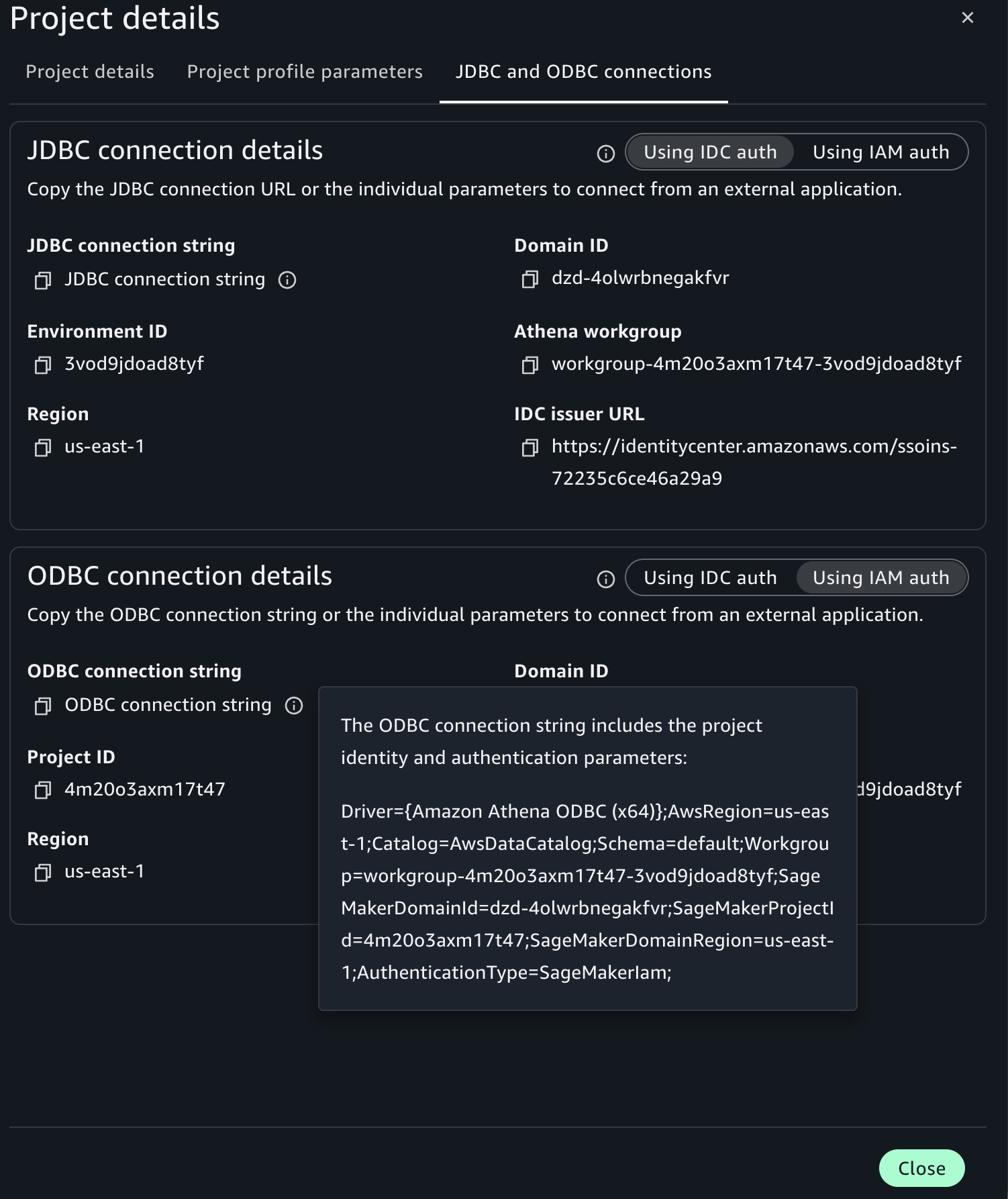
Conversely, the DSN-less approach utilizes a standardized connection string, which simplifies deployment by removing the need to configure individual system-level data sources. While this method is limited to "Import" mode—meaning data is cached and updated on a schedule—it offers a cleaner, more portable setup for distributed teams. Because this method does not support interactive browser-based authentication, it is strictly tied to SageMakerIam credentials. This configuration is particularly effective for automated reporting cycles where the speed of a DirectQuery is secondary to the reliability of scheduled refreshes.
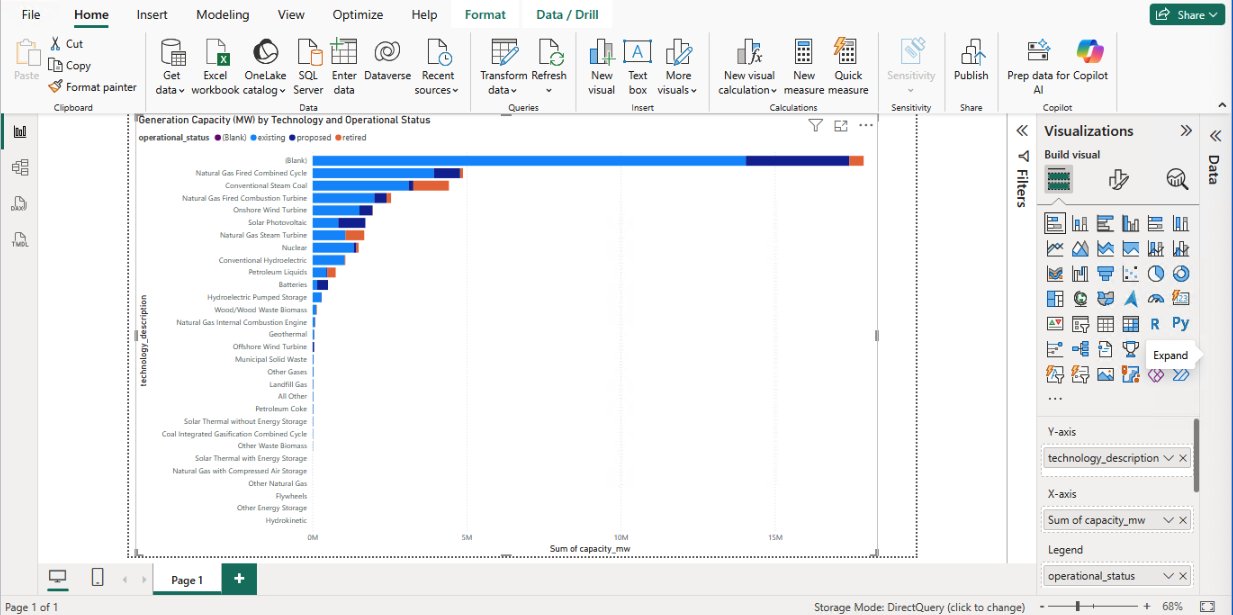
Security and Authentication Infrastructure
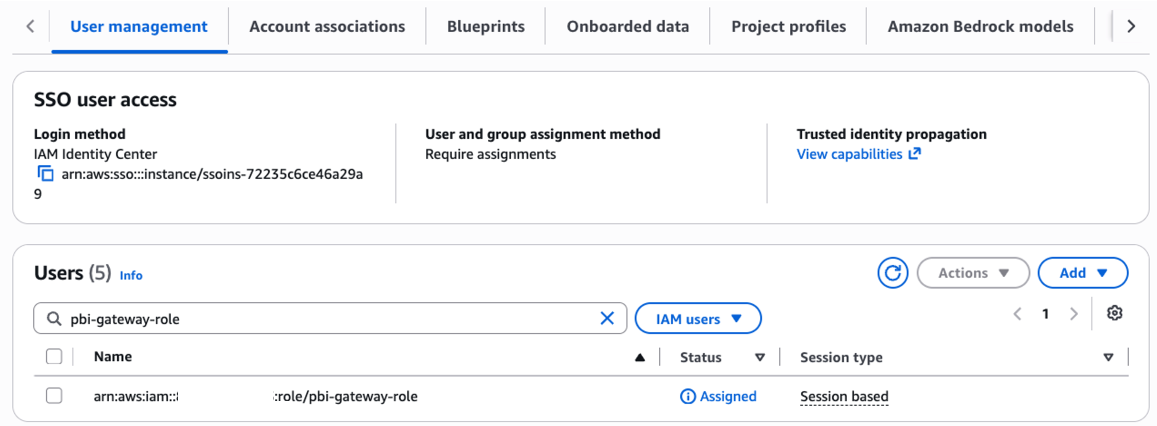
Security remains the cornerstone of this updated integration. In an IDC-based (IAM Identity Center) environment, the system utilizes a modern authentication flow. For Power BI Desktop, the driver triggers a browser-based sign-in, allowing users to authenticate via their corporate identity provider. This ensures that access to sensitive datasets is governed by the same identity policies as the rest of the organization’s software suite.
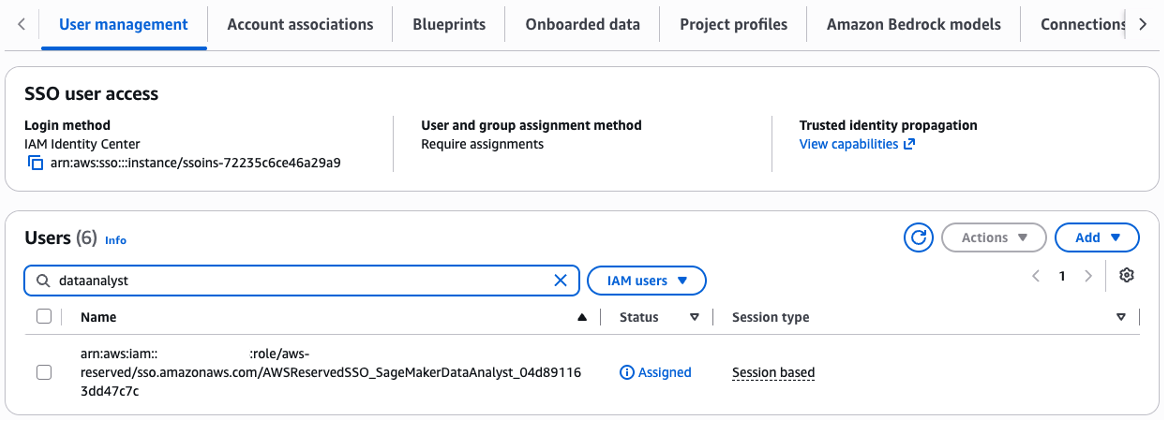
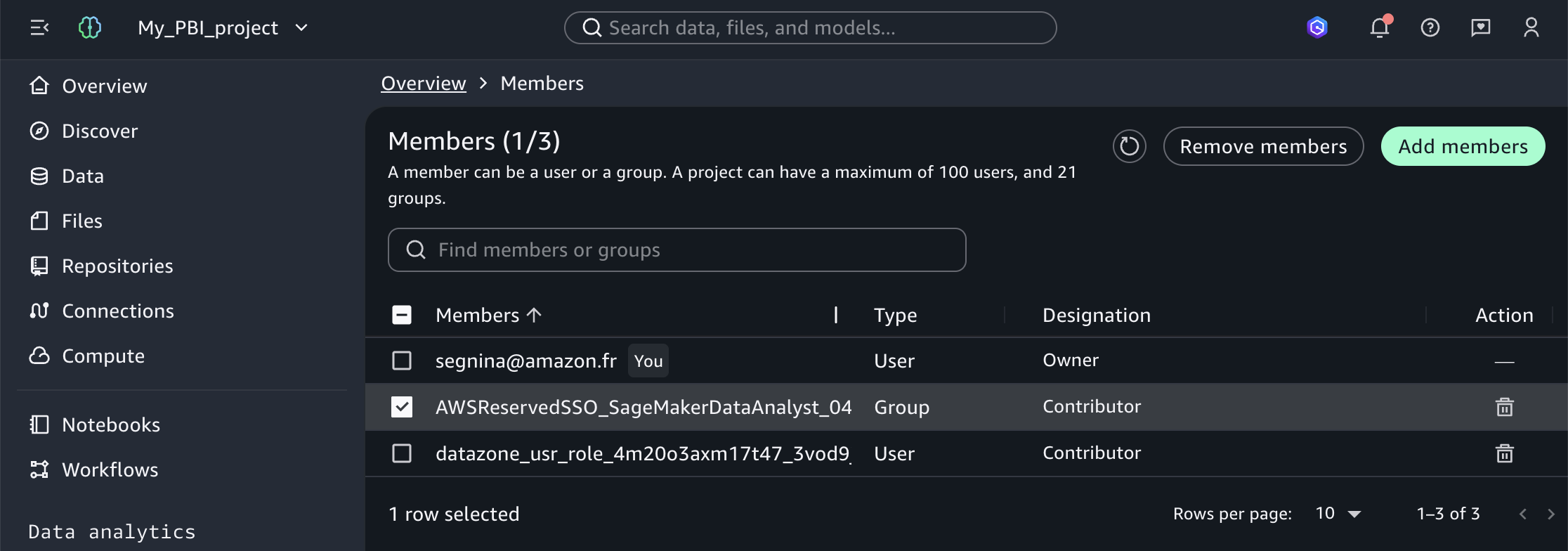
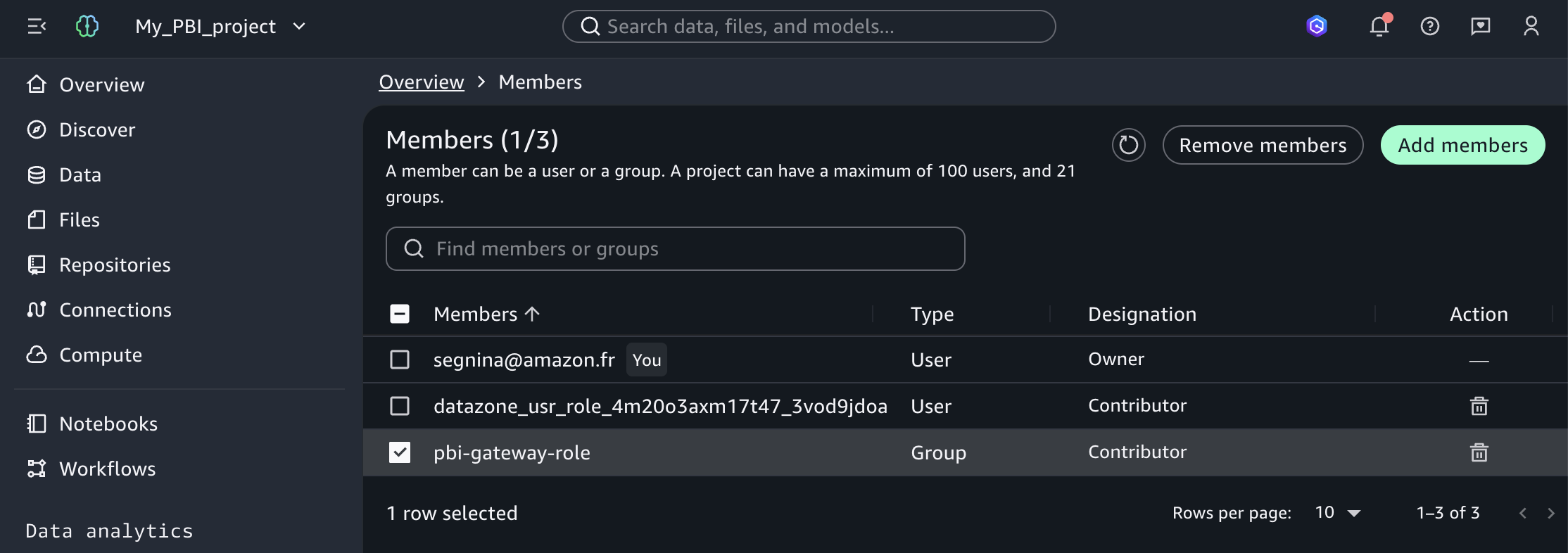
For Power BI Service, the infrastructure shifts to an on-premises data gateway. Because the gateway functions as a headless Windows service, it cannot prompt for a browser login. Consequently, the gateway utilizes instance profile credentials—an IAM role assigned directly to the EC2 instance hosting the gateway. This automated credential rotation minimizes the risk of leaked long-term access keys, as the gateway inherits permissions solely through its assigned role within the SageMaker Unified Studio project.
Broader Implications for the BI Landscape
The removal of technical barriers between AWS and Microsoft products signals a maturing cloud ecosystem. As organizations move away from monolithic, all-in-one platforms, the ability to "plug and play" between best-of-breed services is becoming a competitive necessity. For AWS, this integration helps maintain the relevance of its Glue Data Catalog and Athena services in offices that are firmly committed to the Microsoft Power BI ecosystem.
Furthermore, this development sets the stage for increased automation in data operations. As noted by industry experts, many organizations are now looking to treat "BI configuration as code." By automating the deployment of Athena data sources through blueprints and IaC (Infrastructure as Code) templates, enterprises can reduce the time required to onboard new analysts from days to minutes.
A Look Ahead: The Second Phase of Integration
This technical update is only the first half of a comprehensive strategy. While this article focuses on IDC-based domains, a subsequent release will detail the complexities of IAM-based domains, where the nuances of cross-account access and fine-grained resource permissions differ significantly. For organizations currently evaluating their data strategies, the takeaway is clear: the friction between cloud-governed storage and end-user visualization is rapidly dissipating.
The path forward for enterprises involves a transition from cumbersome, maintenance-heavy middleware toward streamlined, natively integrated workflows. As companies like UC Irvine continue to pioneer these methods, the standard for "governed self-service" will likely evolve, forcing other cloud providers to prioritize similar interoperability features. For the data analyst, the outcome is a more reliable, performant, and secure environment, allowing them to focus on what matters most: turning massive, complex datasets into the strategic insights that drive modern industry. Whether through real-time DirectQuery or automated Import cycles, the integration of Power BI and Amazon SageMaker Unified Studio provides a blueprint for a future where data is accessible, secure, and ready for the next wave of analytical innovation.