Bridging the Data Divide: Integrating Snowflake Assets into Amazon SageMaker Unified Studio for Seamless Governance and Analytics

Modern enterprises increasingly operate within fragmented, hybrid data architectures. As organizations scale, they often find their most critical information assets siloed within Snowflake, while their advanced analytics and machine learning workloads reside on Amazon Web Services (AWS). This architectural bifurcation frequently results in significant operational friction: governance gaps emerge, data discovery becomes an arduous task for analysts, and teams often resort to redundant, costly data replication efforts to bridge the gap. For large-scale data teams, the lack of a unified interface for metadata management and quality validation has historically meant days of manual ETL (Extract, Transform, Load) pipeline development just to achieve baseline visibility.
The Shift Toward Federated Data Management
The industry is currently witnessing a paradigm shift away from traditional data warehousing, where centralization was the primary goal, toward a federated model that prioritizes agility and governance without the overhead of physical data movement. The integration of Amazon SageMaker Unified Studio with Snowflake represents a strategic evolution in this space. By leveraging an integrated catalog and the robust capabilities of AWS Glue Data Quality, organizations can now treat external Snowflake data as a first-class citizen within the AWS ecosystem.
This integration is not merely a convenience; it addresses the core challenge of data democratization. When data is trapped in silos, it remains inaccessible to the broader organization. By enabling direct connectivity to Snowflake tables without moving the underlying data, organizations can apply quality rules using AWS Glue Visual ETL and publish validated assets directly to the Amazon SageMaker Catalog. This creates a single source of truth that maintains consistent governance policies across a distributed data estate.
Operational Chronology and Efficiency Gains
Historically, the process of cataloging Snowflake data within an AWS-centric environment was a bottleneck that could stall data science projects for several business days. The manual labor involved in creating connectors, mapping schemas, and establishing quality checks created a high barrier to entry for data consumers.
The new workflow, facilitated by Amazon SageMaker Unified Studio, reduces this timeline from days to a mere 15-minute window. The process follows a structured, streamlined progression:
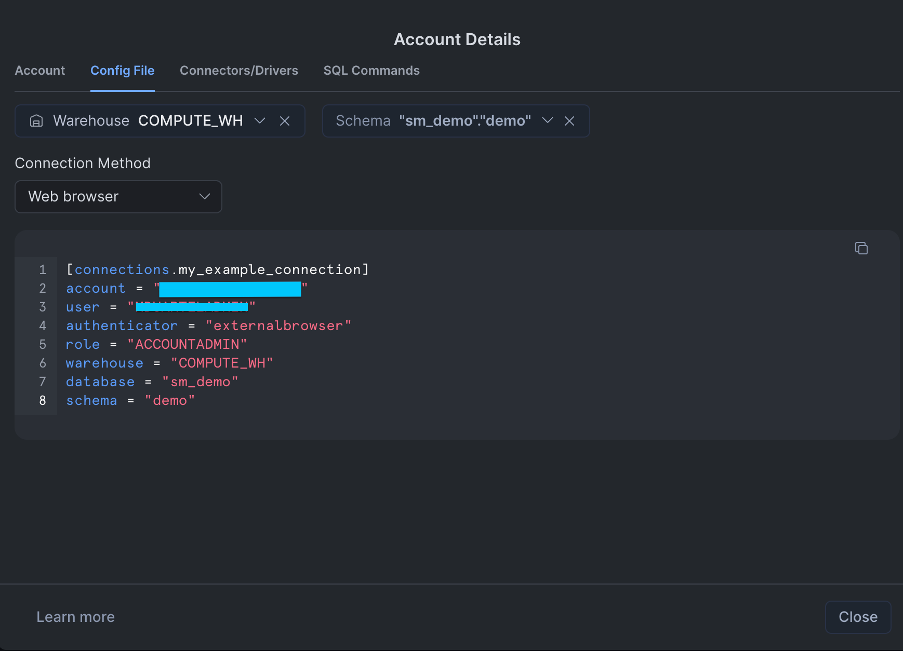
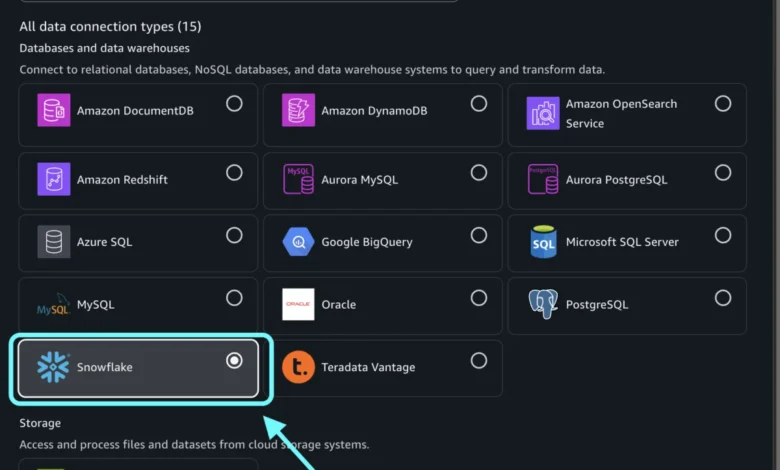
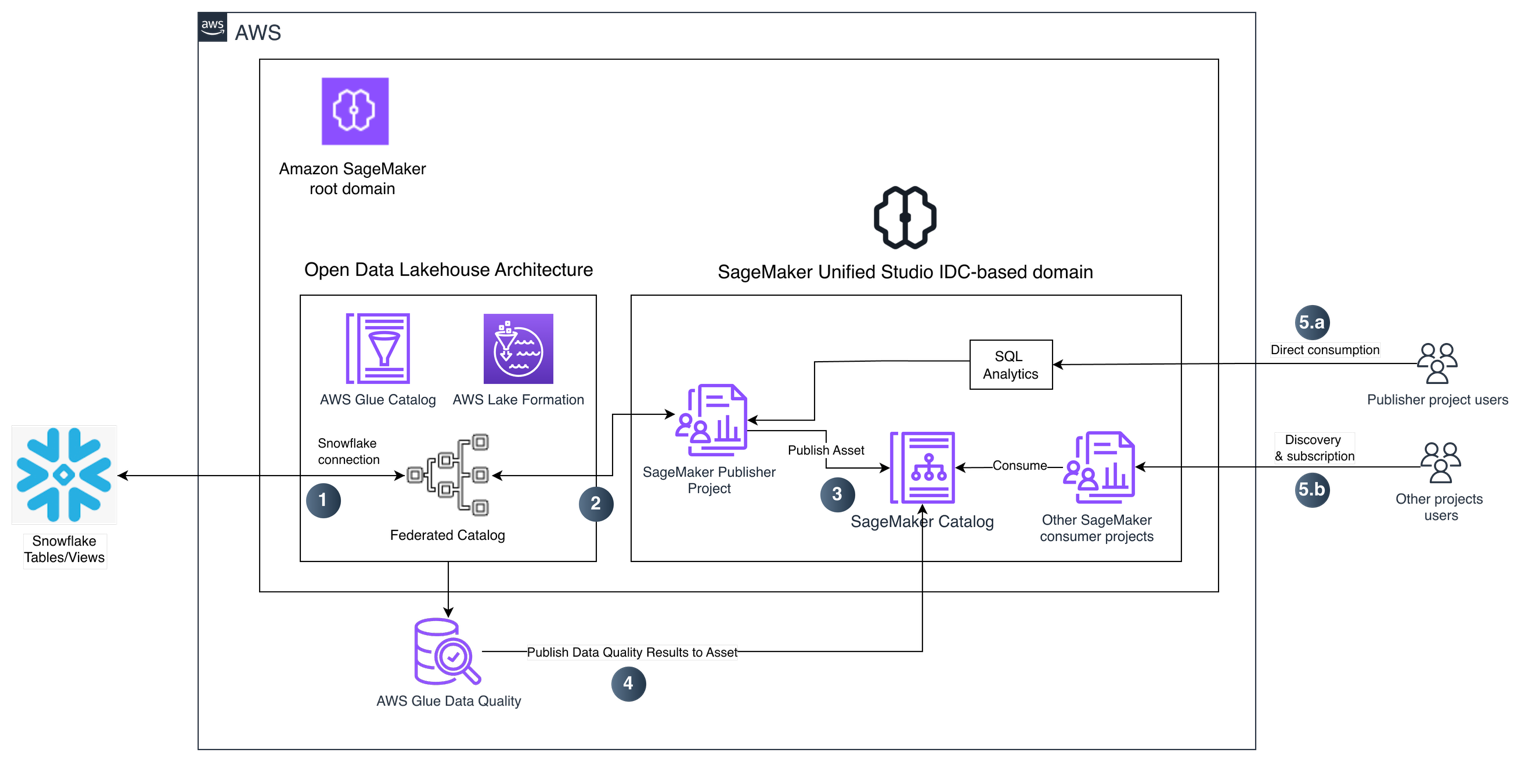
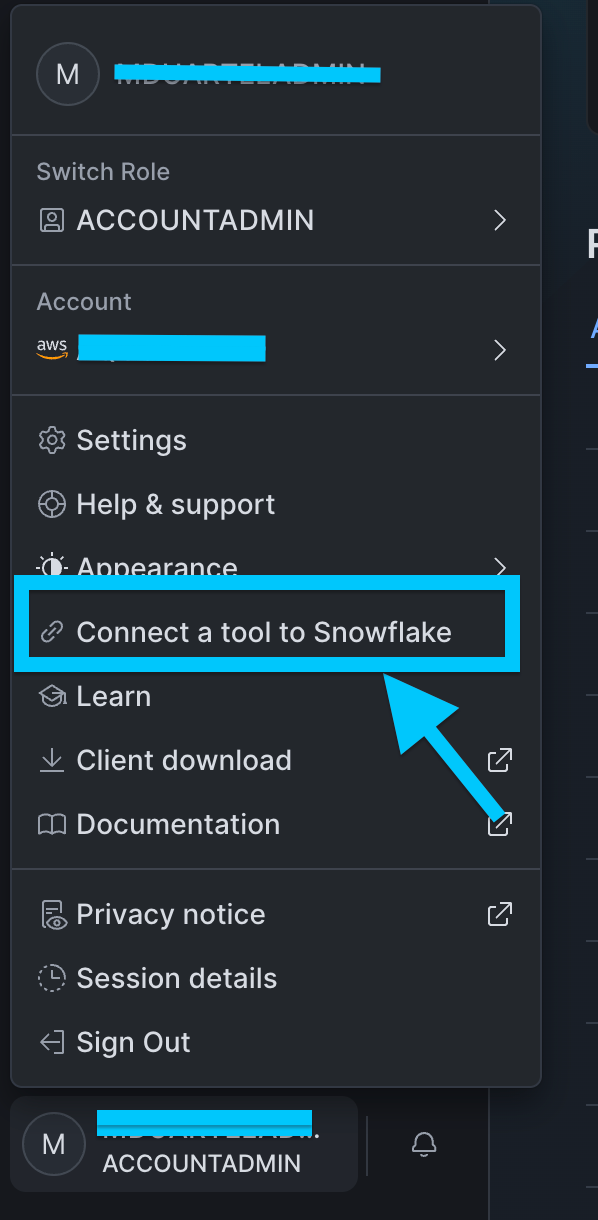
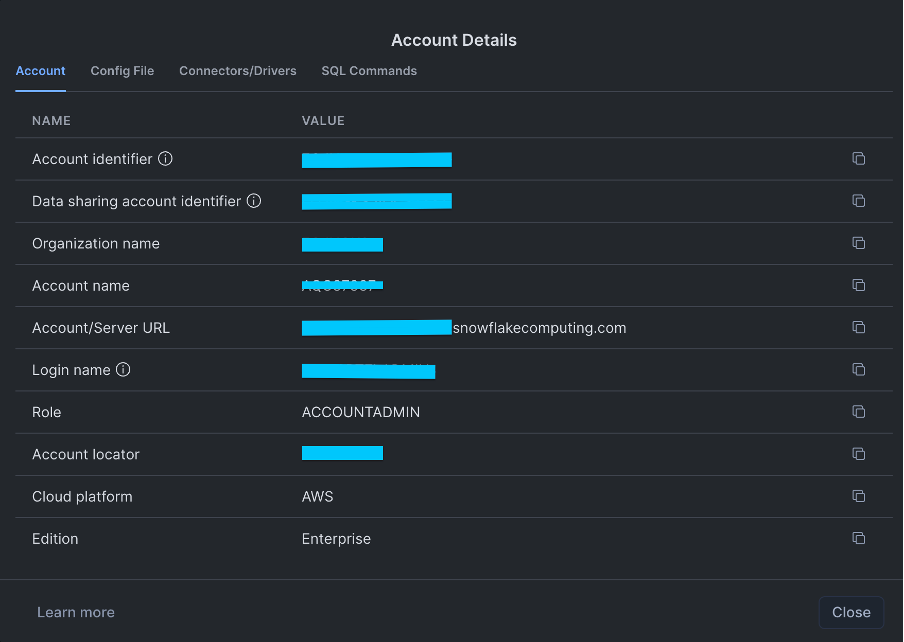
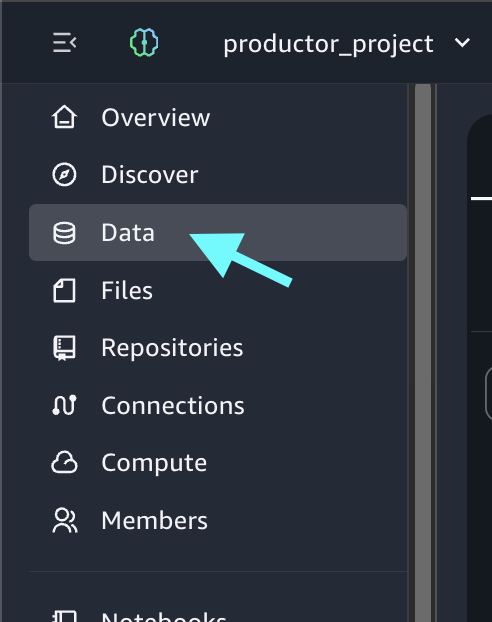
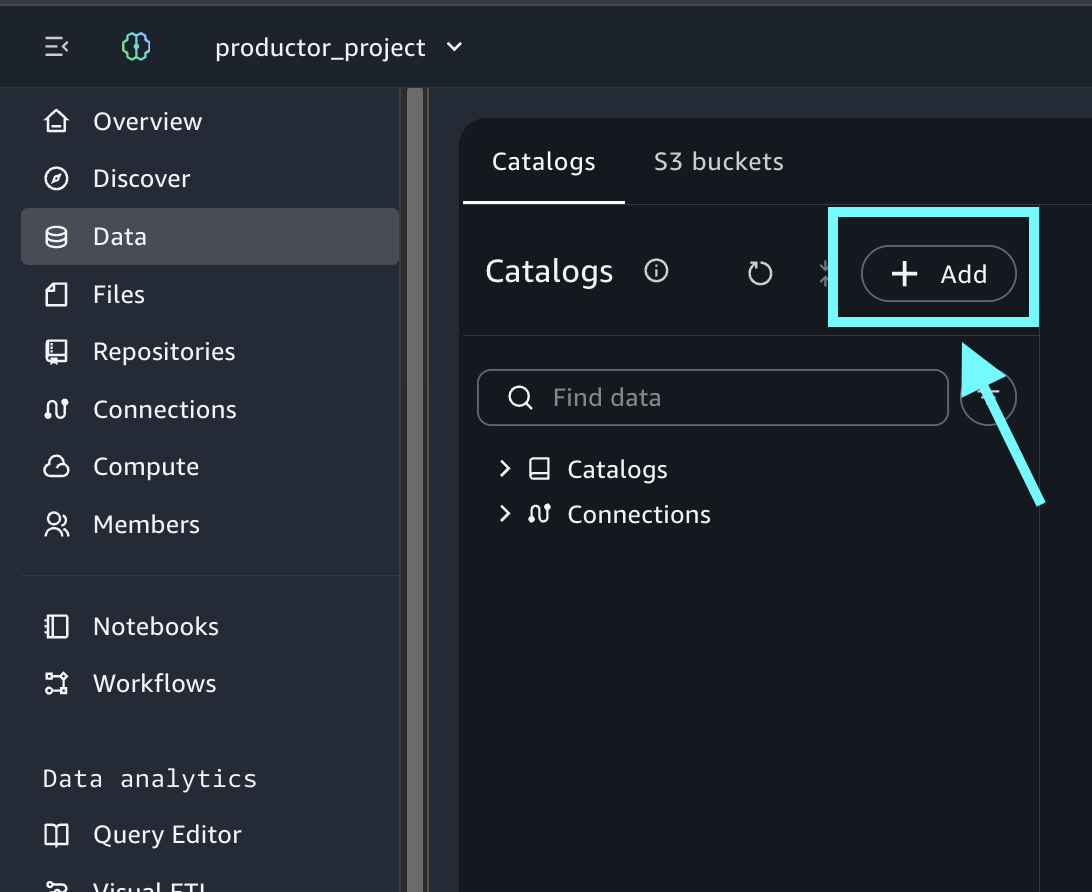
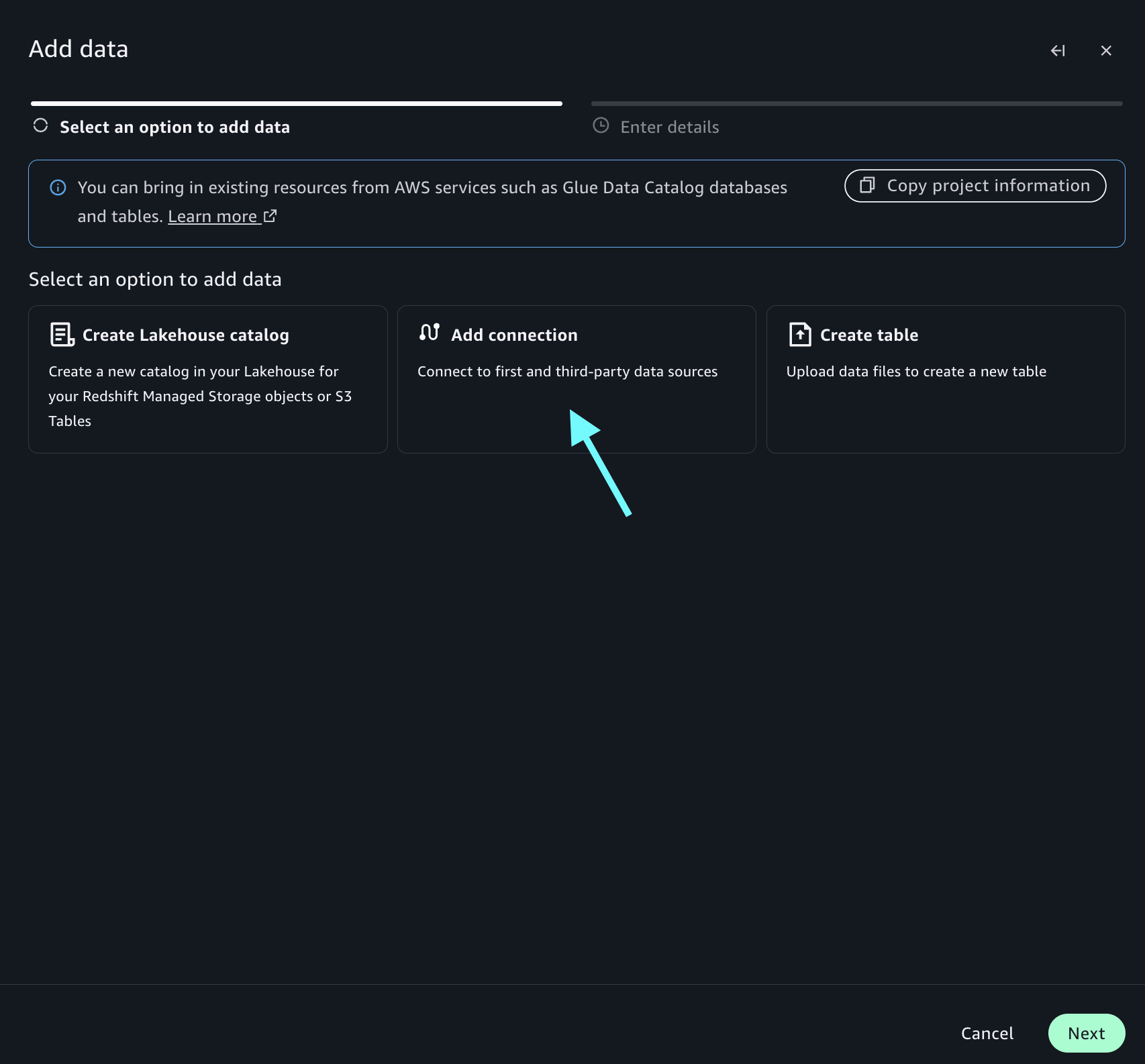
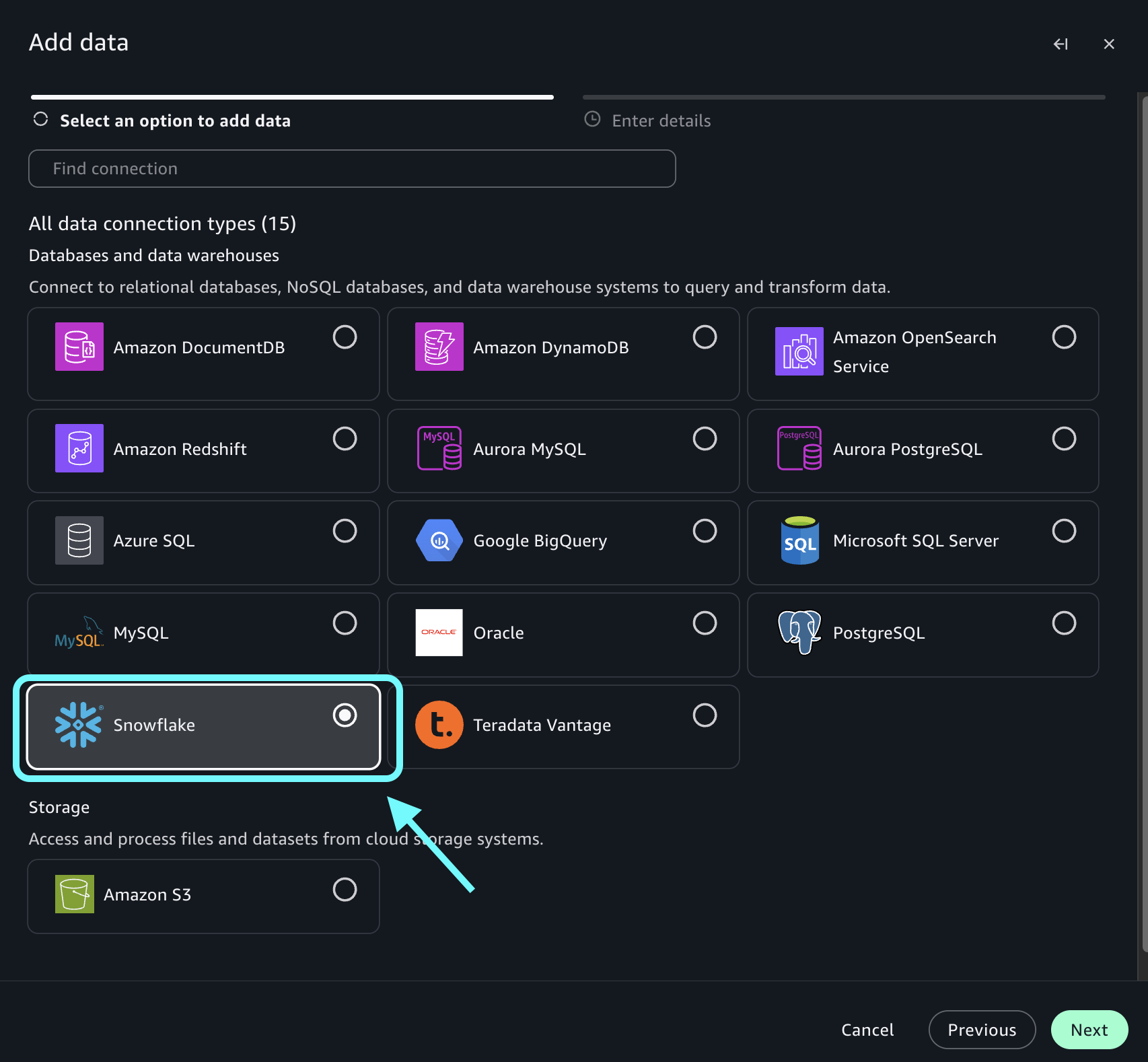
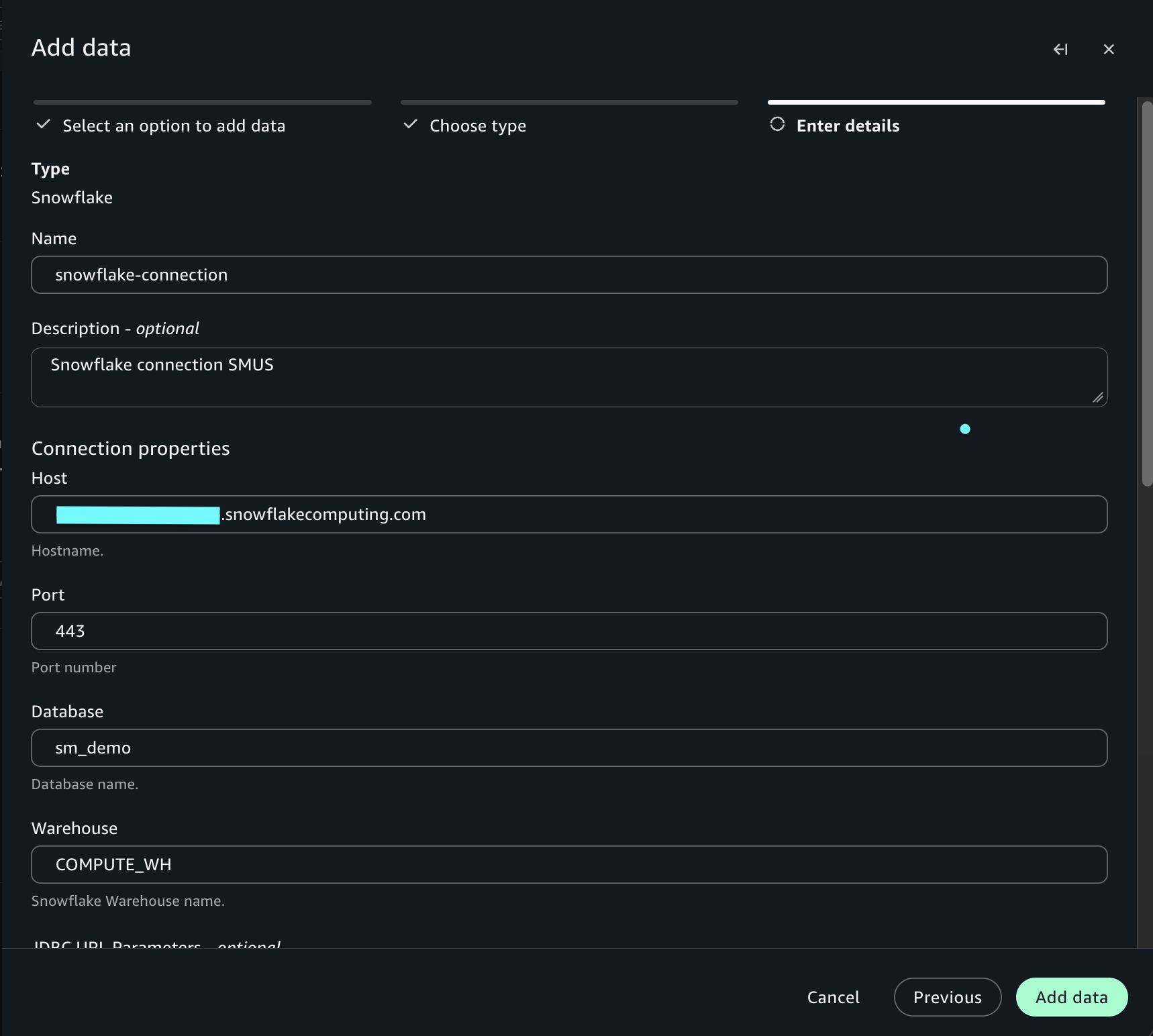
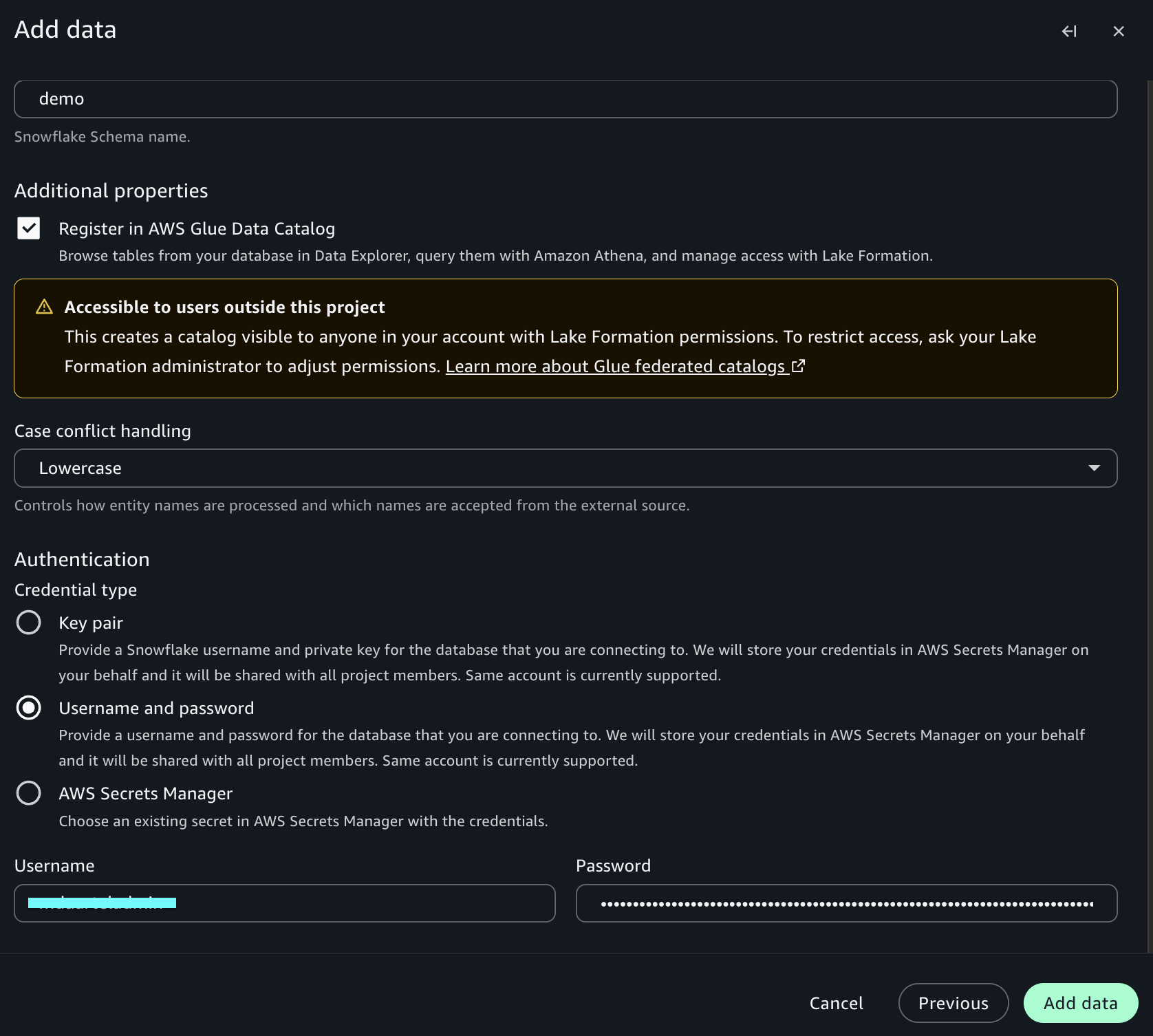
- Connection Establishment: The user configures a secure link between the SageMaker Unified Studio domain and the target Snowflake account.
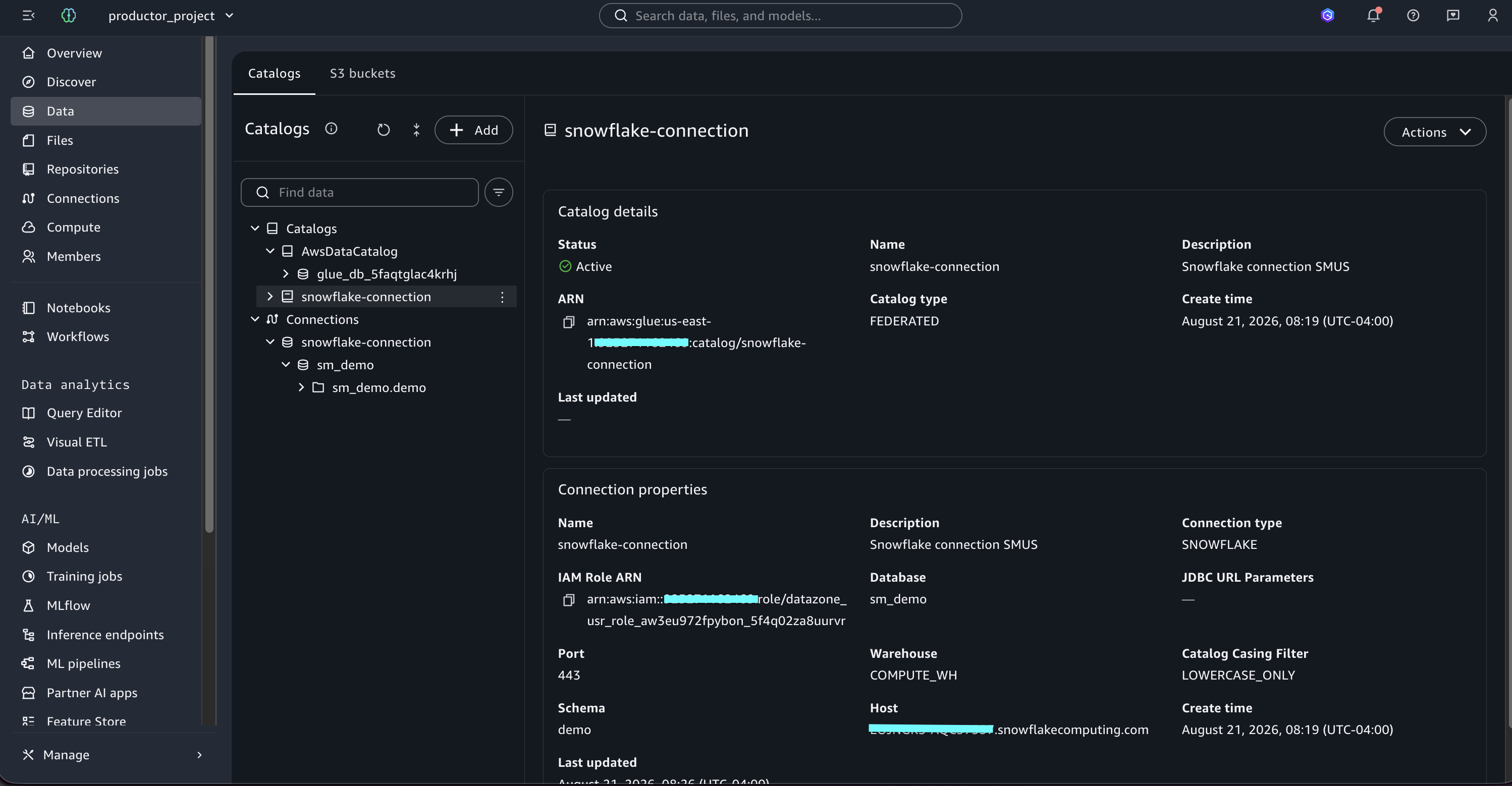
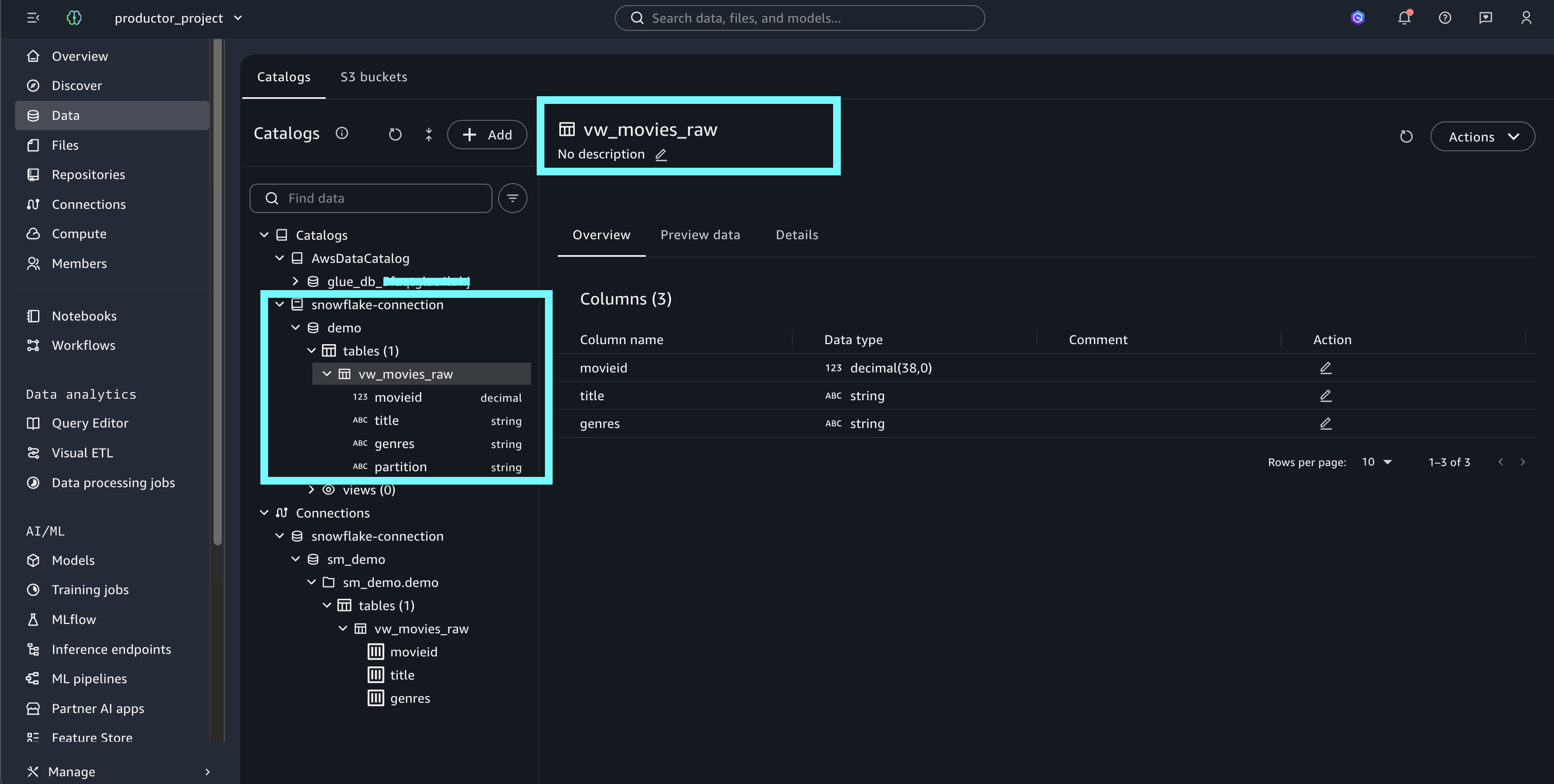
- Catalog Federation: Once connected, the federated Snowflake catalog is registered within the AWS Glue Data Catalog.
- Data Quality Validation: Using AWS Glue Visual ETL, engineers apply Data Quality Definition Language (DQDL) rules to the federated tables.
- Metadata Enrichment: The data assets are published to the Amazon SageMaker Catalog, where they are automatically tagged and enriched with business metadata.
- Consumption: Data consumers can now discover, query, and analyze the data without ever requiring direct access to the source Snowflake instance or creating intermediate storage layers.
Technical Architecture and Data Sovereignty
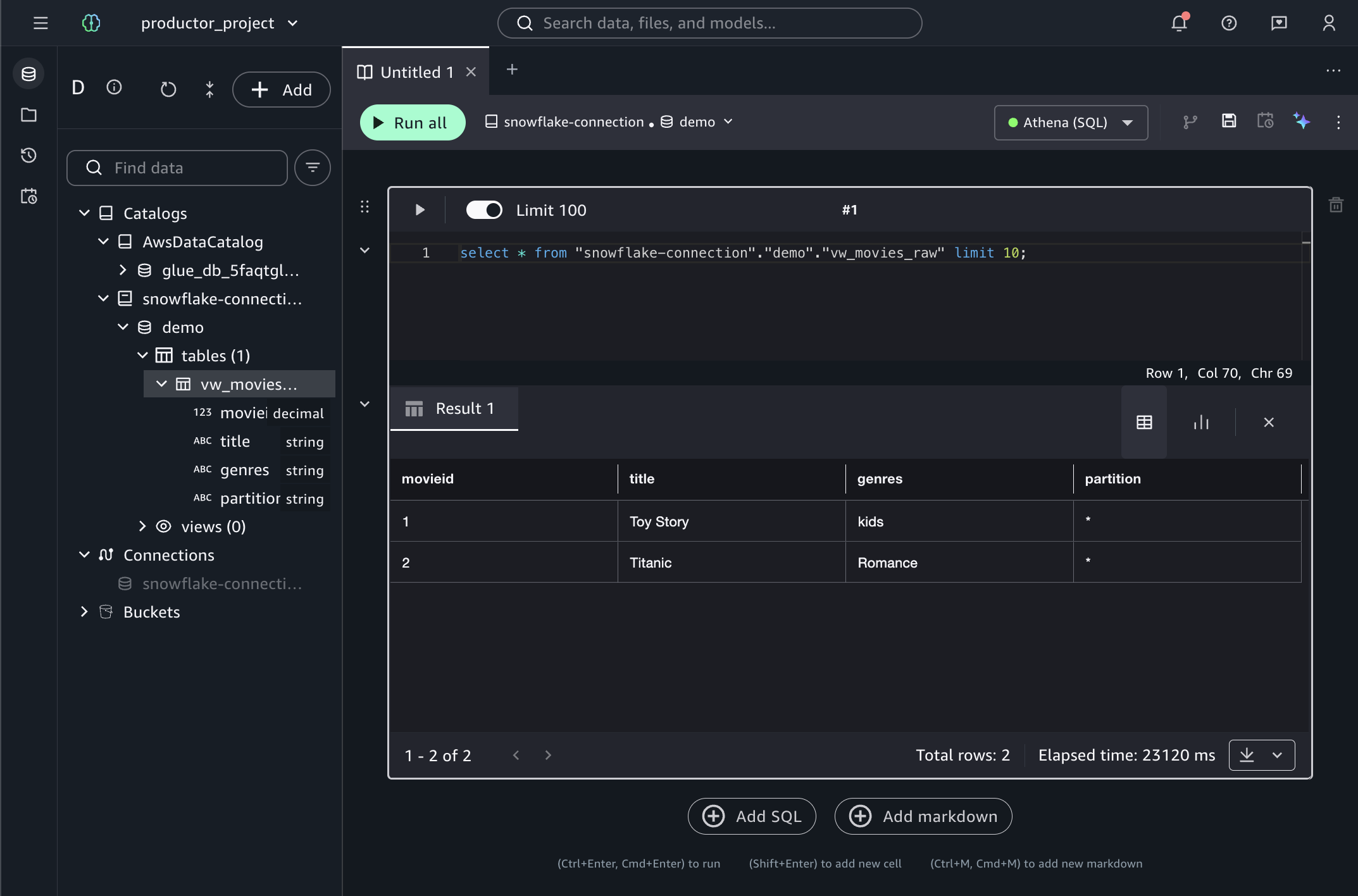
A central pillar of this integration is the role of Amazon Athena as the underlying query engine. When an analyst initiates a query within the SageMaker Unified Studio query editor, the process is handled through a push-down execution model. Athena retrieves the table metadata from the AWS Glue Catalog, establishes a secure handshake with Snowflake, and pushes the query logic directly to the source database.
This architectural decision is critical for data sovereignty and performance. Because Snowflake processes the data in its native environment, only the final result set—not the entire raw dataset—traverses the network connection. This minimizes latency, reduces egress costs, and ensures that sensitive data remains within its original, governed environment throughout the entire lifecycle of the analytics project.
Strengthening Data Trust with Automated Quality Assurance
One of the most significant challenges in distributed data environments is the "trust gap." If consumers cannot verify the quality of the data they are accessing, they are less likely to adopt it, leading to under-utilization of valuable assets.
By integrating AWS Glue Data Quality directly into the pipeline, organizations can now assign "trust scores" to federated assets. These scores are derived from automated tests that verify schema integrity, null-value constraints, and business-specific logic. When these results are posted to the Amazon SageMaker Catalog, they appear as a visual indicator of data health. This transparency empowers data consumers—whether they are data scientists, business analysts, or executive stakeholders—to make informed decisions about whether a dataset is suitable for their specific use case before they even begin their analysis.
Strategic Implications for Enterprise Data Governance
The broader implication of this integration is a move toward "governance at the edge." In a world where data is increasingly decentralized, relying on a central IT team to manually vet and prepare data for every department is no longer sustainable.
By empowering data producers to register and validate their own Snowflake assets within a centralized catalog, organizations are effectively distributing the burden of governance. This model supports a "Data Mesh" philosophy, where domain-specific teams retain control over their data while adhering to global standards defined by the central organization.
Furthermore, the lack of data replication offers clear financial and security benefits. Storage costs associated with redundant S3 buckets are eliminated, and the attack surface is significantly reduced because sensitive data is not being copied across multiple cloud storage environments. Security teams can focus on securing the primary connection and enforcing fine-grained IAM (Identity and Access Management) policies, rather than monitoring the proliferation of data copies across the enterprise.
Implementation and Security Considerations
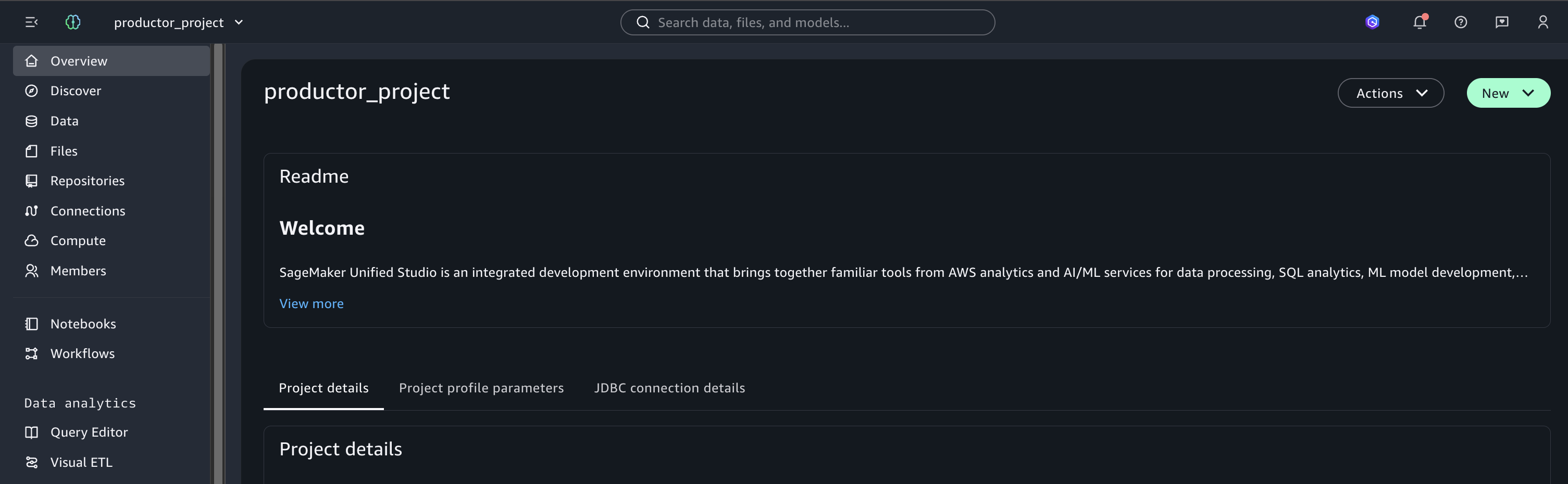
For organizations looking to adopt this solution, the prerequisite requirements are designed to align with existing AWS security best practices. The AWS Glue job execution role must be granted specific permissions to interact with the SageMaker Catalog, including search and listing capabilities for DataZone domains.
The configuration of the IAM role as an Amazon SageMaker domain user, coupled with proper project-level permissions, ensures that only authorized personnel can orchestrate these federated connections. As with any cloud-based integration, administrators should consult the AWS Glue and SageMaker Unified Studio security documentation to ensure their implementation adheres to the principle of least privilege.
Conclusion
The ability to seamlessly connect Snowflake data to the Amazon SageMaker Unified Studio environment represents a significant maturation of cloud data tooling. By removing the technical friction of manual ETL and the security risks of unnecessary data replication, organizations can focus on the primary objective of data strategy: deriving actionable intelligence.
As the industry continues to move toward more complex, multi-cloud and hybrid environments, the value of platforms that prioritize interoperability and automated governance will only grow. This solution serves as a blueprint for organizations seeking to break down data silos, foster collaboration, and ensure that their data remains both discoverable and trustworthy in an increasingly complex digital landscape. By treating Snowflake as an integrated partner in the AWS analytics journey, businesses can finally unlock the true potential of their distributed data estates, ensuring that the right data is available to the right people at the right time.