The Future of Web Development: Interop 2027 and the Evolution of Modern CSS Standards

For the past several years, the major browser vendors—Google, Apple, Microsoft, and Mozilla—have collaborated alongside standards bodies like Igalia and Bocoup to unify the fragmented landscape of web technologies through the Interop project. This initiative, designed to address the long-standing problem of inconsistent feature implementation across browsers, has transformed the web development ecosystem. By identifying specific focus areas each year, the project has successfully pushed support for critical web standards toward near-universal availability within 12-month cycles. As the industry approaches 2027, the Interop project stands as the primary mechanism for ensuring that developers can build applications that function identically across Chromium, Safari, and Firefox.
The efficacy of this collaborative model was most clearly demonstrated by the trajectory of CSS Subgrid. Despite being implemented in Firefox as early as 2019, the feature languished in other browsers for years, creating a significant barrier to the adoption of advanced grid-based layouts. Following its inclusion in the Interop 2023 roadmap, the industry witnessed a rapid shift: test pass rates for Subgrid across all major browsers rose from approximately 12% in January 2023 to over 90% by the end of that year. This rapid convergence underscores the project’s ability to align competing corporate interests with the practical needs of the developer community.
The Planning Phase for Interop 2027
As of late 2026, the planning cycle for Interop 2027 is underway. The Mozilla team has introduced a community-driven ranking system, allowing developers to upvote proposed features based on their practical utility and industry demand. This shift toward a more transparent, democratic process reflects the growing influence of the developer community in shaping the underlying architecture of the web. The final selection of focus areas will directly determine the capabilities of the browser engines in the coming year, effectively setting the roadmap for what developers can safely deploy in production environments.
Emerging CSS Capabilities: A Technical Overview
The current proposals for the 2027 cycle include several transformative features aimed at closing the gap between native browser capabilities and the complex requirements of modern UI design. Among the most anticipated are CSS functions, which would allow developers to define reusable logic within stylesheets. Similar to programming functions, the proposed @function syntax would enable the creation of dynamic, modular CSS, such as custom coordinate transformations or complex gradient generators. By moving these calculations into the browser engine, developers can reduce reliance on pre-processors and external libraries, potentially improving performance and maintainability.
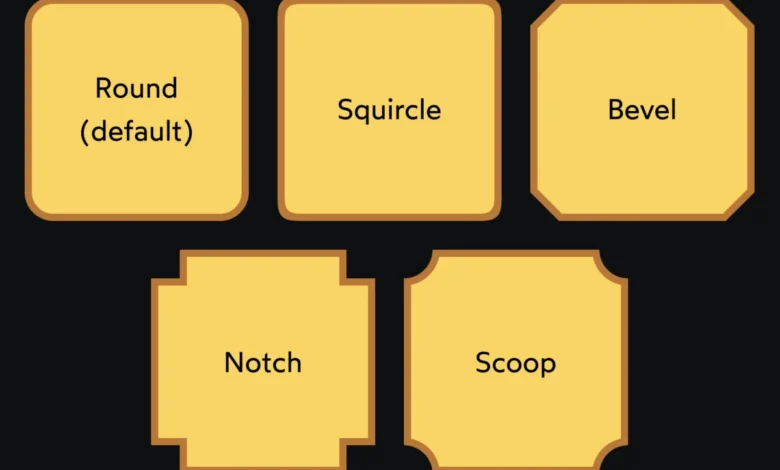
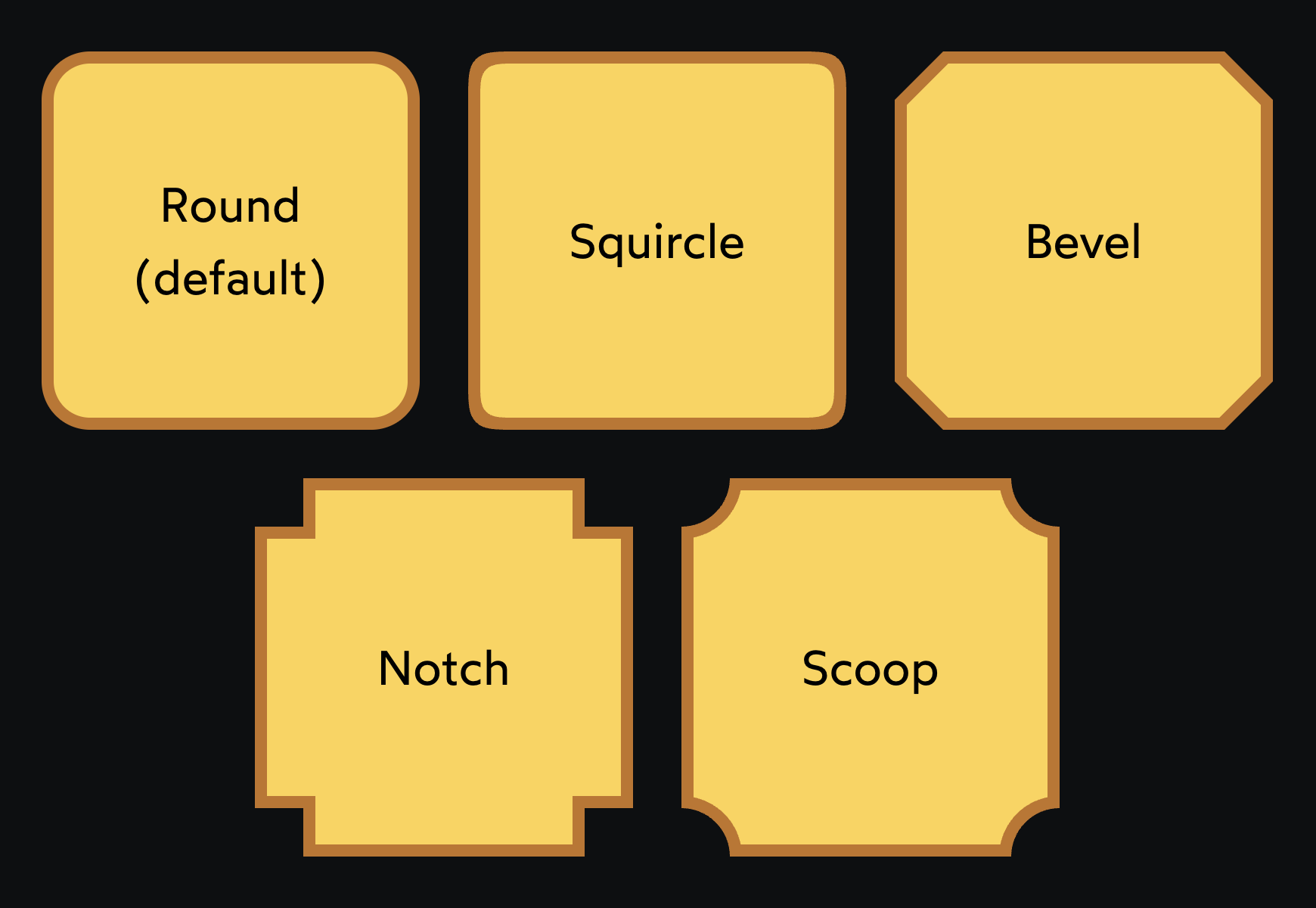
Another major focus is the evolution of container shapes through corner-shape and border-shape properties. While current CSS allows for basic rounded corners, these new proposals offer advanced geometric control, including bevels, notches, and squircle-style superellipses. Critically, these properties alter the border-box itself, meaning that borders, outlines, and shadows will automatically adapt to non-standard shapes. This represents a significant advancement over current workarounds, which often rely on restrictive clip-path masks that ignore the natural flow of the DOM.

Advancing UI Logic and Accessibility
The scope of the 2027 proposals extends beyond aesthetics into the realm of complex UI logic and accessibility. Anchored Container Queries, an extension of the existing Anchor Positioning API, are being positioned to solve the perennial issue of floating UI components—such as tooltips or dropdowns—that fail to render correctly when they hit viewport boundaries. By providing a mechanism to detect if an element has triggered a fallback position, developers can dynamically adjust UI elements to improve user experience without resorting to JavaScript-heavy calculations.
Similarly, the proposed reading-flow property addresses the long-standing misalignment between visual layouts and document order. In responsive design, where an element’s visual position may change significantly across screen sizes, the DOM-based tab order often becomes illogical or inaccessible to screen-reader users. The reading-flow property would allow developers to enforce a logical navigation sequence that follows the visual structure, directly improving the web’s baseline accessibility.
Animation and Layout Refinement
The Interop 2027 roadmap also considers refinements to scroll-based interactions. While scroll-driven animations have already achieved cross-browser support, the proposed scroll-triggered animations would allow developers to initiate keyframe sequences at specific scroll points, similar to a proximity sensor. This addition would simplify the creation of complex, scroll-responsive storytelling elements.
Furthermore, the industry is evaluating a solution for animating keyword-based sizes. Historically, browsers have struggled to interpolate transitions between fixed values and auto sizing. The combination of interpolate-size and the calc-size() function aims to standardize this behavior, finally enabling smooth, performance-optimized accordions and collapsible sections without the need for fixed-height hardcoding. Additionally, the introduction of gap decorations—specifically the rule property—would allow developers to place borders between grid cells without needing to explicitly wrap content in individual elements, streamlining the structure of complex data grids.
The Strategic Value of Standards in the AI Era
The ongoing development of these standards carries implications for the future of software engineering. With the rise of Large Language Models (LLMs) and AI-assisted coding, there is a recurring debate regarding the necessity of human expertise in low-level web technologies. However, industry analysts argue that the importance of understanding these standards is growing rather than diminishing. Because AI models are frequently trained on outdated data, they often default to legacy workarounds rather than leveraging the most efficient, modern features of the CSS specification.
Professional developers, therefore, play a critical role in guiding these agents. By possessing a deep, empirical understanding of the evolving web platform, engineers can ensure that the code produced by AI is not only functional but also performant, accessible, and aligned with current best practices. The transition from legacy CSS to modern, standards-based code is not merely an academic exercise; it is a fundamental requirement for building the next generation of resilient, high-performance web applications.

Broader Implications and Industry Outlook
The Interop project has fundamentally altered the pace of innovation on the web. By standardizing the implementation of features like container queries, scroll-driven animations, and CSS Grid, the browser vendors have eliminated years of technical debt that previously forced developers to choose between browser compatibility and feature parity.
As the industry looks toward the conclusion of 2026 and the start of the 2027 cycle, the focus remains on closing the remaining gaps in the web platform. The proposed features for 2027 are not merely "nice-to-haves"; they represent the necessary infrastructure for a web that is increasingly modular, accessible, and responsive. For developers, the message is clear: the ability to build sophisticated, native-like interfaces is becoming a standardized, supported reality. As the ranking process for Interop 2027 continues, the collective input of the web community will once again dictate the technological boundaries of the browser, ensuring that the web remains a robust and evolving platform for years to come.