Frontend Development Digest: Modern CSS Innovations, Tooling Updates, and the Evolution of Web Standards

The landscape of web development continues to evolve at a rapid pace, marked by a fascinating duality between honoring historical browser workarounds and adopting cutting-edge native layout capabilities. Recent developments in the front-end ecosystem highlight a renewed focus on native CSS features—such as anchor positioning and line-height units—reducing the industry’s historical reliance on JavaScript for complex UI patterns. At the same time, tooling for asset generation, code quality checklists, and build-time style compilation are experiencing notable updates. This comprehensive review examines the primary technical discussions, architectural shifts, and tooling releases shaping the frontend engineering community.
Main Facts and Ecosystem Overview
Recent weeks have brought a flurry of technical analyses and tooling releases aimed at streamlining developer workflows and modernizing web presentation layers. Among the most prominent technical discussions is a nostalgic yet educational look back at historical CSS hacks used during the Internet Explorer era, contrasting sharply with modern explorations into native CSS anchor positioning.

Simultaneously, the debate over image formats for the web has reignited with critical evaluations of JPEG XL in browser environments. Tooling updates have also taken center stage, highlighted by the release of SnapDOM 3.0 for DOM-to-image conversion, major expansions to the Front-End Checklist now supporting AI context integration via MCP (Model Context Protocol), and deep dives into Meta’s build-time styling solution, StyleX. These updates collectively illustrate an industry striving for higher performance, reduced JavaScript overhead, and stricter code quality enforcement.
Chronology of Recent Front-End Technological Milestones
To understand how modern web development arrived at its current intersection of legacy appreciation and advanced native features, it is helpful to examine the chronological progression of key standards and tools:
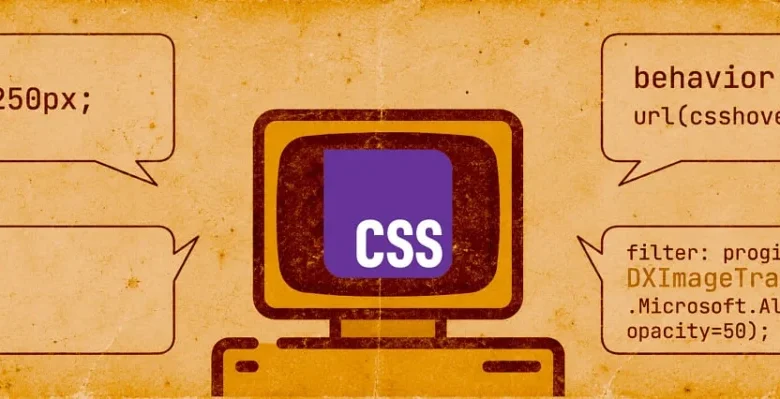
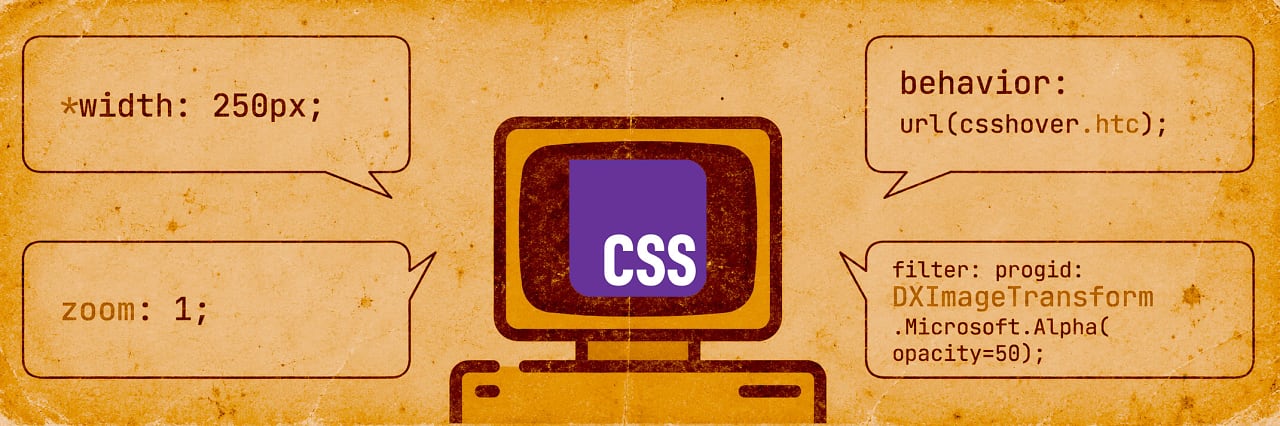
- Early 2000s to 2010s: The era of non-standard CSS quirks. Developers relied on proprietary techniques—such as Internet Explorer’s "star hack," conditional comments, expression properties that allowed arbitrary JavaScript execution within CSS files, and DirectX filters—to achieve cross-browser visual consistency. The famous box model bug necessitated dedicated hacks like Tantek Çelik’s box model hack to normalize rendering across competing browser engines.
- Late 2010s to Early 2020s: The rise of utility-first CSS frameworks, CSS-in-JS libraries, and heavy client-side rendering dominated architecture decisions. Developers frequently turned to third-party JavaScript libraries to handle complex layout calculations, positioning, and DOM snapshotting.
- 2023–2025: Introduction and standardization of powerful native CSS features. The CSS working group advanced properties like relative length units (including
lh), container queries, and the foundational specifications for CSS Anchor Positioning, signaling a strategic shift back to browser-native layout engines. - Present Day: The modern era emphasizes zero-runtime or build-time styling solutions (such as StyleX), integration of AI tooling into quality assurance workflows, and native implementations of complex features that previously required heavy scripting.
Supporting Data and Technical Breakdown
The recent discourse spans several core technical domains, each contributing to the ongoing refinement of web standards and developer toolkits.
CSS Relics and Modern Alternatives
A retrospective look at historical CSS quirks by developer Declan Chidlow highlights the ingenuity required by front-end engineers two decades ago. Techniques like the star hack (*html) targeted specific versions of Internet Explorer by exploiting parser bugs, while CSS expressions allowed dynamic script evaluation that ultimately proved detrimental to browser performance and security. Today, these practices serve as historical markers, contrasting with the declarative, secure, and highly optimized nature of modern CSS.
Better Icon and Label Alignment via the lh Unit
In layout design, vertically aligning icons with multi-line text blocks has historically posed a persistent challenge. Traditional flexbox or grid alignments center icons relative to the entire line-box height, which looks aesthetically unbalanced when text wraps onto multiple lines. Ahmad Shadeed’s recent exploration demonstrates how utilizing the lh (line height) unit allows developers to tie sizing and positioning directly to the typographic metric of the text itself, ensuring precise vertical alignment regardless of line-wrapping behavior.
Sidenotes with CSS Anchor Positioning
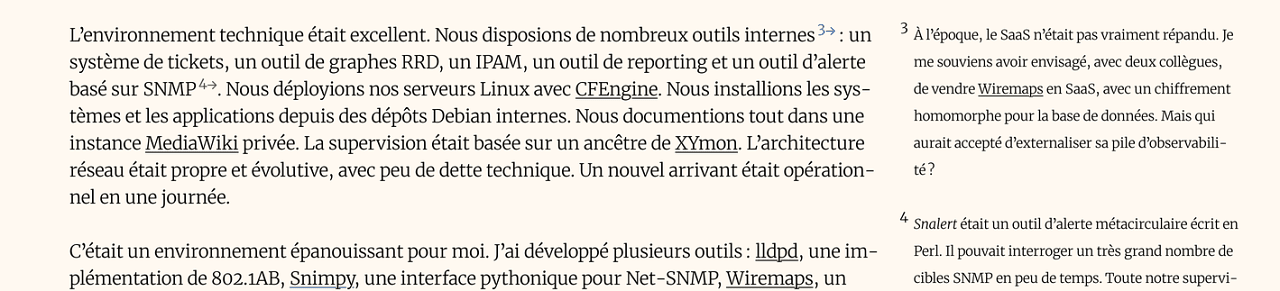
Traditionally, implementing Edward Tufte-style sidenotes—marginal annotations placed alongside relevant body text—required complex JavaScript layout calculations to prevent overlapping and to reposition notes dynamically during window resizing. Vincent Bernat’s recent architectural breakdown showcases how native CSS Anchor Positioning allows developers to achieve this purely through CSS. This JavaScript-free approach ensures multi-block support while degrading gracefully on narrow viewports and legacy browsers that lack anchor positioning support, significantly improving performance and reducing script execution time.

The JPEG XL Browser Debate
As browser vendors gradually introduce support for new image codecs, technical debates surrounding their practical utility have intensified. Gianni Rosato, an AV1 encoder developer and former proponent of JPEG XL, published a detailed technical critique arguing that JPEG XL offers marginal, if any, discernible performance or compression advantages over AVIF for standard web use cases. While JPEG XL boasts features tailored for archival photography and professional workflows, its integration into web browsers like Chrome and Firefox has prompted web performance engineers to weigh the binary trade-offs of supporting yet another complex decoding pipeline.
Tooling, Libraries, and Code Quality Infrastructure
The infrastructural layer of frontend engineering has also received significant upgrades, focusing heavily on automation, code quality, and testing utilities.
SnapDOM 3.0: High-Performance DOM-to-Image Conversion
For applications requiring client-side image generation from DOM nodes—such as certificate generators, social sharing image creators, and data dashboards—relying on robust capture tools is essential. Zumerlab released SnapDOM 3.0, a dependency-free alternative to traditional libraries like html2canvas. Version 3.0 introduces "incremental recapture" for rapid repeated captures, automatic embedding of web fonts, and the new fromString() method, which permits direct rendering of raw HTML markup into image formats while supporting pseudo-elements and the Shadow DOM.
Expanding the Front-End Checklist with AI Integration
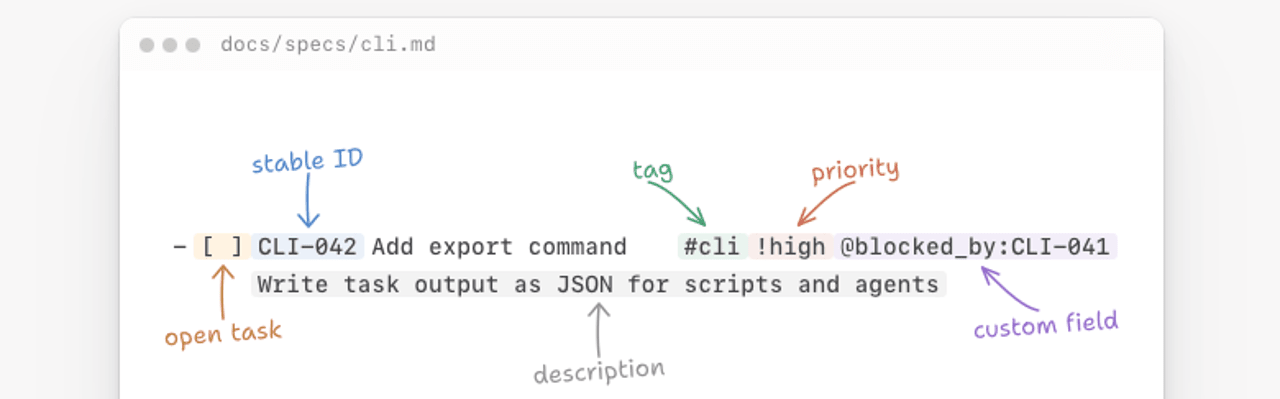
Code quality governance remains a cornerstone of enterprise web development. The Front-End Checklist, curated by David Dias, has expanded to encompass nearly 400 rigorous quality rules spanning accessibility, performance, security, and search engine optimization. Crucially, the latest iterations allow engineering teams to connect the checklist directly to advanced artificial intelligence assistants such as Claude and Cursor via the Model Context Protocol (MCP). This integration enables AI coding agents to evaluate codebase implementations against standardized industry best practices in real time, minimizing human oversight errors.
Deep Dive into Meta’s StyleX
Styling architecture continues to be a heavily contested domain. Flavio Copes’ architectural review of Meta’s StyleX library highlights its unique positioning in the ecosystem. StyleX compiles JavaScript style objects into deterministic, atomic CSS rules at build time. By combining the developer experience of writing inline JavaScript objects with the raw performance and zero-runtime overhead of traditional CSS stylesheets, StyleX has gained traction—particularly among teams utilizing AI coding agents, as its strict typing and modular structure reduce style collision errors.
Official Responses, Industry Reactions, and Developer Sentiment
While frontend tooling vendors and specification authors operate in a decentralized ecosystem, community sentiment across major engineering forums reflects a distinct set of priorities. Developers have expressed growing enthusiasm for browser vendors prioritizing native layout primitives over third-party polyfills. The enthusiasm surrounding CSS Anchor Positioning and container queries demonstrates a collective desire to eliminate fragile JavaScript layout loops.
Conversely, discussions surrounding image codecs like JPEG XL reveal a cautious pragmatism. Engineering leads at high-traffic web properties frequently emphasize that adding new decoders to the browser attack surface and maintenance burden must be justified by clear, measurable performance gains over established standards like WebP and AVIF.
Furthermore, the integration of AI tools into established checklists—such as the Front-End Checklist MCP integration—has been widely praised by engineering managers aiming to enforce consistent code quality guardrails across distributed teams utilizing generative AI assistants.
Broader Impact and Future Implications
The convergence of historical retrospection and advanced native CSS capabilities signals a mature phase in web engineering. As browsers implement more sophisticated layout and styling primitives, the boundary between what requires JavaScript and what can be handled natively continues to shift decisively toward the browser engine.
- Reduced JavaScript Payload: By migrating layout-dependent UI patterns (such as sidenotes and complex positioning) to native CSS, applications can significantly reduce their client-side JavaScript execution times, improving Core Web Vitals metrics like Interaction to Next Paint (INP).
- Tighter AI Integration in Workflows: The incorporation of structured quality rules into AI developer tooling points toward a future where automated code review agents operate against explicit, version-controlled engineering standards rather than heuristic guesses.
- Continued Focus on Build-Time Optimization: The popularity of build-time style compilation tools like StyleX underscores an industry-wide consensus that runtime styling overhead should be minimized, favoring atomic CSS outputs that scale efficiently across large enterprise applications.
As these standards continue to mature and gain universal cross-browser adoption, front-end engineers are increasingly empowered to build resilient, high-performance web experiences with fewer dependencies, cleaner codebases, and robust automated governance.