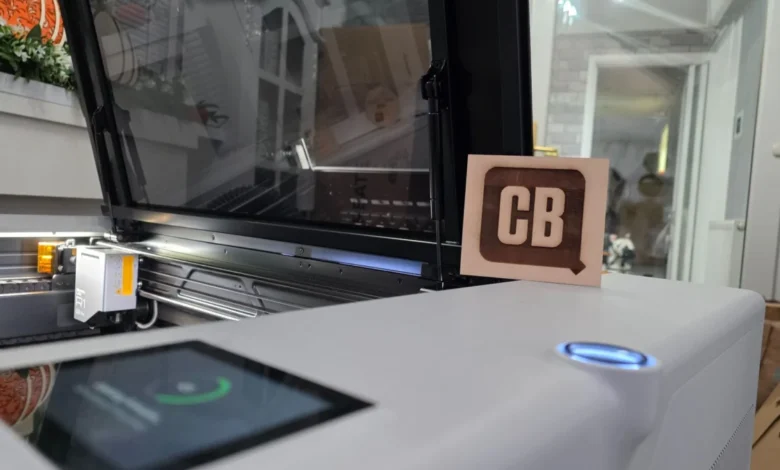
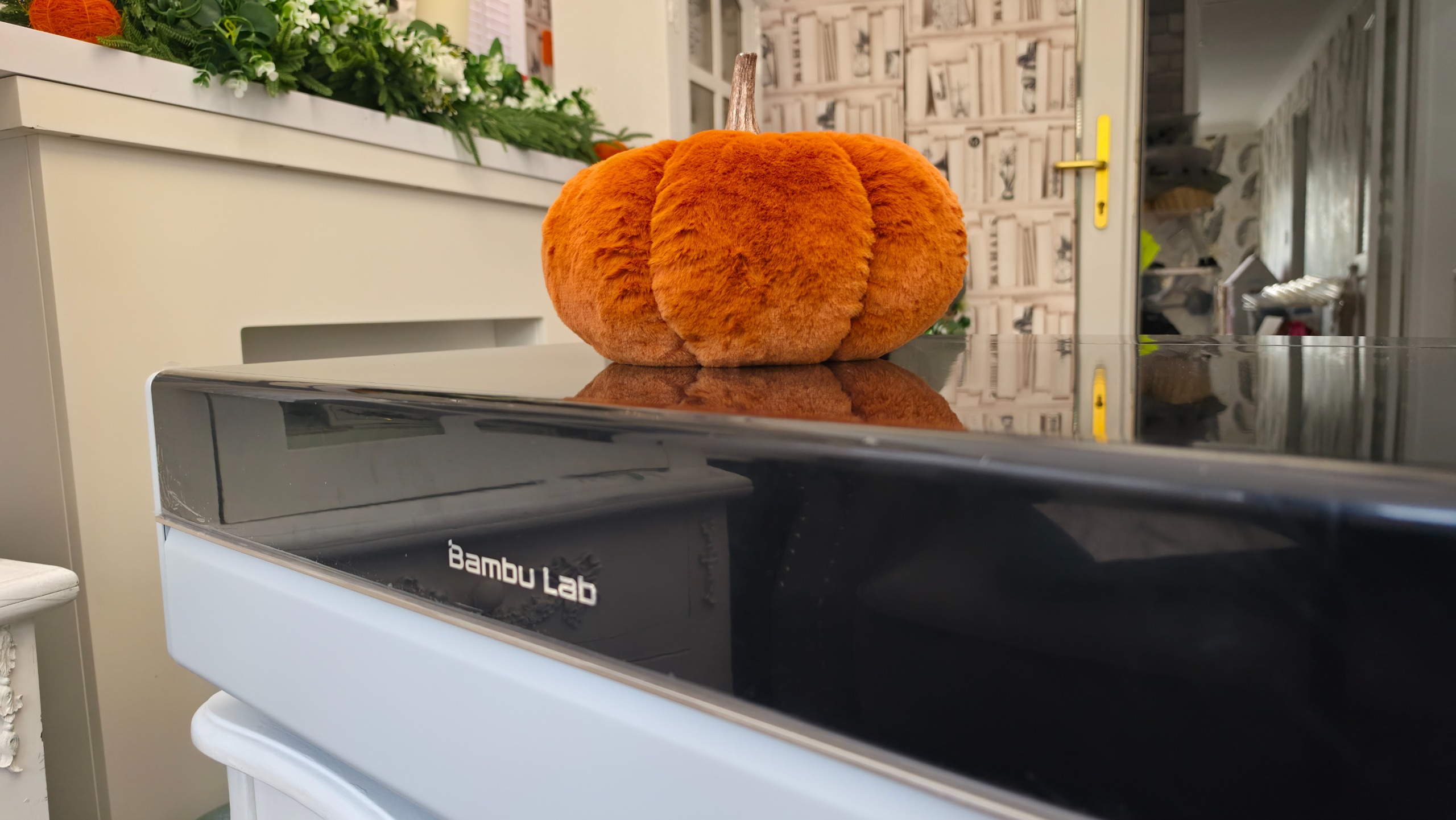
Bambu Lab, a company that has fundamentally altered the landscape of consumer-grade 3D printing over the past five years, has officially announced its first product outside of the additive manufacturing ecosystem: the R1 55W CO2 laser cutter. This move marks a strategic pivot for the brand, transitioning from a 3D printing specialist to a broader competitor in the digital fabrication space. The R1, which is scheduled to begin shipping in October, represents a direct challenge to established players in the desktop laser industry, such as xTool and Glowforge.
The Shift from Additive to Subtractive Manufacturing
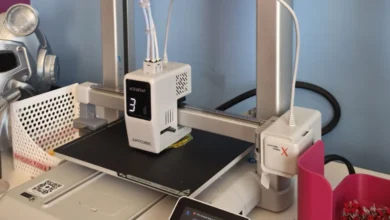
For years, Bambu Lab has focused its engineering efforts on high-speed, multi-material 3D printers, such as the X1-Carbon and the A1 series. However, the company’s recent trajectory has hinted at this expansion. The introduction of laser-cutting and engraving capabilities within their H-series 3D printers served as a technical proof-of-concept. By integrating modular cutting tools into their 3D printing platforms, Bambu Lab gained essential data on user requirements and material compatibility.
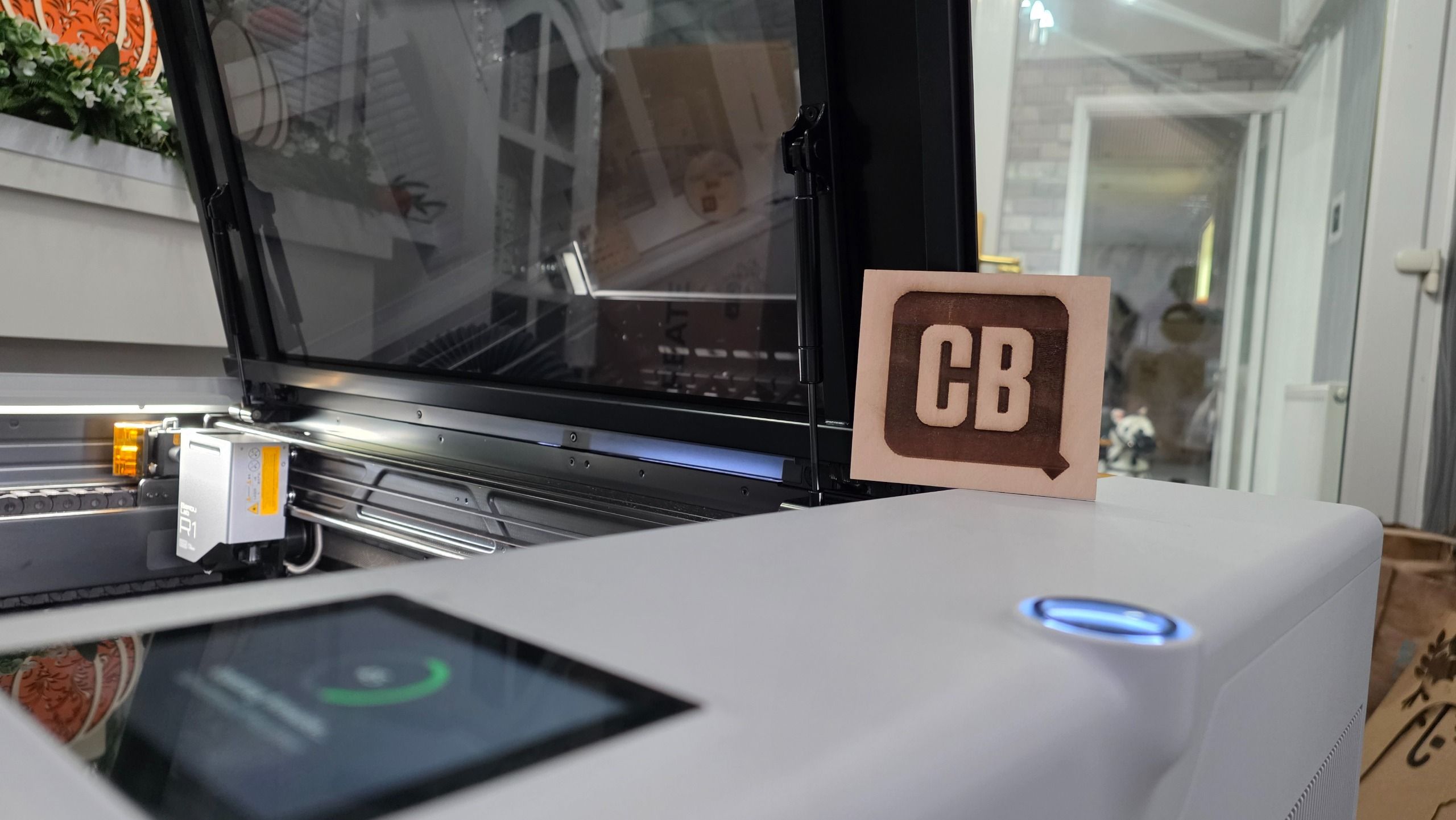
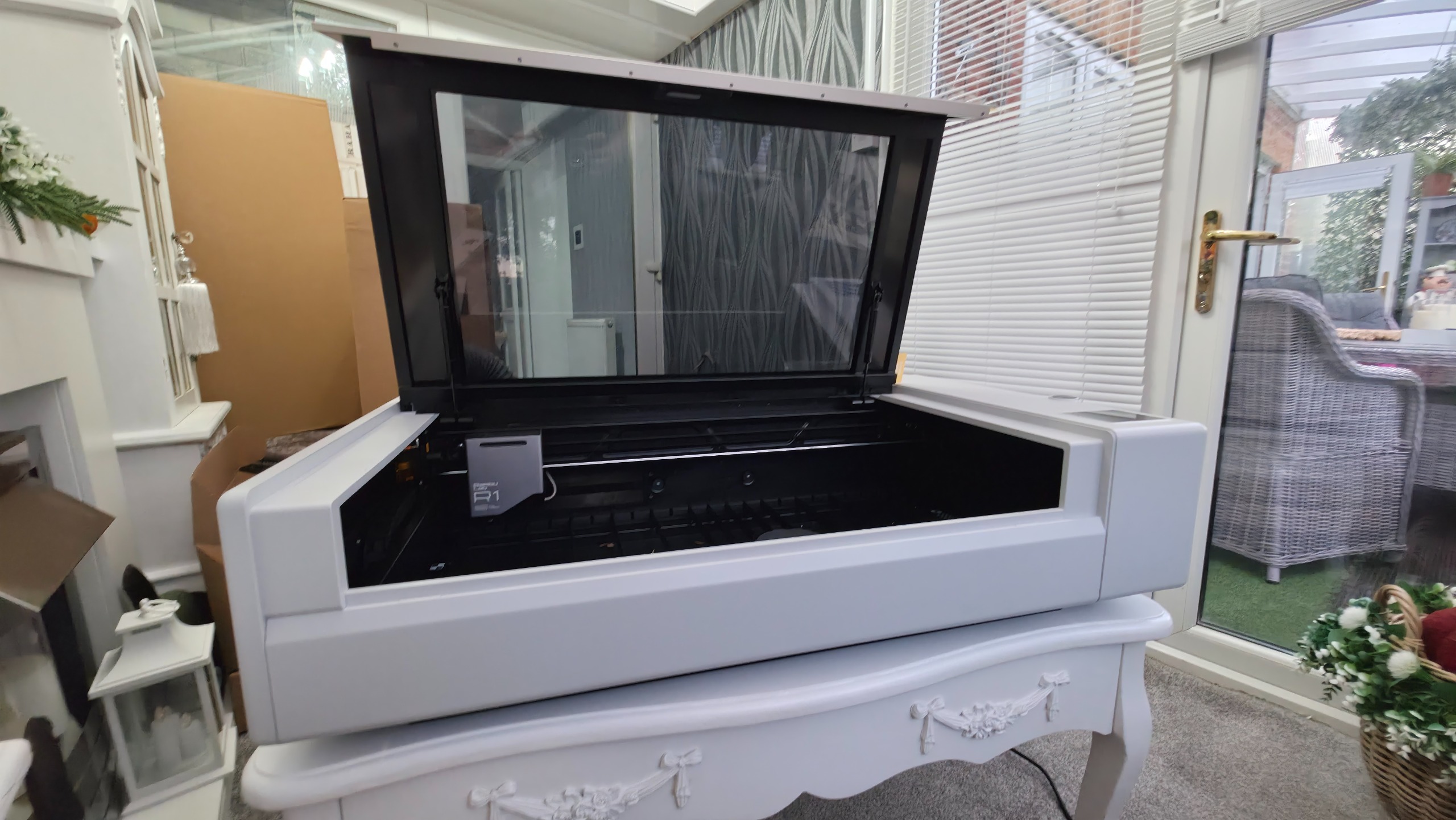
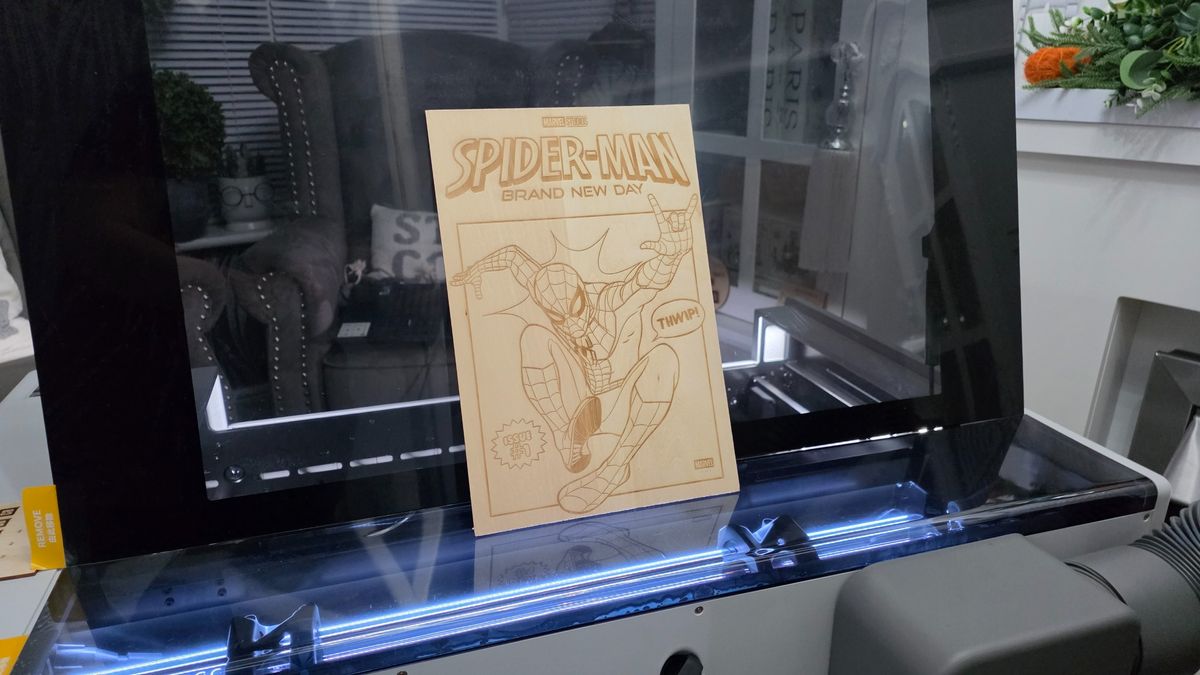
The launch of the standalone R1 unit signifies that the company is now ready to commit to the professional-grade laser market. At its core, the R1 is a 55-watt CO2 laser, a power level that bridges the gap between hobbyist diode lasers and high-end industrial cutters. This machine is designed to handle a wide range of materials, including organic substrates like wood, leather, and fabric, as well as synthetic materials like clear acrylic. Furthermore, the unit is capable of etching glass, stone, and various coated metals, offering a versatility that appeals to small-business owners and professional makers alike.
Technical Innovations: The TriSense System
One of the most significant barriers to entry for newcomers in the laser-cutting world is the calibration process. Traditionally, operating a CO2 laser requires manual mirror alignment—a tedious, technical task that involves using thermal paper to verify the laser’s trajectory. Improper alignment often leads to inconsistent cutting power and potential damage to the optics.
Bambu Lab has addressed this with the implementation of its proprietary "TriSense" technology. This system automates the optical path alignment, allowing the machine to self-calibrate. According to internal technical briefs, the system detects material placement and surface height with high precision, mapping the tool head’s path in a single click. This level of automation significantly reduces the learning curve, potentially democratizing the use of CO2 lasers for users who lack specialized training in laser optics.
Competitive Market Positioning and Pricing
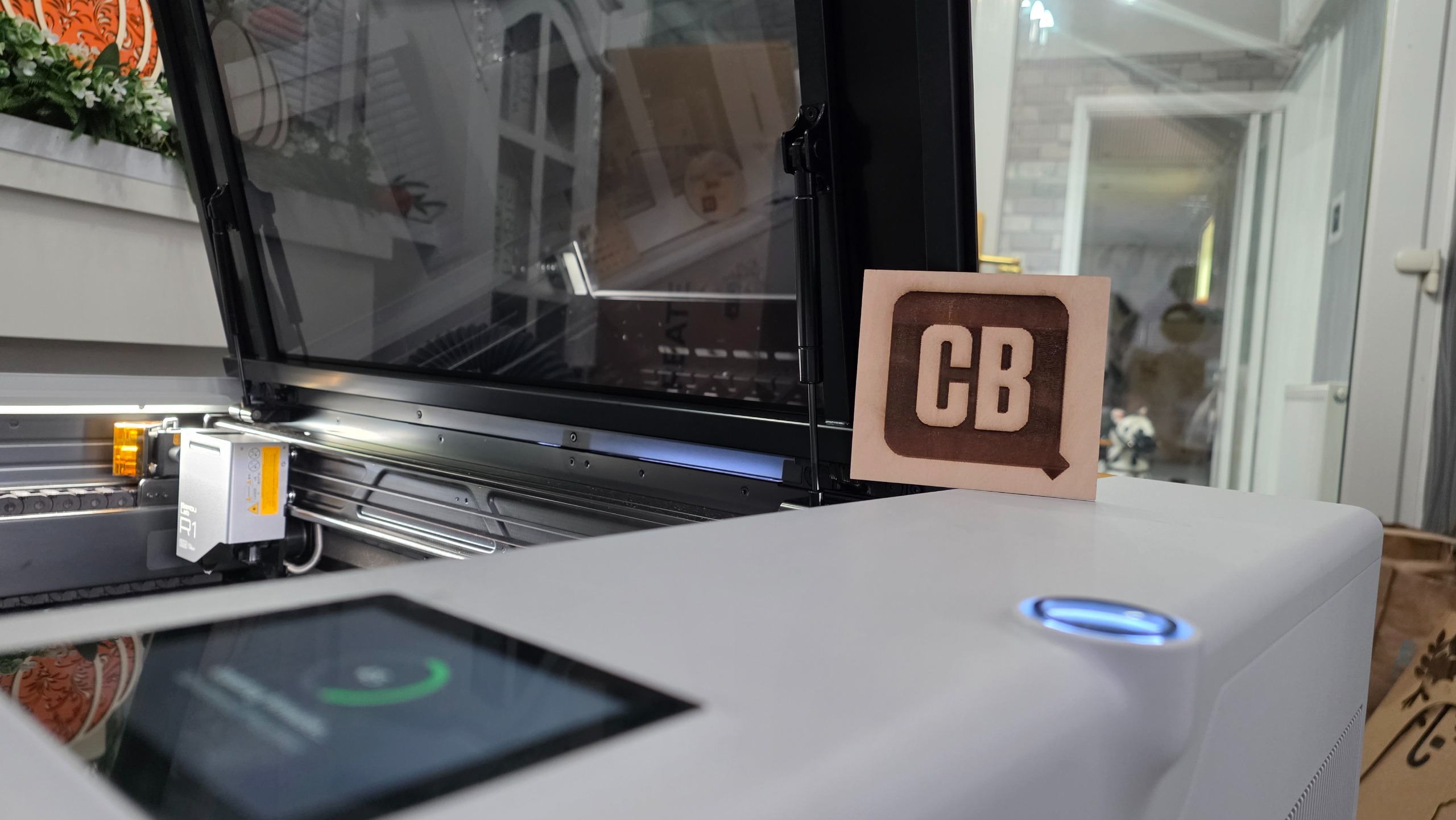
The R1 is priced at $2,499, a figure that analysts suggest is a calculated move to capture the "prosumer" segment. To put this into perspective, existing desktop CO2 lasers—such as the xTool P2S—often retail at higher price points, sometimes exceeding $4,000 depending on the bundle and feature set.
By launching at $2,499, Bambu Lab is leveraging its existing supply chain efficiencies to undercut established competitors. This pricing strategy reflects the company’s history of "disruptive entry," a tactic they used in 2022 to force a price correction across the 3D printer industry. While the R1 does not include add-ons like the conveyor attachment or the Vision Encoder—a calibration device designed to track mechanical drift—the base unit offers a competitive baseline for users who prioritize performance-per-dollar.
Safety and Regulatory Compliance
In an industry where safety protocols are paramount, the R1 has been designed to meet Class 1 certification standards. This is a critical requirement for office and home use, as it ensures that the laser beam is fully contained within the enclosure, removing the need for protective eyewear during standard operation.
The device includes a suite of safety hardware, including a physical emergency-stop button and an automatic shut-off mechanism that triggers if the lid is opened during a job. Additionally, the machine is equipped with flame detection capabilities. Users can opt for an additional "Auto Fire Extinguishing System," which provides a fail-safe against the inherent risks of laser cutting flammable materials.
Operational Ecosystem and Software
The Bambu Lab ecosystem is built on a user-friendly interface that has become a hallmark of their brand. The R1 carries this over, utilizing a familiar touchscreen interface that mirrors the design language of their 3D printers. For connectivity, the machine integrates with the "Bambu Handy" mobile app, though the core software suite for design—Bambu Suite—is a dedicated desktop application.
Unlike many competitors who gate-keep their software behind monthly subscription models or "AI credit" systems, Bambu Suite is provided at no additional cost. The software includes essential tools for image processing, such as automated background removal and vector tracing, which allow users to convert raster images into SVGs for cutting in seconds. While the reliance on a desktop download may be a limitation for tablet-only users, the software’s performance and lack of subscription fees represent a significant advantage in terms of long-term operating costs.
Industry Implications
The arrival of the R1 is expected to force a shift in the desktop laser market. Historically, the CO2 laser sector has seen slower technological innovation compared to the rapid iteration cycles of the 3D printing world. Bambu Lab’s entry introduces a "software-first" mentality to the hardware, where firmware updates and ecosystem integration are prioritized.
This integration is further evidenced by the machine’s "BirdsEye" camera, which allows users to monitor their material placement. While the current iteration of the software does not support remote video streaming—a feature that many users have requested for long-running projects—the hardware foundation is in place for future feature updates.
Looking Ahead: The Future of Digital Crafting
The introduction of the R1 also signals that Bambu Lab is no longer just a 3D printing company; they are positioning themselves as a comprehensive digital fabrication firm. By maintaining a cohesive ecosystem where a user can move from a 3D printer to a laser cutter using the same interface, software, and support channels, the company is attempting to create a "sticky" ecosystem that encourages brand loyalty.
As pre-orders for the R1 go live, the industry will be watching closely to see if the machine can maintain the same level of reliability that the company established with its 3D printers. The success of the R1 will likely be determined by the robustness of its long-term performance, particularly as it faces the daily wear-and-tear of professional workshop environments.
With shipping expected to begin in October, the R1 will soon be in the hands of early adopters. For the broader creative community, this launch represents a shift toward more accessible, automated, and powerful tools, potentially setting a new standard for what a desktop laser cutter should look like in the modern age. If the R1 performs as anticipated, it may well force legacy manufacturers to rethink their pricing, software, and automation strategies to remain relevant in a market that is increasingly dominated by consumer-friendly, high-performance hardware.