Design and the Final Frontier: How NASA’s Creative Director is Reclaiming an Iconic Visual Identity

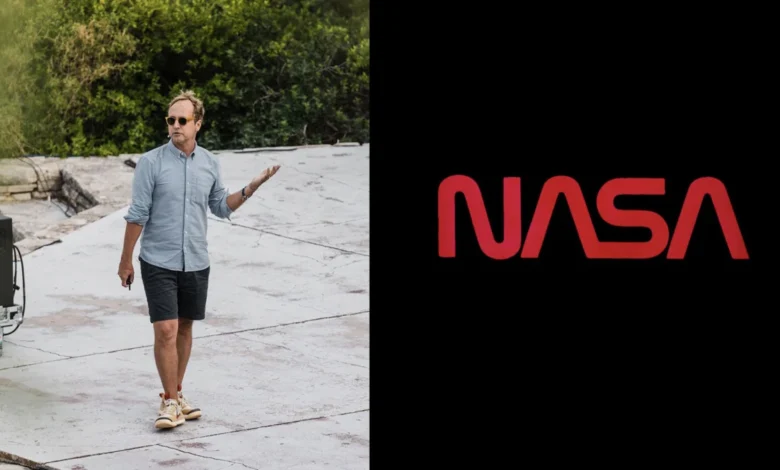
Last week, the Paradigms conference held on the picturesque Obanjan Island in Croatia served as a global nexus for design leadership, drawing creative directors and industry experts to discuss the future of brand communication. While the event featured a diverse range of speakers from high-profile design studios and tech giants, the most significant discussion centered on the visual evolution of a non-commercial entity: the National Aeronautics and Space Administration (NASA). David Rager, NASA’s creative director, delivered a keynote that shed light on the agency’s strategic efforts to modernize its brand identity while safeguarding a legacy built on scientific integrity and public trust.
The conversation highlighted the complexities of managing a brand that acts as the public face of space exploration. Rager, who has been instrumental in the agency’s recent branding initiatives, discussed the intricate process of revitalizing NASA’s aesthetic identity, most notably the successful reintroduction of the "worm" logotype, which has become a symbol of a broader effort to unify the agency’s communication across its diverse departments.
A Chronology of the Worm and the Meatball
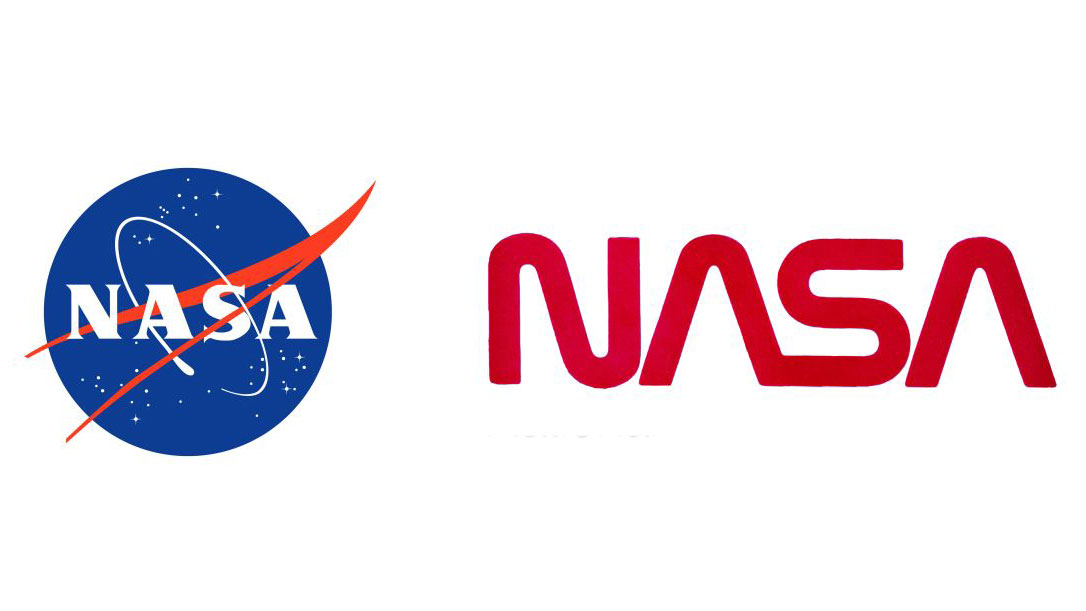
To understand the current branding strategy, one must look at the historical tension between NASA’s two most recognizable marks: the "meatball" and the "worm." The "meatball," officially known as the NASA insignia, was designed in 1959 and features a blue sphere representing a planet, stars, an orbiting spacecraft, and a red vector wing. It represents the agency’s foundational era and its deep roots in aeronautics.
In 1975, as part of the Federal Graphics Improvement Program, the agency introduced the "worm"—a minimalist, modernist logotype that replaced the insignia. The worm was hailed as a design masterpiece, eventually winning a Presidential Award for Design Excellence. However, in 1992, the administration at the time opted to revert to the meatball, citing a desire to reconnect with the agency’s Apollo-era heritage.
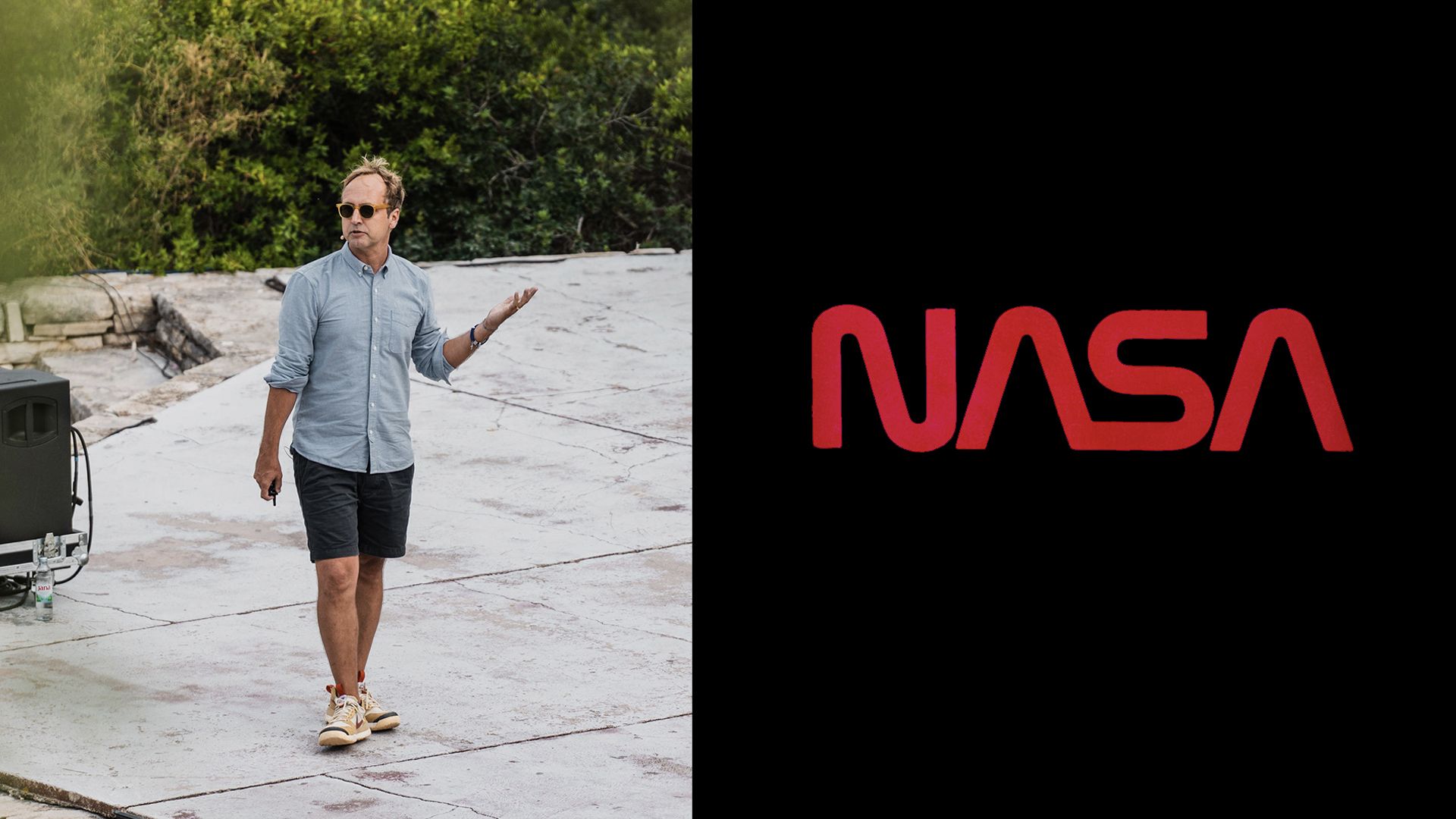
For nearly three decades, the worm remained largely relegated to the archives, save for select merchandise applications. The turning point arrived in 2020, when the agency, under a new directive to modernize its public-facing brand, reintroduced the worm as a secondary logo. This move was not merely aesthetic; it was a symbolic gesture that recognized the enduring cultural value of mid-century design. Today, both logos coexist, a testament to what Rager describes as a "peace treaty" between the agency’s history and its future. This duality has resonated with the public; the worm’s cultural footprint is so significant that it was recently acquired by the Museum of Modern Art (MoMA) for its permanent collection, solidifying its status as a piece of American design history.
Navigating the Challenges of a Heritage Brand
Managing the visual identity of a federal agency presents unique challenges that differ drastically from the corporate world. NASA is not a product-based entity; it is a mission-driven organization funded by public tax dollars. As Rager noted during his post-talk interview, the internal reception of design changes can be difficult to navigate in an organization where many staff members have spent their entire careers within a single institutional framework.
Approximately 30% of NASA’s workforce has spent their entire professional lives at the agency, and a significant portion of the staff has served for over three decades. For these employees, the branding—or "the wallpaper," as Rager colloquially describes it—is often taken for granted. The challenge for a creative director in such an environment is to demonstrate that consistent visual communication is not just a cosmetic exercise but a tool for organizational alignment. By conducting workshops and educational presentations, Rager has sought to instill an appreciation for the power of a cohesive visual language, ensuring that the agency’s outward-facing communications accurately reflect the precision of its scientific endeavors.
The Institutional Value of Optimism
When asked about the fundamental values of the NASA brand, Rager emphasized that the agency sells something far more abstract than hardware or mission reports: it sells optimism. In an era where trust in institutional entities is often in flux, NASA occupies a rare position of high public regard.
Data from recent years consistently shows that NASA remains one of the most trusted government agencies in the United States. This trust is a critical asset, and its maintenance is a primary pillar of the agency’s branding strategy. Because NASA is funded by the public, the agency’s communications must constantly validate the importance of its work. Every graphic, video, and report must serve as evidence that the public investment in space exploration yields tangible benefits for humanity. This is why the aesthetic consistency of the brand is vital; it signals a level of professionalism and stability that reinforces the agency’s credibility.
Addressing the Threat of Artificial Intelligence
Perhaps the most pressing concern discussed during the conference was the role of artificial intelligence in brand management. The rapid proliferation of AI-generated imagery has created a landscape where the authenticity of visual content is frequently questioned. For an agency whose primary output is based on empirical scientific data, the risk of misinformation is not just a reputational threat; it is a fundamental challenge to the agency’s mission.
Rager’s stance on this issue is decisive: he has implemented a prohibition on the use of AI-generated imagery in NASA’s official creative work. Despite internal pushback from those who see AI as a tool for efficiency, Rager argues that the risks outweigh the benefits. "Our brand is built on trust," he asserted. "When people look at an image from NASA, they need to understand that it’s real."
This policy is rooted in the idea that the agency already possesses a vast, unparalleled archive of genuine photographs and documentation. By utilizing these existing assets, NASA maintains its integrity. Rager points out that the agency has a "gold mine" of authentic imagery—photographs of deep space, planetary surfaces, and engineering marvels—that AI models attempt to emulate but can never truly replicate. By refusing to engage with AI-generated visuals, NASA is effectively taking a stand for the sanctity of the image in an age of digital skepticism.
Broader Implications for Public Sector Branding
The strategies employed by NASA serve as a case study for other large-scale public institutions. The agency’s ability to pivot from a rigid, historical identity to one that embraces modern design while respecting its past provides a blueprint for how organizations can maintain relevance without sacrificing credibility.
The successful reintroduction of the worm logo is not just a victory for design enthusiasts; it is a demonstration of how a brand can reclaim its own narrative. By acknowledging the cultural weight of its past, NASA has managed to bridge the gap between generations, appealing to those who grew up with the Apollo missions and those who are now following the Artemis program.
Furthermore, Rager’s strict policy on AI imagery sets a precedent for how public institutions should manage their digital footprint. As the line between reality and synthetic media continues to blur, the decision to prioritize authenticated, source-based imagery will likely become a standard for organizations that rely on public trust to function.
In conclusion, the work being done at NASA’s creative department is a reminder that branding is far more than a logo or a color palette. It is a communication strategy that informs how an organization interacts with the public, how it manages its historical narrative, and how it protects its integrity in a rapidly evolving technological environment. As the agency continues to push the boundaries of what is possible in space, its creative direction ensures that the story of those accomplishments remains as clear and impactful as the science behind them. The "worm" may be a relic of the 1970s, but in the hands of modern leadership, it is serving as a vital link to a future where humanity’s reach extends further than ever before.
Related posts: