Art Direction Through First Principles How Gerben Pasjes Reimagines Visual Development in Modern Game Design

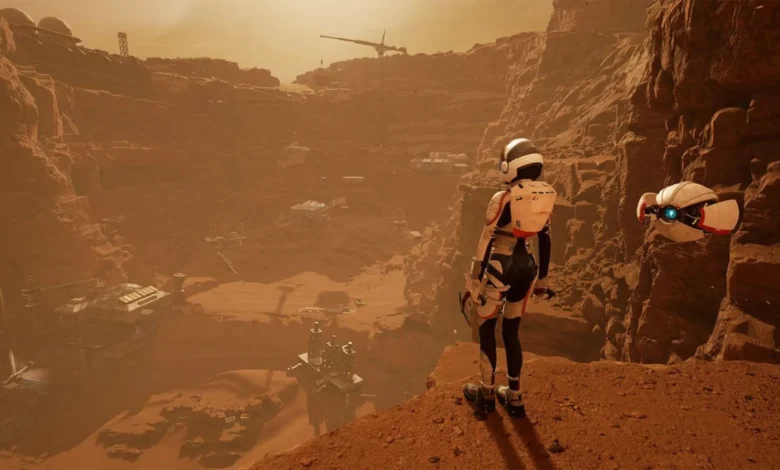
The landscape of modern video game development is increasingly defined by a tension between escalating player expectations and the logistical realities of production. At the recent Develop: Brighton conference, a premier gathering for the European game development community, Gerben Pasjes, a veteran art director known for his work on the acclaimed indie titles Deliver Us The Moon and Deliver Us Mars, presented a framework designed to navigate these complexities. By advocating for a "first principles" approach to art direction, Pasjes challenged developers to strip away industry dogma and rebuild their visual identities from fundamental truths. This methodology, rooted in philosophical inquiry and rigorous technical validation, offers a roadmap for studios seeking to create unique, cohesive experiences without the "brute force" budgets of traditional AAA productions.
The Philosophical Foundation: Descartes in Game Design
To understand Pasjes’ approach, one must look back to the 17th-century philosopher René Descartes. His famous dictum, Cogito, ergo sum ("I think, therefore I am"), served as the starting point for a method of systematic doubt. Descartes proposed that to find certain truth, one must first discard all preconceived notions and beliefs that could possibly be doubted. Once the foundation is cleared, one can rebuild knowledge based only on undeniable facts.
In the context of game art direction, Pasjes applies this by questioning the "default" settings of the industry. Often, art directors inherit styles or workflows based on what worked for previous successful titles. A first principles approach asks: "If we were not trying to mimic a specific genre or competitor, what is the fundamental visual requirement of this specific game?" By breaking down a project into its most basic components—the core emotional goal, the technical constraints, and the mechanical requirements—a studio can arrive at an art style that is not just a coat of paint, but an intrinsic part of the game’s DNA.
Establishing the North Star: Creative Pillars as Guiding Lights
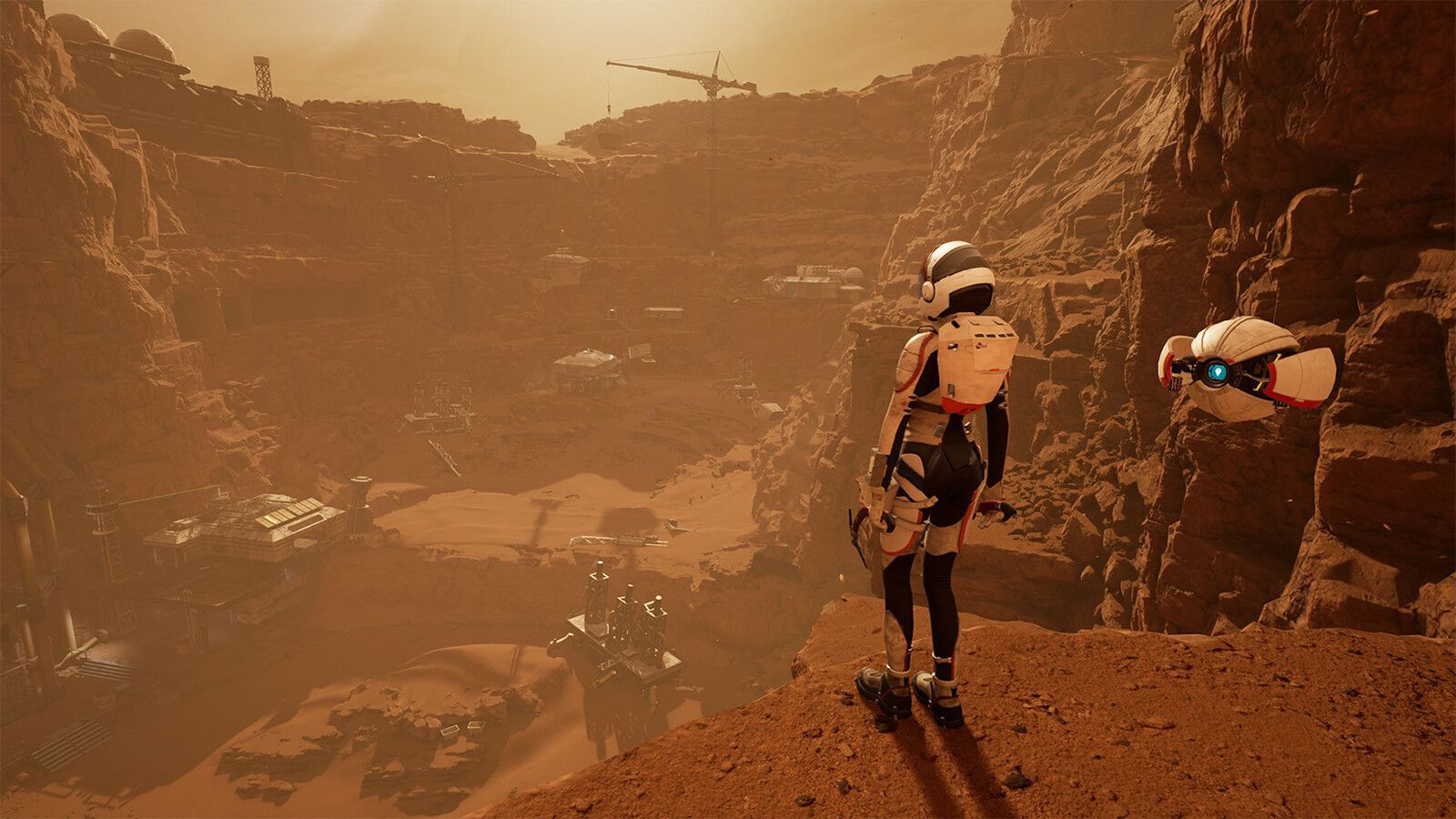
The first step in Pasjes’ methodology is the establishment of a "North Star" or a set of creative pillars. These are not merely aesthetic choices but holistic visions that answer fundamental questions about the game’s identity. During the development of Deliver Us Mars at KeokeN Interactive, the central pillar was "making the player feel like a real astronaut."
This pillar functioned as a litmus test for every creative decision across all departments. For the art team, it meant prioritizing functional realism over purely stylized sci-fi. If a piece of equipment looked "cool" but lacked a logical utility that an astronaut would recognize, it was revised. This clarity of vision prevents "scope creep" and ensures that the art team’s efforts are always aligned with the narrative and mechanical goals of the project. In a pitch meeting or a high-pressure production environment, having a North Star allows an art director to justify costs and resource allocation by demonstrating how each asset directly supports the core player experience.
The Three Loops: Scaling Art to Player Experience
A critical component of Pasjes’ framework is the analysis of game loops—specifically the micro, macro, and meta loops. From an art direction perspective, this involves evaluating what the player sees and interacts with on a second-to-second, minute-to-minute, and hour-to-hour basis.
Pasjes provided a comparative analysis of The Elder Scrolls V: Skyrim and the upcoming Arc Raiders to illustrate this point. Despite their vast differences in genre and setting, both games share a similar "local density" requirement because they both feature human-scale walking speeds. The density of environmental assets per square meter is tuned to this speed; if a player moves slowly, the environment must be more detailed to maintain interest.
However, the "macro" loop—the hour-to-hour experience—dictates where the art effort is concentrated. In a massive open-world game like Skyrim, the challenge is creating enough variety within a single biome to sustain hours of exploration. In a session-based or more contained game like Arc Raiders, the art effort may shift away from sheer volume toward creating high-impact "zone transitions" that signal progress to the player. Understanding these loops allows art directors to allocate their "art budget"—not just in terms of money, but in terms of polygon counts, texture resolution, and artist hours—where they will have the most significant impact on the player’s perception.
The 3Cs: Where Art Meets Mechanics
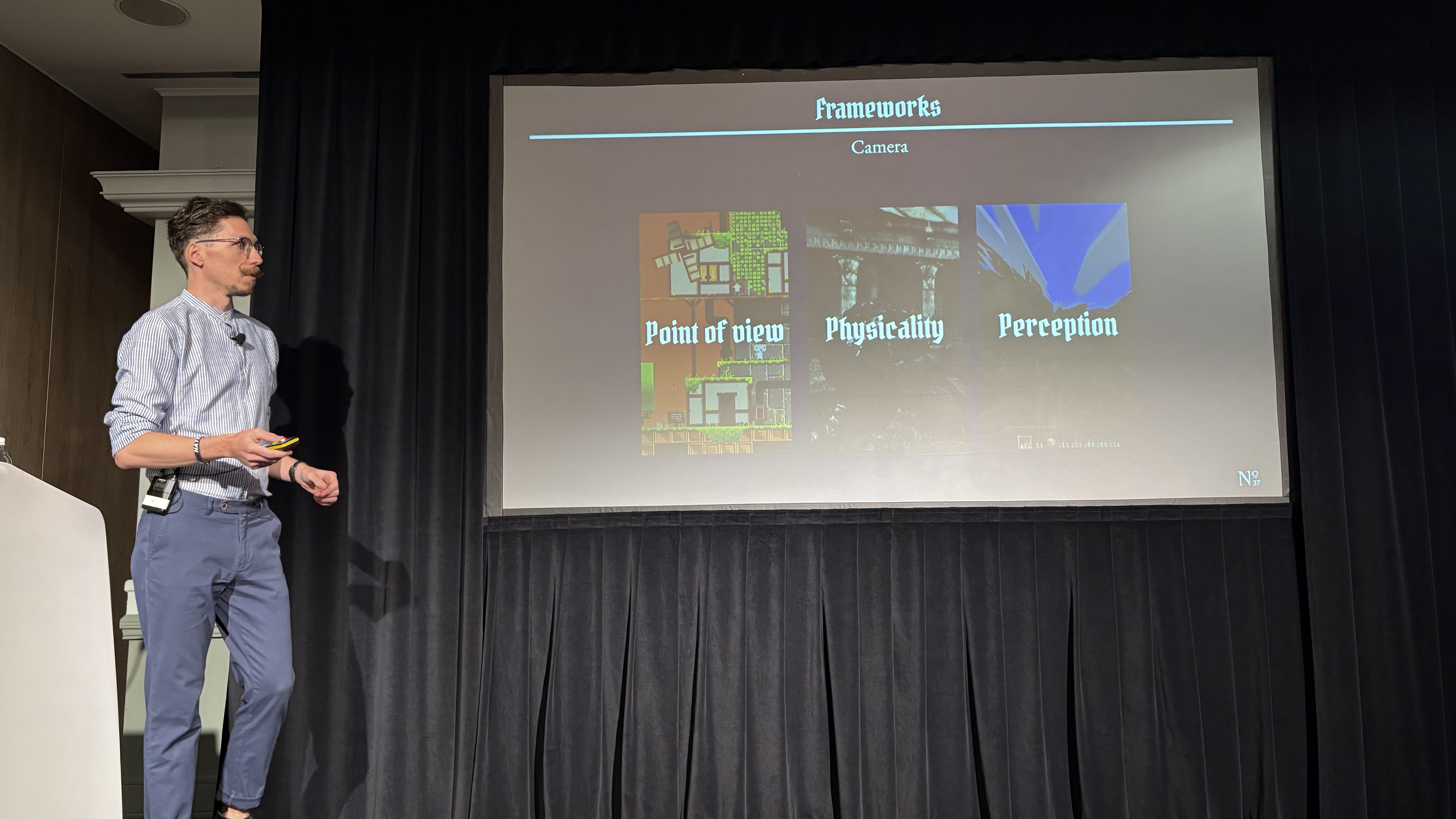
One of the most profound insights from Pasjes’ talk was the necessity for art directors to deeply understand game design principles, specifically the "3Cs": Character, Camera, and Control. These elements are often seen as the domain of designers, but Pasjes argues they are the primary lenses through which art is perceived.
- Character: The visual representation of the player avatar dictates the scale and "weight" of the world.
- Camera: The perspective—be it first-person, third-person, or isometric—changes how environmental compositions are framed. Pasjes noted that a Field of View (FOV) of 60 degrees creates a sense of claustrophobia and intimacy, requiring high-detail textures for objects close to the lens. Conversely, a 90-degree FOV offers better peripheral vision but necessitates a different approach to environmental "readability" and composition to ensure the player doesn’t feel overwhelmed.
- Control: Often referred to as "game feel," control relates to how responsive the game is to player input. Pasjes used Diablo as an example, where players spend 90% of their time clicking the left mouse button. The art team’s job in such a scenario is to make that single, repetitive interaction feel immensely satisfying through visual effects, animations, and feedback loops.
By integrating the 3Cs into the art direction process, studios can avoid the "uncanny valley" of gameplay, where the visuals and the mechanics feel disconnected. For instance, the heavy, deliberate camera movement in Gears of War reinforces the bulky, armored aesthetic of the characters, whereas the "snappy" camera in Marvel Rivals supports a fast-paced, superhuman art style.
Validation and Prototyping: Building the Rails Before the Train
A common pitfall in game development is "building the rails while the train is moving"—entering full production before the core mechanics and visual requirements are finalized. Pasjes stressed the importance of validating art choices through prototyping as early as possible.
He shared an anecdote regarding a project where a "vaulting" mechanic (allowing players to climb over low obstacles) was added late in production. This seemingly small mechanical change had a catastrophic ripple effect on the art team. Suddenly, every desk, chair, fence, and railing in the game had to be audited and adjusted to a specific "vaultable" height. If an asset looked like it should be climbable but wasn’t, it shattered player immersion.
To prevent such issues, Pasjes advocates for a rigorous pre-production phase where art and design are "stress-tested" together. By establishing these technical and mechanical constraints early, the art team can build a pipeline that is resilient to changes, ensuring that the final assets are both beautiful and functional.
Embracing Constraints: The Power of Modularity
For indie and mid-sized studios, the primary constraint is often a lack of resources compared to industry giants. Pasjes argues that instead of fighting these constraints, teams should lean into them. This involves using industry-standard engines like Unreal Engine 5 or Unity as intended, rather than spending limited resources on custom technology that may not offer a proportional return on investment.
In the development of Deliver Us Mars, Pasjes’ team consisted of only two environment artists. To achieve the visual fidelity required for a cinematic sci-fi experience, they developed a highly versatile modular kit. By applying different lighting scenarios and post-processing effects, they were able to reuse the same basic assets across multiple levels while making each environment feel distinct.
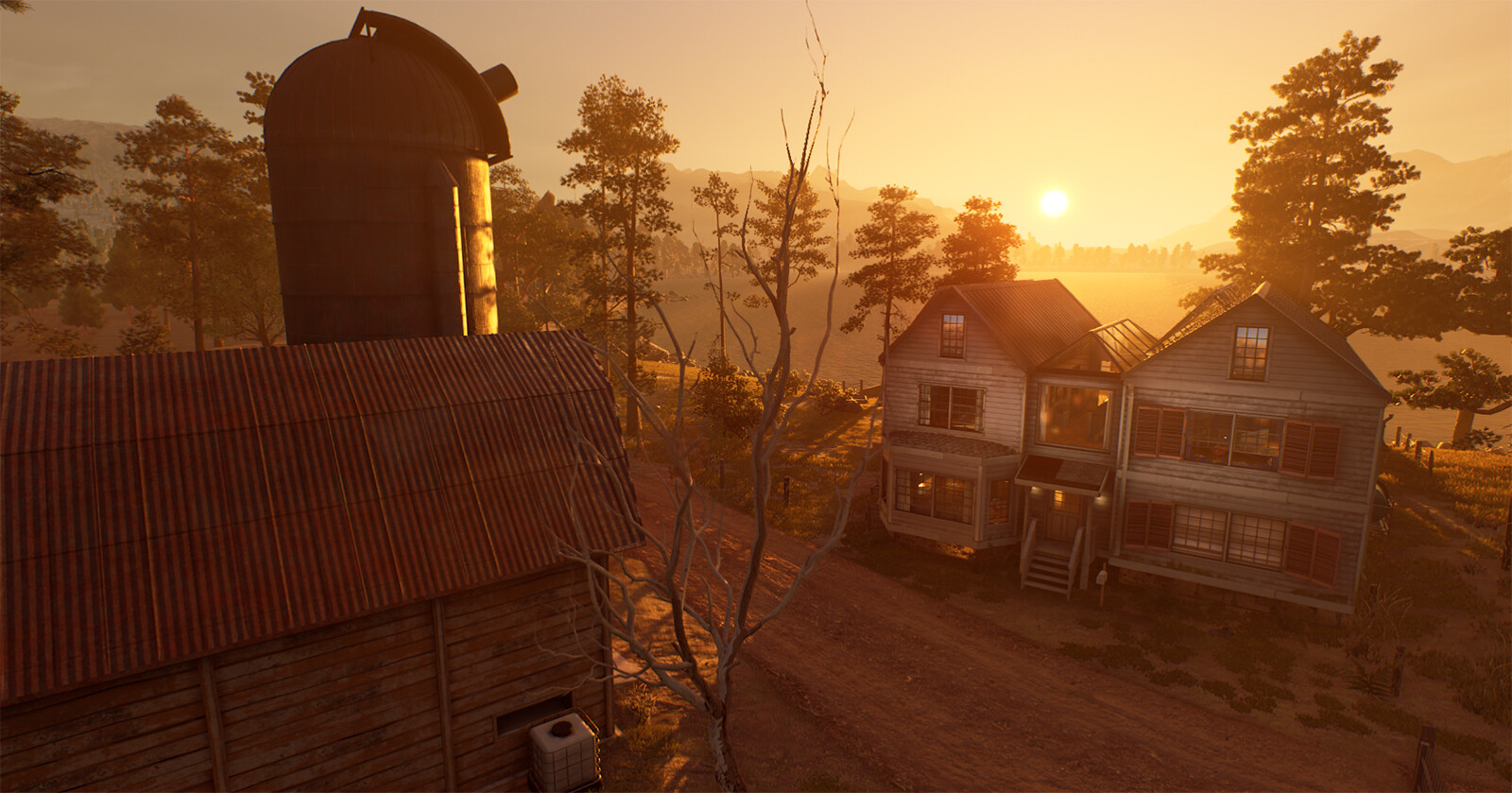
A standout example of creative problem-solving mentioned was the creation of a "destroyed barn." Rather than modeling a ruined structure from scratch—a time-consuming process—the team took their existing barn model into Blender, ran a physics-based destruction simulation, and "paused" it at a visually appealing moment. This "baked" simulation provided a complex, realistic ruined asset in a fraction of the time it would have taken to create manually.
Broader Impact and Industry Implications
The "First Principles" approach championed by Gerben Pasjes arrives at a pivotal moment for the video game industry. As development costs for AAA titles soar toward the half-billion-dollar mark, the risk of failure becomes existential. This has led to a "homogenization" of art styles, as studios gravitate toward "safe," proven visual languages.
Pasjes’ methodology offers an alternative. By focusing on the unique requirements of a specific project and leveraging smart technical solutions like modularity and simulation, smaller teams can produce "punch above their weight" visuals that stand out in a crowded market. This philosophy encourages a shift from "quantity of assets" to "quality of intent."
Furthermore, this approach fosters a more collaborative studio culture. When art direction is rooted in game design and technical reality, it bridges the gap between different disciplines. It empowers artists to be more than just "asset creators"; they become "experience architects" who understand how their work influences player psychology and mechanical flow.
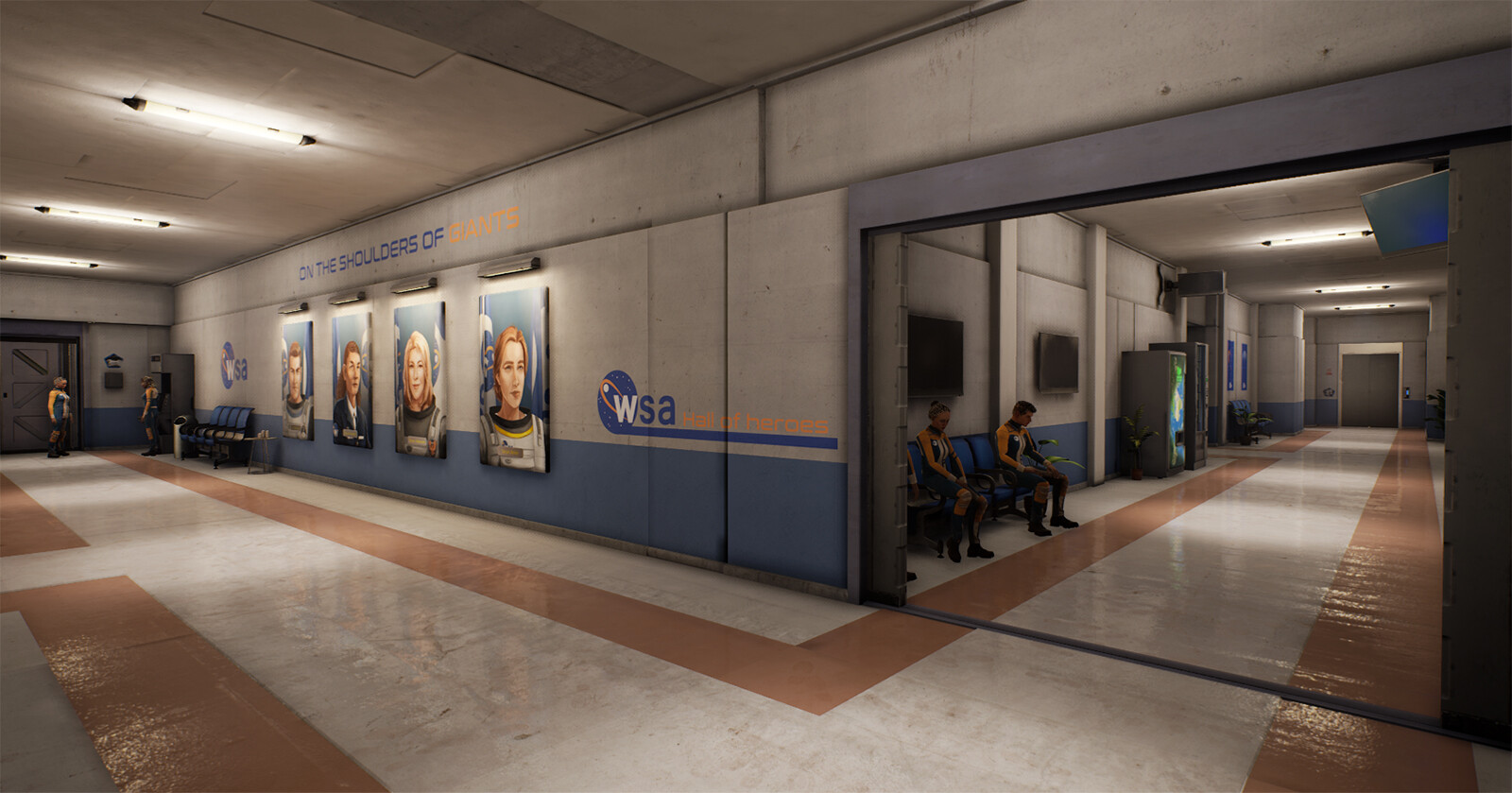
The ultimate goal of the first principles approach is to ship a game that is "deeply unique to the studio." As Pasjes concluded his talk at Develop: Brighton, he reminded the audience that a game built from the ground up, free from the shackles of "how things are usually done," is a game that truly belongs to its creators. In an era of sequels and remakes, this return to fundamental, original thinking may be the most vital tool in a modern developer’s arsenal.