The Legend of Zelda Ocarina of Time Remake for Nintendo Switch 2 Officially Launches November 5 2026

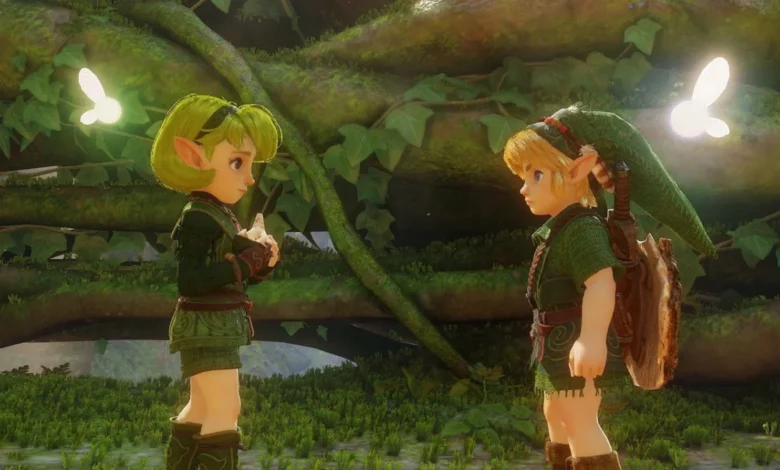
The gaming industry is preparing for a landmark release as Nintendo confirms the highly anticipated remake of The Legend of Zelda: Ocarina of Time is scheduled for a global release on November 5, 2026. Designed exclusively for the forthcoming Nintendo Switch 2 hardware, this title marks a significant departure from traditional high-definition ports, promising a complete reimagining of the 1998 classic that originally defined the action-adventure genre on the Nintendo 64.
The Evolution of a Masterpiece
First released in November 1998, The Legend of Zelda: Ocarina of Time remains one of the most critically acclaimed video games in history. With an aggregate score of 99 on Metacritic, it set a template for 3D exploration, combat mechanics, and environmental storytelling that persists in game design today.
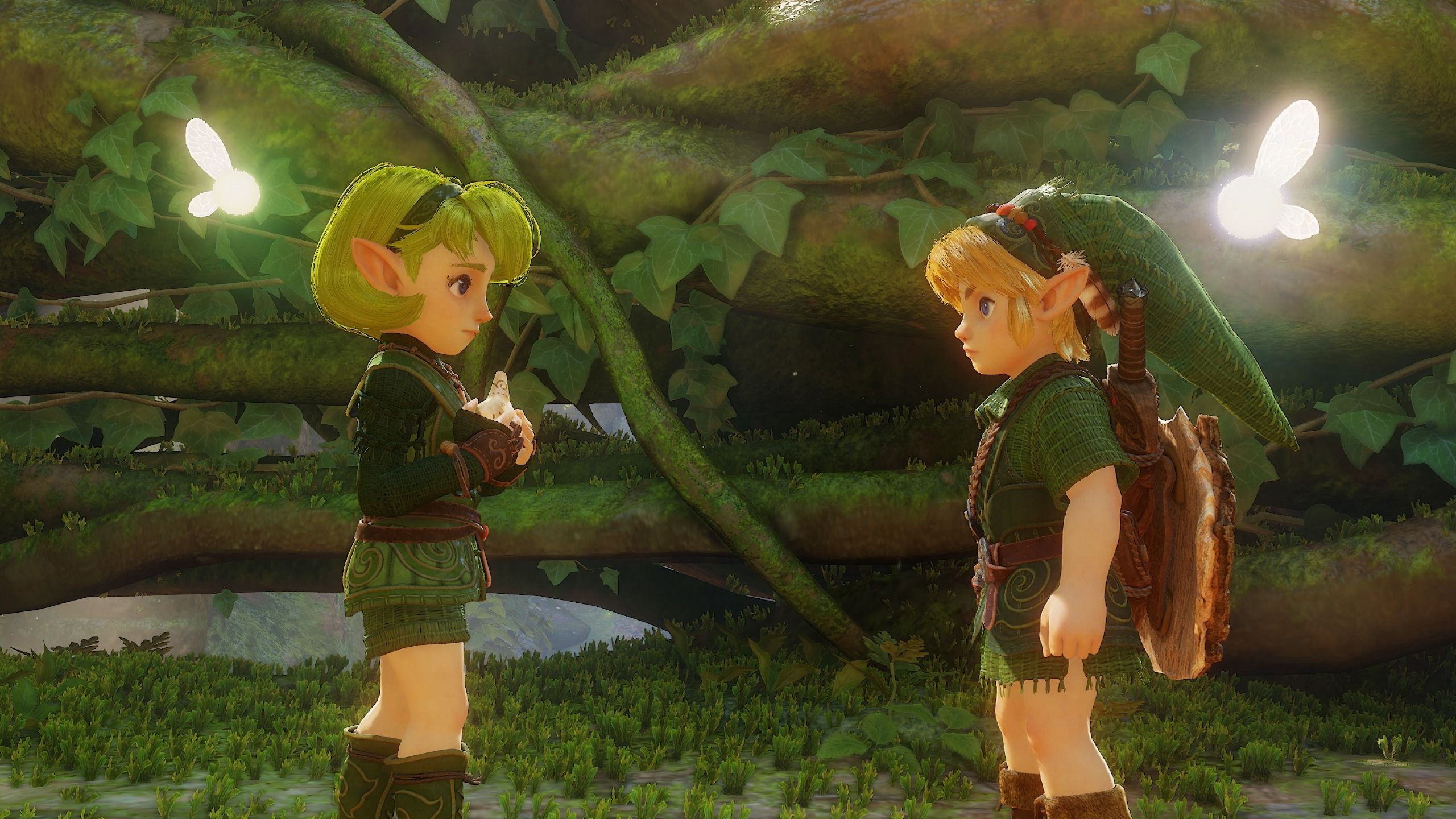
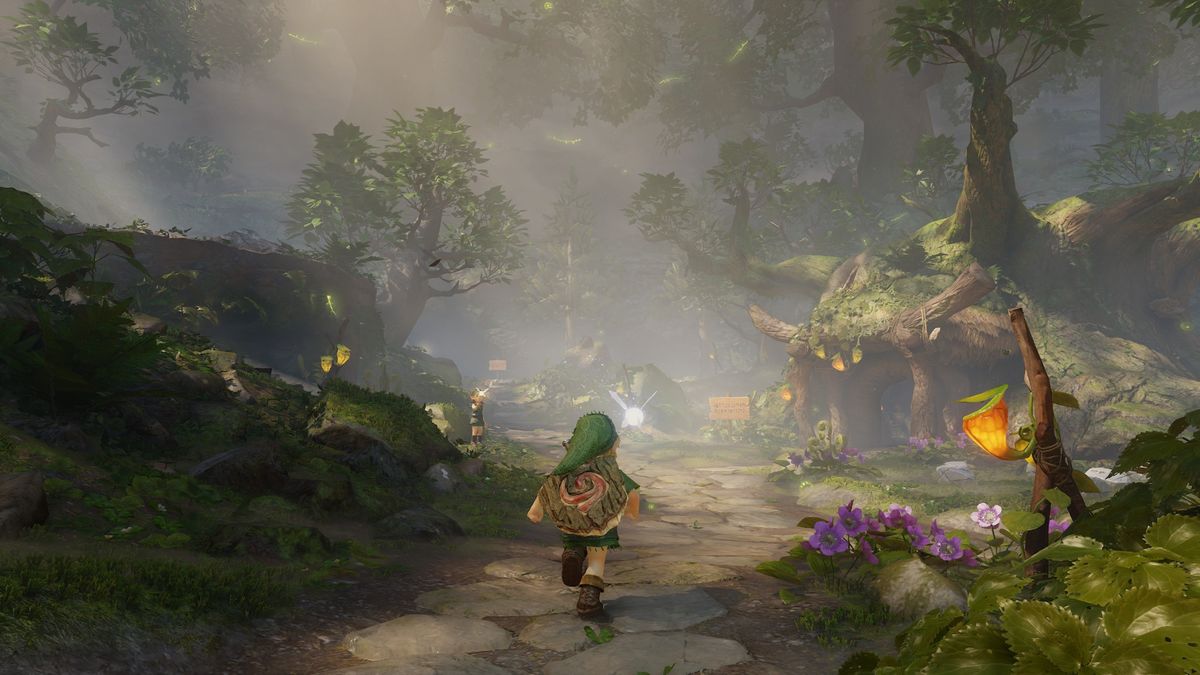
The upcoming remake, unveiled during the Zelda 40th Anniversary Direct, is being positioned as a "faithful interpretation using modern technologies." Series producer Eiji Aonuma emphasized that the development team has prioritized preserving the original game’s architectural integrity and "feel" while leveraging the advanced computational power of the Switch 2. This includes a complete overhaul of assets, moving away from the limited polygon counts of the 90s toward high-fidelity environmental textures, dynamic lighting, and sophisticated shadow mapping.
Technical Advancements and New Mechanics
The decision to utilize the Switch 2’s proprietary hardware allows for features that were previously impossible on legacy systems. Among the most discussed additions is a new interaction mechanic involving the console’s microphone. Players will be able to perform songs on the Ocarina by humming or blowing into the microphone, a feature designed to enhance player immersion.
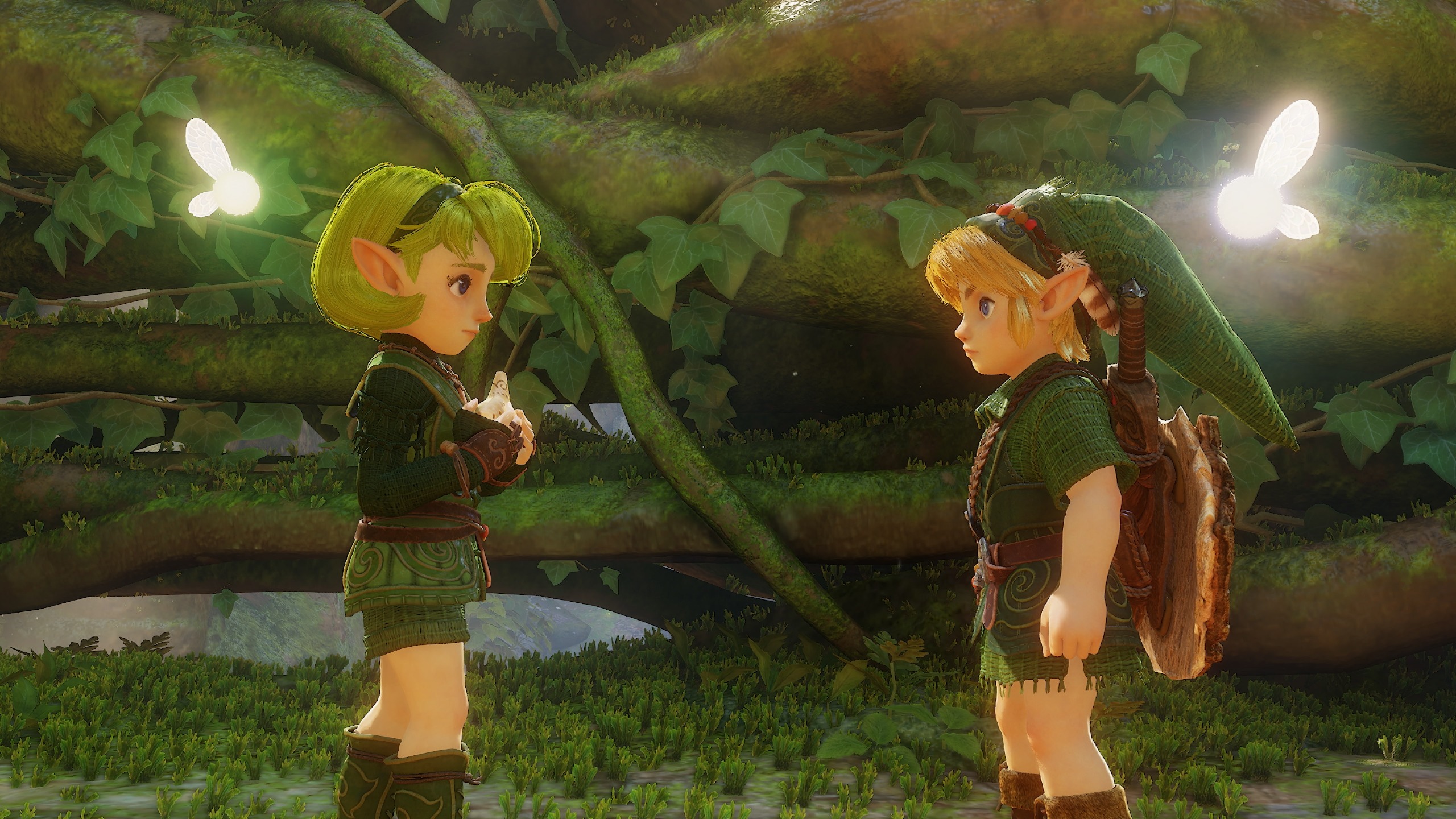
Furthermore, the game will implement advanced physics-based rendering. Water reflections, volumetric lighting, and character model detail—including the updated, more nuanced appearance of Young Link—have sparked significant discourse regarding the balance between modern aesthetic standards and the preservation of original character designs. Industry analysts suggest this indicates Nintendo’s intent to bridge the gap between long-term series veterans and a younger generation of players accustomed to modern technical benchmarks.
Chronology of the Project
The development of this remake follows years of persistent fan speculation and industry rumors.
- 1998: The original Ocarina of Time launches on the Nintendo 64, revolutionizing 3D gaming.
- 2011: Nintendo releases a remastered version for the Nintendo 3DS, which introduced updated graphics and the Master Quest mode.
- 2024: Following the release of The Legend of Zelda: Echoes of Wisdom, rumors of a major "anniversary project" begin to circulate among industry insiders.
- 2026 (February): The Zelda 40th Anniversary Direct confirms the project, revealing the November 5, 2026, release date and the exclusivity of the title for the next-generation Switch hardware.
Economic Impact and Market Availability
Retail strategies for the launch reflect the importance of this title to Nintendo’s holiday portfolio. The game is confirmed to be a physical cartridge release, with the full 27 GB game data included on the media—a move that has been well-received by collectors who prioritize archival physical media over digital-only distributions.
Pricing has been standardized across major markets to reflect the premium nature of the release. The physical edition is retailing at $69.99 / £54.99, while the digital version is priced at $59.99. Major retailers including Amazon and Walmart in the United States have already initiated early pre-order discounting, offering the title at approximately $59.88, while UK-based retailers such as Smyths Toys and Currys are positioning the game as a flagship holiday purchase.
To incentivize early adoption, Nintendo is utilizing a tiered reward structure. The Nintendo UK online store is currently offering an exclusive pre-order bonus: a set of 3D-molded replicas of the Spiritual Stones. This follows a broader strategy of using physical collectibles to drive traffic to official storefronts rather than third-party vendors.
Industry Implications and Strategic Positioning
The release of a foundational title like Ocarina of Time on the Switch 2 hardware serves two distinct purposes for Nintendo. First, it acts as a "system seller," providing a high-profile incentive for existing Switch users to upgrade to the new console. Second, it serves as a technical showcase for the Switch 2’s capabilities.
By choosing to remake one of its most beloved properties, Nintendo is navigating a delicate balance. On one hand, the company must satisfy the nostalgia of its core demographic; on the other, it must justify the transition to newer, more expensive hardware. The move toward "modernizing" rather than simply "upscaling" the game suggests that Nintendo is positioning its legacy library as a living entity, capable of being adapted to the latest hardware standards without losing the essence of the original gameplay loop.
Official Stances and Public Reception
While public reaction has been largely enthusiastic, the project has also generated debate regarding the "uncanny" nature of the updated character models. Proponents argue that the visual shift provides the necessary depth for an immersive experience in 2026, while critics maintain that the stylized, lower-polygon charm of the original is an essential component of the game’s identity.
Nintendo has remained largely silent regarding specific gameplay balance changes, though Aonuma has noted that the team "listened to the feedback of the last four decades" when designing the quality-of-life improvements. This suggests that while the map and core story will remain intact, players may encounter adjustments to the game’s pacing or navigation systems to suit modern gaming habits.
Looking Ahead to November
As the November 5 release date approaches, the industry is watching closely to see if the title will support advanced display technologies such as 4K output or high-frame-rate modes, both of which are expected features for the Switch 2. The success of this remake could potentially set a precedent for how Nintendo approaches its vast catalog of older titles in the coming decade.
For the average consumer, the message is clear: Nintendo is betting heavily on its heritage to define its future. With the full 27 GB of data packed into each physical cartridge and a commitment to maintaining the game’s structural integrity, the 2026 Ocarina of Time remake represents a synthesis of historical prestige and modern technological ambition. Whether the final product meets the lofty expectations of a generation that grew up on the original 1998 classic remains to be seen, but the sheer scale of the anticipation underscores the enduring cultural relevance of the Zelda franchise.