
Guide Edinburgh Summer Festivals

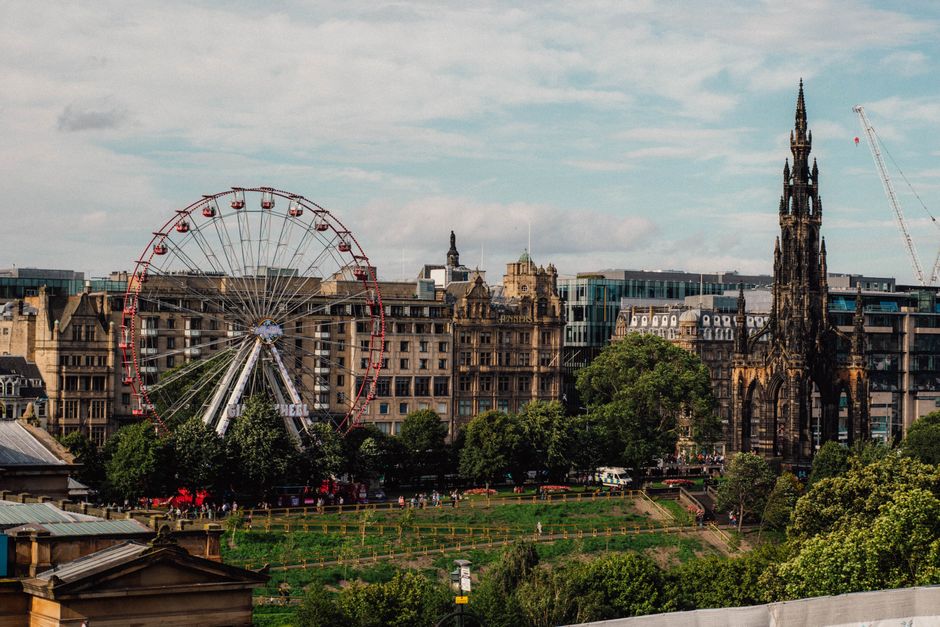
Edinburgh Summer Festivals: Your Essential Guide to Scotland’s Cultural Epicenter
Edinburgh in the summer transforms into a global hub of artistic expression, with its renowned festival season drawing millions of visitors to the historic Scottish capital. This vibrant period, stretching from late July through August, offers an unparalleled concentration of diverse and world-class events. Understanding the landscape of Edinburgh’s summer festivals is crucial for maximizing your experience, whether you’re a first-time visitor or a seasoned festival-goer. The city’s compact nature, combined with its stunning architecture, provides an unforgettable backdrop for this annual explosion of creativity. From the sheer scale and variety of the Edinburgh Festival Fringe to the curated excellence of the Edinburgh International Festival, and the intellectual stimulation of the Edinburgh International Book Festival, the options are vast. Beyond these titans, numerous other festivals cater to specific interests, ensuring there’s something to captivate every attendee. Navigating this multifaceted event calendar requires strategic planning, from securing accommodation and transportation to identifying the performances, exhibitions, and talks that best align with your personal preferences. This guide offers a comprehensive overview of the key Edinburgh summer festivals, practical advice for attendance, and insights into how to make the most of this extraordinary cultural phenomenon.
The Edinburgh Festival Fringe is the undisputed heavyweight of the summer season, and indeed, the largest arts festival in the world. It operates on an open-access policy, meaning any performer or group can stage a show, leading to an astonishing diversity of productions. From established theatrical companies to emerging comedians, experimental dance troupes, and musical acts of every genre, the Fringe presents an estimated 50,000 performances across thousands of shows each year. The sheer volume can be overwhelming, so identifying your interests beforehand is paramount. Popular genres include comedy, theatre, musicals, opera, dance, and children’s shows. Venues range from grand theatres to intimate pub backrooms, church halls, and even pop-up spaces. Booking tickets in advance is highly recommended for popular shows, especially those featuring well-known comedians or critically acclaimed theatre productions. However, part of the Fringe experience is spontaneity; many smaller, independent shows rely on walk-up audiences. Browsing the official Fringe programme, available online and in print from early summer, is the first step. Utilizing the Fringe app can help with real-time searches and ticket purchases. The atmosphere generated by the Fringe is electric. Street performers entertain crowds on the Royal Mile, and the city buzzes with activity day and night. Embrace the unexpected, wander into unfamiliar venues, and allow yourself to be surprised. Don’t shy away from shows with minimal descriptions; often, these hidden gems offer the most authentic and rewarding experiences. Consider attending shows during weekday afternoons for potentially fewer crowds and sometimes cheaper tickets.
Complementing the Fringe’s boundless creativity is the Edinburgh International Festival (EIF), a curated celebration of the performing arts that brings together leading international companies and artists across theatre, opera, music, and dance. The EIF offers a more traditional festival experience, characterized by high production values and critically acclaimed performances. Its programming is meticulously selected by its director, ensuring a consistently high standard of artistic excellence. Unlike the Fringe, EIF shows are ticketed and programmed well in advance, and securing seats for major productions, particularly those at iconic venues like the Edinburgh Playhouse or the Usher Hall, requires early booking. The EIF often features world premieres and exclusive UK performances by renowned orchestras, opera houses, and theatre ensembles. Its musical offerings are particularly strong, encompassing classical, contemporary, and folk music. Dance performances are equally diverse, showcasing both established choreographers and innovative new work. For those seeking a more refined and curated festival experience, the EIF is the primary destination. It’s advisable to review the EIF program thoroughly upon its release and identify performances that align with your artistic tastes. Consider purchasing multi-show packages for potential savings and a more immersive festival experience. Attending EIF performances often involves a more formal audience, and shows typically run for a set duration with planned intermissions.
The Edinburgh International Book Festival provides a literary haven amidst the performing arts frenzy. Held in Charlotte Square Gardens, this festival offers an extensive program of author events, readings, interviews, and debates featuring celebrated writers, poets, journalists, and thinkers from around the globe. Whether you’re a fan of literary fiction, historical non-fiction, poetry, or children’s literature, the Book Festival caters to a wide range of interests. It’s an excellent opportunity to hear directly from your favorite authors, discover new voices, and engage in stimulating discussions about literature and contemporary issues. Tickets for popular author events can sell out quickly, so it’s essential to book in advance. However, many events, particularly panel discussions and free talks, offer a more casual entry point. The festival also boasts a vibrant marketplace featuring a vast selection of books for sale, often with author signings taking place throughout the day. The relaxed and intellectual atmosphere of the Book Festival, set against the backdrop of the beautiful gardens, makes it a welcome respite from the bustling intensity of other festivals. Exploring the diverse range of events, from intimate author Q&As to lively debates, is a rewarding experience.
Beyond these three major players, Edinburgh hosts a constellation of other significant summer festivals, each contributing to the city’s unique cultural tapestry. The Edinburgh Military Tattoo, held on the Esplanade of Edinburgh Castle, is a spectacular display of military music, piping, and drumming, featuring performances from regiments and bands from around the world. The dramatic setting of the castle at night, combined with the precision and spectacle of the performances, makes the Tattoo a truly unforgettable event. Tickets are in extremely high demand and sell out months in advance, so early booking is absolutely crucial. For those interested in the visual arts, the Scottish International Photography Festival (SIPA) showcases exceptional photographic work from established and emerging artists, with exhibitions and events held across various venues throughout the city. The Edinburgh International Film Festival (EIFF), though historically held in the spring, often has a presence or associated events during the summer, celebrating cinematic achievements from independent and mainstream productions.
For those with a taste for something different, the Edinburgh Comedy Festival often overlaps with the Fringe, offering a concentrated dose of stand-up and sketch comedy in dedicated venues. Smaller, niche festivals also flourish, such as those focusing on specific music genres, spoken word, or even science. The key to discovering these is through thorough research of the complete festival listings once they become available. Local event listings websites and specialized festival guides are invaluable resources for uncovering these hidden gems.
Successfully navigating Edinburgh’s summer festivals requires practical planning. Accommodation is a major consideration. Hotels, guesthouses, and hostels book up months, even a year, in advance. Prices are at their peak during the festival period. Consider booking well in advance, or explore options slightly outside the city center with good public transport links. Transportation within the city is generally good, with a comprehensive bus network. Walking is also a great way to experience Edinburgh’s charm, especially in the Old and New Towns. Taxis and ride-sharing services are available but can be subject to surge pricing during peak festival times. Tickets are the lifeblood of festival attendance. For the Fringe, many shows offer online booking, but some smaller venues may only accept cash or sell tickets on the door. For the EIF and other curated festivals, advance booking is essential. Consider purchasing a festival pass if multiple festivals or events appeal to you, as these can sometimes offer cost savings. Food and Drink options are abundant, from high-end restaurants to casual cafes and street food stalls. Be prepared for queues at popular eateries, especially during peak meal times. Many festival venues have bars and food vendors, offering convenient options.
Maximizing your festival experience involves a strategic approach. Develop a "must-see" list for each festival based on your interests, but remain open to spontaneous discoveries. Build in downtime; attending back-to-back shows can be exhausting. Explore different areas of the city beyond the main festival hubs. The Royal Mile, Grassmarket, and Princes Street Gardens are central to much of the activity, but venture further afield to discover less crowded gems. Engage with the festival atmosphere: talk to performers, chat with other festival-goers, and soak in the unique energy of Edinburgh during this period. For photographers, the city itself, combined with the vibrant festival crowds, offers endless opportunities.
The timing of your visit can also influence your experience. The Fringe and EIF typically start in early August and run for most of the month. The Tattoo usually takes place in the latter half of August. Consider which specific festivals are of most interest when planning your dates. Early August often sees the initial influx of shows, while the final week can offer a sense of culmination.
Budgeting is essential. Festival tickets, accommodation, food, and transportation can accumulate quickly. Research ticket prices in advance and factor in potential impulse purchases or dining out. Many smaller Fringe shows are very affordable, while headline EIF performances can be expensive.
Finally, embrace the spirit of Edinburgh’s summer festivals. It’s a time of unparalleled cultural richness, artistic innovation, and vibrant community. Be prepared for crowds, for the unexpected, and for an experience that will undoubtedly leave a lasting impression. The city itself becomes a stage, and every corner holds the potential for discovery and delight during this extraordinary season.


