The White House faces legal pushback and technical scrutiny after the abrupt launch of the Arcade.gov gaming portal

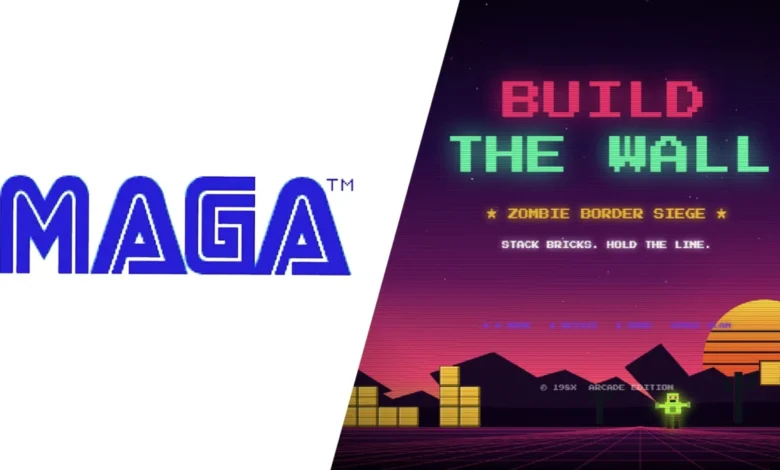
The recent launch of the federal government’s gaming portal, Arcade.gov, has become a focal point for intense criticism regarding intellectual property rights, administrative oversight, and the technical viability of government-sponsored digital content. Launched in early September 2026, the website debuted with a collection of five browser-based games intended to communicate policy messaging through interactive media. However, the initiative encountered immediate resistance, most notably from The Tetris Company, which successfully compelled the removal of one of the platform’s flagship titles, "Build the Wall," citing unauthorized use of its trademarked property.
A Chronology of the Arcade.gov Rollout
The emergence of Arcade.gov represents a significant shift in how executive branch communication strategies have attempted to utilize gaming culture to reach younger demographics. The timeline of this rollout highlights a rapid transition from launch to legal entanglement:
- September 2, 2026: The White House unveils Arcade.gov, featuring a suite of five games: "Build the Wall," "Rio Run," "Trump Savings Tycoon," and two other titles. The site’s aesthetic draws heavily from 8-bit and 16-bit arcade classics.
- September 3, 2026: Observers and gaming industry analysts note significant similarities between the government’s games and established intellectual properties, specifically Tetris, Snake, and Pac-Man. Social media platforms, particularly X, become conduits for viral criticism regarding the quality of the games and the unauthorized use of corporate logos, including those of Xbox and Sega.
- September 4, 2026: The Tetris Company issues a formal statement on X, explicitly disavowing any connection to "Build the Wall" and asserting its commitment to protecting its copyright.
- September 5, 2026: By the end of the week, "Build the Wall" is scrubbed from the portal, leaving only four games accessible.
Intellectual Property and Trademark Infringement
The core of the controversy lies in the blatant misappropriation of established gaming assets. "Build the Wall," which functioned as a clear derivative of the 1984 puzzle classic Tetris, utilized the fundamental mechanics of falling polyominoes but rebranded the objective to align with immigration policy messaging. The gameplay, which challenged users to "protect the border," was not merely a thematic shift but a direct replication of the core code and visual language of the original game.
The legal standard for copyright infringement in the United States, as governed by the Copyright Act of 1976, protects original works of authorship. When a party creates a "derivative work" without authorization, they risk litigation. The Tetris Company’s swift intervention underscores the value of brand protection. Beyond the functional cloning of Tetris, the site also displayed the logos of major gaming corporations such as Sega and Xbox, both of which possess robust legal departments tasked with safeguarding their branding from unauthorized use. The inclusion of these logos on a federal domain created a false appearance of corporate endorsement, raising ethical questions about the nature of government digital communication.
Technical Failures and User Experience
Beyond the legal ramifications, Arcade.gov has been subjected to severe criticism regarding its software quality. Documentation and user feedback have highlighted that "Build the Wall" suffered from critical logic errors. In one instance, a player noted that completing the objective—building a wall to the top of the screen—resulted in a "Game Over" screen rather than a victory, effectively rendering the game unplayable.
These technical shortcomings point to a lack of rigorous quality assurance (QA) and development standards. In the private sector, game development typically involves multi-stage testing cycles, including alpha and beta phases, to identify logic loops, bugs, and performance bottlenecks. The failure to ensure basic functionality in a government-hosted application has led to broader questions about the allocation of resources and the expertise of the teams responsible for the site’s development.
Broader Context: The Politicization of Interactive Media
The Arcade.gov initiative is not the first instance of the current administration utilizing popular media to disseminate political messaging. Previous incidents have included the use of copyrighted music from established franchises, such as the Pokémon theme, overlaid on footage of law enforcement activities. These instances have consistently drawn criticism from stakeholders who argue that such usage creates a misleading association between entertainment brands and sensitive, often divisive, political issues.
Historically, political campaigns have leveraged pop culture to build rapport with voters. However, the move to create original—albeit derivative—interactive software marks an escalation. The primary implication of this strategy is the potential for alienating the very tech-literate, younger demographic the government aims to reach. When a campaign or administration presents a subpar, legally dubious product, it risks becoming a target for ridicule rather than a credible medium for discourse.
Market and Legal Implications
The silence from other major gaming stakeholders, such as Nintendo, which has been vocal in the past regarding the unauthorized use of its characters, is notable. While some analysts suggest this silence reflects a desire to avoid being pulled into polarized political debates, others argue that it may be a strategic pause to monitor the legal fallout of The Tetris Company’s intervention.
From a policy standpoint, the use of AI-driven tools to generate content for government platforms has also become a point of concern. The ease with which assets can be created or "cloned" using generative AI raises the risk of accidental or intentional infringement. If government entities are utilizing these tools without proper vetting processes, the frequency of intellectual property disputes is likely to increase.
Furthermore, the "Arcade.gov" incident serves as a case study in the risks of digital administrative overreach. The government’s attempt to bypass traditional media by creating its own engagement platforms requires a level of professional software development that is evidently absent in this iteration. The fact that the site was launched with identifiable copyright infringements suggests a breakdown in the legal review process that usually precedes the publication of federal content.
Conclusion: Future Outlook
The removal of "Build the Wall" is a clear indication that intellectual property holders are prepared to defend their assets, regardless of the political entity involved. For the White House, the fallout has resulted in a loss of credibility and a distraction from the policy messages they intended to promote.
Looking forward, the incident highlights the urgent need for a framework governing the use of intellectual property in government communications. As the line between digital entertainment and political propaganda continues to blur, the risk of litigation and public backlash will only grow. For developers and communicators, the lesson is clear: the integration of existing cultural assets into political messaging is not a neutral act, and failing to respect the rights of creators invites both legal consequences and public scrutiny. Whether the remaining games on Arcade.gov will face further legal challenges remains to be seen, but the platform has already established a precedent for controversy that will likely deter future attempts to gamify political messaging without robust legal and technical oversight.