The London Design Festival 2026 Announces Prestigious London Design Medal Winners Ahead of September Showcase


As the global creative community turns its gaze toward the United Kingdom, the London Design Festival (LDF) has officially unveiled the recipients of its 2026 London Design Medals. This year’s laureates—Jonathan Anderson, Sir Christopher Frayling, Anab Jain, and Solveiga Pakštaitė—represent a diverse cross-section of the industry, spanning high fashion, academic discourse, speculative technology, and sustainable product design. The announcement serves as a precursor to the festival, which is scheduled to run from 12 to 20 September, transforming the capital into a hub for international design innovation. The winners will be formally honored during a ceremony at RH London, The Gallery, in Mayfair on 14 September.
The Significance of the London Design Medals
Since their inception in 2007, the London Design Medals have served as the highest honor awarded by the London Design Festival. The accolades were established to celebrate individuals who have made a significant contribution to the city’s status as a global design powerhouse. Each year, a jury of esteemed creatives, led by LDF director Ben Evans, curates a selection of winners whose work demonstrates excellence, innovation, and social impact.
The LDF is more than a trade show; it is an annual cultural event that contributes hundreds of millions of pounds to the UK economy. In 2025 alone, the festival attracted over 600,000 visitors, with nearly 400 design partners participating across various districts. By honoring these four individuals, the festival reinforces its commitment to acknowledging not just aesthetic achievement, but the systemic role design plays in addressing the challenges of the 21st century.
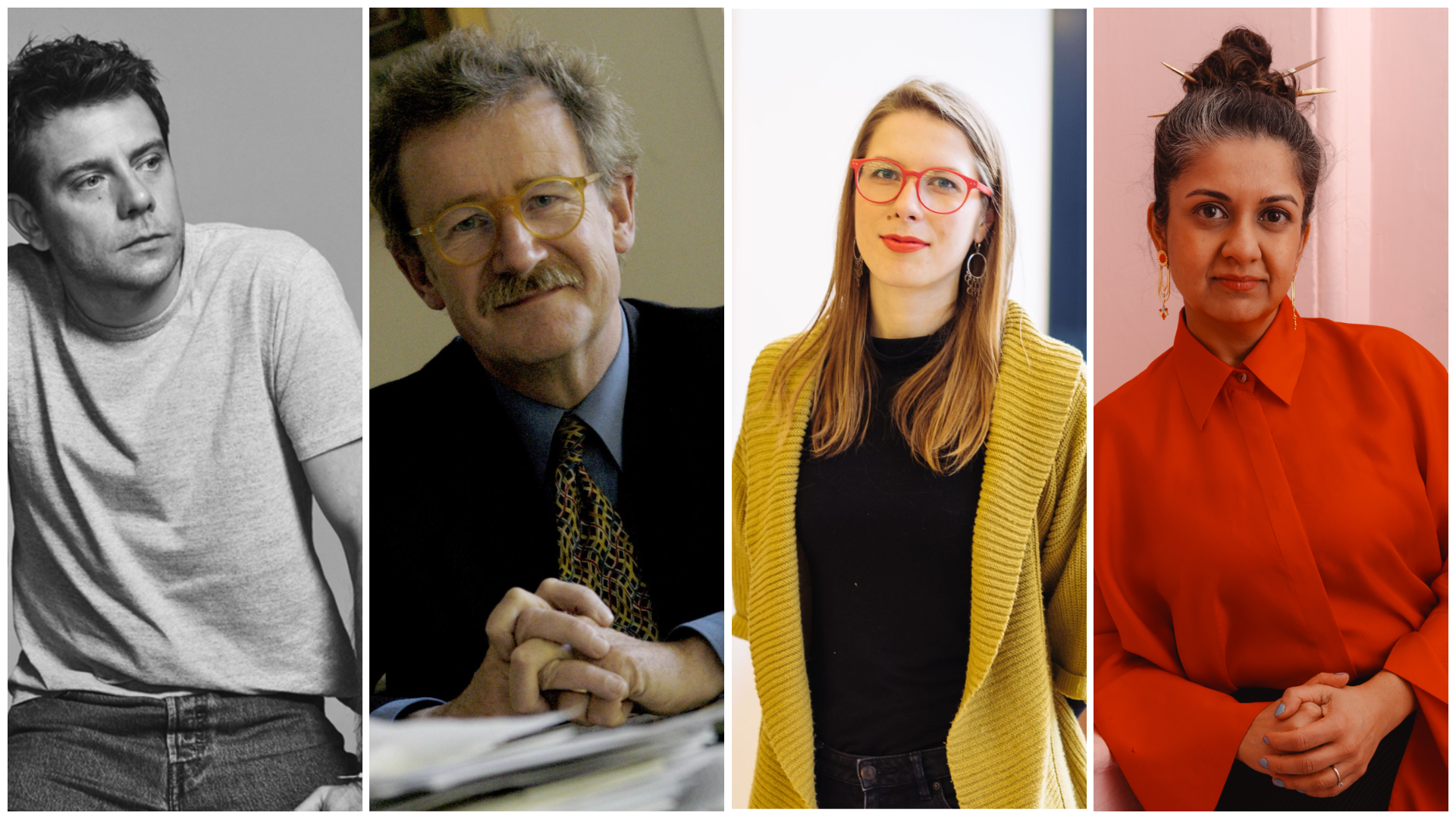
London Design Medal: Jonathan Anderson
Jonathan Anderson, the visionary behind the brand JW Anderson and the current creative director of Loewe, has been awarded the primary London Design Medal. Anderson’s career is defined by his ability to bridge the gap between commercial fashion and fine art. His work is characterized by a "curatorial" approach, often collaborating with cultural institutions such as The Hepworth Wakefield and the Offer Waterman gallery.
Beyond his aesthetic contributions, Anderson has been a pivotal figure in the promotion of global craftsmanship. The establishment of the Loewe Foundation Craft Prize has provided a critical platform for artisans worldwide, elevating the status of manual craft in an era dominated by mass production. His recognition by the LDF panel highlights a shift in the design world, where the boundaries between fashion, industrial design, and fine craft are becoming increasingly fluid.
Lifetime Achievement Medal: Sir Christopher Frayling
The Lifetime Achievement Medal has been bestowed upon Sir Christopher Frayling, a towering figure in British cultural history and design education. A former Rector of the Royal College of Art (RCA), Frayling has spent decades shaping the intellectual framework of design. His tenure at the RCA was marked by a commitment to interdisciplinary studies, most notably his role in establishing the History of Design postgraduate program in collaboration with the V&A Museum.
Frayling’s impact extends far beyond the lecture hall. Through his extensive work with the BBC and Channel 4, he has brought complex design theories to the public consciousness. His career has been a sustained effort to argue for the necessity of design in everyday life, not merely as a decorative luxury, but as a fundamental pillar of cultural development. His receipt of this medal reflects the festival’s enduring emphasis on the pedagogical roots of design.
Design Innovation Medal: Anab Jain
The Design Innovation Medal is awarded to Anab Jain, co-founder of the London-based studio Superflux. Jain’s work resides at the intersection of technology, climate science, and speculative fiction. As a practitioner of "speculative design," Jain creates immersive experiences that allow the public to visualize and engage with the long-term consequences of current environmental and political policies.
Her recent exhibition, "The Craftocene," serves as a prime example of her methodology. By presenting tangible, designed scenarios of a post-climate-crisis world, Jain forces a re-evaluation of human agency. Her win signals a growing trend within the industry: the transition from designing for the "now" to designing for the "what if." As global instability increases, the work of designers like Jain provides a roadmap for navigating systemic complexity.
Emerging Design Medal: Solveiga Pakštaitė
The Emerging Design Medal, which highlights the next generation of industry leaders, has been awarded to Solveiga Pakštaitė, the founder of the tech venture Mimica. Pakštaitė’s work is a testament to the power of design to solve urgent, real-world problems. Her invention, "Bump," is a tactile labeling system that allows visually impaired consumers to determine the freshness of food through physical texture changes, rather than relying on ambiguous printed expiry dates.
Pakštaitė’s approach is rooted in inclusive design, ensuring that accessibility is not an afterthought but a foundational element of the product lifecycle. Her work addresses two of the most critical issues in contemporary industrial design: the global crisis of food waste and the persistent inequality in product accessibility for those with disabilities.

Broader Implications and Industry Impact
The selection of these four individuals provides a window into the current state of the design industry. First, the inclusion of both fashion and tech-driven startups suggests that the "London Design" identity is no longer confined to furniture or architecture; it is a holistic discipline. Second, the focus on sustainability and inclusivity—seen in the work of both Jain and Pakštaitė—reflects a broader industry-wide pivot toward ethical responsibility.
"This year’s medal winners demonstrate the transformative power of design," noted Ben Evans during the announcement. This statement is backed by the economic reality of the UK creative sector, which generates over £100 billion in gross value added (GVA) to the economy annually. By rewarding individuals who prioritize social, educational, and sustainable outcomes, the London Design Festival is implicitly shaping the narrative of what it means to be a successful designer in the coming decade.
Looking Ahead to September
The festival, running from 12 to 20 September, will feature these winners in various capacities, from public lectures to collaborative installations. The event at RH London, The Gallery, will serve as the official launch, drawing stakeholders from government, academia, and the private sector.
As the industry prepares for the upcoming festivities, the selection of this year’s medalists serves as a reminder that design is an active participant in our shared future. Whether it is through the preservation of ancient craft, the education of future leaders, or the technological mitigation of climate change, the 2026 LDF winners exemplify a move toward a more conscious, thoughtful, and integrated approach to design.

For the general public, the festival represents an opportunity to witness these ideas in action. With a packed schedule of exhibitions, trade fairs, and panel discussions, the 2026 edition of the London Design Festival is poised to set the agenda for the international design calendar for the remainder of the year. The recognition of these four distinct talents underscores a collective, industry-wide belief that creative innovation is not just an aesthetic endeavor, but a necessary tool for navigating the complexities of modern life.