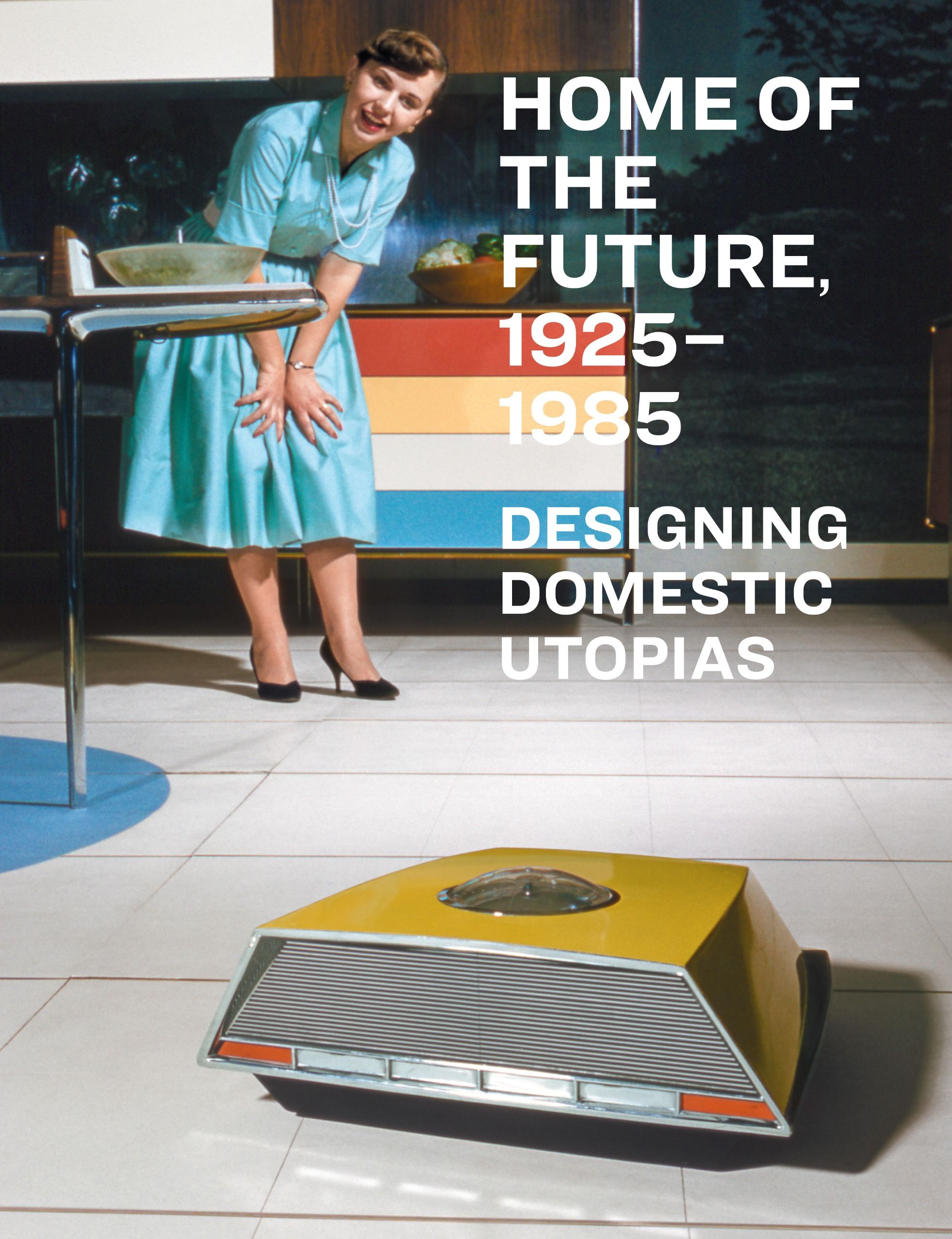
The Los Angeles County Museum of Art (LACMA) is set to host a major exhibition titled Home of the Future, 1925 – 1985: Designing Domestic Utopias, which examines the evolving relationship between technological advancement and the idealized domestic sphere. Running from September 27, 2026, to March 14, 2027, at the museum’s Resnick Pavilion, the exhibition explores the recurring promise of labor-saving devices, automation, and the "push-button" lifestyle that has captivated designers, architects, and the public for six decades.
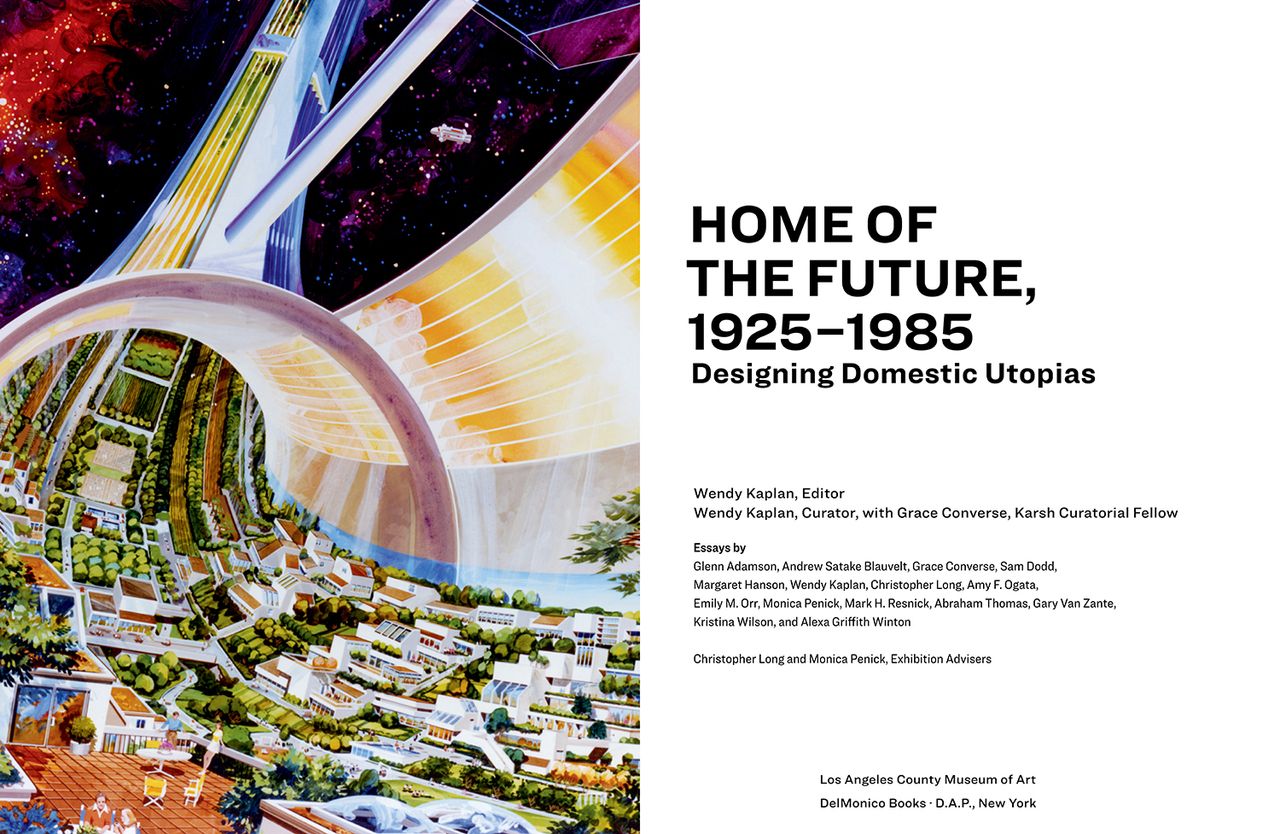
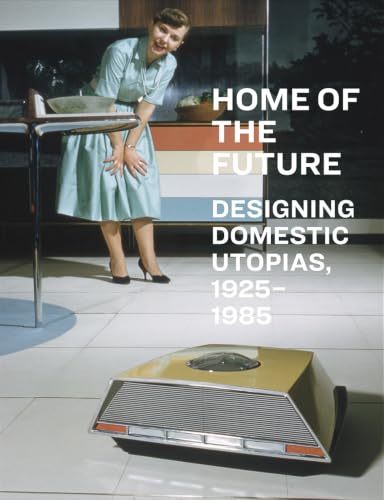
The exhibition, curated by Wendy Kaplan, the department head of Decorative Arts and Design at LACMA, is accompanied by a comprehensive volume published by DelMonico Books. Through a combination of archival imagery, physical exhibits, and historical analysis, the show investigates why the concept of a "technological utopia" remained a persistent cultural aspiration even as the specific predictions of each decade frequently failed to materialize in their promised form.
A Historical Chronology of Domestic Innovation
The scope of the exhibition spans sixty years, a period defined by rapid industrialization and the rise of consumer culture. The timeline begins in 1925, a time when the electrification of the home was transitioning from a luxury for the elite to a hallmark of the modern middle-class life.
The early years covered by the exhibition focus on the "machine for living" philosophy. During the late 1920s and 1930s, appliances such as the electric sink—introduced by Kohler Co. in 1926—symbolized the sanitation and efficiency that would define the modern household. This period marked the beginning of a societal shift where labor was to be outsourced to machines, theoretically freeing the inhabitants for leisure and personal growth.
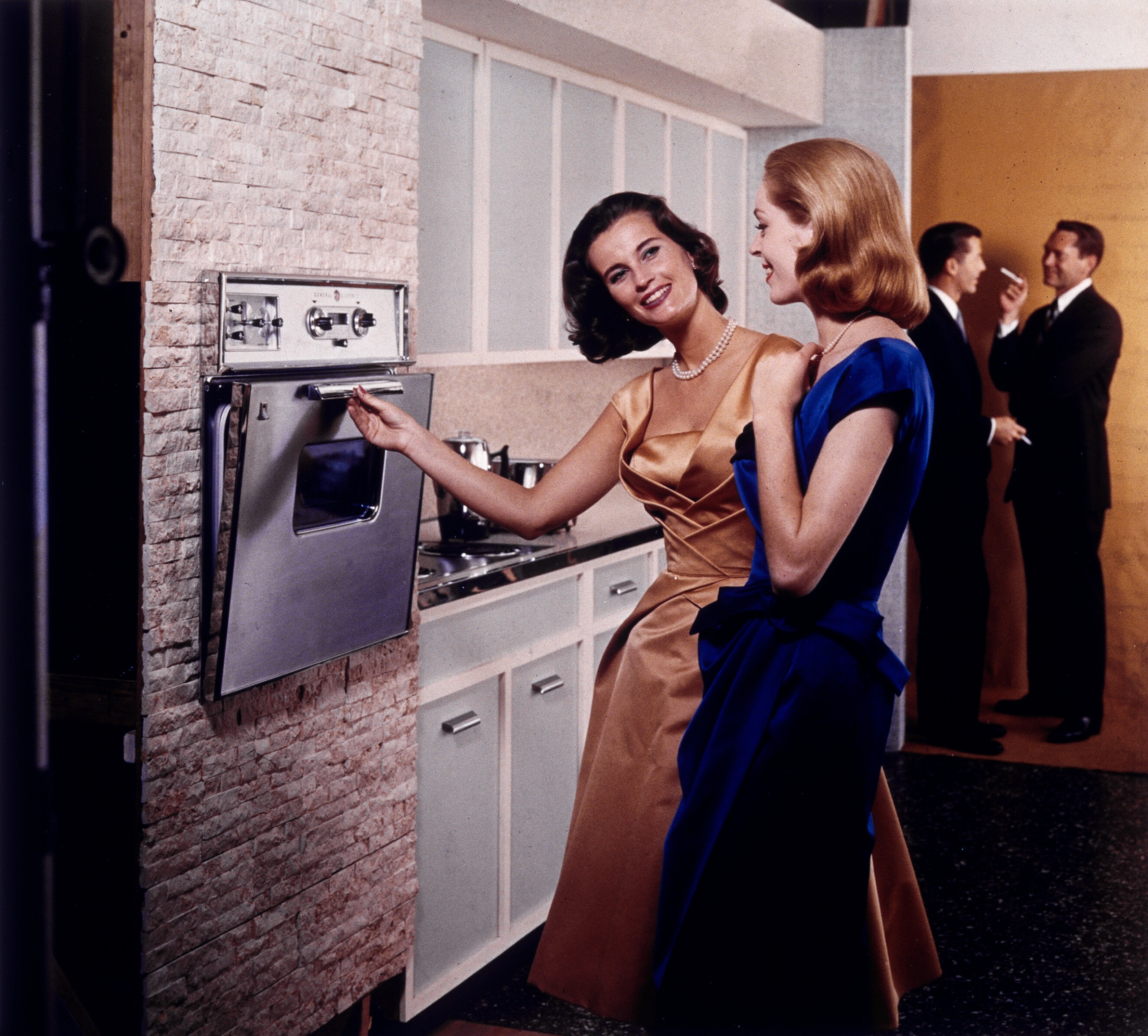
By the 1950s, the "Monsanto House of the Future" era took hold, characterized by experimental materials like plastics and the integration of futuristic electronics. This was the peak of optimism, where manufacturers and futurists imagined homes with rotating walls, integrated televisions, and, eventually, the domestic robot.
The 1960s and early 1970s shifted toward a more complex dialogue regarding technology. As the initial excitement of automation settled into everyday reality, the counterculture movement began to challenge the consumerist underpinnings of these domestic utopias. The final section of the exhibition addresses the rise of environmental consciousness and the skepticism that emerged in the 1970s and 80s, as the focus shifted from mass-produced convenience to sustainability and decentralized, communal living.
The Gap Between Promise and Reality
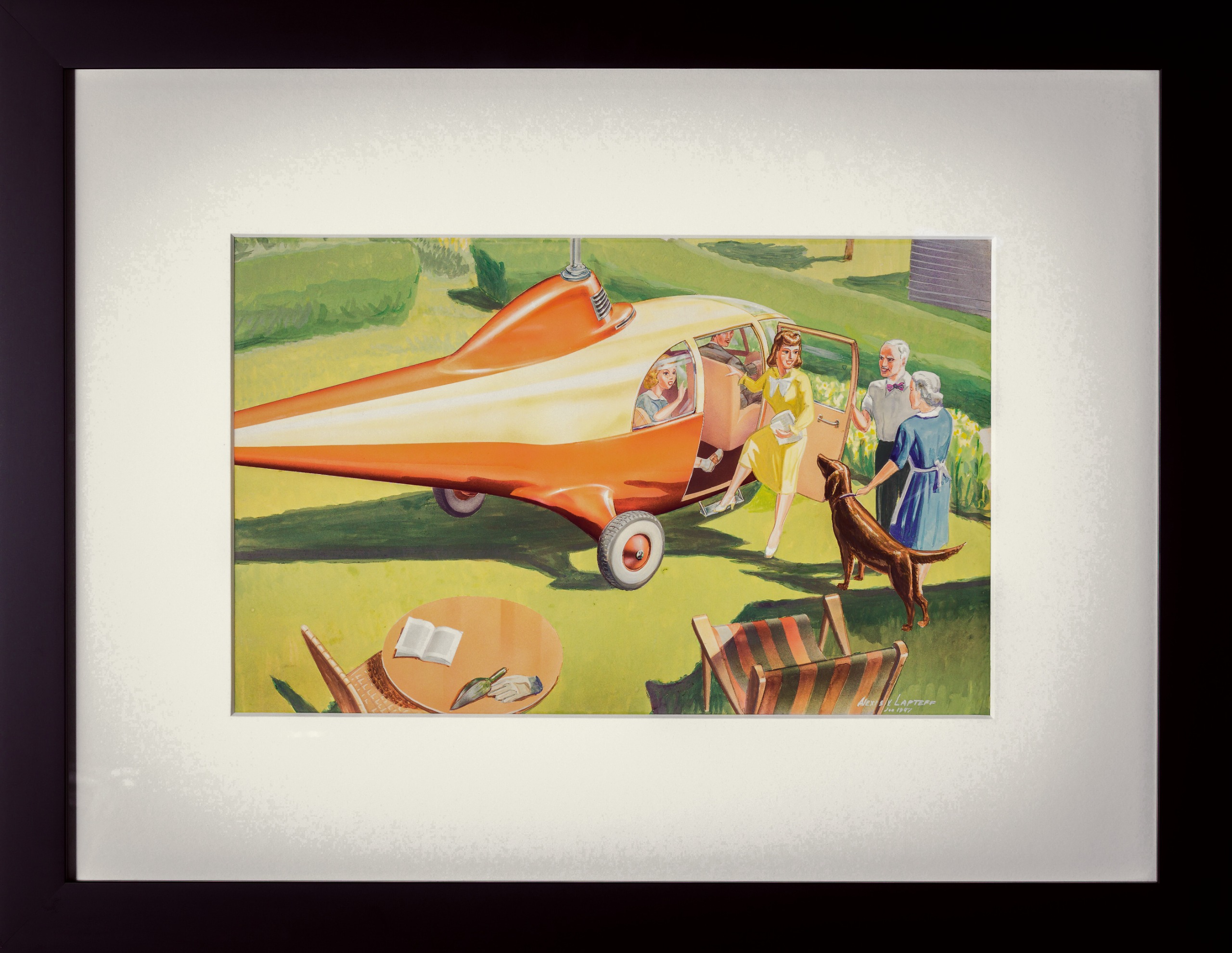
A core element of the exhibition is the analysis of why certain technologies gained ubiquity while others remained speculative. Data from the era suggests a consistent pattern: while the adoption rate of basic electrical appliances—refrigerators, washing machines, and vacuum cleaners—skyrocketed, the "futuristic" promises of flying vehicles or entirely automated, self-sustaining homes largely stalled in the conceptual or prototyping phases.
The "robot butler" remains a primary example of this disparity. While today’s smart homes feature voice-activated systems and autonomous vacuum cleaners, the human-like, multi-functional robots envisioned in 1950s advertisements have yet to manifest in the way predicted. Experts in design history note that the failure of these technologies was rarely about a lack of engineering capability, but rather a misalignment between market demand, infrastructure requirements, and the fundamental complexities of domestic life.
Furthermore, the "leisure time" promised by technology has largely failed to materialize in the form anticipated by mid-century futurists. Instead of the reduction of labor leading to an explosion of personal development, the proliferation of domestic technology has often been accompanied by a shift in expectations, where the standard for household cleanliness and productivity has simply risen to meet the capacity of the new tools.
Curatorial Perspective and Institutional Context
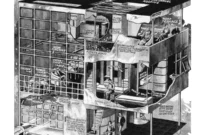
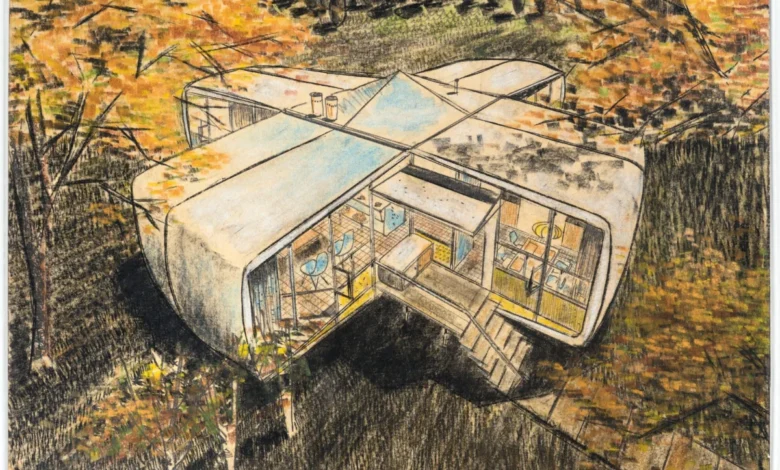
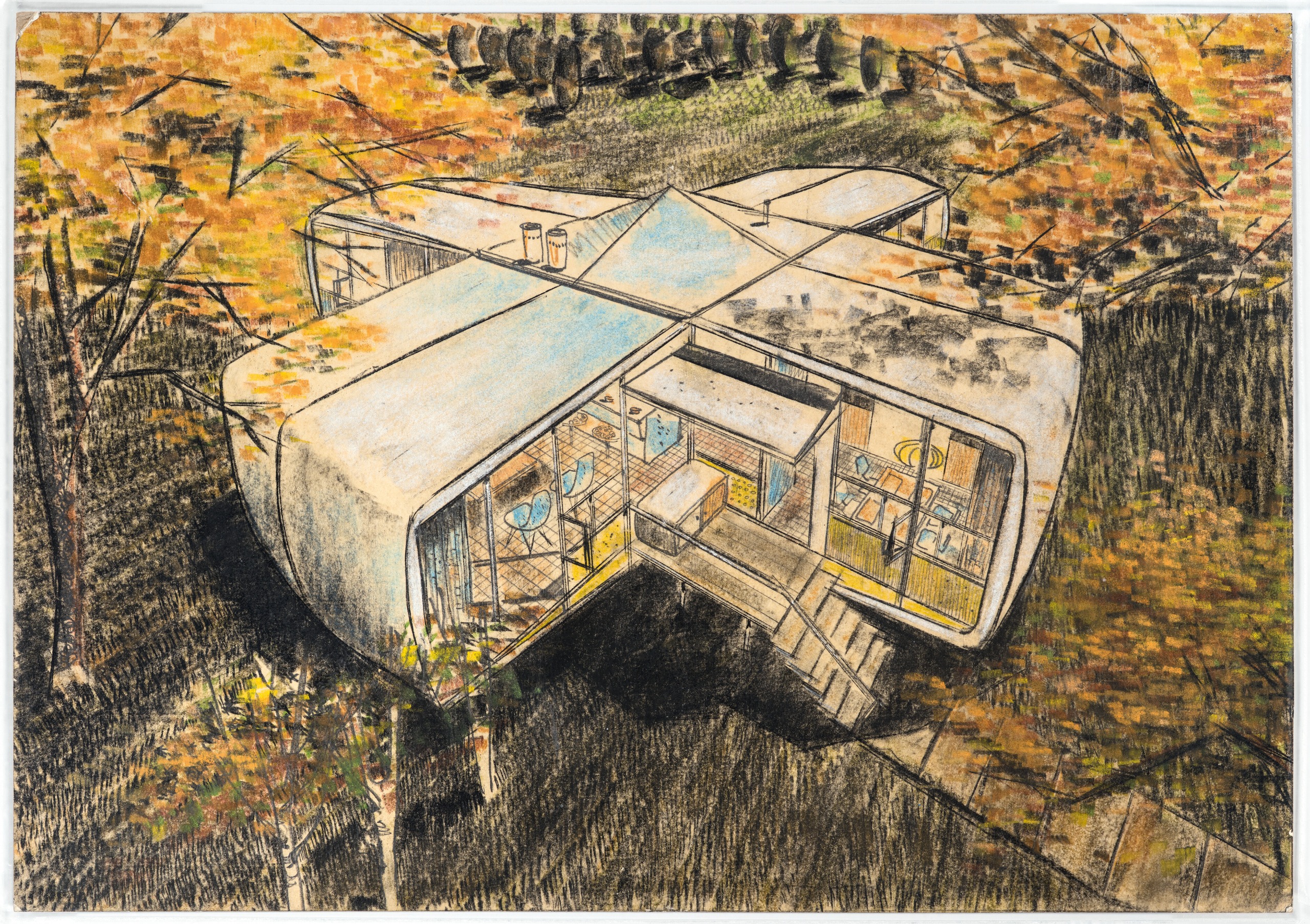
Wendy Kaplan’s research for the project highlights that the exhibition is not merely a collection of retro-futuristic gadgets, but a study of the values embedded within these designs. The objects selected for the show, ranging from kitchen prototypes to architectural renderings like those by Hamilton & Goody Architects, reveal how the "home" served as a battleground for ideas about gender roles, economic stability, and national identity.
The design of the accompanying publication, handled by Lorraine Wild and Xiaoqing Wang of Green Dragon Office, emphasizes the visual language of these eras. By juxtaposing marketing materials that promised a "miracle kitchen" with the reality of domestic life in the 1970s, the curators create a narrative that is both appreciative of the aesthetic optimism of the past and critical of its underlying assumptions.
Broader Implications and Socio-Economic Analysis
The implications of these designs extend far beyond the museum walls. The exhibition prompts a reflection on the current state of technology. As society moves further into the 21st century, the pattern of "explosions of hope" followed by "misdirection and despair" remains visible in the discourse surrounding Artificial Intelligence and the Internet of Things.
Sociologists often point to the "paradox of choice" and the "burden of maintenance" as modern consequences of a highly technological home. The exhibition encourages visitors to consider whether the digital "domestic utopia" we inhabit today is truly an advancement in human well-being or if it echoes the same pitfalls faced by the architects of 1956.
In the context of contemporary sustainability, the 1970s section of the exhibition—featuring the countercultural responses and attempts at self-sufficient living—is particularly resonant. As modern design shifts toward energy efficiency and modularity, the lessons from these earlier, failed utopian experiments offer a blueprint for what to avoid and what to refine.
Future Outlook and Counter-Cultural Responses
The final segments of the exhibition highlight the "Soul City" project and other attempts to create utopian living spaces that prioritized social equity over pure technological efficiency. These projects suggest that the most enduring "future" homes were not those defined by the most advanced gadgetry, but those that fostered community and resilience.
As visitors walk through the Resnick Pavilion, they are invited to compare the "Whirlpool Miracle Kitchen" of the 1950s with the realities of modern urban living. The exhibition asks a difficult question: have we been liberated by the machine, or have we become tethered to the infrastructure that supports it?
The exhibition serves as a timely reminder that technology is never neutral. It is an artifact of the economic and social desires of its time. Whether it was the space-age fantasies of the 1960s or the eco-conscious designs of the 1980s, every generation has attempted to solve the fundamental problem of human existence through the design of the home.
Exhibition Logistics and Access
The Home of the Future exhibition is a collaboration between LACMA’s curatorial team and several institutional partners. The accompanying book, Home of the Future 1925–1985: Designing Domestic Utopias, is available through DelMonico Books and major art retailers, providing in-depth essays that contextualize the physical artifacts on display.
Visitors planning to attend the exhibition are encouraged to visit the official LACMA website for information regarding ticket reservations, guided tours, and associated panel discussions. Given the extensive range of the exhibition, which covers everything from kitchen sink design to political posters and urban planning documents, the museum recommends allocating significant time to engage with the thematic transitions between the galleries.
The exhibition is open to the public from late 2026 through early 2027. It offers a unique opportunity to view how the "future" was constructed, sold, and eventually re-imagined by successive generations, providing a critical lens through which to view our own rapidly changing domestic landscape. Through this comprehensive survey, LACMA continues its tradition of bridging the gap between historical design and contemporary societal debate, ensuring that the lessons of the past are not lost in the digital haze of the present.
Related posts: