Bridging Distributed Data Estates: Integrating Snowflake with Amazon SageMaker Unified Studio for Seamless Governance

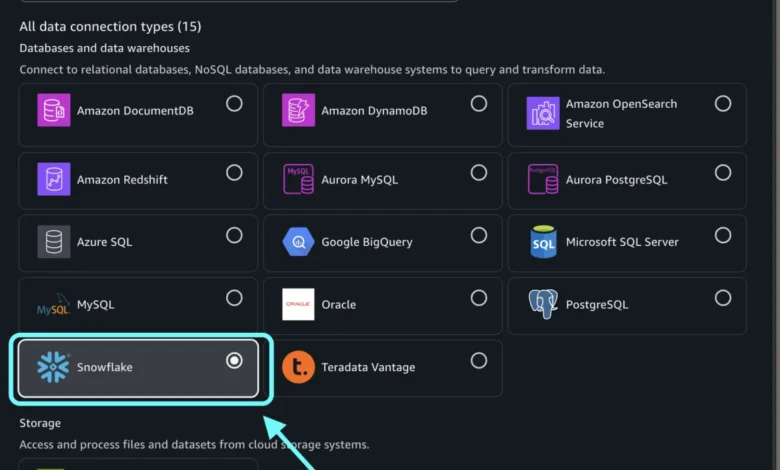
In the modern enterprise architecture, the fragmentation of data across disparate environments has become a primary bottleneck for digital transformation. Many organizations currently operate in hybrid ecosystems where mission-critical analytical assets reside in Snowflake, while high-performance machine learning and data engineering workloads are executed on Amazon Web Services (AWS). Historically, this separation has necessitated the development of complex, fragile, and time-consuming data pipelines to move, replicate, and synchronize information. These "data silos" often result in significant governance gaps, discovery friction, and duplicated engineering efforts that hinder organizational agility.
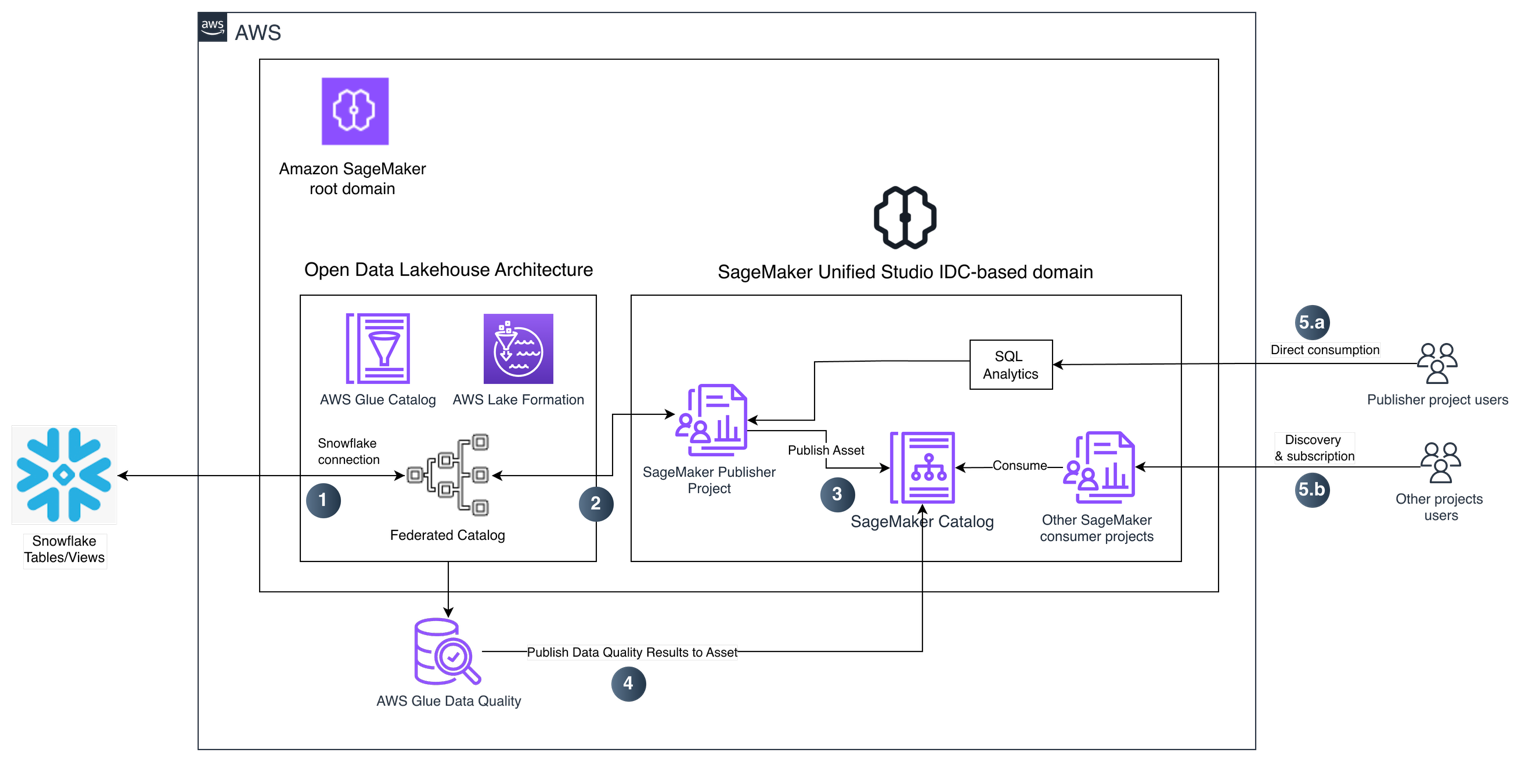
To address these inefficiencies, the integration of Snowflake with Amazon SageMaker Unified Studio marks a significant evolution in how enterprises manage distributed data. By leveraging an integrated cataloging system and the robust validation capabilities of AWS Glue Data Quality, organizations can now establish a unified governance framework without the requirement of physical data migration. This architectural shift allows teams to maintain data sovereignty while simultaneously enabling cross-platform collaboration.
The Challenge of Data Fragmentation
For years, the standard approach to cross-platform data utilization involved ETL (Extract, Transform, Load) processes that often required days to configure and maintain. When data is physically moved from Snowflake to AWS storage, it creates immediate risks regarding data freshness, security compliance, and storage costs. Industry data suggests that engineering teams spend upwards of 60% of their time on data preparation and pipeline maintenance rather than actual analysis or model development.
The lack of a unified metadata layer means that data consumers—including data scientists and business analysts—frequently struggle to discover reliable assets. Without a centralized catalog, organizations often rely on manual documentation or tribal knowledge, leading to the use of inconsistent or outdated data sets. The new integration between SageMaker Unified Studio and Snowflake effectively eliminates this latency, reducing the time required to catalog and validate federated data from several days to a window of 5 to 15 minutes.
Architectural Overview and Operational Workflow
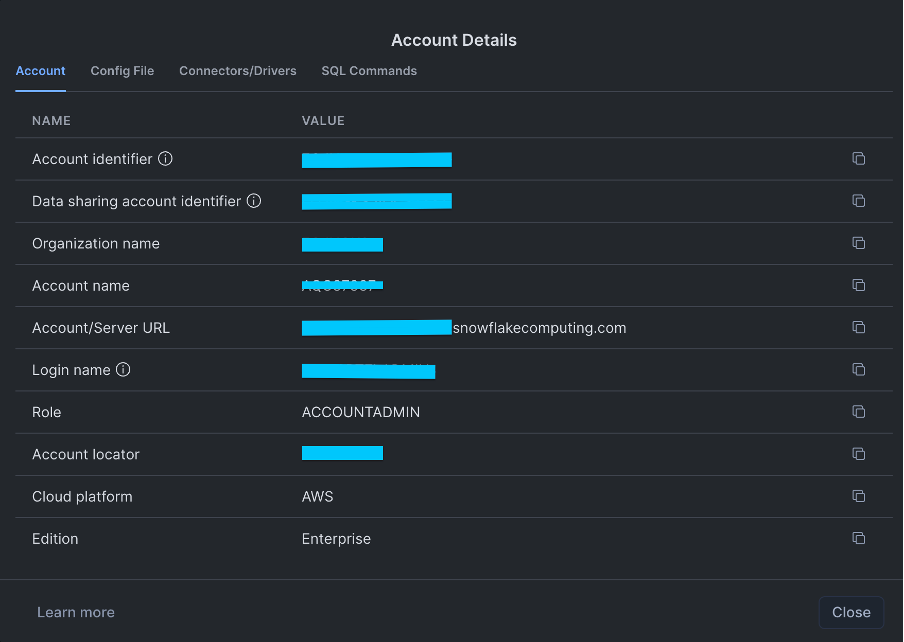
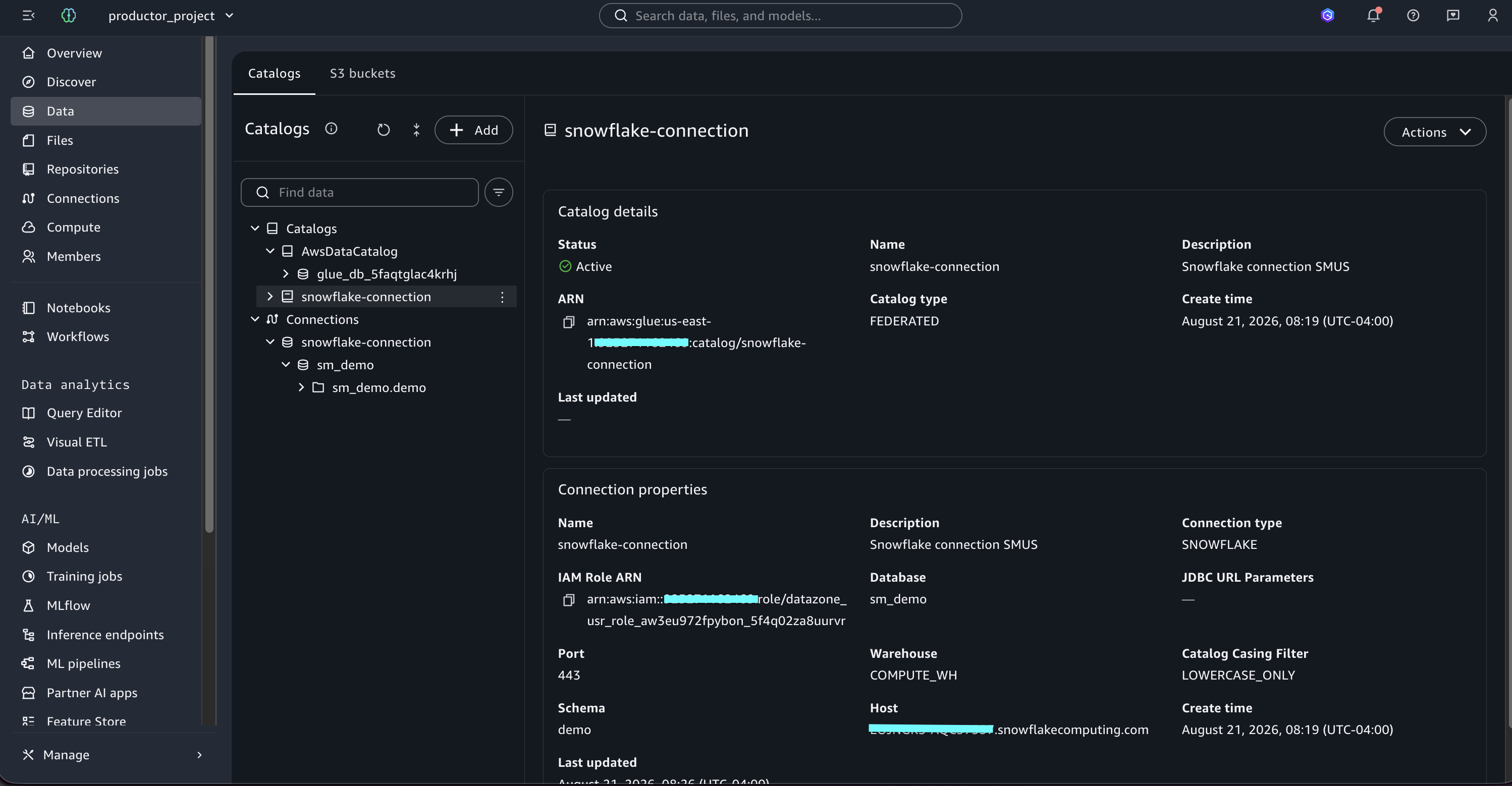
The solution utilizes an AWS Glue connection to federate the Snowflake catalog directly into the Amazon SageMaker Unified Studio environment. This architectural design treats Snowflake as a first-class citizen within the AWS data ecosystem. By utilizing Amazon Athena as the underlying query engine, the system allows for federated queries that are pushed down to the Snowflake instance.
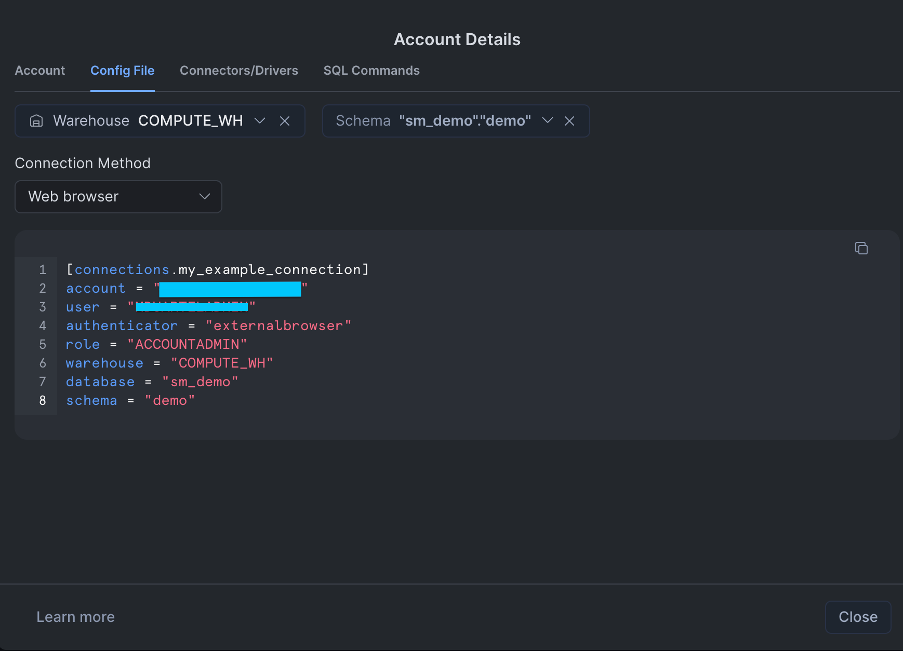
In this workflow, the data remains at rest within the Snowflake environment. When a user executes a query via the SageMaker Unified Studio interface, Athena retrieves only the metadata from the AWS Glue Catalog, transmits the query to Snowflake for execution, and returns only the final result set to the user. This "zero-copy" approach ensures that the organization maintains a single source of truth, significantly reducing the security footprint and the risk of unauthorized data exposure during transit.
Establishing the Governance Framework
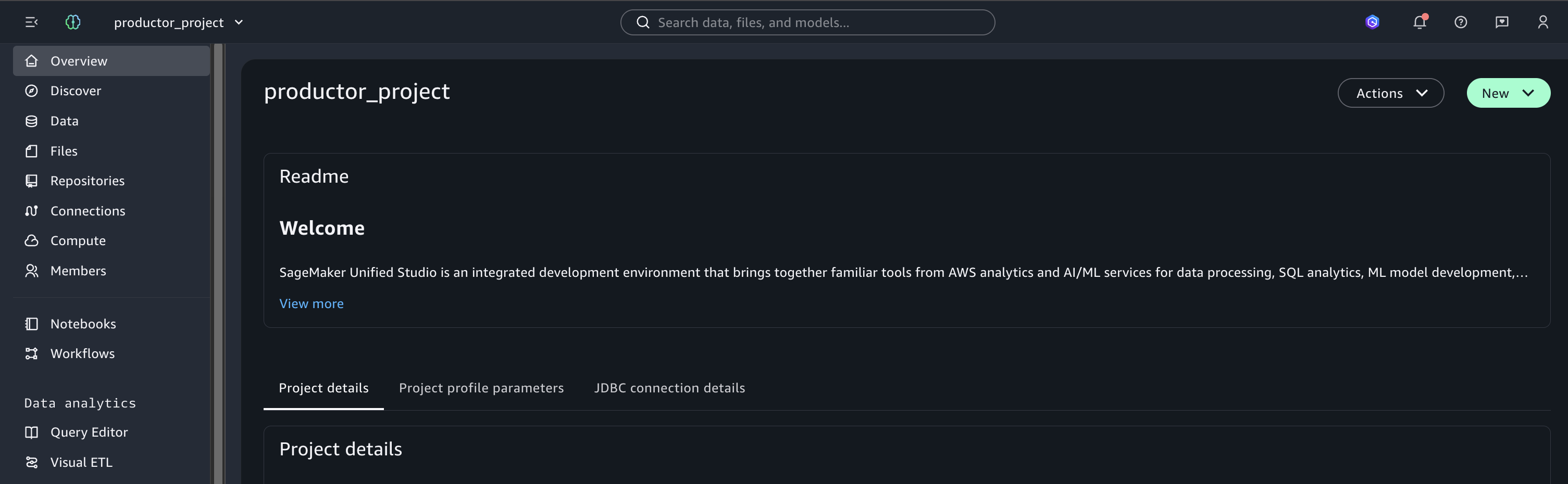
The integration process begins with the establishment of specific Identity and Access Management (IAM) permissions, which are critical for maintaining a secure and auditable data environment. The AWS Glue job execution role must be granted explicit authority to interact with the Amazon SageMaker Catalog, including permissions to search listings, retrieve domain information, and post time-series data points for quality metrics.
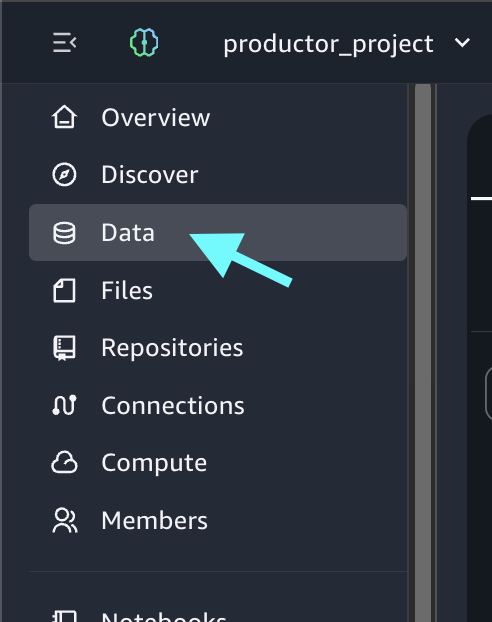
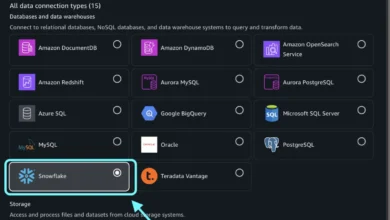
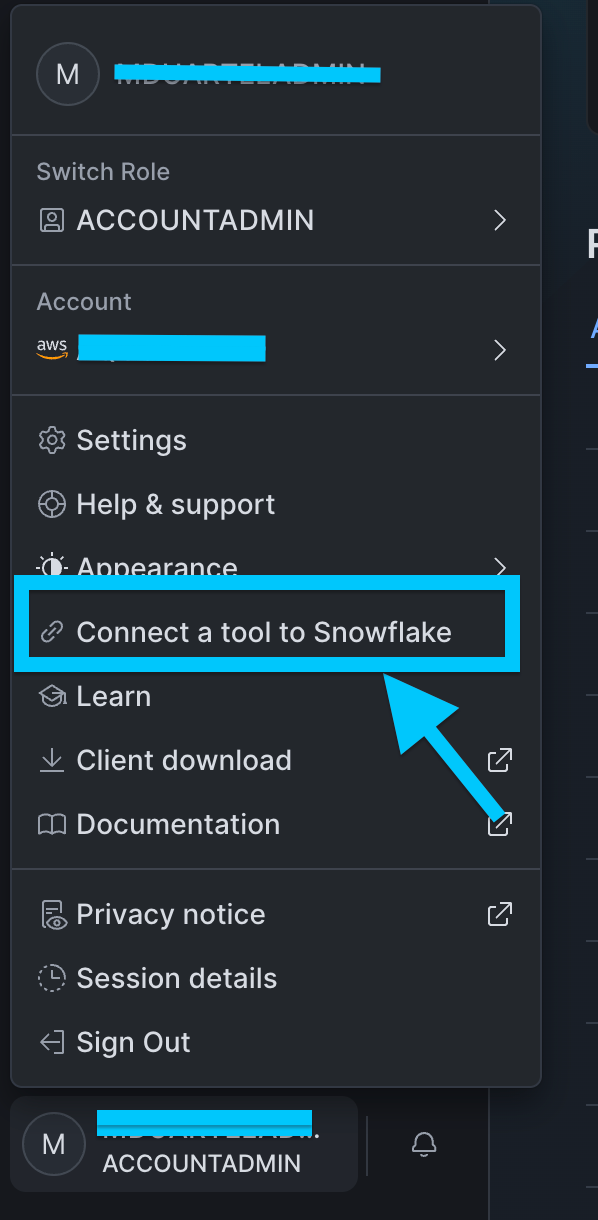
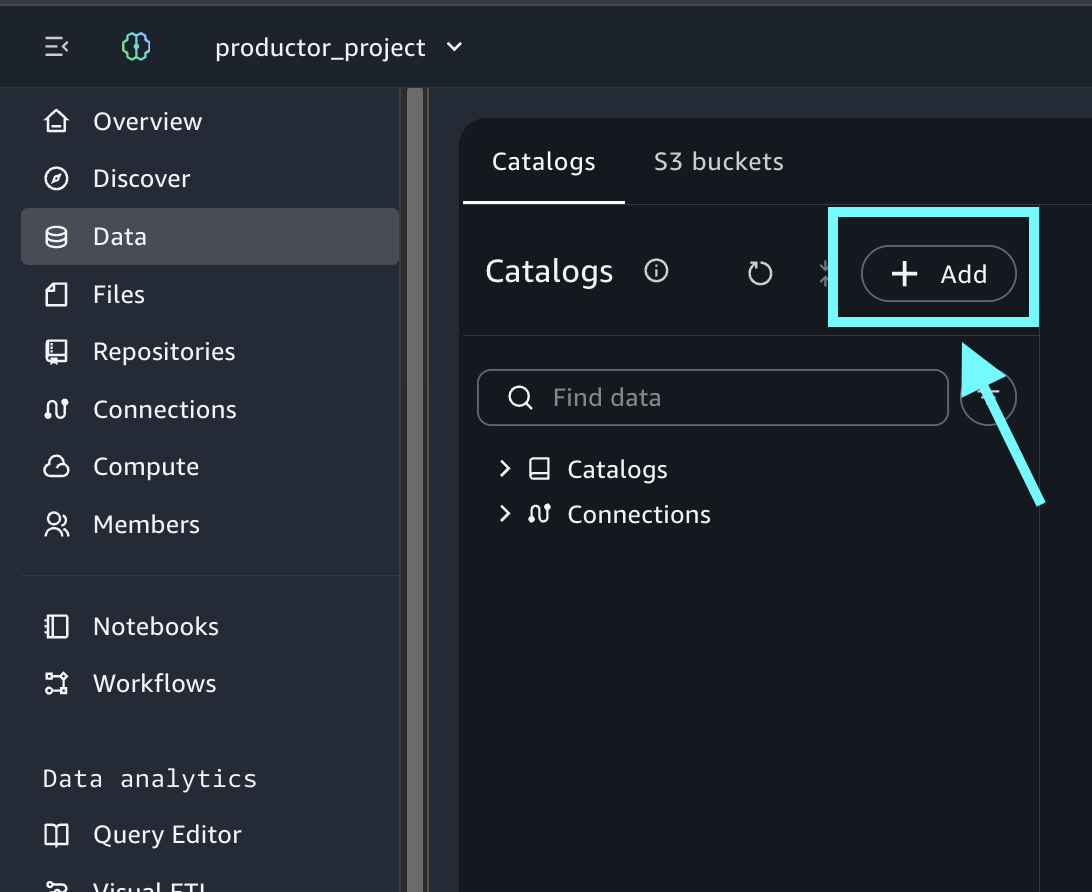
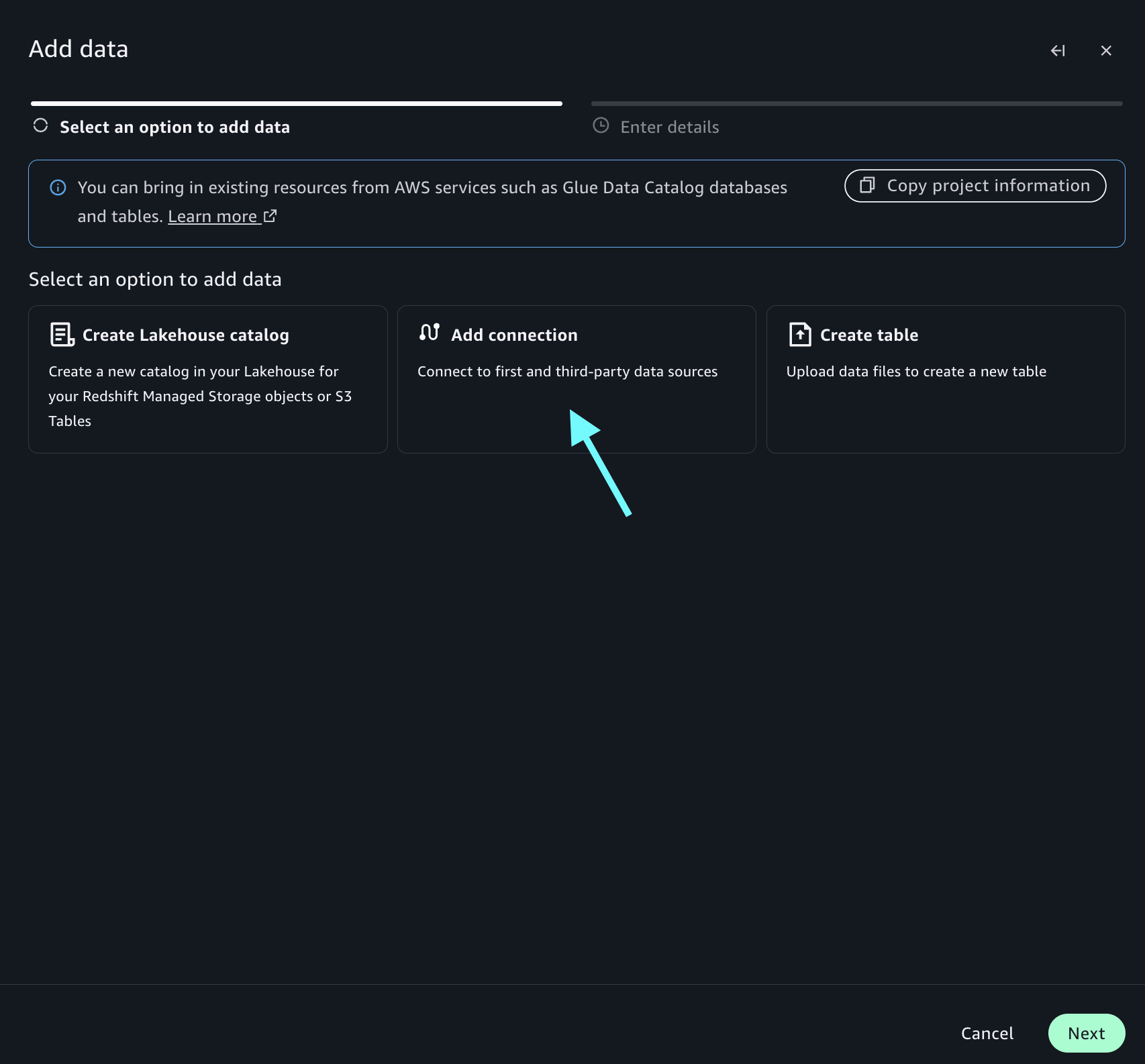
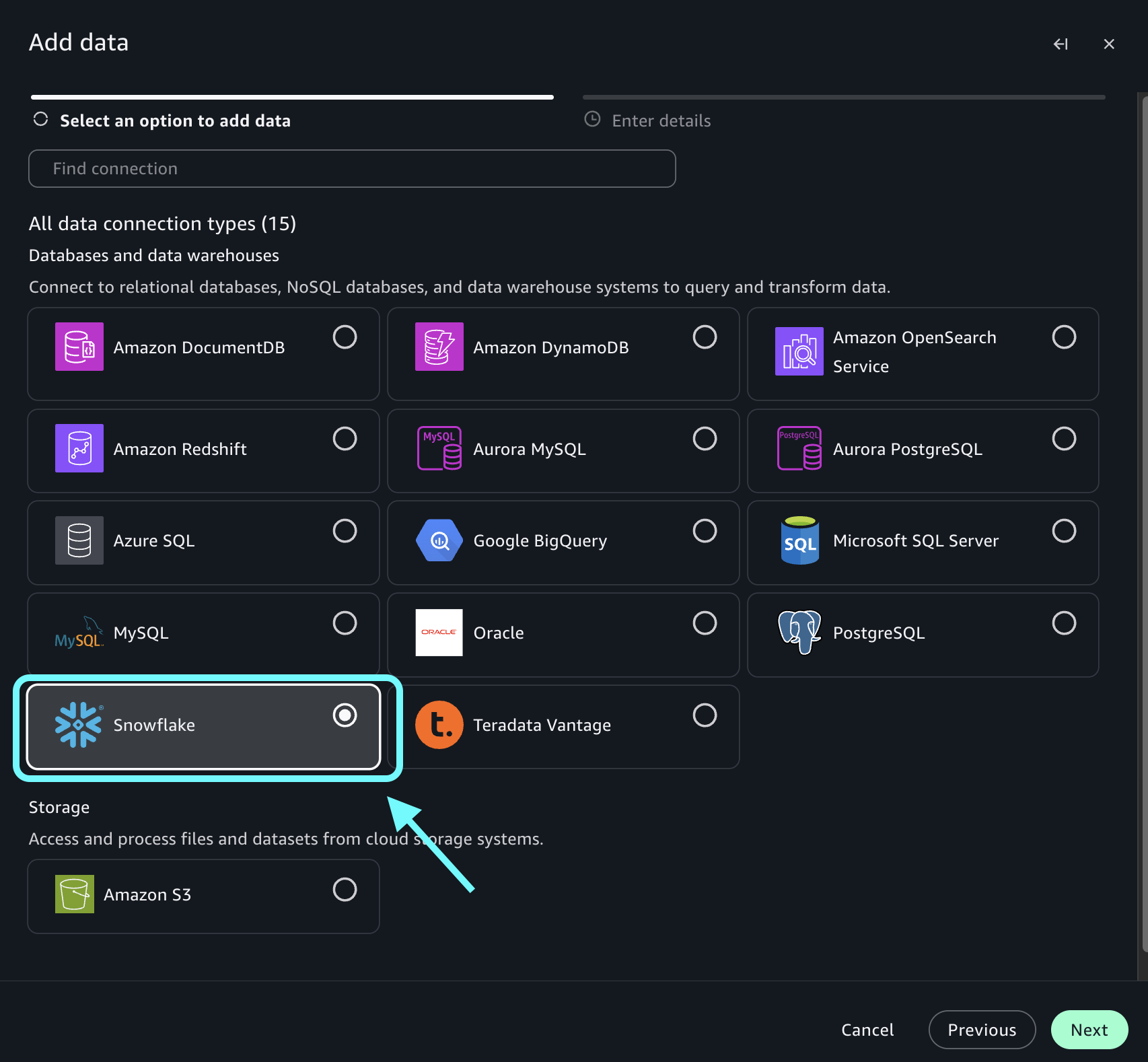
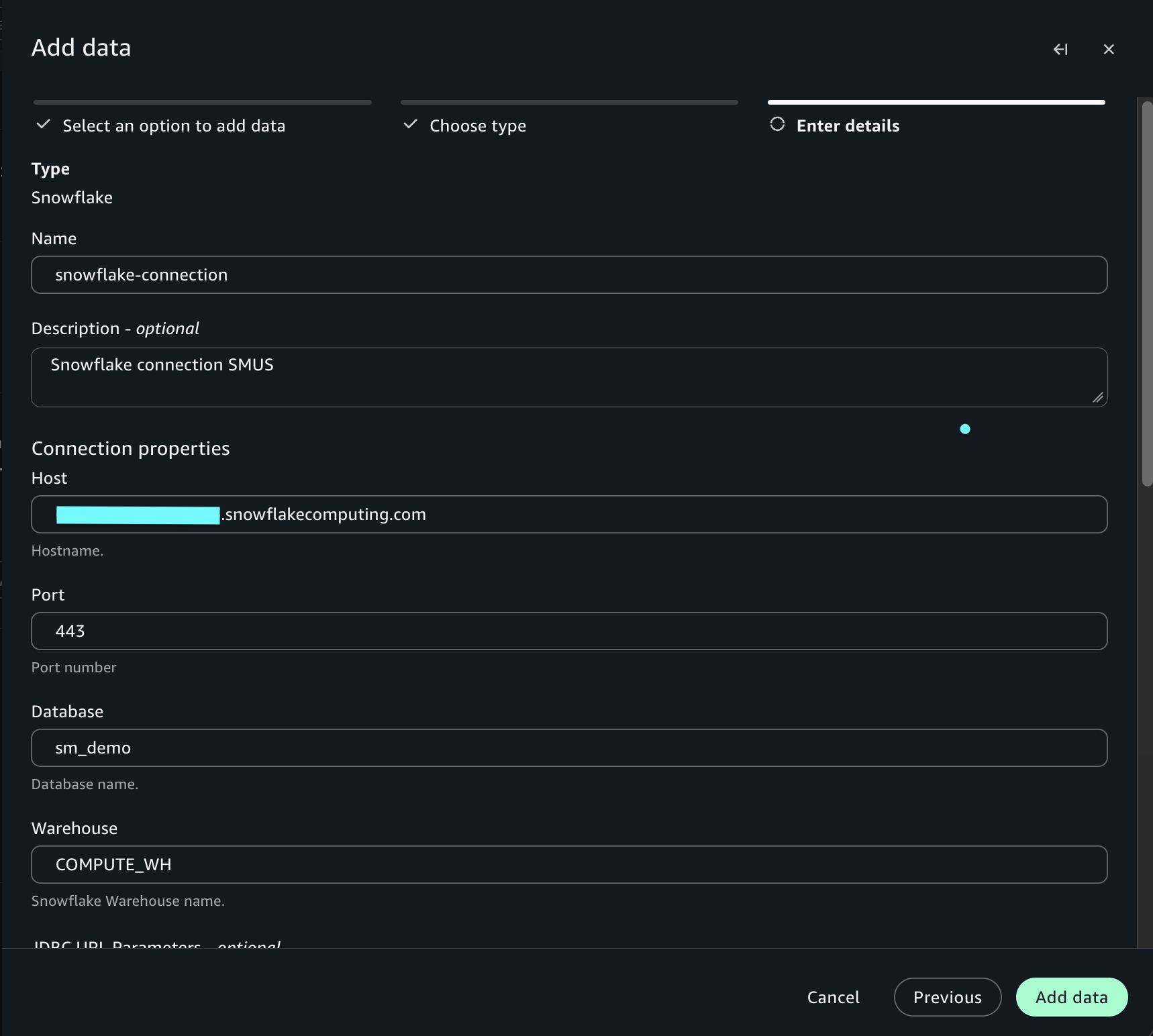
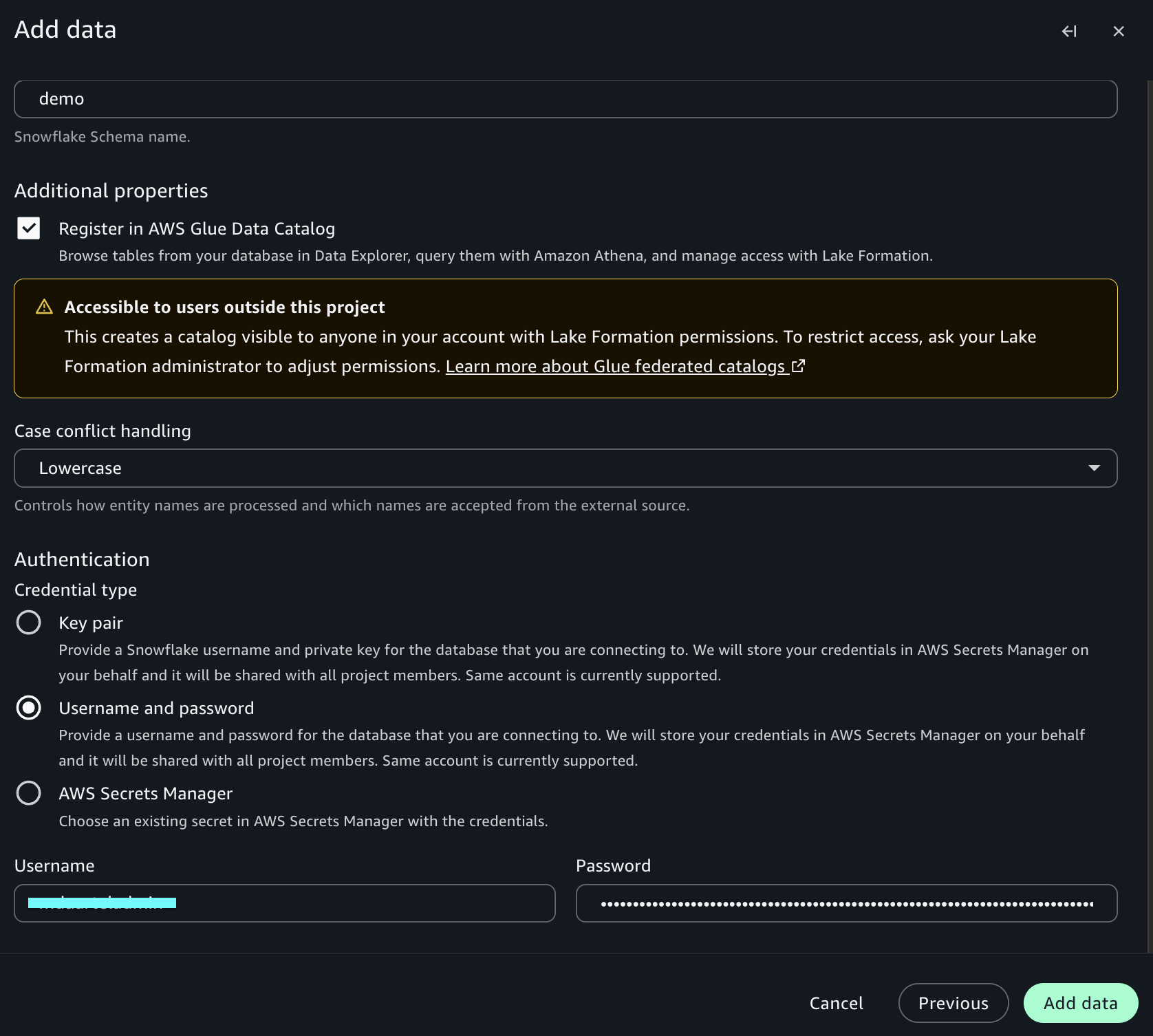
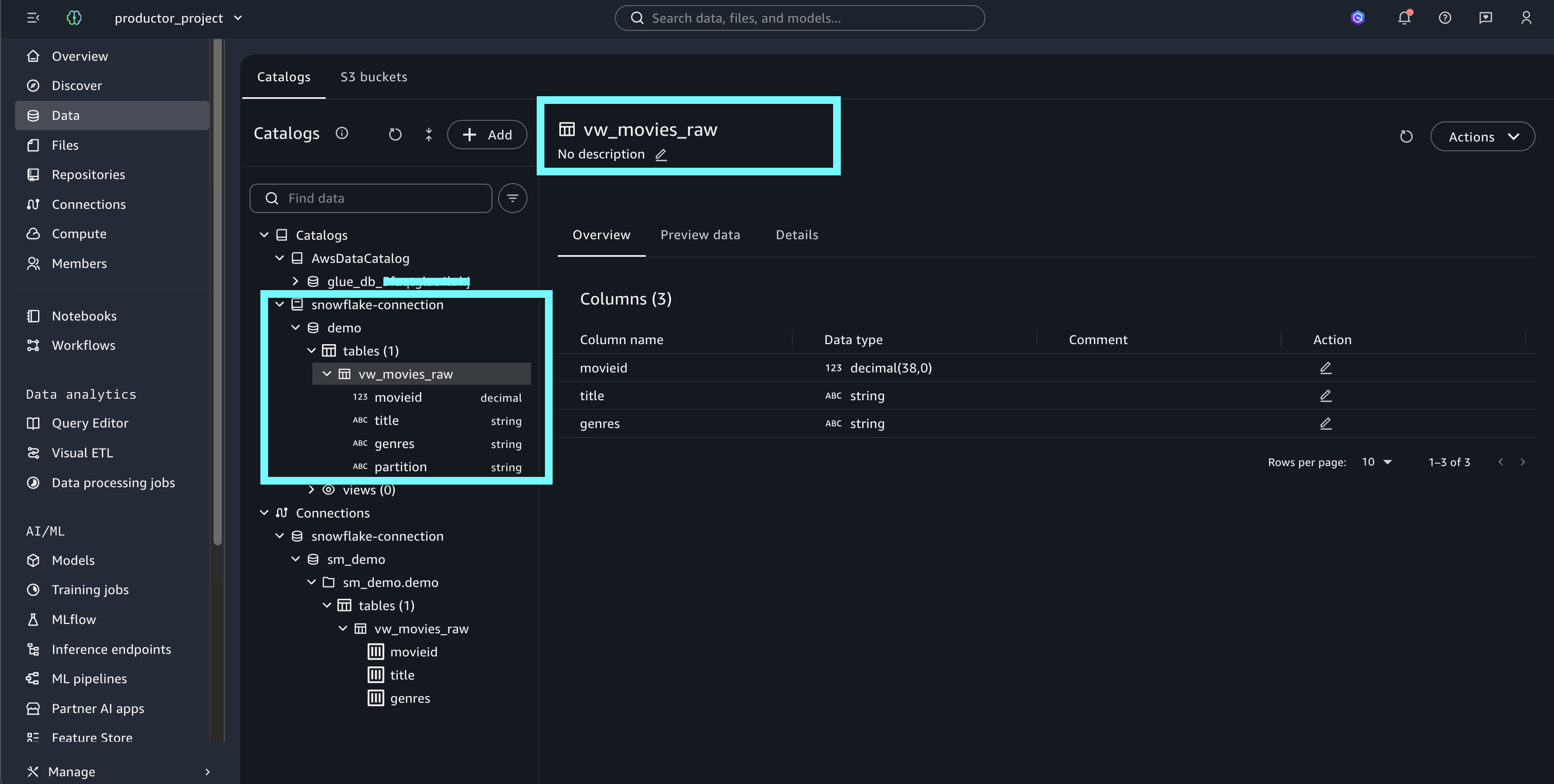
Once the IAM foundation is established, the user configures the Snowflake connection within the SageMaker Unified Studio domain. This configuration acts as a bridge, allowing the system to index Snowflake databases and schemas without requiring the physical replication of rows or tables. After the federation is complete, tables become immediately searchable and queryable within the project catalog, transforming raw technical assets into business-ready data resources.
Ensuring Data Integrity with AWS Glue
One of the most significant advantages of this integration is the ability to apply programmatic data quality rules using the Data Quality Definition Language (DQDL). In traditional setups, data quality validation was often an afterthought, occurring only after data had been moved and processed. By integrating AWS Glue Data Quality, organizations can perform validation checks directly on the source data in Snowflake.
The workflow involves creating a Visual ETL job that acts as a quality gate. This process allows engineers to define specific rules—such as schema validation, null checks, or value distribution thresholds—before the data is ever consumed by downstream applications. The results of these tests are then posted back to the Amazon SageMaker Catalog as metadata, providing data consumers with an immediate "trust score" for the asset. This score serves as a critical indicator for data scientists, who can now evaluate the reliability of a dataset before deciding whether to incorporate it into a machine learning model.
Strategic Implications for the Enterprise
The ability to maintain consistent governance across a distributed data estate has profound implications for corporate compliance and operational efficiency. In sectors such as finance, healthcare, and retail—where data governance is not merely an operational preference but a regulatory requirement—the ability to monitor and validate data quality without moving it is a competitive advantage.
Furthermore, this integration fosters a culture of collaboration. When data assets are registered in the Amazon SageMaker Catalog with enriched metadata and verified quality scores, they become discoverable across the entire organization. This democratizes access to information, allowing teams to move faster without needing to request redundant data exports or waiting for IT support to build new pipelines.
Future-Proofing Data Infrastructure
As artificial intelligence and machine learning become increasingly central to business operations, the importance of "data readiness" has never been higher. The integration of Snowflake and SageMaker Unified Studio is a clear indicator of a broader industry trend: the shift away from monolithic data warehouses toward intelligent, federated architectures. By focusing on connectivity and metadata-driven discovery rather than physical consolidation, organizations can build more resilient, scalable, and secure data foundations.
The ease of implementation, combined with the significant reduction in technical debt, positions this solution as a standard-bearer for future hybrid cloud data strategies. For organizations looking to modernize their data stack, the focus is no longer on how to centralize every byte of data, but on how to effectively bridge the gaps between the platforms where that data naturally lives.
Conclusion
The connection between Snowflake and Amazon SageMaker Unified Studio provides a blueprint for the future of distributed data management. By enabling real-time querying, automated cataloging, and robust quality validation within a single, unified interface, AWS has addressed one of the most persistent challenges in data engineering. As enterprises continue to scale their data operations, the ability to maintain a consistent, governed, and highly discoverable data estate will remain the defining characteristic of high-performing, data-driven organizations. This integration not only streamlines the path from data discovery to actionable insight but also reinforces the trust necessary for the widespread adoption of advanced analytics and artificial intelligence.