The floor is the silent protagonist of any well-curated interior, acting as the foundation upon which furniture, art, and architectural elements find their cohesion. As London Design Festival 2026 (LDF 2026) reaches its zenith, it has become evident that the rug has transcended its traditional role as a functional floor covering to emerge as a centerpiece of artistic expression. This year’s festival, a global nexus for design innovation, has showcased a sophisticated dialogue between heritage textile techniques and contemporary aesthetic sensibilities. By blurring the lines between fine art and industrial design, these six featured collections illustrate a shift toward rugs that serve as sculptural, narrative-driven anchors for modern living.
A Legacy of Design and Future Horizons
The London Design Festival, now in its 24th year, continues to serve as the definitive stage for both established houses and emerging talent. Since its inception in 2003, the festival has expanded to include hundreds of partner events across the capital, attracting over 600,000 visitors annually from the worlds of architecture, interiors, and product design. LDF 2026 has particularly emphasized the concept of "Progressive Permanence," a theme that examines how historic craft techniques can remain relevant in an era of rapid technological advancement.
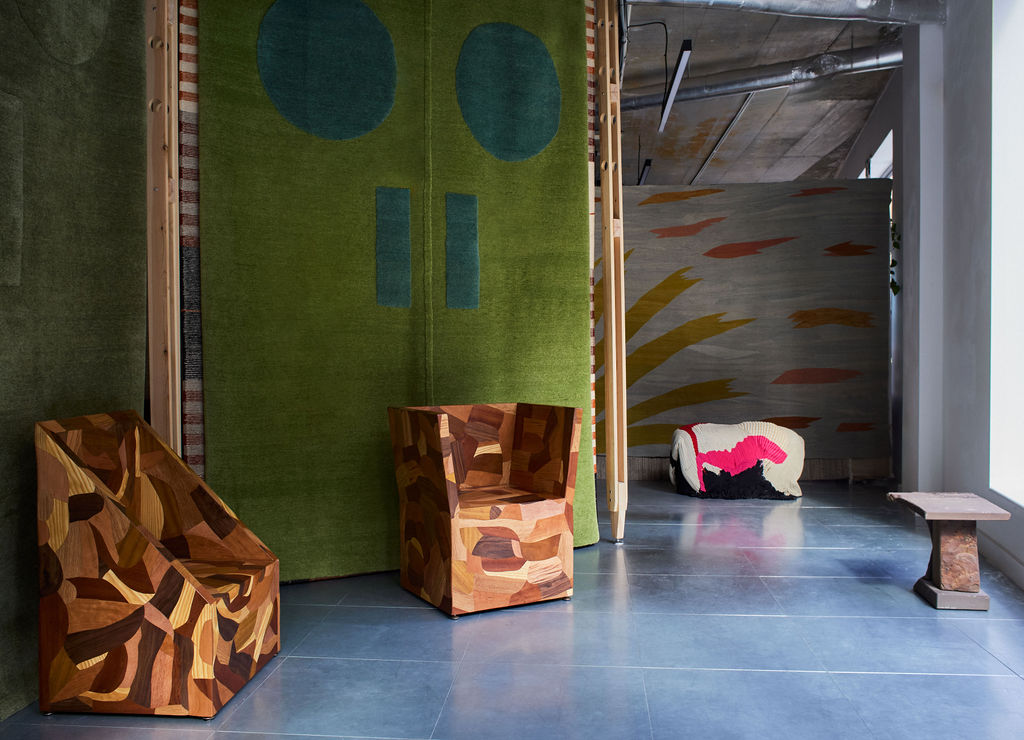
At the forefront of this discourse is the collaboration between Christopher Farr and the Max Radford Gallery. By placing archival rug designs in conversation with avant-garde contemporary furniture, the exhibition challenges the viewer to reconsider the relationship between different design eras. Max Radford noted that the intent behind this curation was to provide a platform where current designers can be measured against 20th-century masters. This cross-generational dialogue is not merely aesthetic; it is a strategic effort to validate contemporary designers, positioning them as the future icons of the 21st century. The exhibition serves as a microcosm for the broader festival trend: the belief that lasting design must respect the past while actively interrogating the future.
The Philosophy of Restraint: Marc Phillips
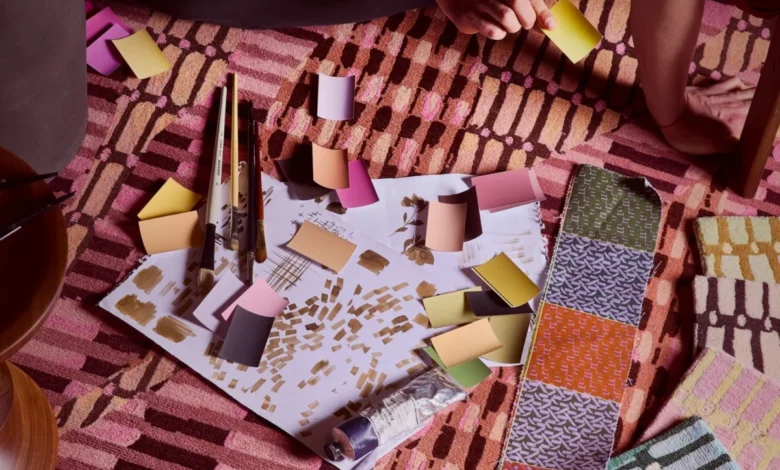
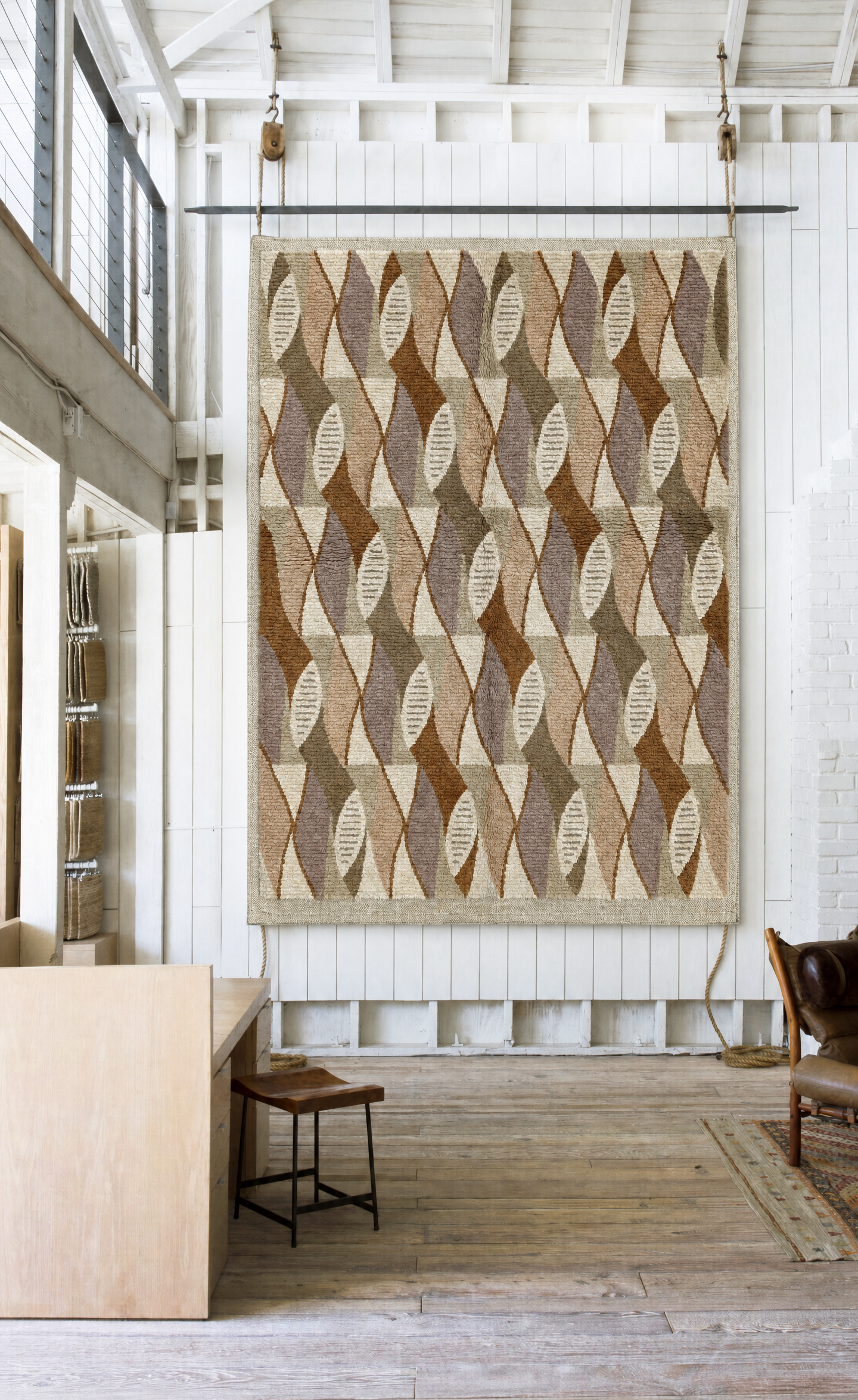
While some designers opted for maximalist expressions, the American design house Marc Phillips introduced a collection defined by profound restraint. Debuting three distinct pieces at the festival, the collection highlights the intersection of Moroccan craftsmanship and modern minimalism. The pieces—Orah, Ziri, and Mira—demonstrate a unified color palette of warm earth tones, including rust, tan, olive, and dusty purple.
The technical variety within this small collection is significant. By balancing hand-knotted Moroccan construction with handwoven flatweave techniques, Marc Phillips underscores the importance of texture as a visual language. Industry analysts have noted that this shift toward "quiet luxury"—where quality and materiality supersede loud branding—has seen a 15% increase in demand within the high-end residential market over the past three fiscal quarters. The "Mira" design, with its complex diamond and leaf motifs, provides a case study in how subtle patterns can anchor an expansive space without overwhelming the surrounding architecture.
Collaborative Narratives and Community Architecture
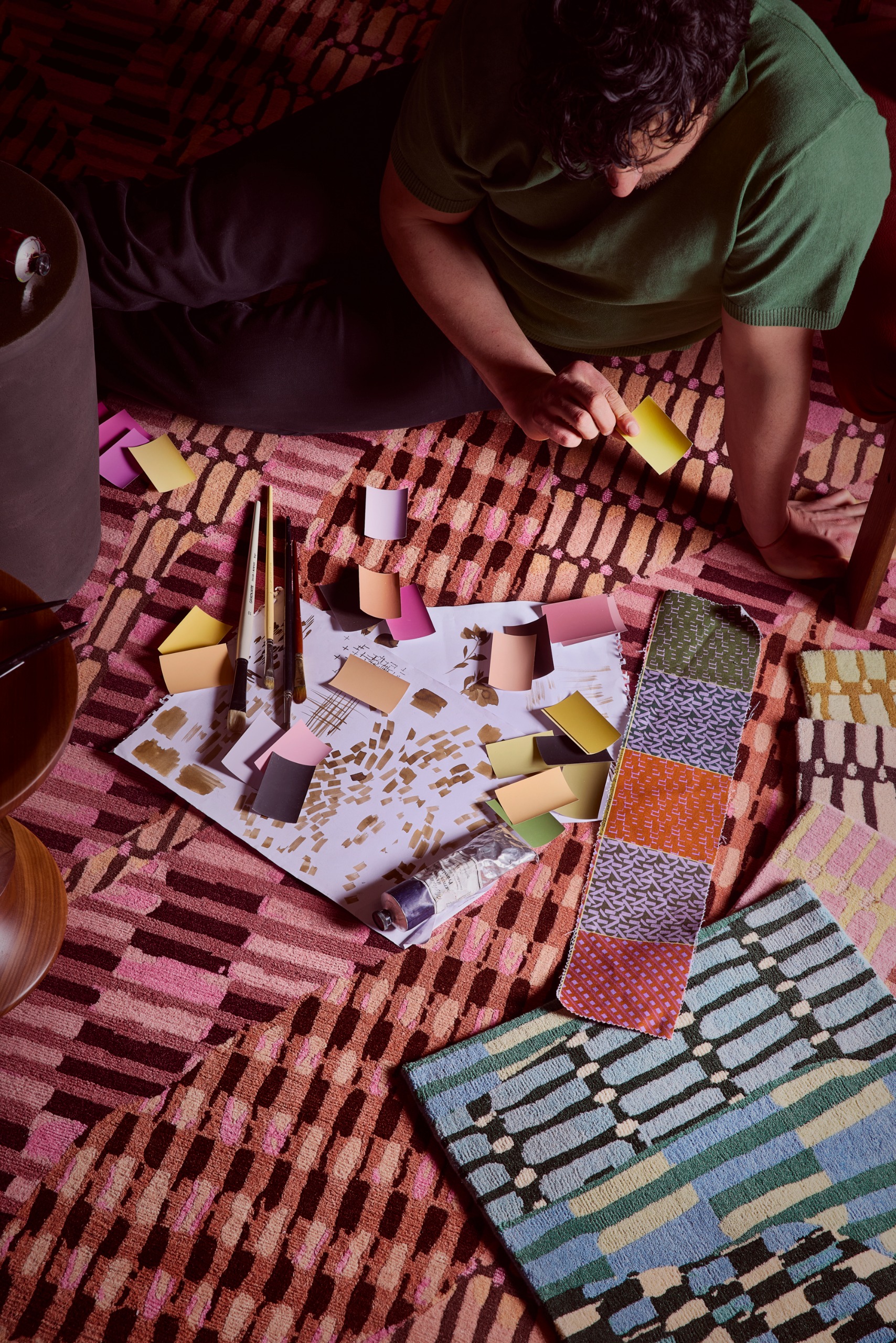
Floor Story, a staple of the London design scene, utilized LDF 2026 to present a collaborative project that is as much about social commentary as it is about interior decor. Partnering with Spanish furniture manufacturer Sancal and interior design consultancy Trifle*, Floor Story showcased five unique rugs, each telling a distinct story.
The inclusion of the POoR Collective, which translates the brutalist aesthetic of London’s housing estates into optimistic, flatwoven patterns, represents a significant move toward "socially conscious design." This is not merely decorative; it is a reflection of the industry’s increasing pivot toward urban identity and the democratization of luxury aesthetics. The "Jogakbo" design by Les Keepers, which employs intricate patchworking and delicate linework to celebrate the beauty of imperfection, offers a stark contrast to the mass-produced perfection often found in high-street textiles. This project serves as a reminder that the most compelling design often stems from local narratives and community-based inspiration.
Fashion Meets Interior Architecture: Collina Strada and Layered
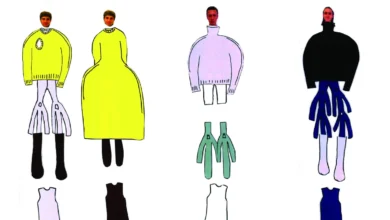
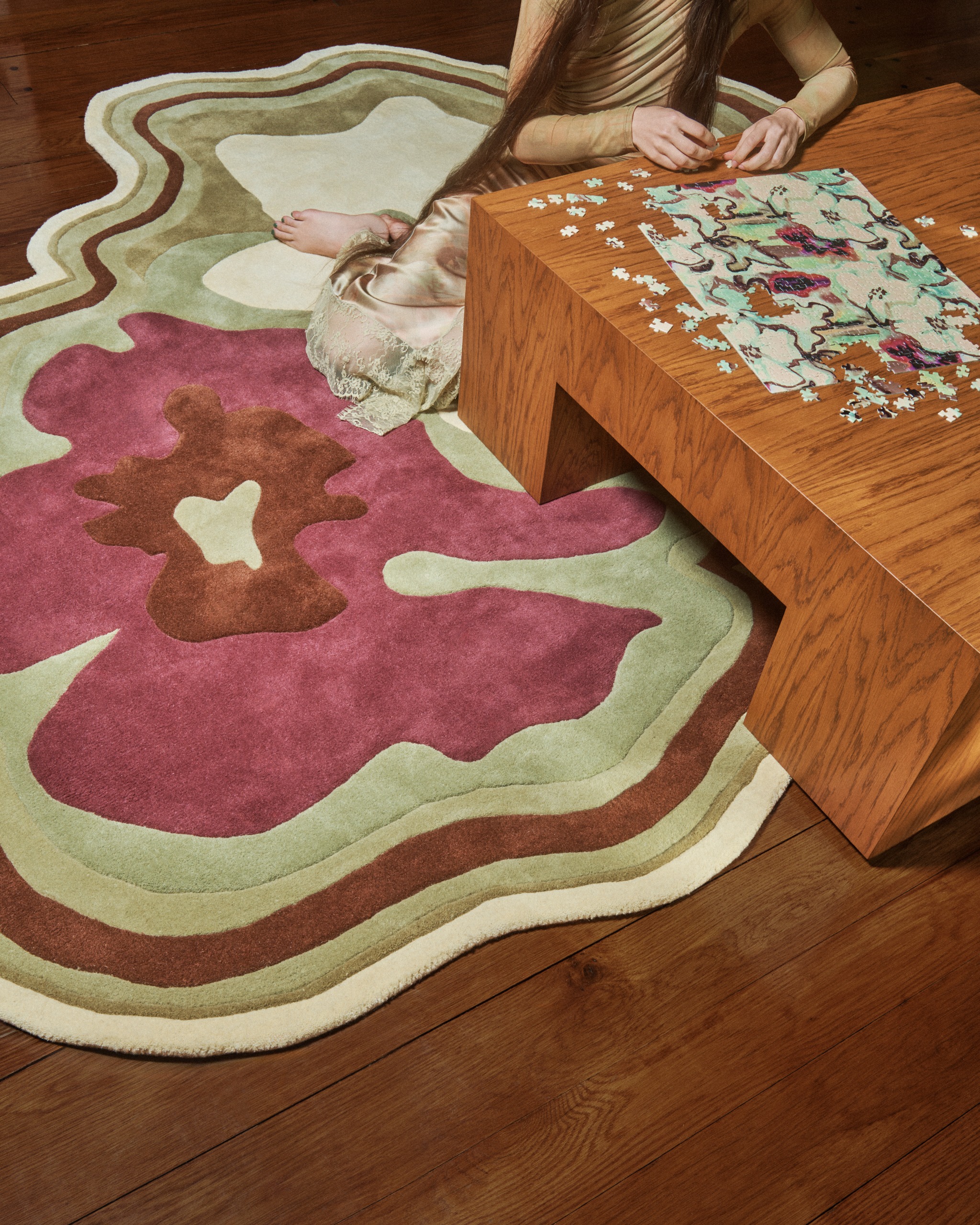
The intersection of fashion and interior design was perhaps most vibrantly realized in the collaboration between Swedish design house Layered and New York-based fashion label Collina Strada. This partnership produced a collection that defies the traditional geometric conventions of the rug industry. With four hand-tufted rugs and a series of sofas, the collection utilizes a bold palette of pinks and greens, directly referencing the aesthetic history of Collina Strada.
Hillary Taymour, the founder and creative director of Collina Strada, has been vocal about her desire to create tension between opposing concepts: fantasy versus realism, and fragility versus strength. The introduction of flower-shaped structural rugs marks a departure from the grid-based patterns that have dominated the market for the last decade. This move toward biomorphic shapes reflects a broader trend in interior design, where the rigidity of modernism is being softened by organic, nature-inspired forms. From an investment perspective, this collection is notable for its collectibility, as the crossover between fashion-house branding and home goods often results in higher long-term valuation for the pieces.
Swedish Grace and the Persistence of Proportion
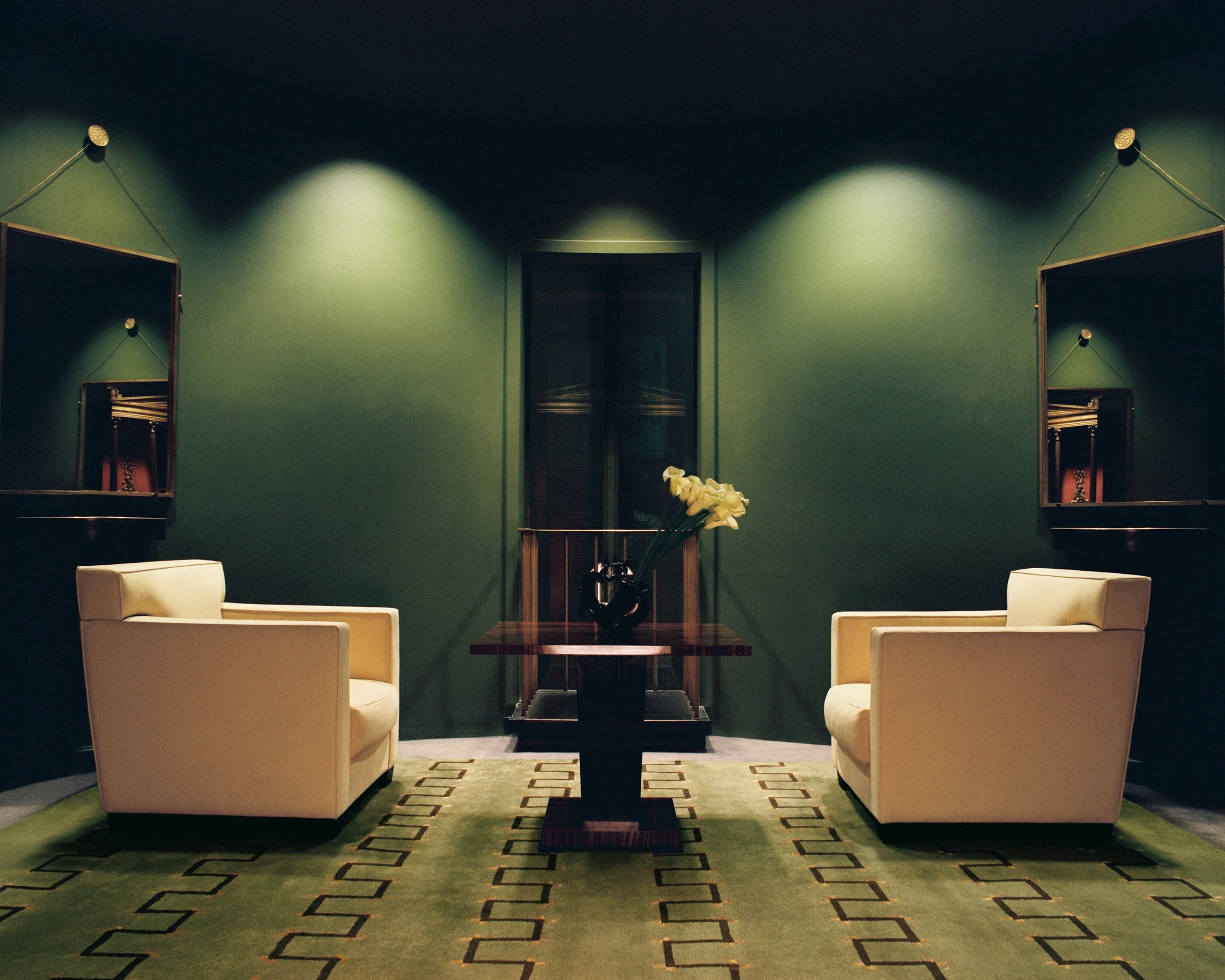
Nordic Knots, known for its commitment to the Scandinavian design heritage, unveiled a collection titled "Dancing Flower and Matches." Rooted in the "Swedish Grace" movement of the early 1920s—a period characterized by a shift from heavy neoclassicism to a lighter, more rhythmic form of modernism—the collection serves as a historical homage.
The choice of venue for the photography, Stockholm’s Bio Skandia cinema, is telling. Designed by Gunnar Asplund, the space epitomizes the elegance and proportion that the collection seeks to replicate. By integrating golden bamboo silk into the "Matches" rug to create rhythmic Art Deco patterns, Nordic Knots successfully bridges the gap between early 20th-century architectural principles and modern interior requirements. This focus on proportion and material quality highlights why the Nordic design sector remains a leading influence in global home decor, consistently maintaining a steady growth rate in export value despite economic fluctuations.
Scientific Biophilia: RDAI and Creative Matters
The final highlight comes from the collaboration between French practice RDAI and Canadian manufacturer Creative Matters. Titled "Zoometry," this collection consists of six fine rugs that find their genesis in the microscopic patterns of avian biology. By moving away from literal representations—such as simply depicting a bird on a carpet—and instead abstracting the cellular and structural patterns of birds into geometric designs, the team created a collection that is both scientific and emotive.
The material selection, combining Tibetan wool with Chinese silk, allows for a high degree of nuance in light reflection and color depth, ranging from deep, earthy browns to vibrant coral. The collection, currently on display at Galerie Mouvements Modernes in Paris, exemplifies the "biophilic design" trend, which seeks to connect indoor environments with the patterns of the natural world to improve occupant well-being. According to recent architectural studies, incorporating nature-inspired geometries in interior environments can lead to improved cognitive function and lower stress levels, providing a practical justification for the artistic labor invested in the Zoometry collection.
Broader Implications and Market Outlook
The rugs presented at London Design Festival 2026 are not merely floor coverings; they are indicators of a shifting paradigm in the design industry. We are witnessing a move away from the hyper-minimalism of the 2010s toward a more layered, narrative-rich, and emotionally resonant approach to the home. The integration of traditional craftsmanship—hand-knotting, weaving, and tufting—with contemporary motifs suggests that the market is valuing "slow design" and artisanal heritage more than ever before.
As the industry continues to navigate the complexities of supply chains and sustainability, these collections offer a path forward. By focusing on high-quality natural materials and designs that possess a "timeless" quality, these designers are creating products that are intended to be passed down through generations, rather than discarded after a season. For the consumer and the design professional alike, the message from LDF 2026 is clear: the rug is the anchor of the room, and in 2026, it is more grounded in both history and future potential than it has been in decades.