Simplifying Data Pipelines with Apache Iceberg Materialized Views in Amazon SageMaker

The traditional approach to building data pipelines—specifically those utilizing the industry-standard Medallion Architecture—has long been defined by a complex, multi-layered infrastructure. For years, data engineers have been forced to juggle three distinct, high-maintenance components: Extract, Transform, and Load (ETL) jobs; orchestration engines like Apache Airflow or AWS Step Functions to sequence these jobs; and custom change-data-capture (CDC) logic to ensure that only modified records are processed in each cycle. This paradigm, while functional, is inherently fragile. When one component within this triad fails, the entire data pipeline typically grinds to a halt, requiring manual intervention, extensive debugging, and significant operational overhead.
The landscape of data engineering is undergoing a fundamental shift with the introduction of declarative data processing via Apache Iceberg materialized views in Amazon SageMaker. This transition moves the industry away from imperative, code-heavy pipelines toward a model where the system itself manages the complexity of incremental processing and dependency resolution. By collapsing transformation, orchestration, and CDC logic into simple SQL definitions, organizations can now construct a robust Bronze-to-Silver-to-Gold pipeline using only three SQL statements. This evolution not only reduces the volume of code that engineers must write, test, and deploy but also drastically lowers the maintenance burden associated with modern data lakehouses.
The Evolution of the Medallion Architecture
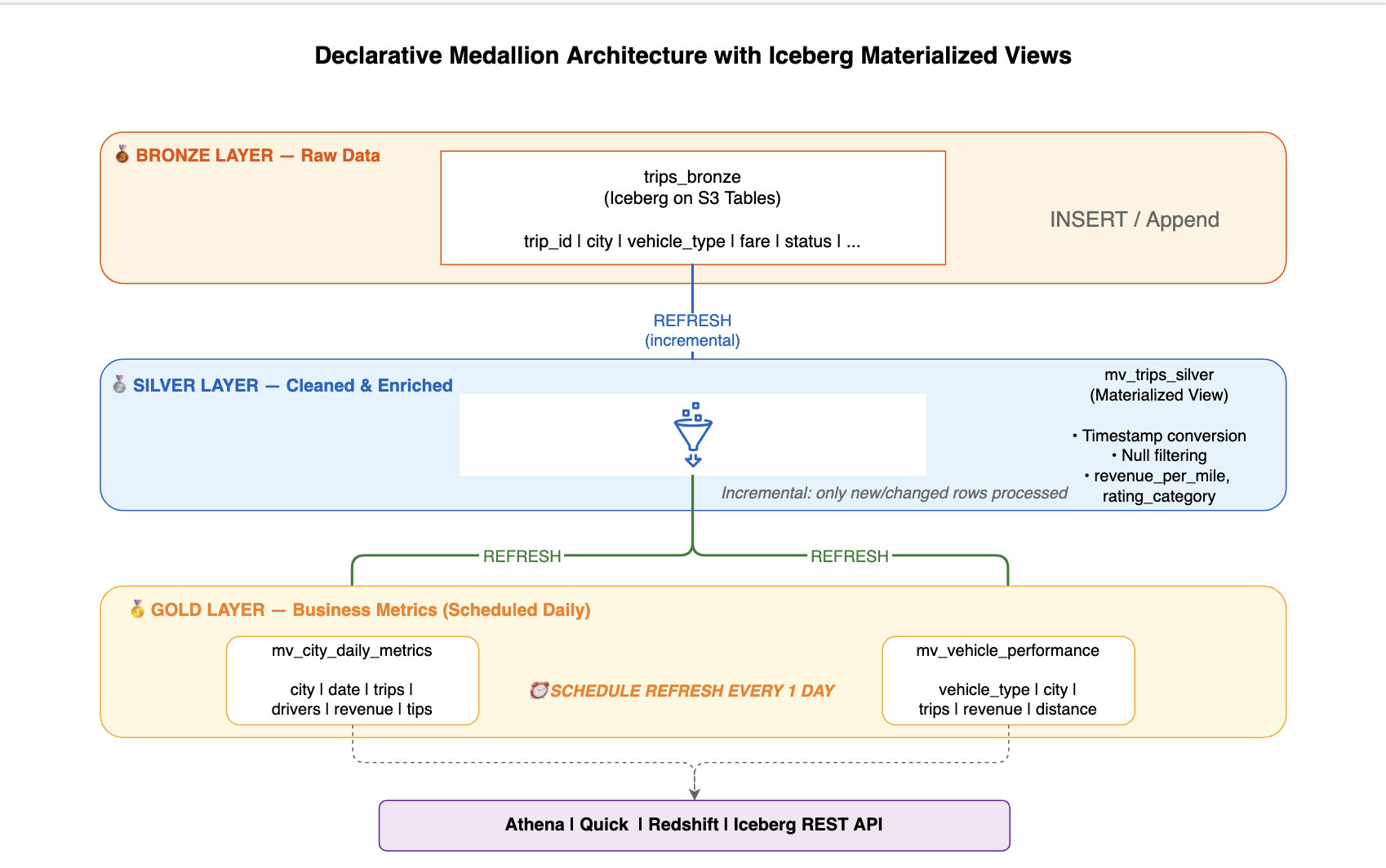
The Medallion Architecture has become the architectural gold standard for data lakehouses, organizing information into three progressive layers. The Bronze layer acts as the landing zone for raw, unrefined data. The Silver layer provides a cleaned, filtered, and augmented version of that data, structured for analytical use. The Gold layer serves as the business-ready tier, housing highly aggregated metrics designed for direct consumption by decision-makers and BI tools.
In the traditional implementation, each of these layers required its own lifecycle management. A data engineer would have to author a Spark script for the Bronze-to-Silver transition, write a secondary script for the Silver-to-Gold transition, and then build a Directed Acyclic Graph (DAG) in an orchestrator to ensure the jobs ran in the correct chronological order. Furthermore, implementing CDC logic—often involving tracking high-water marks or parsing change logs—was a prerequisite for efficiency, ensuring that pipelines didn’t re-process static historical data. This "manual" orchestration layer was the most frequent point of failure in enterprise data pipelines.
The Declarative Shift: SQL as the Pipeline
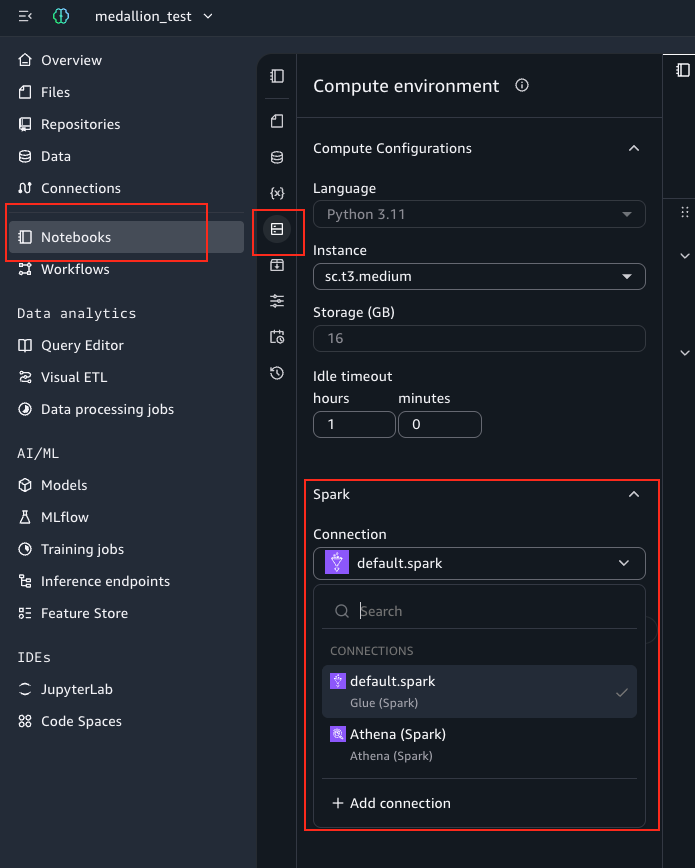
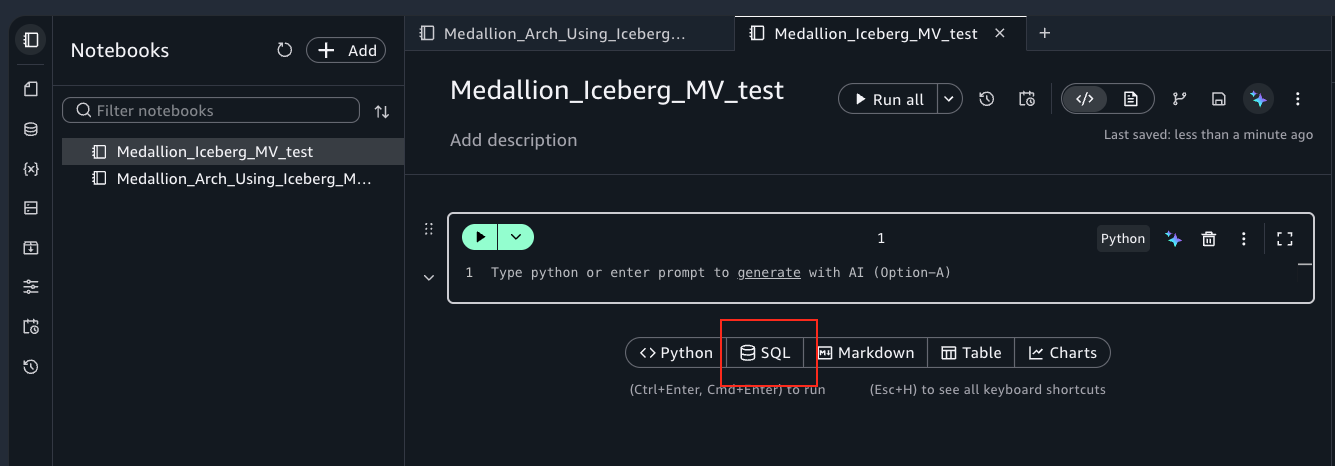
The advent of Iceberg materialized views represents a transition to a declarative model. In this new architecture, the user defines the desired state of each layer using a standard CREATE MATERIALIZED VIEW statement, supplemented by a SCHEDULE REFRESH clause. The underlying infrastructure—powered by managed AWS Glue Spark compute—handles the "how" and "when" of data movement.
The core of this innovation is Apache Iceberg’s native ability to track changes at the row level. By utilizing metadata files known as position-deletes and equality-deletes, the system identifies exactly which rows have been modified, inserted, or deleted since the last refresh. Consequently, the compute engine only processes the delta, rather than performing a full scan of the dataset. This shift transforms the engineer’s role from a pipeline architect into a SQL developer. The dependency chain is implicit; because the Gold materialized view is defined by a query selecting from the Silver view, the system automatically understands that a refresh of the Silver layer must precede a refresh of the Gold layer.
Technical Foundations and Integration
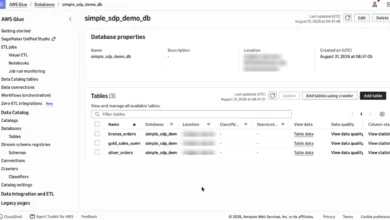
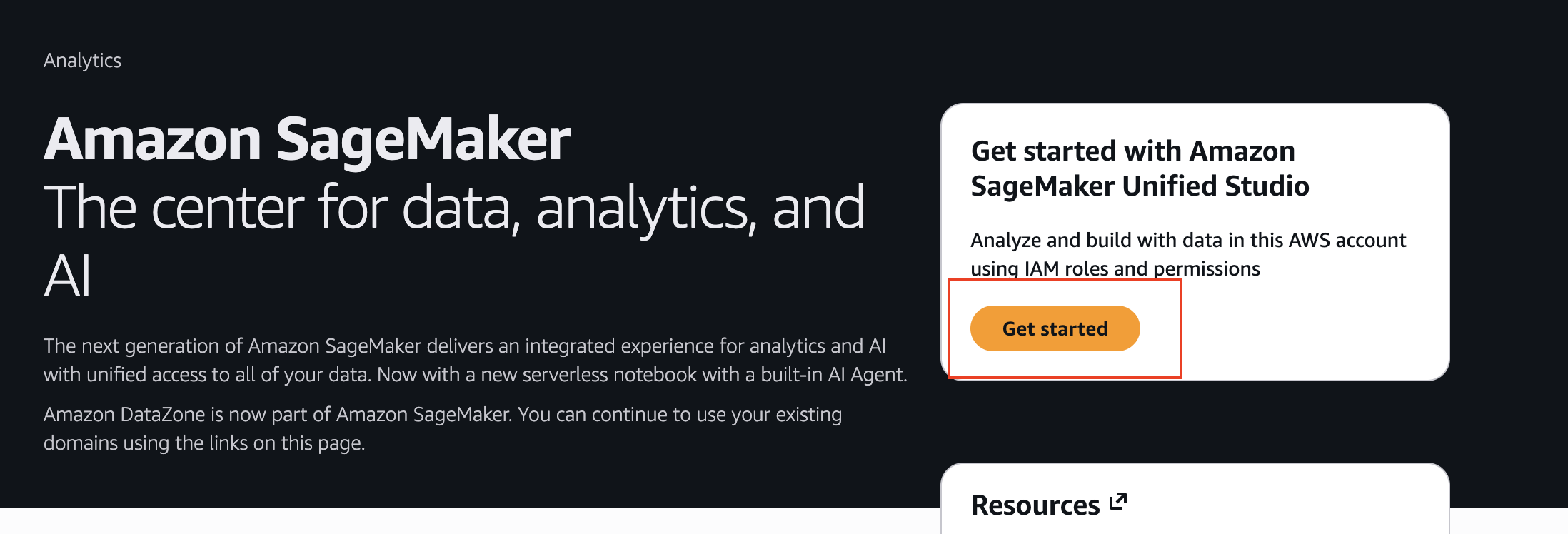
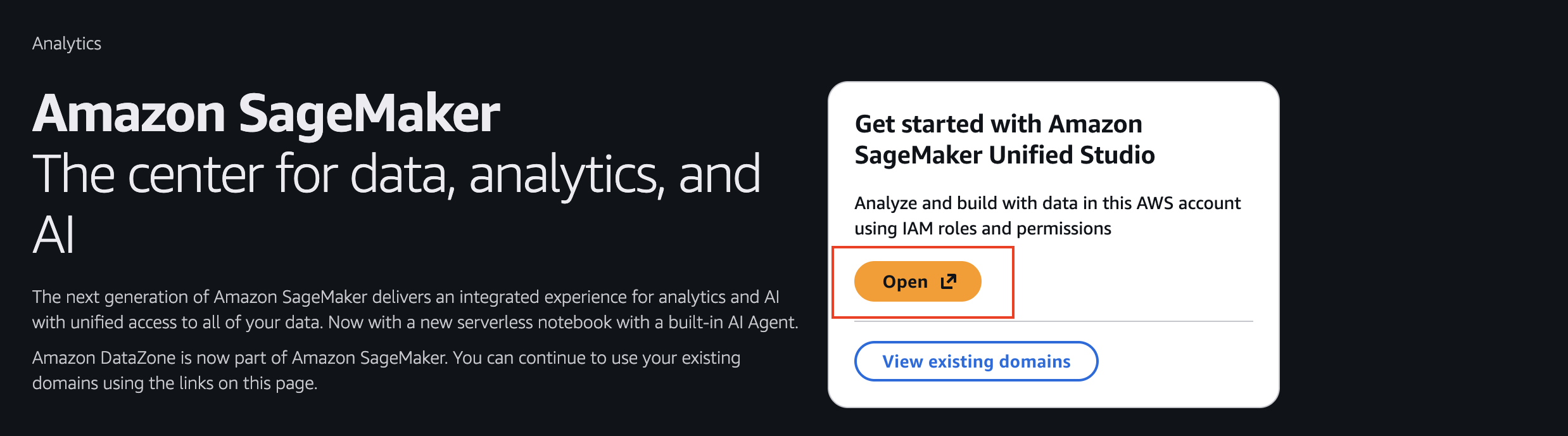
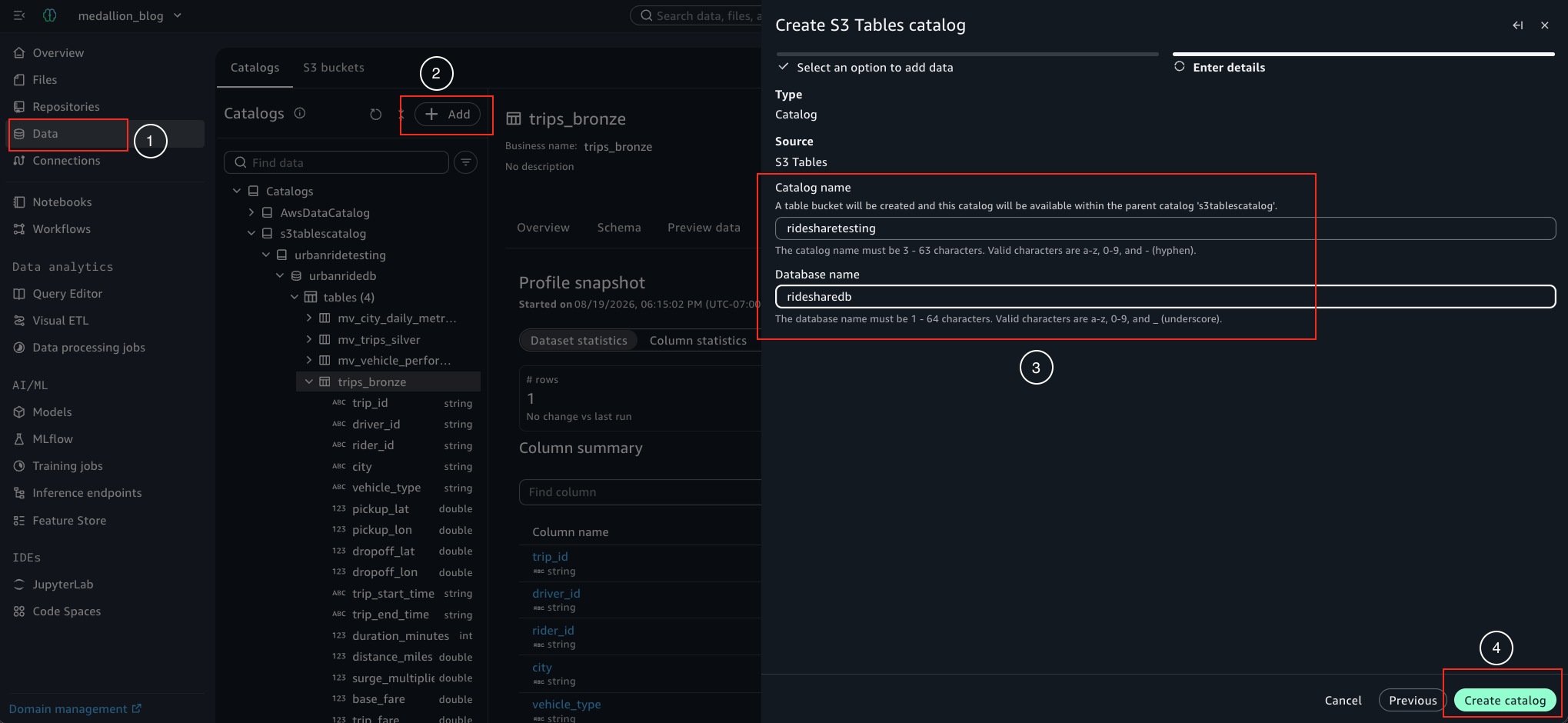
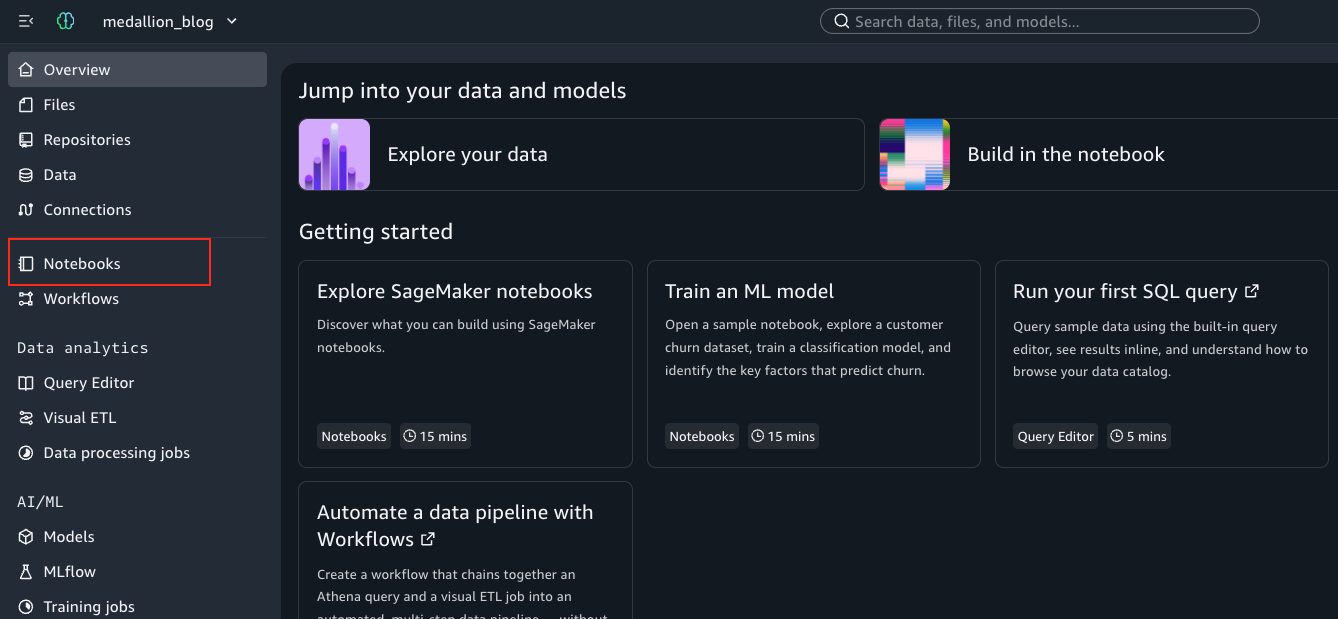
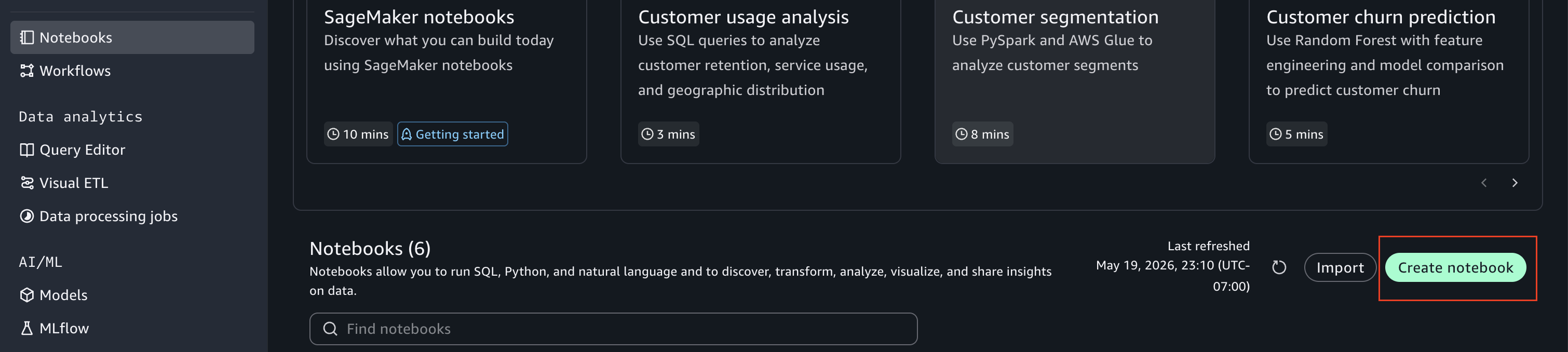
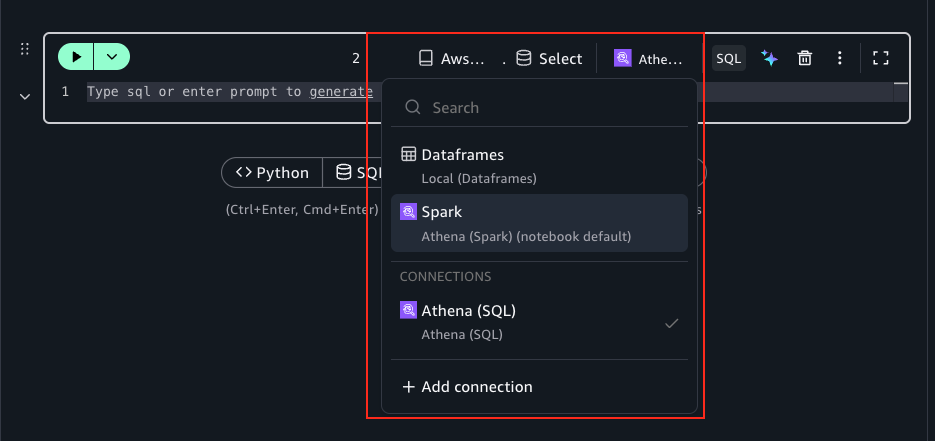
The integration of these materialized views into Amazon SageMaker Unified Studio leverages several key AWS services to ensure high performance and low administrative overhead. Amazon S3 Tables, a managed implementation of Apache Iceberg, serves as the storage layer, removing the burden of manually managing partitions or vacuuming old files. The AWS Glue Data Catalog acts as the centralized metadata repository, while SageMaker Unified Studio provides an AI-powered notebook interface that allows users to interact with these tables using natural language prompts, which are subsequently translated into SQL by the SageMaker Data Agent.
From a technical perspective, this architecture is particularly efficient for time-series data, such as the ride-sharing dataset used in initial benchmarks. In this scenario, raw trip data is ingested into the Bronze table. The Silver layer materialized view then performs data type casting (e.g., converting strings to timestamps), filters out nulls, and calculates derived fields such as revenue-per-mile. Finally, two Gold views aggregate this data into daily city metrics and vehicle performance reports. Because each view is defined with a refresh schedule, the data propagates automatically from raw ingestion to the final dashboard-ready state without the need for external triggers.
Economic and Operational Implications
The move toward declarative pipelines has clear implications for operational expenditure and human capital. Traditional ETL pipelines often require dedicated teams to maintain infrastructure. In contrast, the materialized view approach is priced based on the actual compute time used during the refresh process. AWS bills this at $0.44 per DPU-hour, with billing occurring per second and a minimal one-minute startup cost. Because the system only processes incremental changes, the total DPU consumption is typically a fraction of what a full-batch re-processing pipeline would require.
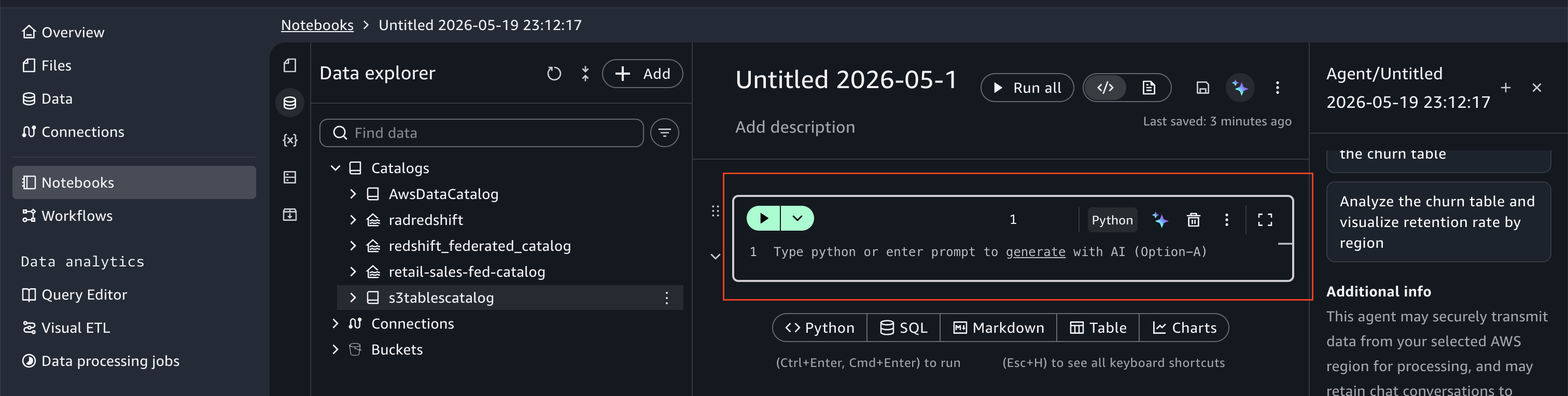
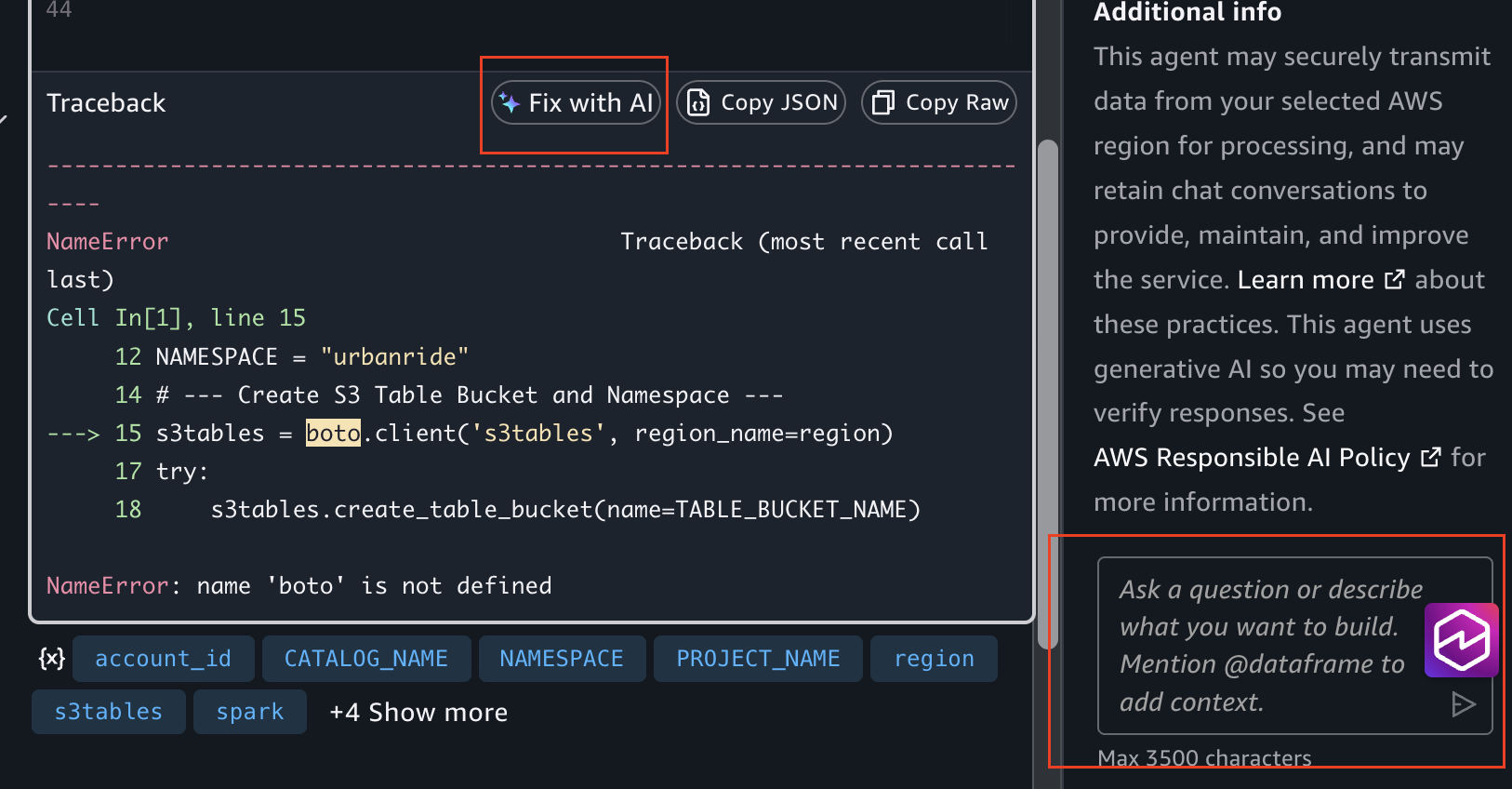
Furthermore, the "Fix with AI" features embedded within the SageMaker environment allow teams to resolve errors rapidly. If a SQL statement fails due to a schema mismatch or a syntax error, the integrated data agent can analyze the logs and suggest corrections, potentially reducing the time-to-resolution for pipeline failures by significant margins.
Industry Impact and Considerations
While this declarative approach significantly lowers the barrier to entry for building complex data platforms, it is not without its considerations. For instance, extremely high-frequency streaming requirements may still necessitate traditional streaming frameworks like Apache Flink or Spark Structured Streaming. Materialized views are best suited for batch-oriented or near-real-time refresh schedules where the latency requirements are measured in minutes or hours rather than milliseconds.
Additionally, the reliance on SQL means that complex, non-relational transformations—such as calling external machine learning models or performing highly custom file-system manipulations—may still require custom code wrappers. However, for the vast majority of enterprise analytical use cases, the ability to define an entire multi-stage pipeline as a series of SQL queries provides a level of clarity and maintainability that the industry has long sought.
Conclusion
The transition toward Apache Iceberg materialized views in Amazon SageMaker marks a milestone in the commoditization of data engineering best practices. By abstracting away the underlying orchestration, developers can focus on the business logic of their transformations rather than the plumbing of their pipelines. This architectural change not only accelerates the time-to-market for data-driven insights but also ensures that the resulting data products are built upon a reliable, self-documenting, and incrementally optimized foundation. As businesses continue to scale their data lakehouses, the move away from brittle, code-heavy orchestration toward declarative SQL-based processing will likely become the standard for data-driven organizations worldwide.
Related posts: