
Transportation Secretary Pete Buttigieg Airlines Trains

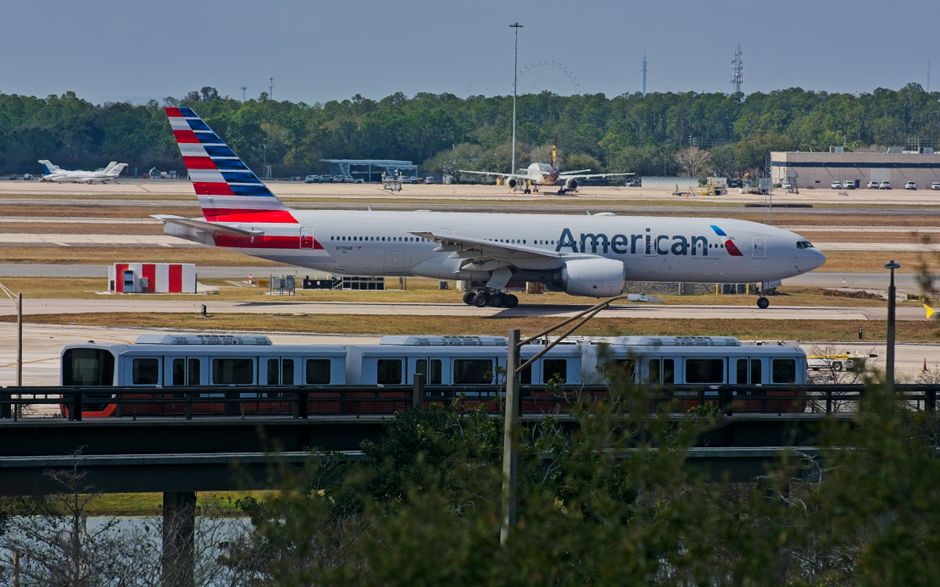
Pete Buttigieg: Navigating the Future of Air and Rail Travel
Transportation Secretary Pete Buttigieg’s tenure at the helm of the U.S. Department of Transportation (DOT) has been marked by a fervent focus on modernizing and improving the nation’s transportation infrastructure, with a particular emphasis on the aviation and rail sectors. His approach is rooted in a belief that efficient, accessible, and sustainable transportation is not merely a convenience but a fundamental driver of economic growth, social equity, and national competitiveness. Under his leadership, the DOT has championed ambitious initiatives aimed at addressing long-standing challenges within these critical modes of travel, from enhancing air traffic control modernization to revitalizing passenger rail service and fostering the development of next-generation aircraft.
The airline industry, a cornerstone of modern commerce and personal travel, has been a primary area of attention for Secretary Buttigieg. Recognizing the immense impact of air travel on the U.S. economy and its citizens, his department has been actively engaged in efforts to improve the passenger experience, enhance safety, and promote competition. A significant focus has been placed on addressing issues that directly affect travelers, such as flight delays, cancellations, and the accessibility of air travel. The DOT under Buttigieg has been a vocal advocate for increased transparency from airlines regarding fees and compensation policies, pushing for stronger passenger protections. This has included initiatives to ensure passengers receive clear and upfront information about ancillary fees, such as baggage fees and seat selection charges, and to establish more robust rules for airline compensation in cases of significant disruptions. The goal is to create a more predictable and less stressful travel experience for millions of Americans.
Beyond passenger rights, the modernization of the nation’s air traffic control (ATC) system has been a paramount concern. The Federal Aviation Administration (FAA), a key agency within the DOT, has been working diligently on the Next Generation Air Transportation System (NextGen), a multi-decade initiative to upgrade the aging ATC infrastructure. Secretary Buttigieg has consistently emphasized the importance of NextGen’s successful implementation, which aims to leverage satellite-based technologies to improve airspace efficiency, reduce flight times, enhance safety, and minimize environmental impact through more direct flight paths and reduced fuel burn. This involves a complex transition from ground-based radar systems to performance-based navigation, a shift that requires substantial investment, training, and technological integration. The benefits of a fully modernized ATC system are far-reaching, promising to alleviate congestion at busy airports, decrease delays, and boost the overall capacity of the national airspace.
Furthermore, Secretary Buttigieg has championed efforts to foster innovation within the aviation sector. This includes supporting research and development into more sustainable aviation fuels (SAFs), which are crucial for reducing the carbon footprint of air travel. The DOT has been instrumental in setting ambitious goals for SAF adoption and providing incentives to encourage their production and use. This aligns with the broader national and global push towards decarbonization and addresses the growing demand for environmentally responsible travel options. The secretary has also overseen initiatives that explore the potential of electric and hybrid-electric aircraft, as well as advanced air mobility (AAM) concepts, such as eVTOL (electric vertical takeoff and landing) aircraft. While these technologies are still in their nascent stages, the DOT’s proactive engagement signals a commitment to shaping the future of aviation, ensuring that the U.S. remains at the forefront of technological advancements in this field.
The realm of rail transportation has also received significant attention and investment under Secretary Buttigieg’s leadership. Recognizing the immense potential of passenger rail to offer a sustainable, efficient, and congestion-relieving alternative to air and road travel, the DOT has prioritized its revitalization. This focus is deeply intertwined with President Biden’s infrastructure agenda, which earmarks substantial funding for improving and expanding passenger rail service across the country. The vision is to create a world-class passenger rail network that is competitive with other modes of transportation, connecting communities, stimulating economic development, and providing a more environmentally friendly way to travel.
A key aspect of this rail revitalization effort is the improvement of existing Amtrak routes and the expansion of service to underserved areas. This includes investments in upgrading tracks, signals, and bridges to enhance safety, speed, and reliability. Secretary Buttigieg has been a strong proponent of high-speed rail development, seeing it as a transformative element for connecting major metropolitan areas and fostering economic corridors. While the U.S. lags behind many developed nations in high-speed rail capabilities, the DOT is actively working to advance projects and explore opportunities for building out such infrastructure. This involves collaborating with state governments, Amtrak, and private sector partners to overcome the significant financial and logistical hurdles associated with developing high-speed rail lines.
Beyond major intercity routes, the DOT is also focusing on improving regional and commuter rail services. These services are vital for connecting suburban and exurban communities to urban centers, providing essential transportation for daily commuters and reducing reliance on personal vehicles. Investments in modernizing rolling stock, improving station accessibility, and enhancing service frequency are all part of the strategy to make these services more attractive and user-friendly. Furthermore, the secretary has emphasized the importance of freight rail efficiency and safety, recognizing its critical role in the nation’s supply chain and economy. While the primary focus of this article is on passenger transportation, improvements in freight rail often have positive spillover effects on passenger service through track access and infrastructure upgrades.
A significant driver for the DOT’s rail initiatives is the Inflation Reduction Act and the Bipartisan Infrastructure Law, which have allocated unprecedented funding for transportation projects. Secretary Buttigieg has been a key figure in directing these funds towards strategic investments in both air and rail infrastructure, ensuring that the money is used to create lasting positive change. This includes grants for new rail lines, electrification of existing lines, and the purchase of modern, energy-efficient trains. The goal is not just to repair aging infrastructure but to build for the future, incorporating sustainable technologies and practices into the very fabric of the nation’s transportation systems.
The interconnectedness of air and rail transportation is also a consideration within the DOT’s broader strategy. Secretary Buttigieg recognizes that these modes of transport are not isolated entities but often serve as complementary components of a larger travel ecosystem. Enhancing intermodal connectivity, such as improving airport-to-rail station links and ensuring seamless transfers between different forms of public transport, is crucial for creating a truly integrated and efficient transportation network. This can involve investments in dedicated shuttle services, improved signage, and coordinated ticketing systems to make travel between airports and rail hubs more convenient and accessible.
Moreover, the push for sustainability extends across both sectors. For airlines, this means investing in SAFs and more fuel-efficient aircraft. For rail, it involves electrification and the use of cleaner energy sources. Secretary Buttigieg’s vision is one where both air and rail travel contribute to a cleaner, greener future, aligning with national climate goals and addressing the growing concerns about environmental impact. This requires a long-term perspective and a willingness to invest in technologies that may have higher upfront costs but offer significant long-term benefits in terms of reduced emissions and operational efficiency.
The challenges facing both the airline and rail industries are substantial. For airlines, these include pilot shortages, supply chain disruptions affecting aircraft manufacturing, and the ongoing need to balance operational efficiency with passenger demands for affordability and comfort. For rail, the challenges are even more pronounced, given the historical underinvestment in passenger service, the complex web of ownership of rail infrastructure (often owned by freight companies), and the significant capital required to build new high-speed lines. Secretary Buttigieg’s role has been to navigate these complexities, working to foster collaboration, advocate for necessary funding, and implement policies that promote progress.
In conclusion, Pete Buttigieg’s leadership as Transportation Secretary has been characterized by a determined effort to elevate both the airline and rail sectors of U.S. transportation. His strategic vision prioritizes modernization, sustainability, passenger experience, and economic growth, utilizing significant federal funding to drive progress. By addressing critical issues such as air traffic control modernization, passenger rights in air travel, and the ambitious revitalization of passenger rail, including the pursuit of high-speed rail, his department is actively shaping a more efficient, accessible, and environmentally responsible transportation future for the nation.


