Transforming Enterprise Workflows: How Amazon Quick Automate Streamlines Complex Request for Information Processing

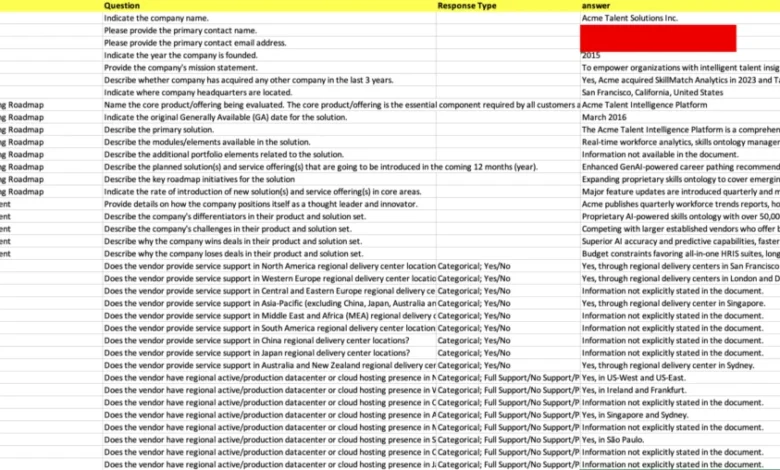
In the modern corporate ecosystem, enterprise organizations process hundreds of complex Request for Information (RFI) questionnaires annually, navigating intricate, multi-tab workbooks filled with hierarchical question sets, varied metadata, and diverse response formats. Historically, this document-heavy intake process has represented a major operational bottleneck. Procurement and compliance departments frequently face recurring administrative delays, manual extraction errors, and high maintenance overhead as vendors and internal stakeholders continuously alter questionnaire templates. To address these systemic inefficiencies, Amazon Web Services (AWS) has introduced an end-to-end automation workflow utilizing Amazon Quick Automate, a multi-agent orchestration service designed to bridge the gap between human instruction and technical execution across disparate enterprise systems.
The Operational Challenge of Legacy RFI Processing
For decades, managing RFIs has relied on manual oversight or brittle, custom-coded scripting that breaks whenever a single column header changes or a new spreadsheet tab is introduced. Enterprises handle vast volumes of procurement, security, and compliance assessments, each arriving in non-standardized formats. When analysts manually extract data, structure hierarchies, and format outputs, the margin for human error widens significantly. Furthermore, the repetitive coordination required between cross-functional teams delays decision-making cycles and diverts valuable human capital away from strategic analysis toward rote data entry.
Enterprises have long sought an intelligent automation layer capable of comprehending varied business logic without requiring dedicated software engineering teams to write and maintain custom parsers. The introduction of natural-language-driven multi-agent systems marks a significant shift in enterprise resource planning and business process management (BPM).
Understanding Amazon Quick Automate and Core Architecture
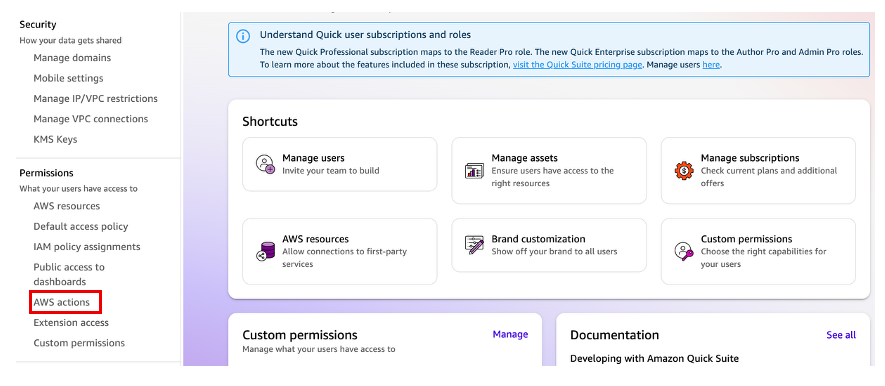
Amazon Quick Automate functions as a collaborative environment where teams utilize natural language to design, test, and deploy complex, multi-step automated workflows. Rather than manually mapping out API calls, database schemas, and conditional UI interactions, administrators can articulate their data processing requirements in plain English. The underlying generative artificial intelligence interprets these instructions, coordinates a team of specialized agents, and translates the directives into an executable pipeline encompassing data ingestion, transformation, validation, and final output storage.
The technical framework relies heavily on native cloud integrations, notably Amazon Simple Storage Service (Amazon S3), which serves as the centralized repository for inbound workbooks and outbound structured reports. By connecting Quick Automate directly to secure S3 buckets via Identity and Access Management (IAM) role assumptions, organizations maintain strict security boundaries while enabling seamless data flow between storage layers and automated processing engines.
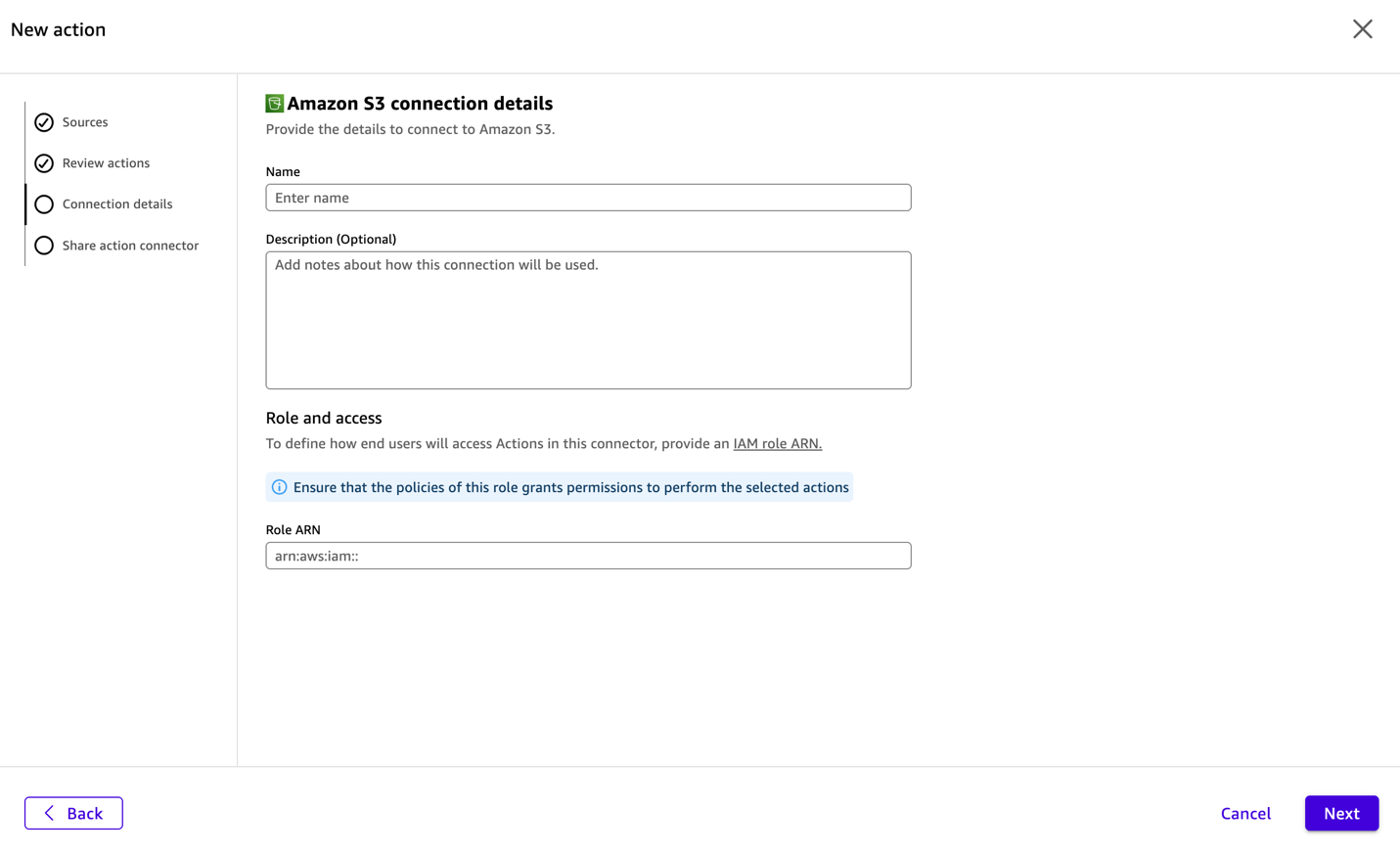
Step-by-Step Implementation and Workflow Generation
Implementing an automated RFI processing pipeline involves establishing secure IAM permissions, configuring cloud connectors, creating structured automation groups, and writing natural-language instructions.
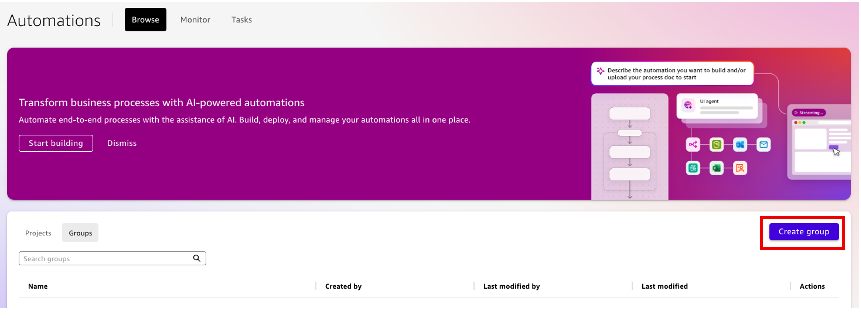
Prerequisites and IAM Baseline Configuration
Before initiating any workflow, administrators must verify that their AWS environment meets the baseline security and connectivity requirements. This includes provisioning a dedicated IAM role that grants Amazon Quick Automate secure, least-privilege access to the target S3 bucket. The trust policy must explicitly allow the relevant service principal to assume the role via AWS Security Token Service (STS).
Once the IAM role ARN is secured, administrators configure the Amazon S3 action connector within the Amazon Quick management console. This connector acts as the authorized bridge between the automation platform and the cloud storage buckets housing the multi-tab Excel workbooks.
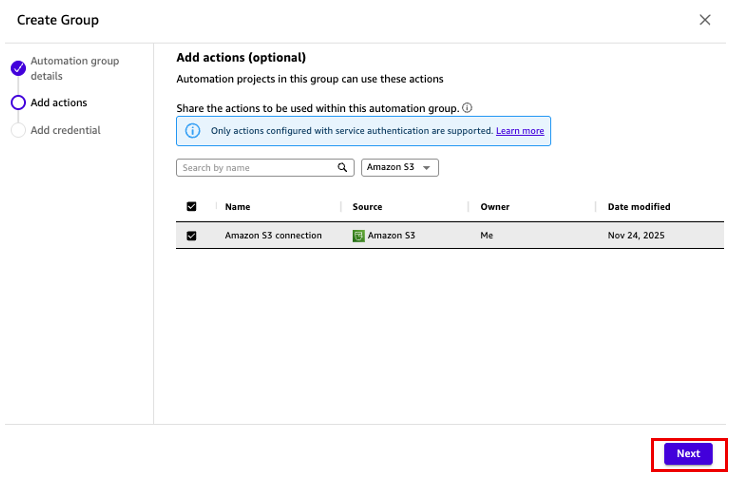
Defining the Processing Logic
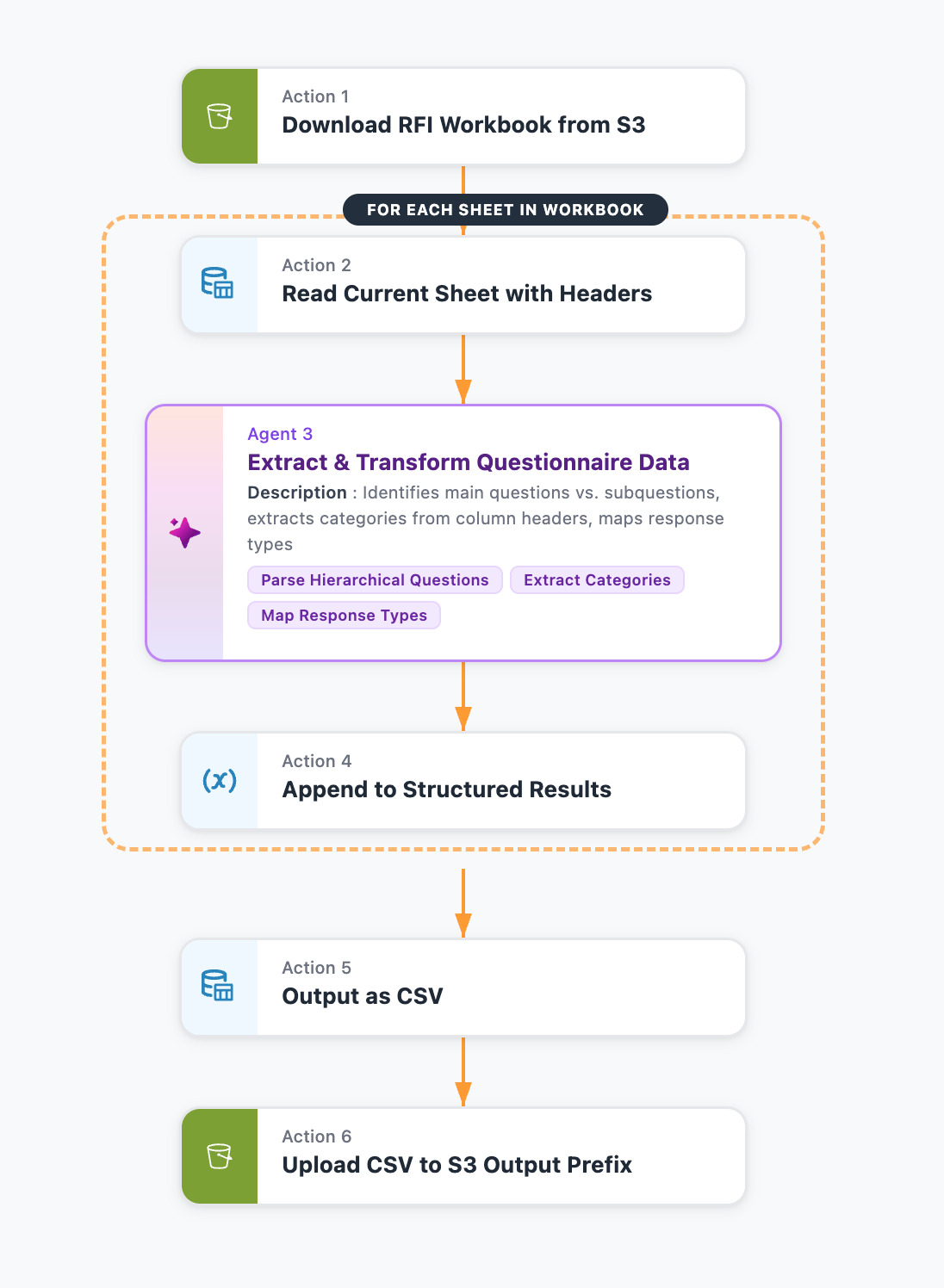
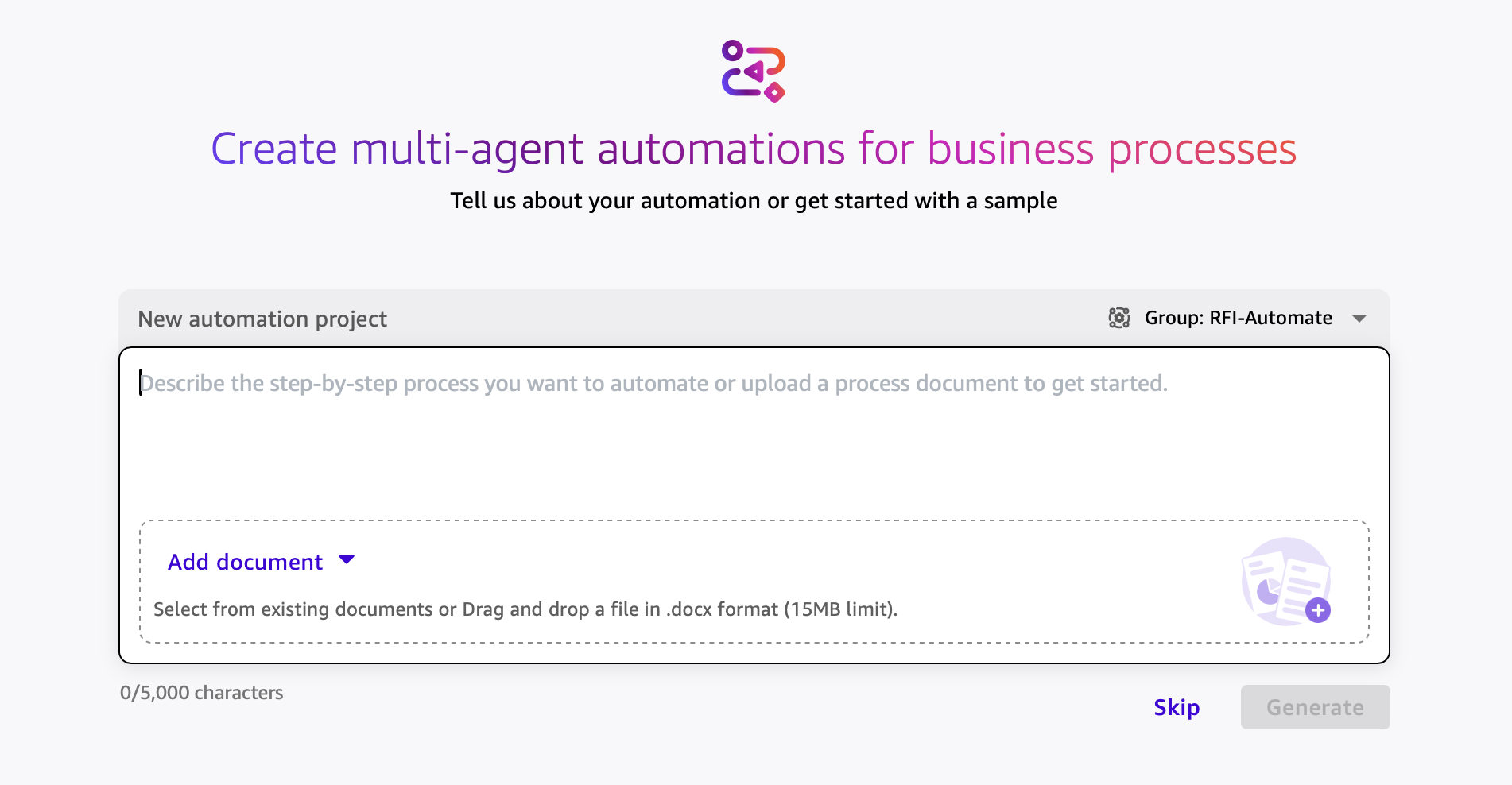
The core innovation of Amazon Quick Automate lies in its natural-language prompt interface. Rather than configuring complex extract, transform, load (ETL) scripts, an administrator submits a clear, descriptive prompt detailing the exact operational sequence. For instance, a typical processing prompt directs the system to connect to a designated S3 bucket, locate a specific multi-tab spreadsheet—such as a departmental strategy workbook—extract survey questions while preserving hierarchy, and categorize items based on indentation and numbering schemes.
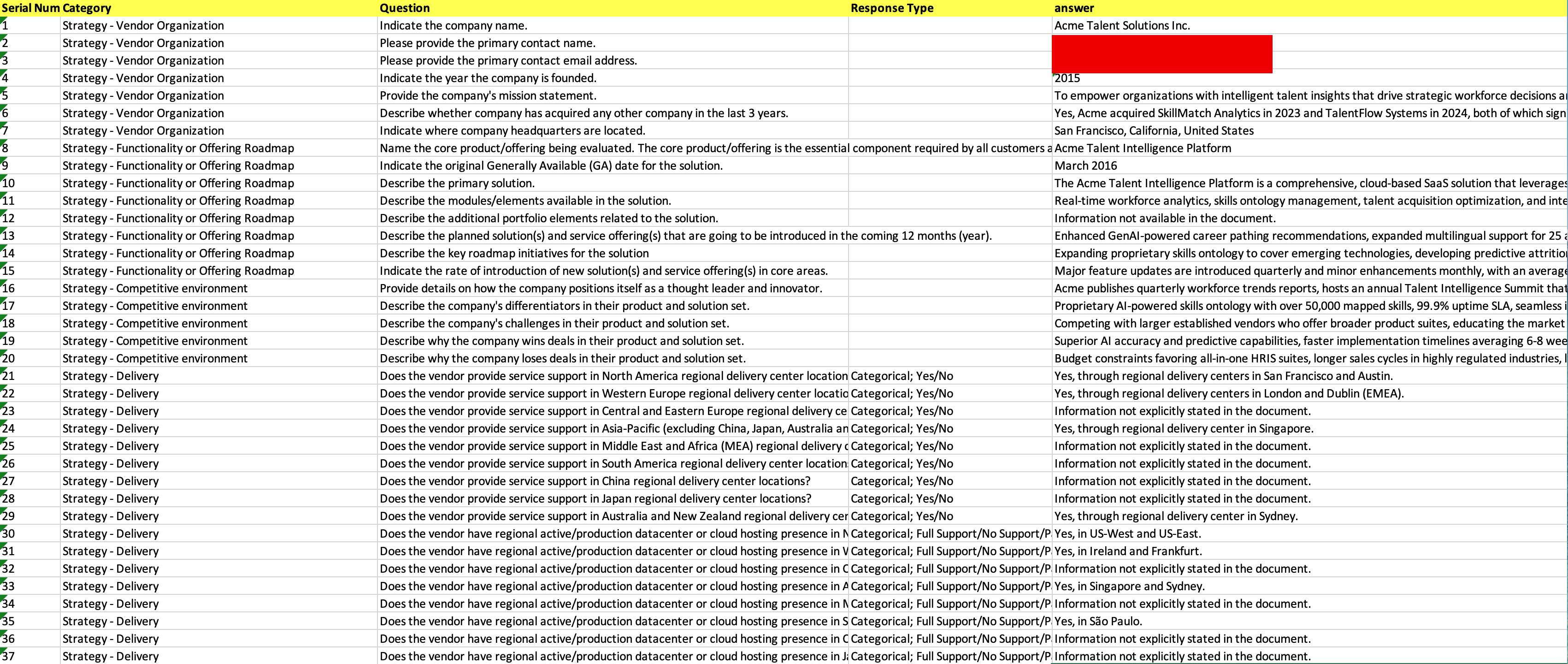
The system then automatically generates a structured schema containing designated columns for Serial Numbers, Categories, Questions, and Response Types. Finally, the generated workflow writes the cleansed dataset into a standardized comma-separated values (CSV) file, saving it back to a specified prefix within the S3 bucket.
Validation, Iteration, and Conversational Refinement
Following the generation of the multi-step workflow, operators execute a test run against live sample data. The AI-driven engine provides real-time visibility into each stage of execution, allowing validators to inspect extracted question sets and verify column alignment.
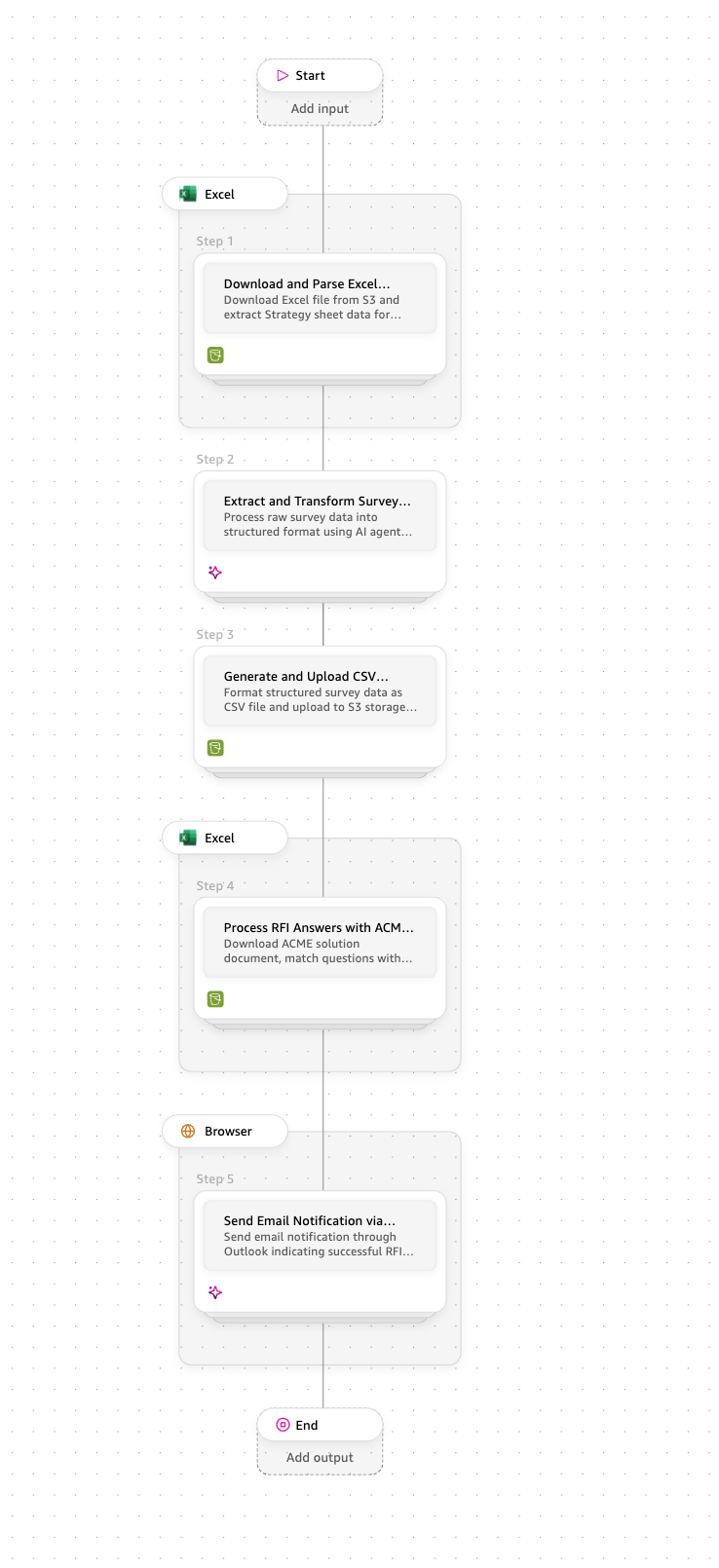
When discrepancies arise—such as misclassified subquestions or uncaptured metadata—administrators do not need to rewrite code. Instead, they utilize a conversational interface to issue targeted corrections. By referencing specific steps and describing the desired behavioral adjustments, users can iteratively refine the automation until it achieves absolute accuracy. This conversational feedback loop drastically reduces development lifecycles from weeks of traditional software engineering to mere minutes of prompt tuning.
Enterprise Governance, Export, and Regional Promotion
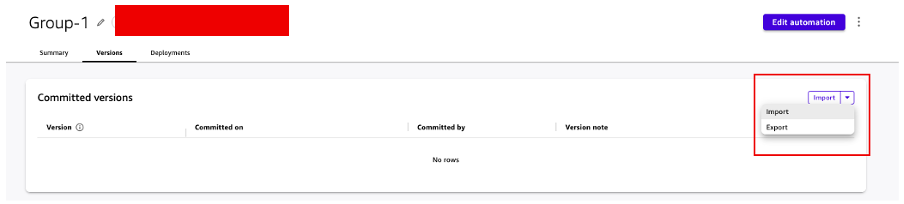
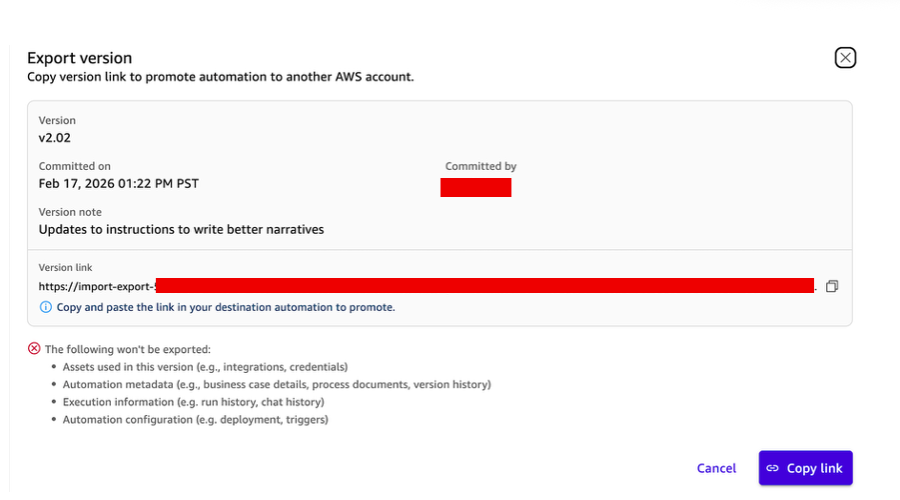
As organizations scale their automation initiatives from single departments to enterprise-wide operations, governance and compliance become paramount. Amazon Quick Automate addresses this requirement through robust Import and Export functionalities that facilitate controlled promotion pipelines.
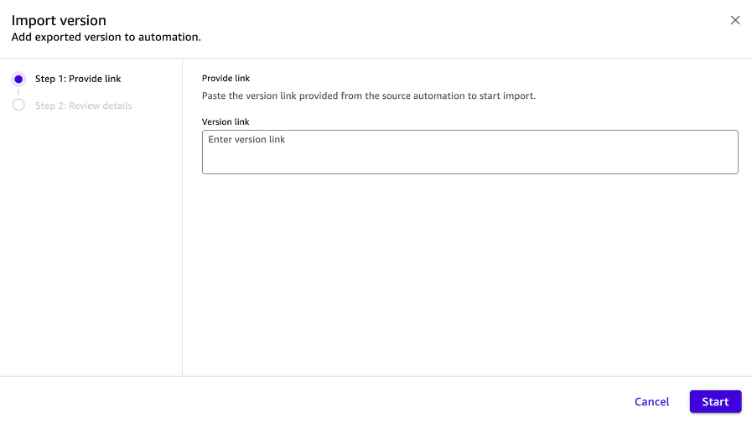
Once a pre-production RFI workflow has been thoroughly tested and validated against diverse questionnaire formats, administrators can export the version package. The platform generates a secure, time-sensitive export link containing the complete workflow logic and configuration metadata. This package can then be securely imported into production environments or across distinct AWS Regions, ensuring consistency and eliminating configuration drift between development, staging, and production ecosystems.
Best Practices for Production Deployment
To ensure optimal performance and security when deploying RFI automation at scale, enterprise architects recommend adherence to several foundational guidelines:
- Maintain Strict Principle of Least Privilege: Ensure that IAM roles granted to S3 connectors restrict access exclusively to the specific buckets and prefixes required for RFI processing.
- Implement Comprehensive Version Control: Always export and archive validated automation versions before introducing new prompt adjustments or connecting to external data sources.
- Establish Continuous Error Monitoring: Regularly review execution logs and output validation metrics to catch structural anomalies introduced by novel, highly customized vendor questionnaire layouts.
- Conduct Rigorous Regression Testing: Test newly updated workflows against a historical repository of diverse RFI formats to verify that natural-language instruction refinements do not inadvertently disrupt legacy data parsing.
Broader Industry Implications and Future Outlook
The deployment of natural-language-driven automation for unstructured documents signifies a broader evolution in enterprise software. By abstracting the technical complexities of data parsing and workflow orchestration behind conversational interfaces, organizations can democratize automation development. Business analysts, procurement specialists, and compliance officers—subject matter experts who traditionally rely on IT intermediaries—can now directly build, refine, and deploy operational workflows.
Beyond RFI processing, the underlying architecture demonstrated by Amazon Quick Automate holds immense potential for adjacent enterprise functions. Similar multi-agent pipelines can be seamlessly adapted to process vendor risk assessments, financial auditing workbooks, regulatory compliance filings, and human resources onboarding documents. As enterprises continue to grapple with exponential data growth and document variety, intelligent cloud automation platforms will increasingly form the backbone of agile, resilient organizational operations.