Autodesk at AU26: Defining the Future of AI as a Creative Collaborator Rather Than a Replacement


The narrative surrounding artificial intelligence in the creative sector is shifting, and at this year’s Autodesk University (AU26), the focus was firmly placed on the concept of augmentation rather than displacement. As studios and individual artists grapple with the rapid integration of generative models, Autodesk, a titan of 3D software and digital content creation, has doubled down on a philosophy that prioritizes the artist’s role in the creative pipeline. Diana Colella, Executive Vice President and Head of Media & Entertainment at Autodesk, spearheaded this message, emphasizing that the primary objective of their new AI-driven platforms—most notably Flow Studio—is to alleviate the mechanical burdens of production, effectively returning time to the creator to focus on high-level artistic decision-making.
The Strategic Pivot: Efficiency Through Integration
For years, the animation and VFX industries have been defined by the tension between tight production schedules and the desire for artistic perfection. Historically, this meant artists spending significant portions of their workdays on technical "grunt work," such as repetitive rigging, tedious rendering adjustments, or mundane data management. Autodesk’s latest announcements at AU26, including updates to the industry-standard Maya software, such as MotionMaker, are designed to automate these labor-intensive tasks.

The core of Colella’s argument is that the value of AI in a professional setting should not be measured merely by how much faster a task is completed, but by how that reclaimed time is utilized. If an artist saves two hours of manual labor through automation, the industry standard for the last decade has often been to simply assign more work to that artist. Colella is pushing a different agenda: by offloading the repetitive components of 3D production, artists can engage in more extensive pre-production, perform more iterations of their designs, and catch structural flaws before they translate into expensive downstream costs. This approach effectively moves the "fail fast" mentality into the pre-production phase, saving studios significant capital and preventing burnout.
Chronology of the AI Shift in Creative Software
The trajectory of AI integration in 3D software has been a gradual evolution rather than an overnight revolution. In the early 2020s, the industry saw the emergence of various plug-ins and third-party tools that experimented with machine learning for texture generation and denoising. By 2024, these features became standard.
The launch of Flow Studio at AU26 represents a more cohesive, platform-level approach to this integration. Unlike disparate generative tools that exist in a vacuum, Flow Studio is built to bridge the gap between creative conceptualization and the final, high-fidelity render. It allows for the direct manipulation of 3D models and camera controls within an AI-assisted environment. This represents a critical evolution: moving from "prompt-based" generation—which often lacks the precision required for professional film and game development—to "control-based" assistance, where the human operator retains authority over the artistic output.

Data and Market Realities
The current state of the industry is characterized by a significant contraction. Following the "streaming wars" boom, where content output reached unsustainable levels, major studios have tightened their budgets and reduced their slates of projects. This economic environment has made tools that promise efficiency more attractive, yet it has also heightened the industry’s skepticism regarding AI.
According to market sentiment data, there is a clear divide between the hype of generative AI and the actual adoption of these tools in professional pipelines. Many studios are quietly utilizing AI-driven denoising and procedural generation tools, but they are often hesitant to disclose this usage publicly. This "silent adoption" is largely driven by fears regarding intellectual property, union regulations, and the prevailing narrative that AI is an existential threat to creative employment. Colella acknowledges this, noting that fearmongering has created a stigma that prevents practitioners from being transparent about the tools they use to stay competitive in a high-pressure market.
Addressing the Industry’s "Hidden" Adoption
A significant challenge identified by Autodesk is the lack of transparency in the creative workflow. Colella emphasized that in order for AI to become a trusted part of the professional toolkit, there must be absolute clarity regarding what constitutes an AI-generated feature versus a manual one. This is not merely an ethical consideration but a practical one; artists need to understand the source and methodology behind their tools to maintain control over the final product.
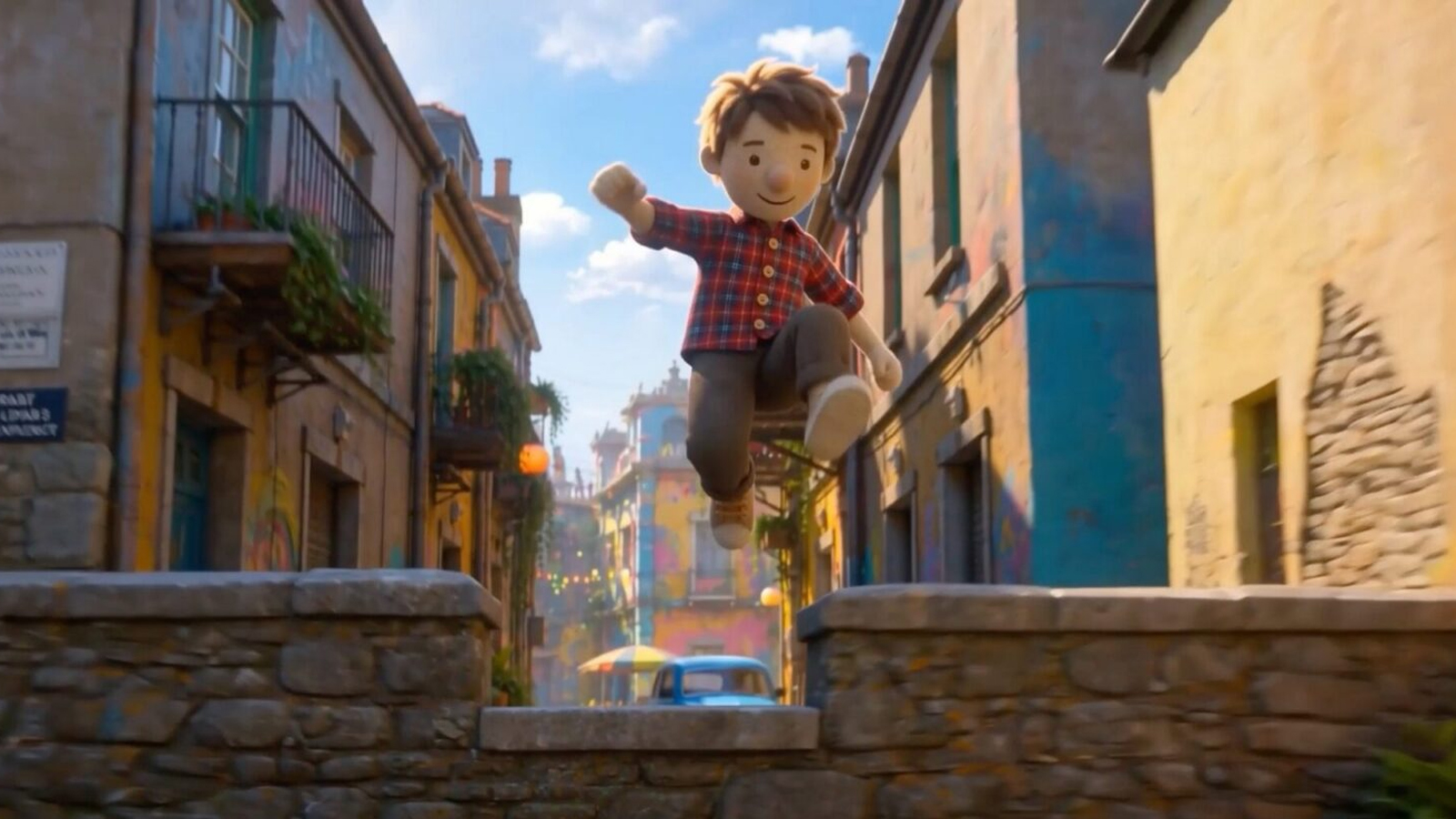
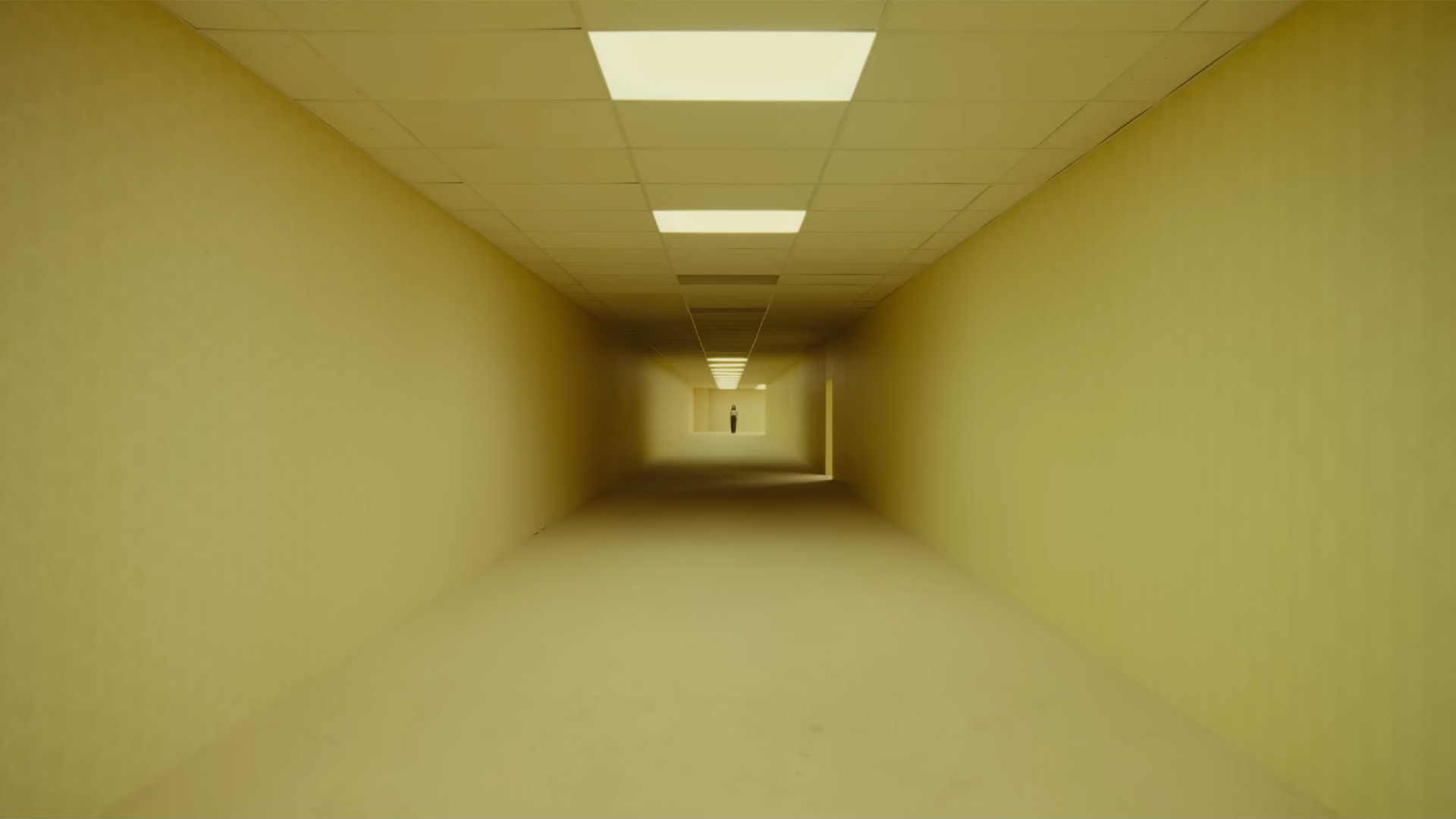
Furthermore, the audience’s ability to discern AI-generated content is maturing. The emergence of automated labeling on platforms like TikTok has signaled a new era of consumer awareness. Colella notes that the "uncanny valley" effect—where something feels inherently wrong about a piece of content—is something she can often sense instinctively. This human intuition serves as a final, necessary check against the limitations of current generative models.
The 3D Advantage: Complexity as a Barrier to Automation
When asked why Autodesk has chosen to center its AI strategy on 3D rather than the more saturated 2D generative market, Colella provides a pragmatic answer: 3D is inherently more complex and, therefore, more resistant to complete automation. In the 2D space, generative AI has been able to replace certain types of illustrative work because the output is a flat image. 3D, however, requires an understanding of spatial relationships, lighting, physics, and character dynamics.
Because of this inherent complexity, 3D remains a discipline that requires human oversight at every stage. This is why Autodesk’s focus remains on "assistance" rather than "replacement." By folding AI into existing workflows like Maya, they ensure that the software remains a tool, not a competitor. This strategy serves as a buffer against the volatility of the AI market, where many startups are currently burning through venture capital with products that lack real-world application in professional pipelines.
Implications for the Future of Content Creation
Looking ahead, the potential for AI in the creative sector may not be found in the streamlining of existing studios, but in the empowerment of new ones. If production costs drop significantly due to AI-assisted workflows, the barriers to entry for high-quality, independent 3D film and game production will lower. This could lead to a democratization of the industry, where small teams are capable of producing work that was previously only accessible to companies with massive budgets.
However, this future depends on the industry’s willingness to reframe the value of the human artist. If the cost savings generated by AI are used exclusively to force more output from fewer people, the result will be a decline in creative quality and a loss of the very artistry that drives the industry. Conversely, if these tools are used to facilitate experimentation and risk-taking, it could lead to a new golden age of creative output.
As it stands, Autodesk is attempting to position itself as the stabilizing force in a volatile market. By focusing on "selling and shipping" proven tools rather than pursuing speculative, hype-driven development, they are aiming to build a sustainable model for the next decade of digital creation. The real test will be whether the wider creative community accepts this partnership with AI, or if the lingering fear of the technology will force a permanent divide between traditional craftsmanship and the next generation of digital tools. For now, the focus remains on the "flow"—the seamless transition between human intent and machine execution—a goal that seeks to keep the artist firmly in the driver’s seat.