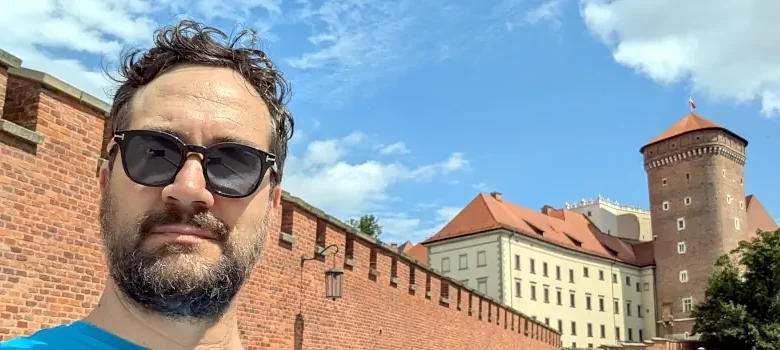
The EuroPython 2026 conference, held in the historic city of Kraków, Poland, concluded as a landmark event for the international programming community, reinforcing Python’s status as a dominant force in the global technology landscape. As the oldest and largest community-run Python conference in Europe, the 2026 iteration brought together developers, data scientists, and open-source advocates to discuss the evolution of the language, the progress of the Python Steering Council, and the strengthening of the Django ecosystem. Against the backdrop of the Wawel Royal Castle, the event served as both a technical symposium and a social nexus for thousands of professionals.
The Strategic Importance of EuroPython in the Open Source Ecosystem
EuroPython has evolved significantly since its inception in 2002. By 2026, the conference has become a critical node for the Python Software Foundation (PSF) and various regional chapters to align on the technical roadmap of the language. The choice of Kraków for the 2026 event highlights Poland’s growing influence as a central European technology hub, which currently hosts one of the highest densities of software engineers per capita in the region.
The conference serves a dual purpose: it is a platform for the announcement of core language updates and a vital networking hub that sustains the "human" element of open-source development. In an era dominated by remote work and asynchronous communication, the physical gathering in Kraków provided a necessary space for high-bandwidth collaboration, particularly for the Python Steering Council and the Django Software Foundation.
Chronology of the EuroPython 2026 Assembly
The event followed a structured seven-day format, designed to cater to various levels of expertise, from novice programmers to core maintainers of the Python language.
Phase I: Tutorials and Workshops (Days 1–2)
The conference commenced with two days of intensive, hands-on workshops. These sessions focused on emerging trends such as the integration of Python with high-performance computing (HPC) and the refinement of asynchronous programming patterns. Educational tracks were specifically designed to onboard new contributors to the CPython core, ensuring the long-term sustainability of the language’s development.
Phase II: The Main Conference (Days 3–5)
The core of EuroPython 2026 featured a packed schedule of keynotes, lightning talks, and specialized tracks. Paolo Melchiorre, a prominent figure in the Python community and a frequent speaker, documented the progression of these days, providing real-time insights via Mastodon.
Key highlights from the main conference included:
- The Steering Council Update: A transparent review of the language’s governance and the progress of PEP (Python Enhancement Proposal) implementations.
- The Django Community Booth: A dedicated space for the web development community to discuss the future of the Django framework, focusing on security and performance optimizations.
- The "Social Track": Activities ranging from guided walks past the Wawel Castle to evening social gatherings, which facilitated informal knowledge exchange.
Phase III: Development Sprints (Days 6–7)
Following the main talks, the conference transitioned into the "Sprint" phase. During these final two days, developers gathered in collaborative environments to write code, fix bugs, and contribute to various open-source projects. These sprints are often where the most significant progress on the Python standard library and third-party packages occurs, fueled by the momentum generated during the conference.
Technical Analysis: The State of Python in 2026
A central theme of the 2026 conference was the maturation of the "No-GIL" (Global Interpreter Lock) initiative. As Python moves toward more efficient multi-core processing, the discussions in Kraków focused on the practical implications for library maintainers and the performance gains observed in real-world applications.

Python Steering Council Initiatives
The Steering Council provided updates on the ongoing efforts to improve Python’s performance, often referred to as the "Faster CPython" project. By 2026, the community saw the fruits of several years of optimization, with Python 3.14 and 3.15 offering significant speed improvements over previous iterations. The Council’s report emphasized a commitment to backward compatibility while pushing the boundaries of what the interpreter can handle in high-concurrency environments.
The Django Ecosystem and Web Development
The Django booth remained a focal point for web developers. Discussion centered on the framework’s role in an increasingly AI-driven world. With Python being the primary language for Artificial Intelligence and Machine Learning, Django has positioned itself as the "glue" that allows complex AI models to be served through robust, secure web interfaces.
Supporting Data and Participation Metrics
The success of EuroPython 2026 can be quantified through various engagement metrics that reflect the health of the Python ecosystem:
- Attendance Diversity: Preliminary data suggests that the 2026 event saw participants from over 60 countries, with a 15% increase in attendees from Central and Eastern Europe compared to previous years.
- Language Popularity: According to the TIOBE Index and GitHub’s Octoverse report for 2026, Python remains one of the top two most popular programming languages globally. This popularity was reflected in the record number of talk submissions, which exceeded the available slots by a ratio of five to one.
- Sponsorship and Corporate Support: The presence of major technology firms as sponsors underscored the corporate world’s reliance on Python for infrastructure, data analysis, and automation.
- Digital Footprint: The use of decentralized social media platforms like Mastodon for real-time reporting marked a shift in how the community documents its history. Thousands of posts under the #EuroPython2026 hashtag created a living archive of the event’s technical and social highlights.
Community Reactions and Social Impact
The feedback from the 2026 assembly highlighted a renewed focus on the "Pythonic" philosophy of inclusivity. Statements from community leaders and attendees, as captured in various social media dispatches, emphasized the value of the "hallway track"—the spontaneous conversations that occur between scheduled sessions.
Paolo Melchiorre’s documentation served as a representative snapshot of the attendee experience. By sharing images of the Kraków landscape alongside updates on the Python Steering Council, Melchiorre illustrated the intersection of professional development and cultural immersion. The community’s reaction to these updates was overwhelmingly positive, noting that the transparency of the Steering Council and the accessibility of core developers are what set EuroPython apart from more corporate-centric tech conferences.
Broader Implications for the Future of Python
The outcomes of EuroPython 2026 suggest several key trajectories for the language over the coming years. First, the successful navigation of the "No-GIL" transition indicates that Python is successfully evolving to meet the demands of modern hardware. This ensures that the language will remain relevant for high-performance computing and data-intensive tasks.
Second, the strength of the community in Europe, as evidenced by the Kraków gathering, proves that the open-source model remains a viable and thriving method for software governance. The collaboration between the Python Steering Council, the PSF, and individual contributors ensures that the language’s development is not dictated by a single corporate entity, but by the collective needs of its diverse user base.
Finally, the emphasis on security and sustainability in the Django and web development tracks reflects a broader industry trend toward responsible software engineering. As Python continues to power critical infrastructure, from scientific research to financial systems, the standards set during conferences like EuroPython 2026 will have far-reaching effects on global digital stability.
Conclusion
EuroPython 2026 in Kraków was more than a series of technical presentations; it was a testament to the resilience and dynamism of the Python community. By blending rigorous technical discourse with community-building activities, the event reinforced the foundations of an ecosystem that continues to lead the way in innovation. As the delegates departed the ICE Kraków Congress Centre, the consensus was clear: Python’s future is not only technically sound but also deeply rooted in a global community that values collaboration as much as code. The insights and connections forged in Poland will undoubtedly drive the next wave of developments in the Python world, setting the stage for EuroPython 2027 and beyond.