Eha: A Masterclass in Nordic Wellness and the Architecture of Ancient Estonian Folklore

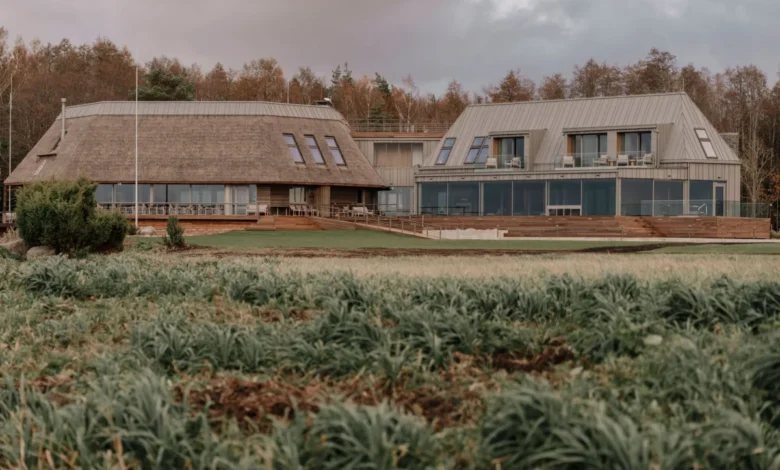
Nestled amidst the rugged, wind-swept terrain of Hiiumaa, an island off the Estonian coast that mirrors the land area of Singapore yet hosts a population of only 10,000, lies a sanctuary that defies the conventional tropes of the global wellness industry. Eha, a minimalist, architecturally striking retreat, has carved out a niche that eschews the typical sunny beach resort or mountainous alpine clinic model. Instead, it leans heavily into the stark, otherworldly beauty of the Baltic landscape and a deep, ancestral reverence for the region’s folklore.
The genesis of Eha’s design philosophy is rooted in a local myth that has been passed down through generations of Hiiumaa residents. According to island legend, the North Star was once believed to be the literal pin holding up the sky. Fearing that the celestial body might shift, causing a catastrophic collapse, the island’s ancient inhabitants constructed teepee-like dwellings from the island’s ubiquitous, towering trees. These structures were specifically designed with pointed apexes—a physical defense mechanism against a falling firmament—and featured openings at their centers to allow for constant monitoring of the North Star’s position.
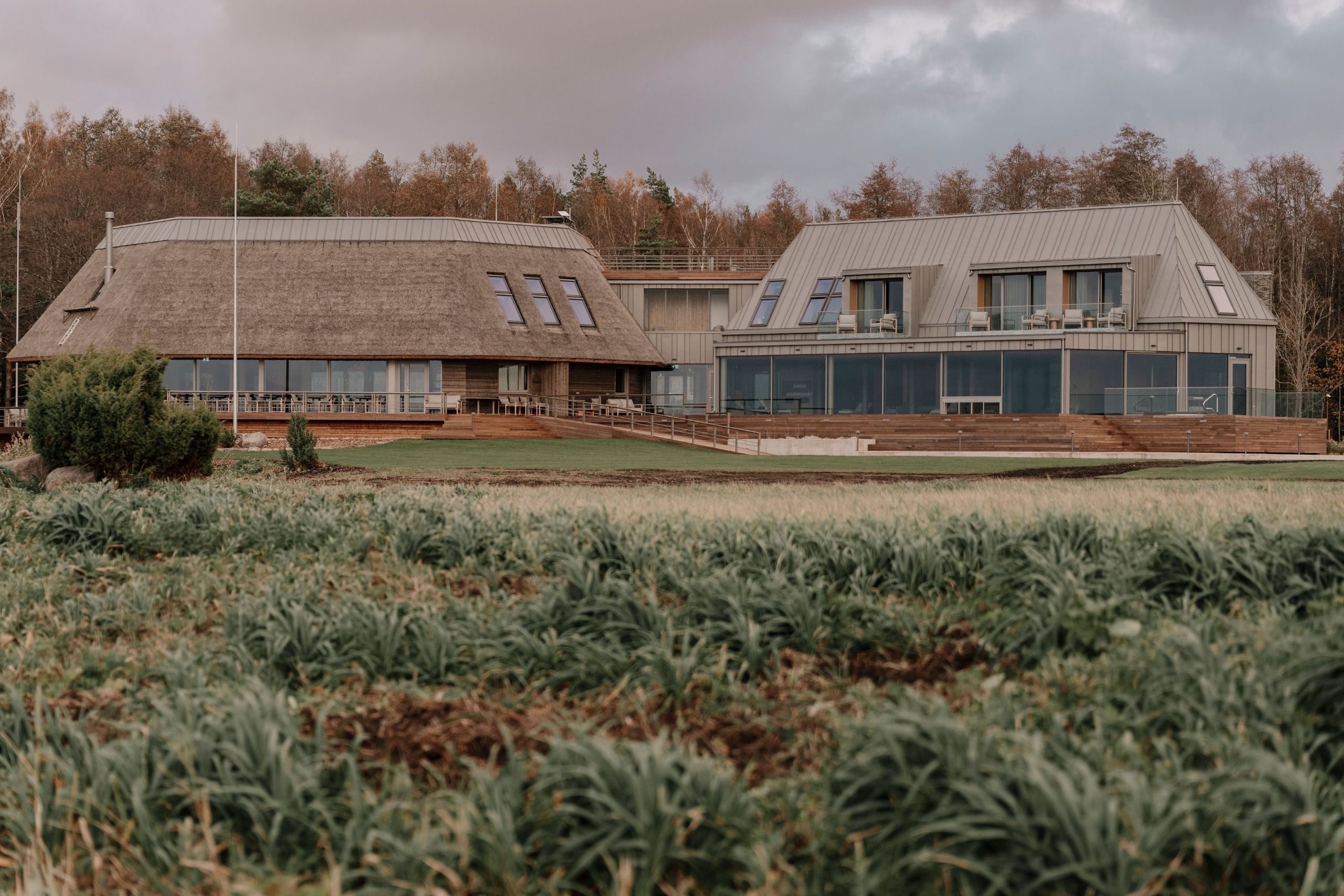
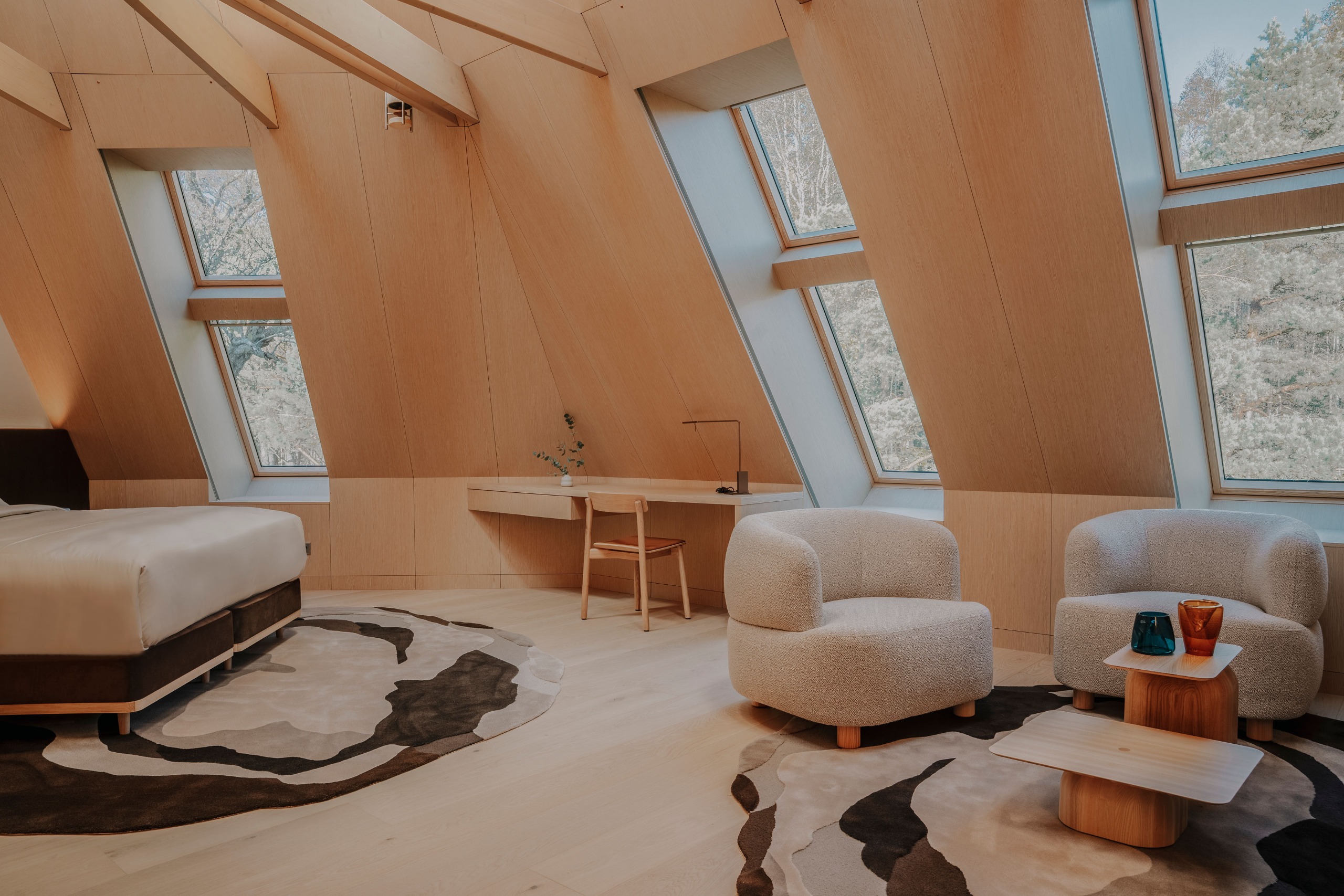
Today, this ancient anxiety has been transformed into a modern architectural language. Eha is comprised of house-like structures featuring pitched roofs and light-wash wood interiors. The design is deliberately porous, utilizing expansive windows to frame the dramatic, reed-filled coastline and the infinite expanse of the Baltic Sea. The architecture serves as a constant, silent narrator, reminding guests that they are firmly anchored in the Estonian wilderness.
The Five-Season Framework: Redefining Seasonal Wellness
While most wellness retreats operate on the standard Gregorian four-season cycle, Eha has adopted a more granular approach by incorporating "Springrise"—the liminal period between the bitter end of winter and the true arrival of spring—into its operational calendar. This five-season framework is not merely a marketing conceit; it dictates every aspect of the guest experience, from nutritional intake and physical movement to the specific therapeutic modalities offered in the spa.
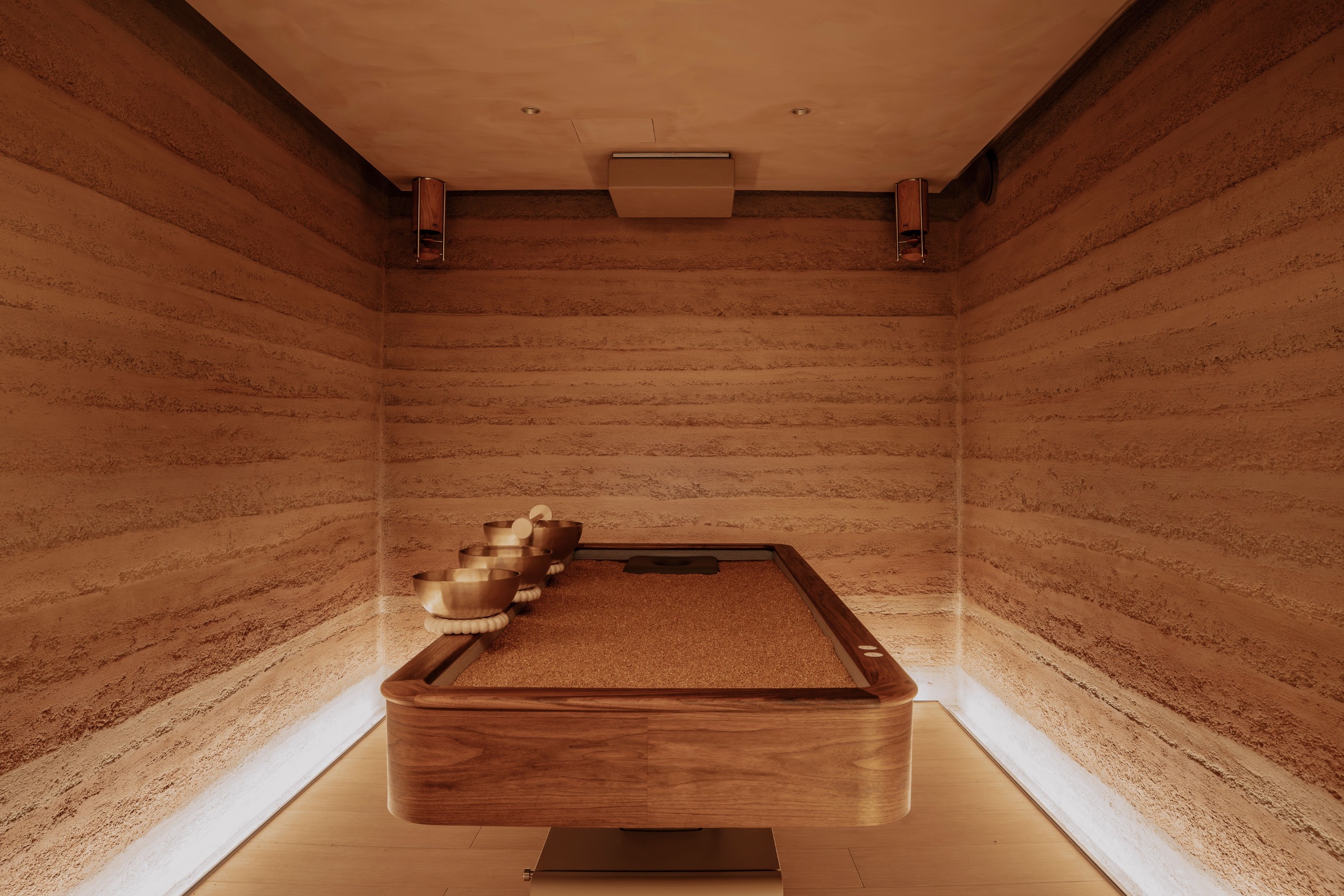
This chronological approach allows for a hyper-specialized wellness regimen. For instance, the Autumn season is framed around the philosophy of grounding and preparation for the dormant months. The programming for this period is meticulously curated: guests engage in post-dinner sound baths, individual sound bowl therapy, and lymphatic drainage massages. Morning routines are centered on energy and fascia flow sessions, complemented by traditional sauna rituals involving birch twigs harvested directly from the surrounding forests.
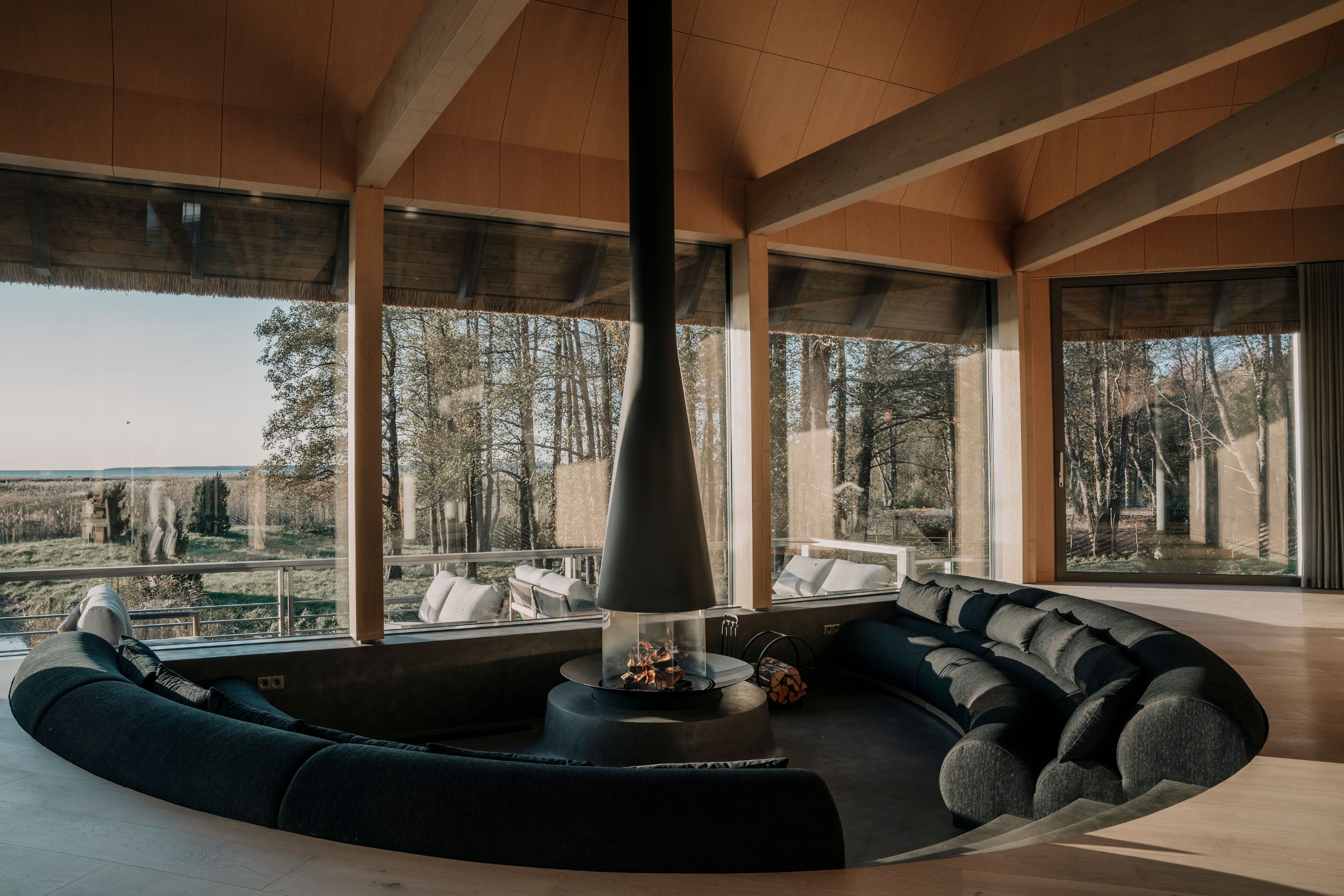
The significance of the sauna in this context cannot be overstated. In Estonia, the sauna is not merely a leisure activity; it is a cultural cornerstone. By integrating hydrotherapy, steam rooms, and saunas into the daily routine, Eha aligns itself with a heritage that dates back centuries, where the sauna served as a site for both physical healing and spiritual cleansing.
The Gastronomy of the Island: A Zero-Kilometer Philosophy
Central to the Eha experience is the culinary program helmed by chef Peeter Pihel. The kitchen operates on a strict "island-first" sourcing policy, which effectively limits the supply chain to the immediate geography of Hiiumaa. This constraint, rather than limiting the kitchen, has resulted in a refined, minimalist culinary style that rivals high-end, Michelin-starred establishments.
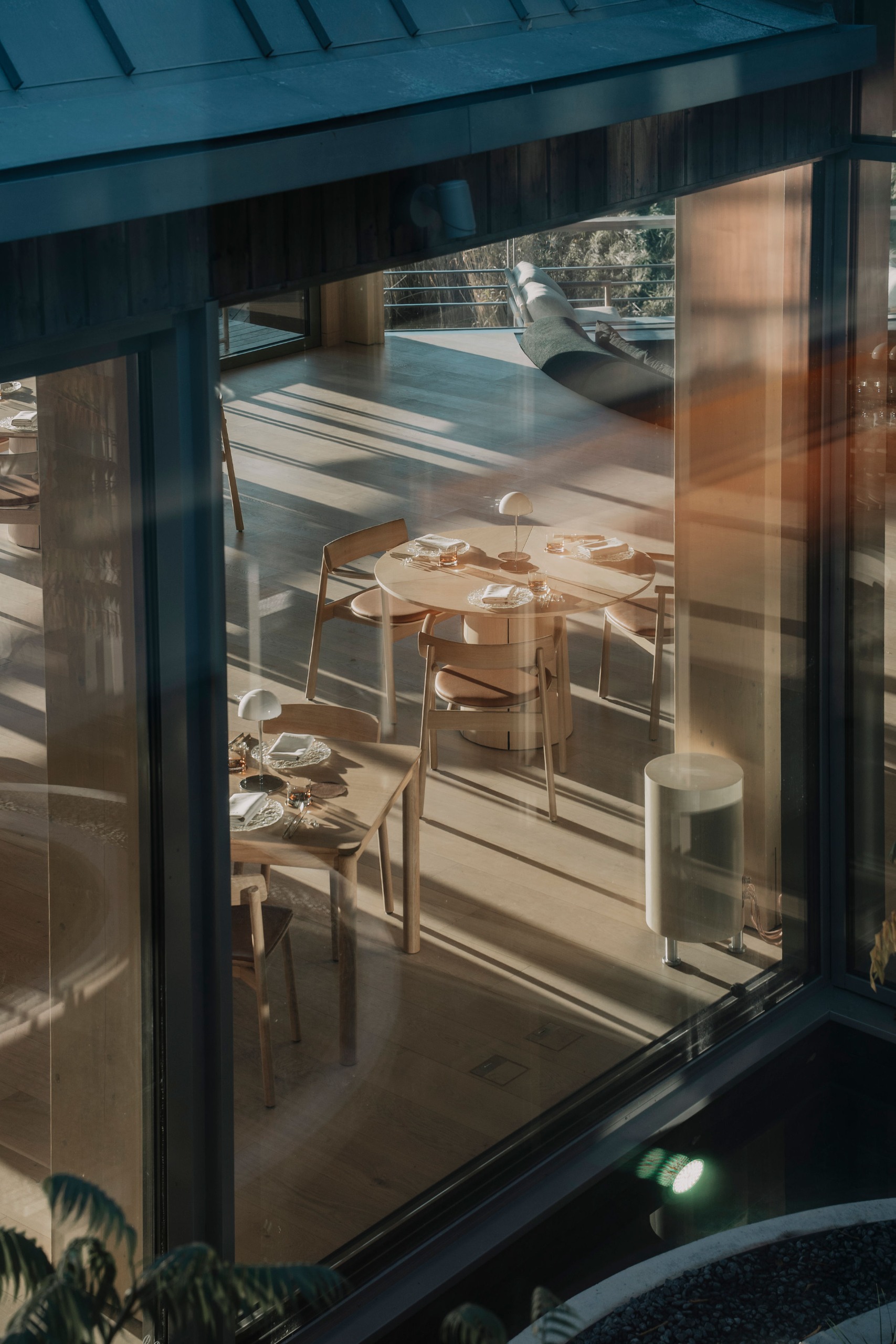
The service model is bifurcated to encourage different modes of social interaction: breakfast and lunch are provided in a casual buffet format, while dinner is served family-style. This communal aspect is designed to break down the barriers between guests, fostering a sense of shared experience that is often absent in more isolated, boutique wellness retreats.
A representative menu from the Autumn cycle highlights the diversity of the local ecosystem. Guests might begin their day with homemade rye bread, local yogurt with plum compote, and eggs sourced from island-based poultry. Lunches often feature pumpkin gnocchi and high-quality local steak, while dinners focus on the bounty of the Baltic, including white fish caught mere meters from the dining room windows. These are paired with root vegetable salads and warming broths, utilizing produce that has been preserved or harvested during the peak of its season.
Operational Structure and Guest Integration
Eha operates on a two-night, four-day cycle, a duration that has been statistically analyzed by the management to be the optimal window for a "digital detox" without inducing the withdrawal symptoms associated with longer-term isolation. Upon arrival, guests receive a structured itinerary that balances the rigors of scheduled wellness sessions with ample periods of autonomy.
The retreat enforces a strict no-phone policy, complemented by a "no-shoes" mandate where all guests are provided with comfortable, house-appropriate slippers. This environmental control is a calculated intervention in the modern guest’s psyche. By removing the sensory and social clutter of personal devices and the formality of outdoor footwear, the retreat creates an atmosphere of vulnerability and openness. This sense of "foreignness" within a "home" environment is intentional, forcing guests to step away from the rote habits of their daily lives and engage with a slower, more deliberate rhythm.
Contextualizing the Baltic Wellness Boom
The rise of Eha occurs within the broader context of the Baltic region’s increasing prominence in the global health and tourism market. Estonia, in particular, has leveraged its status as a UNESCO Biosphere Reserve to position itself as a premier destination for "slow travel" and nature-based wellness.
According to industry data, there has been a 15% year-on-year increase in demand for wilderness-based retreats in Northern Europe. This trend is driven by a demographic of urban professionals who are increasingly seeking experiences that offer mental clarity through isolation rather than the high-intensity pampering of traditional spa resorts. Eha’s success, with its limited capacity of 30 staff members catering to a small number of guests, exemplifies the "quiet luxury" movement—where the value lies not in opulence, but in the exclusivity of space, silence, and untouched natural surroundings.
Broader Implications and Future Outlook
The implications of Eha’s model for the wider hospitality industry are significant. As climate awareness grows and the demand for sustainable, locally sourced food experiences rises, the "island-first" sourcing model pioneered by chefs like Pihel is likely to become a benchmark. Furthermore, the integration of local history and folklore into the guest experience transforms a stay from a mere service transaction into a cultural immersion.
Critics of the high-end wellness industry often point to the carbon footprint and globalized nature of luxury retreats. Eha, however, offers a compelling counter-argument. By utilizing local labor, local ingredients, and local historical narratives, the retreat minimizes its external reliance and maximizes its economic impact on the Hiiumaa community.
While the retreat’s reliance on the seasonal cycle requires a high degree of operational flexibility, it also creates a recurring revenue model where guests are encouraged to return to experience the distinct shifts of the five seasons. This longitudinal engagement is the ultimate goal of the modern boutique wellness provider: creating a loyal, recurring client base that views the retreat as a necessary, periodic reset.
As Eha continues to refine its offerings, it stands as a testament to the idea that modern wellness does not require advanced technology or exotic, imported ingredients. Instead, by looking backward to ancient myths and downward to the soil beneath our feet, there is a profound capacity for restorative, meaningful, and deeply human experiences. Whether or not the sky is held up by the North Star, the inhabitants of Hiiumaa—and their guests—have found that the most effective way to withstand the pressures of the modern world is to build a structure that is both resilient and profoundly connected to the earth.