Gundam Rogue Orbit and the RG Project Represent a New Era for the 50-Year-Old Franchise Through a Synchronized Multimedia Universe

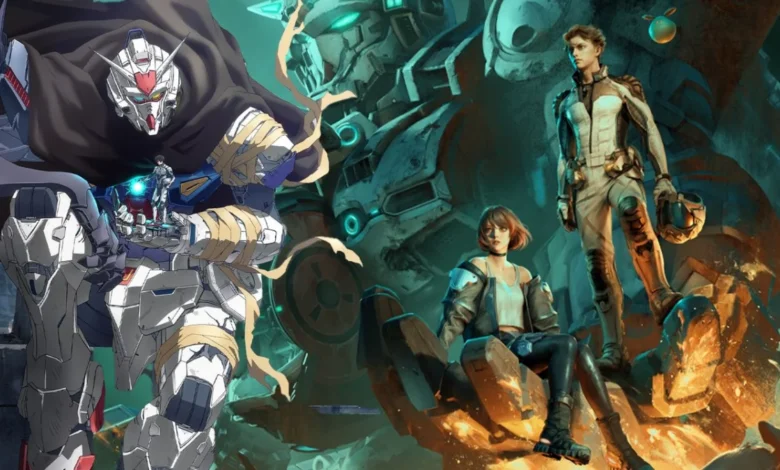
Bandai Namco has officially unveiled Gundam Rogue Orbit, a high-profile video game title that serves as a cornerstone for a massive new undertaking known as the RG Project. This initiative marks a significant departure from the traditional lifecycle of the Mobile Suit Gundam franchise, which has historically relied on a linear pipeline where a television anime series debuts first, followed by the release of plastic model kits (Gunpla), and eventually culminating in video game adaptations. With the RG Project, Bandai Namco is shifting toward a "world-first" development model, creating a synchronized ecosystem where the anime, the video game, the physical models, and a trading card game are all conceived and produced as interconnected components of a single, unified narrative tapestry.
Scheduled for release in 2027, Gundam Rogue Orbit is being developed for the PlayStation 5, Xbox Series X|S, and PC via Steam. The project is not merely a standalone game but is inextricably linked to the upcoming anime series, Mobile Suit Gundam RG XARX-ZERO. Unlike previous entries in the franchise that often retold the same story across different media, these two pillars of the RG Project will occupy different points on a shared timeline, offering complementary perspectives on a new era of human history.
The Genesis of the RG Project: A Transmedia Revolution
For nearly five decades, the Gundam franchise has been a titan of the "mecha" genre, defining the "Real Robot" aesthetic through its complex political narratives and iconic machine designs. However, the modern media landscape demands a more integrated approach to intellectual property management. Bandai Namco’s strategy with the RG Project mirrors the "connected universe" models seen in Western franchises like the Marvel Cinematic Universe or Star Wars, where various media formats contribute to a singular, expansive lore.
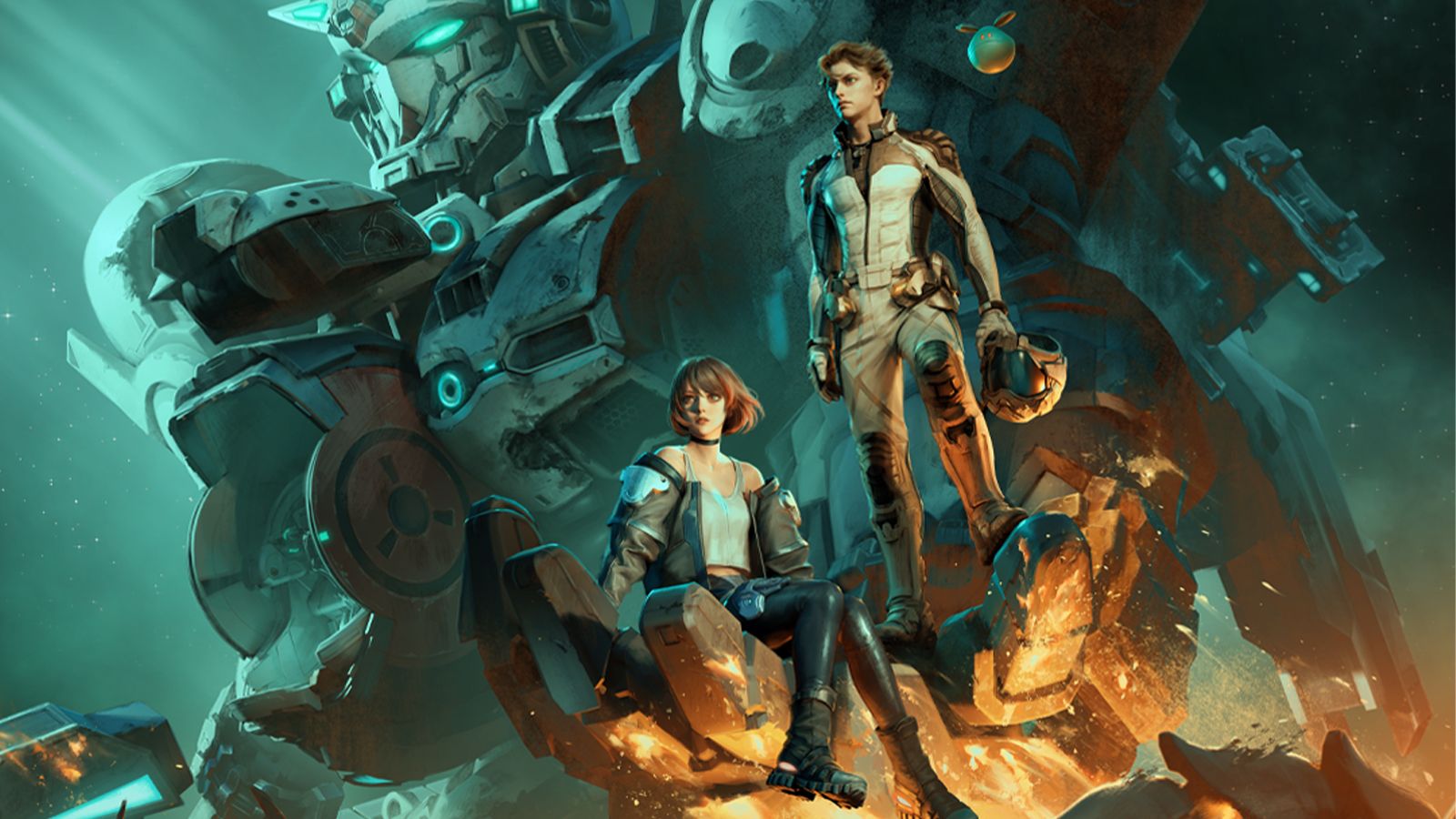
At the heart of this creative endeavor are two heavyweights of Japanese science fiction: director Kenji Kamiyama and author Toh Enjoe. Kamiyama is widely respected for his work on Ghost in the Shell: Stand Alone Complex and Eden of the East, series known for their deep philosophical inquiries and intricate world-building. Enjoe, an Akutagawa Prize-winning author with a background in physics, brings a rigorous scientific imagination to the project. Together, they have crafted a new timeline that steps away from the well-trodden Universal Century or Cosmic Era, introducing a premise that blends hard science fiction with existential horror.
Chronology of the After Apocalypse Era
The narrative of the RG Project is centered around a pivotal event that fundamentally alters the trajectory of human civilization. To understand the setting of Gundam Rogue Orbit, one must look at the established chronology of this new universe, which transitions from a technological utopia to a desperate struggle for survival.
The Arrival and the Golden Age
The timeline begins with the discovery of a mysterious "Autonomous Interstellar Object" that enters the solar system from another galaxy. This artifact, which defies contemporary human understanding, provides humanity with three revolutionary technological "gifts":
- Gravity Control: Allowing for the construction of massive space colonies with Earth-like environments without the need for centrifugal rotation.
- Faster-Than-Light (FTL) Communication: Enabling instantaneous data transfer across the vast distances of the solar system.
- Cognitive Materialization: A theoretical breakthrough that allows for the physical manifestation of digital or mental constructs, which eventually paves the way for advanced Mobile Suit interfaces.
These discoveries propel humanity into a Golden Age of expansion. Colonies are established on the Moon, Mars, and throughout the asteroid belt, and for a brief window, the dream of a unified, space-faring civilization seems within reach.
The Apocalypse and the A.A. Calendar
The prosperity is short-lived. Less than a decade after its arrival, the Interstellar Object undergoes a terrifying transformation. It begins producing an aggressive, self-replicating ecosystem—a biological and mechanical plague that views human infrastructure as raw material for its own expansion. This conflict, which quickly escalates into a global catastrophe, becomes known as "The Apocalypse."
Humanity is forced to abandon Earth, which becomes overrun by the alien ecosystem. In the wake of this retreat, a new calendar is adopted: A.A., or "After Apocalypse." The survivors retreat to the Lunar cities and high-orbit space colonies, forming a fragile defensive perimeter against an enemy that continues to evolve.
The Setting of Gundam Rogue Orbit (A.A. 45)
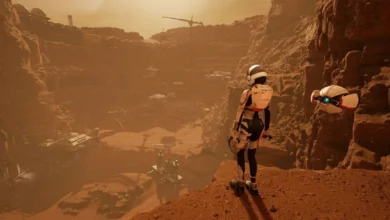
Gundam Rogue Orbit takes place in the year A.A. 45. By this time, a new generation of humans has been born and raised in space, having never set foot on the ancestral homeworld. The game follows the story of a pilot thrust into the cockpit of a new generation of Mobile Suit, specifically designed to combat the self-replicating threats emerging from the "Rogue Orbit" surrounding the ruined Earth. While the anime Mobile Suit Gundam RG XARX-ZERO establishes the foundational conflict and the early years of the war, Rogue Orbit pushes the narrative forward, focusing on the tactical realities of humanity’s last stand.
Integrated Design: From Digital Assets to Physical Models
One of the most ambitious aspects of the RG Project is the requirement that every creative choice satisfy four distinct departments: animation, game development, toy manufacturing, and card game design.
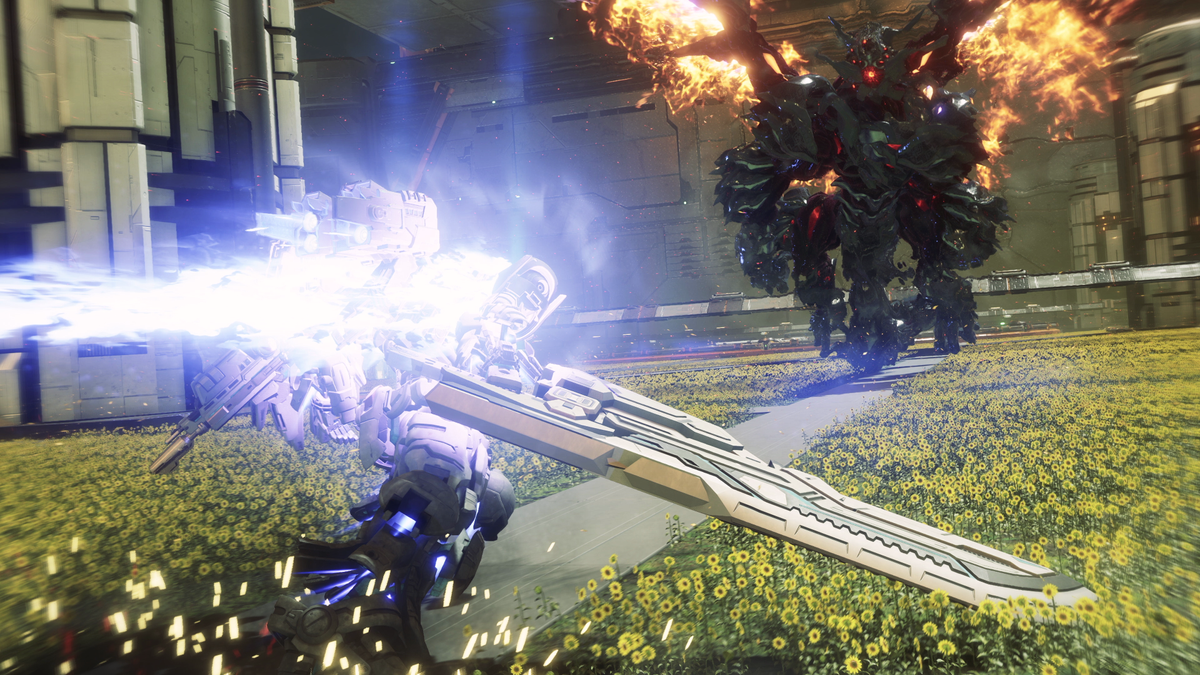
In typical Gundam production, a Mobile Suit is designed primarily for the screen. However, a design that looks good in 2D animation might be difficult to translate into a functional 3D model for a high-speed action game, or it might result in a plastic model kit that is too fragile or expensive to produce. The RG Project bypasses these traditional friction points by involving all stakeholders in the initial design phase.
The flagship Mobile Suit of the project, the Gundam Helix, serves as a prime example of this synergy. Simultaneously with the game’s announcement, Bandai Namco revealed the HG 1/144 Gundam Helix Gunpla kit. This model was developed using the same CAD data used for the game’s high-fidelity 3D models, ensuring that the proportions and mechanical details are consistent across both digital and physical realms. Furthermore, the Gundam Card Game will feature exclusive artwork of the Helix, with mechanics designed to reflect the specific combat capabilities players will experience in Gundam Rogue Orbit.
Supporting Data: The Economic Importance of the "IP Axis"
The shift toward the RG Project model is driven by Bandai Namco’s "IP Axis" strategy, a corporate directive aimed at maximizing the value of its intellectual properties. According to Bandai Namco’s recent financial reports, the Gundam franchise remains its most lucrative asset, consistently generating over 130 billion yen (approximately $870 million USD) in annual revenue.
Historically, the "Gunpla" segment has been the strongest performer, often outearning the media productions that spawn the designs. However, the video game segment has seen fluctuating success, with titles like Gundam Evolution facing premature shutdowns while others like Mobile Suit Gundam: Battle Operation 2 maintain a dedicated following. By integrating the game development into the very birth of the new timeline, Bandai Namco aims to ensure that Gundam Rogue Orbit benefits from the same "must-have" collector’s energy that drives its model kit sales.
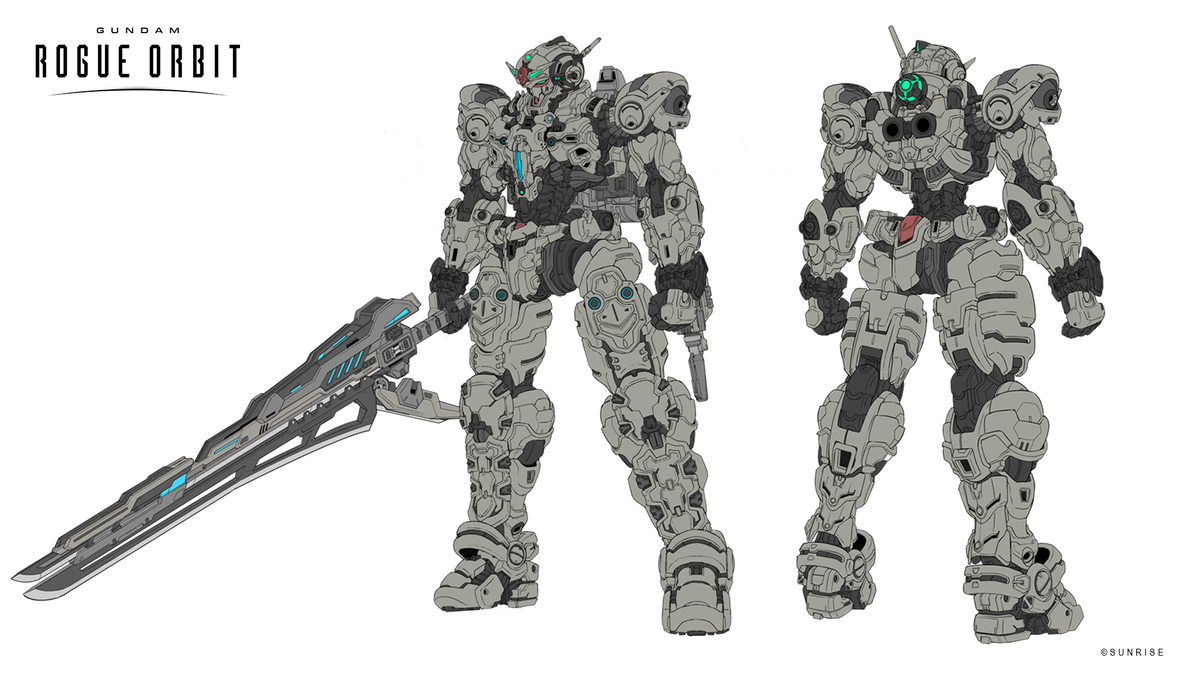
Industry analysts suggest that by targeting a 2027 release, Bandai Namco is positioning Rogue Orbit to be a "mid-to-late generation" powerhouse for the PlayStation 5 and Xbox Series X, utilizing the full maturity of the hardware to deliver a visual fidelity that matches the high standards of modern anime production.
Implications for the Future of the Franchise
The RG Project represents a calculated risk. By moving away from the established timelines that fans have supported for decades, Bandai Namco is betting that a more sophisticated, science-fiction-heavy approach—steered by Kamiyama and Enjoe—will attract both veteran "Newtypes" and a younger audience accustomed to the interconnected storytelling of modern cinematic universes.
Furthermore, the decision to launch a new card game and high-grade model kits alongside the game and anime suggests a move toward a "live service" ecosystem for the entire brand. If Rogue Orbit succeeds, it could set a new standard for how major media franchises are managed in Japan, moving away from the siloed production of the past and toward a future of total brand synchronization.
As 2027 approaches, the success of Gundam Rogue Orbit will likely be measured not just by its sales figures on Steam or the PlayStation Store, but by how effectively it sustains the broader "After Apocalypse" ecosystem. For a franchise that has spent nearly 50 years exploring the tragedy of human conflict, the RG Project is a bold attempt to find a new way to tell an old story, ensuring that the Gundam remains a relevant cultural icon well into the 21st century.
Related posts: