From 23 to 25 September 2026, the city of Pescara, Italy, served as the global epicenter for the Django web framework development community, hosting the second edition of Django on the Med. This unique initiative, which blends intensive technical "sprints" with cultural immersion, marks a significant departure from traditional, large-scale conference formats. By focusing on deep-work sessions for core contributors and active community members, the event aimed to facilitate tangible progress on the Django codebase while strengthening the human bonds that sustain one of the world’s most widely used Python-based frameworks.

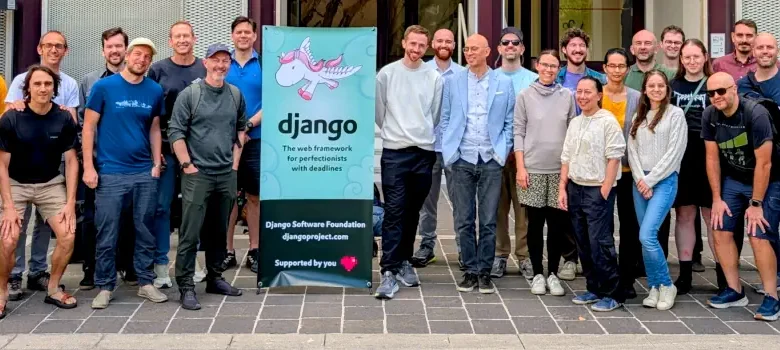
The event, organized by Paolo Melchiorre, represented a strategic evolution from the inaugural edition held in Palafrugell, Spain, in 2025. With 25 attendees ranging from core maintainers to long-time contributors, the gathering successfully balanced the high-pressure environment of software development with the logistical demands of a curated community retreat.

Chronology of the Event
The proceedings were structured to maximize productivity during the morning hours, leaving afternoons for regional exploration and networking.

Day 1: September 23, 2026
The event commenced at the Hotel Plaza in Piazza Sacro Cuore, chosen for its central location and proximity to transit hubs. Following a brief opening session led by Carlton Gibson, the participants—many of whom had arrived in Pescara by the evening of September 22—organized into small, autonomous work groups. The morning was dedicated to high-level technical discussions, including documentation strategies and potential improvements to Django’s Object-Relational Mapper (ORM). In the afternoon, the cohort engaged in a collaborative bicycle tour along the Costa dei Trabocchi, an experience designed to foster informal discourse outside of the constraints of a terminal window.

Day 2: September 24, 2026
The second day focused on integrating the Django community with the local tech ecosystem. A mid-day excursion, supported by JetBrains, took participants from the Adriatic coastline into the inland hills of the Abruzzo region. The itinerary included a visit to a local winery in Collecorvino, providing a setting for inter-developer dialogue, followed by a guided tour of the medieval town of Penne. The evening concluded with a traditional dinner in the Gran Sasso and Monti della Laga National Park, where the group experienced regional culinary practices, including the preparation of local arrosticini.

Day 3: September 25, 2026
The final morning saw a shift toward documentation and long-term planning. Participants finalized several pull requests and set the strategic roadmap for the upcoming year. The event concluded with a formal group photograph at the Hotel Plaza and a final communal lunch, ensuring that those departing had time to reach local transit connections.

Technical Objectives and Contributions
Django on the Med is not a conference in the traditional sense; there are no keynote speeches or formal presentations. Instead, the focus is entirely on the "sprint" model. For the 2026 edition, several key technical milestones were targeted:

- ORM Compatibility: Significant time was dedicated to discussing the creation of an ORM compatibility matrix, which would allow developers to track database feature flags more effectively. The dialogue involved core maintainers, including Simon Charette, focusing on the use of Python’s descriptor protocol for automated matrix generation.
- Documentation and AI Integration: A critical workstream addressed the intersection of technical documentation and generative AI. Participants debated whether existing documentation standards could be optimized to better serve automated tools and LLM-based assistance, a move intended to keep the framework accessible in an evolving software landscape.
- Async Support: Ongoing efforts to improve Django’s asynchronous capabilities remained a primary focus, with several groups spending the three-day window performing code reviews and architectural audits.
Logistical and Financial Framework
The sustainability of Django on the Med relies on a lean, volunteer-driven operational model. Funding was provided by the Django Software Foundation (DSF), which covered the essential costs of the sprint venue. This support was instrumental in lowering the barrier to entry, allowing for a diverse range of participants to attend without the financial burden typically associated with international travel and event registration fees.

The event’s success in attracting 25 participants—necessitating a waiting list—underscores the demand for smaller, more intimate gatherings. By utilizing the local Python Pescara community as a bridge, organizers were able to secure local support, such as catering and transport, which minimized the administrative overhead and ensured that the budget was focused entirely on technical output.

Reactions and Community Impact
The efficacy of the sprint model was echoed in statements from attendees, who highlighted the value of face-to-face interaction in a post-remote-first professional world. One contributor noted, "Being in the sprints for a few days charges me and inspires my work on Django for months to come." Another participant remarked that for a framework as complex as Django, in-person interaction remains the most effective tool for resolving "delicate issues," such as NULL handling in the ORM.

The integration of the local community, including the Python Pescara group, created a symbiotic relationship. Local developers gained access to world-class expertise, while visiting contributors experienced a sense of regional grounding that is often absent in the sterile environment of global tech conferences.

Broader Implications for Open Source
Django on the Med 2026 serves as a case study for the future of open-source sustainability. As the maintainers of large-scale projects like Django face the "burnout" inherent in high-stakes software development, localized, community-led events offer a viable alternative to the corporate-sponsored conference model.

The decision to host the next edition in Gozo, Malta, in October 2027, suggests that this model is not merely a one-off experiment but a growing movement. By rotating the host location and leveraging local point persons like Joseph Zammit, the organizers are building a decentralized network of support. This approach mitigates the risk of single-point failure in event planning and fosters a more inclusive, globally distributed contributor base.

Furthermore, the data collected during the event—such as the number of pull requests filed and the architectural decisions made—will likely influence the framework’s trajectory for the next several releases. The focus on documentation and ORM stability reflects a broader industry trend toward long-term maintainability over the rapid addition of new features.

Conclusion
The 2026 edition of Django on the Med demonstrates that high-level software engineering and regional cultural exchange are not mutually exclusive. By prioritizing the human experience, the organizers have created a framework for collaboration that is as sustainable as the code they maintain. As the community looks toward the 2027 gathering in Malta, the lessons learned in Pescara—the importance of central, accessible venues, the value of dedicated brainstorming sessions, and the necessity of informal, non-technical bonding—will likely become the foundational pillars of the Django project’s event strategy. The success of this edition is a testament to the fact that, in an increasingly digital world, the most critical advancements in technology are still made when people are sitting at the same table.