
Us Travel Advisory Colombia Update Civil Unrest Kidnapping

US Travel Advisory Colombia Update: Navigating Civil Unrest, Kidnapping, and Essential Safety Information
Recent US Department of State travel advisories for Colombia highlight persistent concerns regarding civil unrest and the ongoing risk of kidnapping, demanding a heightened level of awareness and caution for all travelers. The advisory, updated periodically, underscores that while many regions of Colombia are safe for tourism and business, certain areas continue to experience significant security challenges. Understanding the nuances of these advisories is paramount for a secure and informed journey. The primary reasons for these advisories stem from the presence of armed groups, including illegal armed organizations, drug cartels, and remnants of paramilitary and guerrilla factions, which often operate in remote areas and engage in illicit activities. These groups can pose a direct threat to foreigners, particularly through extortion, kidnapping, and violent crime. The dynamic nature of the security situation means that areas previously considered safe can rapidly change, necessitating continuous monitoring of official advisories.
Understanding the Nature of Civil Unrest in Colombia
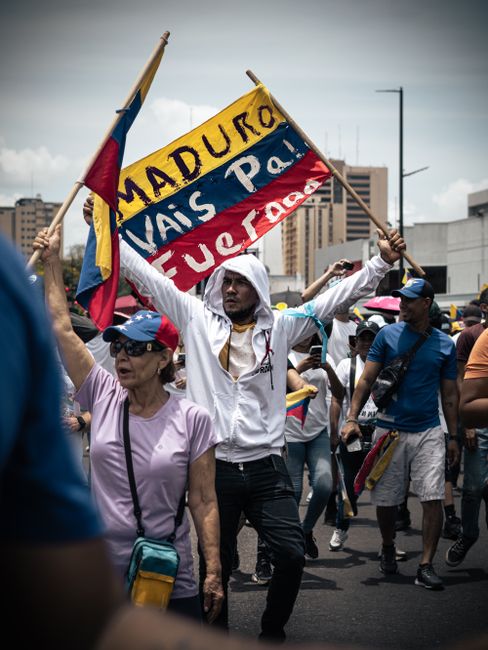
Civil unrest in Colombia is not a monolithic phenomenon. It manifests in various forms, ranging from localized protests and demonstrations to more widespread social disturbances. These events are often triggered by socio-economic grievances, political disagreements, and historical conflicts. While many protests remain peaceful, there is an inherent risk of escalation, leading to roadblocks, transportation disruptions, and, in some instances, confrontations with security forces or other groups. Travelers should be acutely aware that their presence in or near areas experiencing unrest could inadvertently put them at risk. The advisory specifically warns against traveling in certain regions due to the prevalence of these disturbances. These areas are often characterized by a strong presence of illegal armed groups who may exploit or instigate unrest for their own purposes. It is crucial for travelers to consult the detailed regional breakdowns within the US Department of State advisory to identify specific zones to avoid or exercise extreme caution. Understanding the root causes of unrest, even at a general level, can help travelers anticipate potential disruptions and make informed decisions about their itinerary. For instance, areas with a history of land disputes or significant mining operations may be more prone to protests.
The Persistent Threat of Kidnapping and Extortion
Kidnapping and extortion remain significant security concerns in Colombia, particularly in remote and less-policed regions. US citizens are specifically identified as potential targets due to their perceived wealth. These criminal activities are often perpetrated by illegal armed groups seeking financial gain. The advisory strongly advises against travel to specific departments and regions known for high kidnapping rates. These include, but are not limited to, areas along the Pacific coast, certain border regions, and zones with a strong presence of illegal mining or drug cultivation. The methods employed by kidnappers can vary, from opportunistic abductions to meticulously planned operations. Extortion, often a precursor to kidnapping or used as a standalone threat, can involve demands for money or other valuables under duress. The US Department of State strongly discourages any engagement with individuals or groups attempting to extort money, as this can embolden criminals and increase future risks. It is imperative for travelers to avoid displaying visible wealth, such as expensive jewelry or electronics, and to be discreet about their travel plans. Sharing detailed itineraries with trusted contacts back home and at their destination is a vital safety measure.
Geographical Areas of Concern and Regional Breakdown
The US Department of State’s travel advisory provides a granular breakdown of safety concerns by region, which is a critical resource for any traveler planning a trip to Colombia. While specific designations can change, certain areas consistently receive warnings due to persistent security issues. These often include departments with a history of conflict, a strong presence of illegal armed groups, and high rates of crime. For instance, the La Guajira department, bordering Venezuela, has been highlighted for its complex security dynamics, including the presence of criminal organizations and risks associated with irregular migration. Similarly, departments in the Amazon region and along the Pacific coast, such as Chocó, frequently appear on lists of areas requiring extreme caution or for which travel is not recommended. These regions are often characterized by challenging terrain, limited infrastructure, and a strong presence of groups involved in illegal activities like drug trafficking and illegal mining.
Furthermore, areas known for the cultivation of illicit crops, such as coca, are often associated with the presence of armed groups and associated violence. The advisory may specify certain routes or highways that are considered particularly dangerous due to a higher risk of ambushes or roadside robberies. Understanding these regional nuances allows travelers to make informed decisions about their travel routes, accommodation choices, and overall itinerary. It’s not just about avoiding entire departments, but also understanding specific cities or towns within those departments that might present a higher risk. For example, while a major city might be generally safe, venturing into its outskirts or nearby rural areas could expose travelers to increased danger. Travelers are strongly encouraged to consult the most current version of the US Department of State’s Colombia travel advisory and to research the specific safety situation in their intended destinations.
Essential Safety Precautions for Travelers
To mitigate the risks associated with civil unrest and kidnapping, travelers to Colombia must adhere to a comprehensive set of safety precautions. The fundamental principle is to maintain a low profile and avoid drawing unnecessary attention. This includes dressing modestly, refraining from displaying expensive jewelry or electronics, and being mindful of one’s surroundings at all times.
Transportation Safety:
- Avoid Unmarked Taxis: Always use reputable taxi services booked through your hotel or a trusted app. Unmarked taxis can be fronts for criminal activity.
- Be Cautious on Roads: If driving, avoid traveling at night, especially on rural roads. Roadblocks and ambushes are a known threat in certain areas. Consider using reputable private transportation services.
- Public Transport: While generally safe in major cities, be aware of your belongings and surroundings on crowded public transport.
Personal Security:
- Situational Awareness: Be constantly aware of your environment. Trust your instincts. If a situation feels unsafe, leave immediately.
- Avoid Risky Areas: Heed the US Department of State’s advisories regarding specific regions and neighborhoods to avoid.
- Inform Others: Share your itinerary with trusted friends or family and check in regularly.
- Emergency Contacts: Have local emergency numbers readily available, including the US Embassy or Consulate’s contact information.
- Alcohol and Drugs: Exercise extreme caution when consuming alcohol or using drugs, as impaired judgment can significantly increase vulnerability. Avoid accepting drinks from strangers.
Communication and Information:
- Stay Informed: Continuously monitor local news and the US Department of State’s travel advisories for any updates.
- Local Contacts: Establish relationships with trusted locals or hotel staff who can provide real-time safety information.
- Limited Social Media Sharing: Avoid broadcasting your exact location or travel plans on social media, as this can inadvertently alert potential criminals.
Accommodation:
- Secure Lodging: Choose well-regarded hotels or accommodations with good security measures in place.
- Do Not Announce Arrival: Avoid publicly announcing your arrival at your accommodation.
Specific Warning Against Engaging with Illegal Activities:
The advisory explicitly warns against any involvement, direct or indirect, with illegal activities such as drug trafficking or engaging with individuals involved in such operations. This includes avoiding known drug-producing areas and refusing any offers or requests related to illicit substances. Participation in or proximity to illegal activities significantly elevates the risk of encountering armed groups and becoming a victim of crime.
Kidnapping Prevention Strategies:
- Vary Routines: If you are staying in one place for an extended period, vary your daily routines to avoid predictability.
- Avoid Remote Areas Unaccompanied: Do not venture into remote or isolated areas without a trusted local guide or guide service.
- Be Wary of Unsolicited Assistance: Be cautious of individuals offering excessive assistance or who seem overly interested in your plans, especially in less-trafficked areas.
- Secure Communication Devices: Ensure your mobile phone is secure and not easily accessible.
Responding to Emergencies and Seeking Assistance
In the event of an emergency, swift and informed action is crucial. Travelers should have the contact information for the US Embassy or Consulate in Colombia readily accessible. The embassy can provide assistance to US citizens in distress, including help with lost or stolen passports, medical emergencies, and in cases of arrest or detention.
Emergency Procedures:
- Contact Local Authorities: If you witness or are a victim of a crime, contact the local police immediately. Be prepared to provide as much detail as possible.
- US Embassy/Consulate: For serious issues, including kidnapping or significant medical emergencies, contact the nearest US Embassy or Consulate. Their contact details are usually available on the US Department of State’s website.
- Maintain Calm: In a crisis situation, it is essential to try and remain as calm as possible. This will help you think more clearly and respond effectively.
- Do Not Resist: If confronted by criminals, especially in a kidnapping scenario, your safety is paramount. Do not resist aggressively, as this can escalate the situation. Follow instructions and look for opportunities to escape or seek help when safe to do so.
- Document Everything: If possible, and if safe to do so, try to document details of any incident, including descriptions of perpetrators, vehicles, and locations. This information can be invaluable for authorities.
Understanding the US Department of State’s Role
The US Department of State’s travel advisories are not designed to deter travel but to inform and protect US citizens abroad. They are based on comprehensive assessments of security conditions by the State Department and other US government agencies. The advisories use a tiered system to communicate risk levels, with specific recommendations for each country. For Colombia, the advisory often cites the presence of illegal armed groups, crime, and civil unrest as primary concerns, necessitating a "Level 3: Reconsider Travel" or "Level 4: Do Not Travel" designation for certain regions.
Key Takeaways for a Safer Trip:
- Prioritize Information: Always consult the most current US Department of State travel advisory for Colombia before and during your trip.
- Regional Awareness: Understand the specific risks associated with the regions you plan to visit.
- Personal Vigilance: Maintain constant situational awareness and avoid risky behaviors.
- Discretion is Key: Avoid displaying wealth or drawing unnecessary attention.
- Trusted Networks: Utilize reputable tour operators, transportation services, and accommodation providers.
- Emergency Preparedness: Have emergency contact information readily available and know how to access assistance.
By understanding the risks, adhering to safety guidelines, and staying informed, travelers can significantly enhance their safety and enjoy their experiences in Colombia while being prepared for the challenges outlined in the latest US travel advisories. The dynamic security landscape demands a proactive and cautious approach, ensuring that a trip to Colombia is both memorable and secure.


