The Evolution of the Modern Road Warrior and the Hardware Defining the New Mobile Office

Two decades ago, before the global shift toward remote work and the ubiquity of high-definition video conferencing, the term "road warrior" emerged to describe a nascent demographic of professionals who operated with complete geographical independence. Enabled by the early stages of mobile computing and the rapid expansion of wireless telecommunications, these individuals positioned themselves at the vanguard of a post-office landscape. Today, the definition of this workforce has undergone a seismic shift, accelerated by the 2020 pandemic, which necessitated a transition from traditional office settings to kitchen tables and shared workspaces. While the romanticism of the "restless traveler" has evolved into a more pragmatic reality, the demand for sophisticated, portable hardware remains at an all-time high. The modern professional is no longer just traveling; they are maintaining a high-performance office environment from wherever they happen to be stationed.
The Changing Landscape of Mobile Productivity
The transition from the traditional corporate headquarters to the decentralized workspace has fundamentally altered how technology companies approach hardware design. Recent industry data indicates that the global remote working market is projected to grow significantly through 2030, driven by the adoption of flexible work policies. This shift has necessitated a new class of computing equipment that balances raw performance with extreme portability.
The "road warrior" of the 2000s carried heavy, bulky laptops and relied on fragile tethering solutions. Conversely, the contemporary professional requires devices that are ultralight, energy-efficient, and capable of integrating with an ecosystem of AI-driven productivity tools. This new era of mobile hardware is defined by three primary pillars: weight reduction, power density, and intelligent software integration.
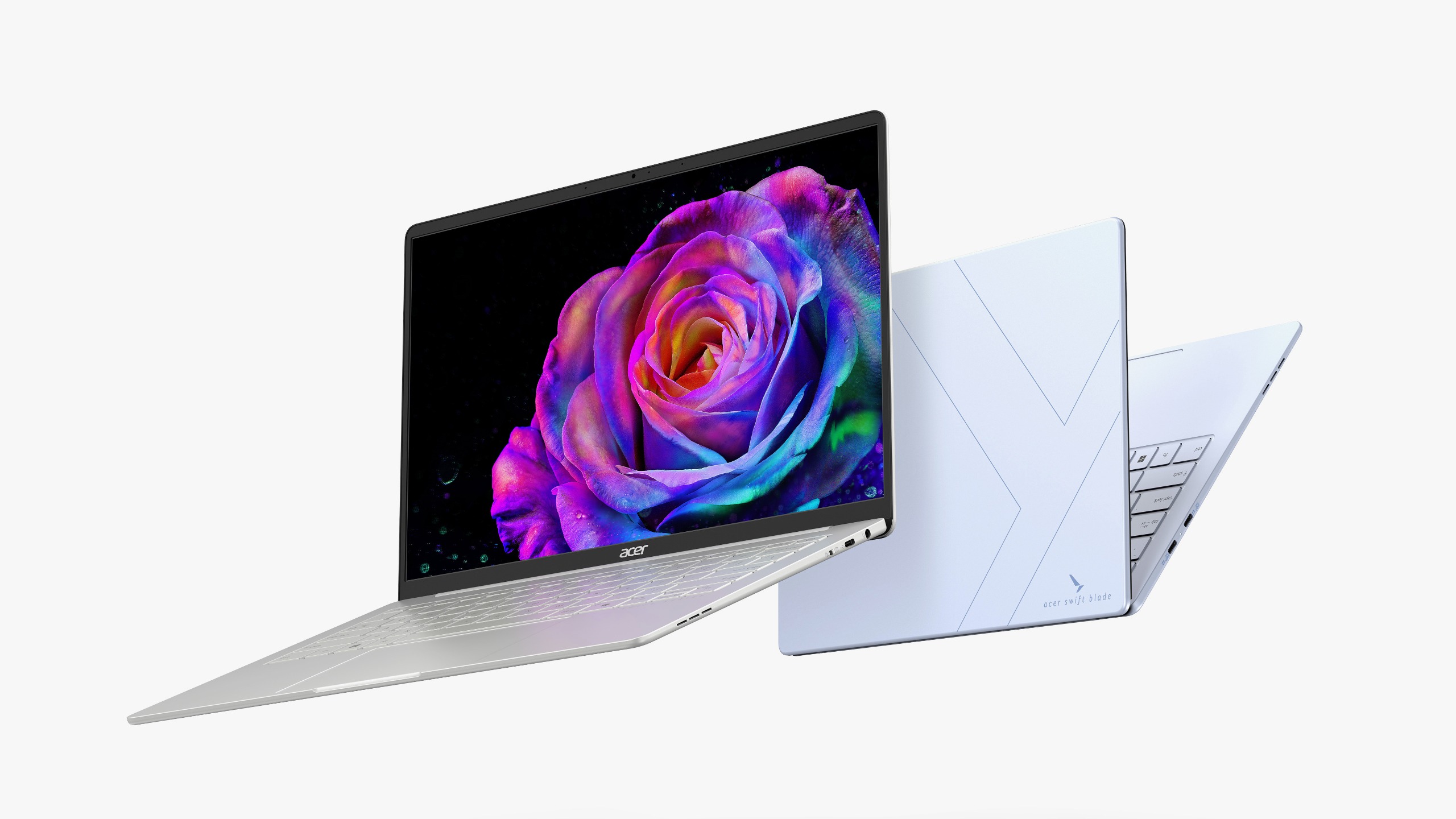
Acer Swift Blade 14: The Standard for Ultralight Computing
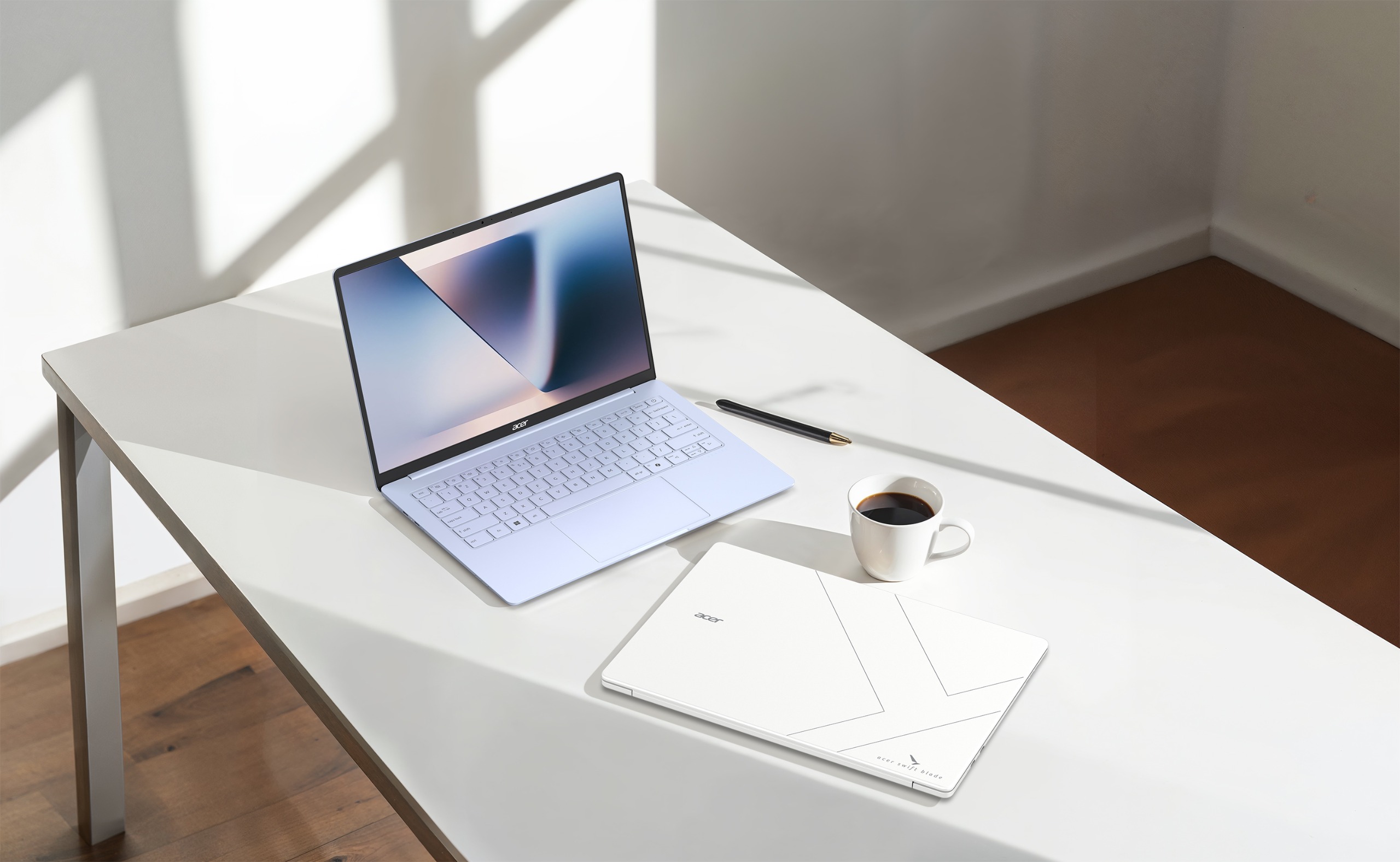
The Acer Swift Blade 14 represents the current zenith of this design philosophy. Weighing in at a mere 799 grams, it challenges the traditional trade-off between portability and processing power. The device features a 14-inch OLED display, providing the color accuracy required by design professionals while maintaining a thickness of only 12.9 mm.
Equipped with Intel Core Series 3 processors—specifically the Core 7 processor 350—the laptop demonstrates the industry’s focus on maintaining desktop-level performance in a chassis that fits into the most compact of carry-on bags. With 12GB of memory and 512GB of storage, the Swift Blade 14 serves as a primary workstation for the modern, mobile-first professional. Its four-speaker audio system and easily swappable webcam are design choices specifically intended to cater to the frequent video calls that define the contemporary workday.
Sustainable Power Solutions: The Krafted Edge
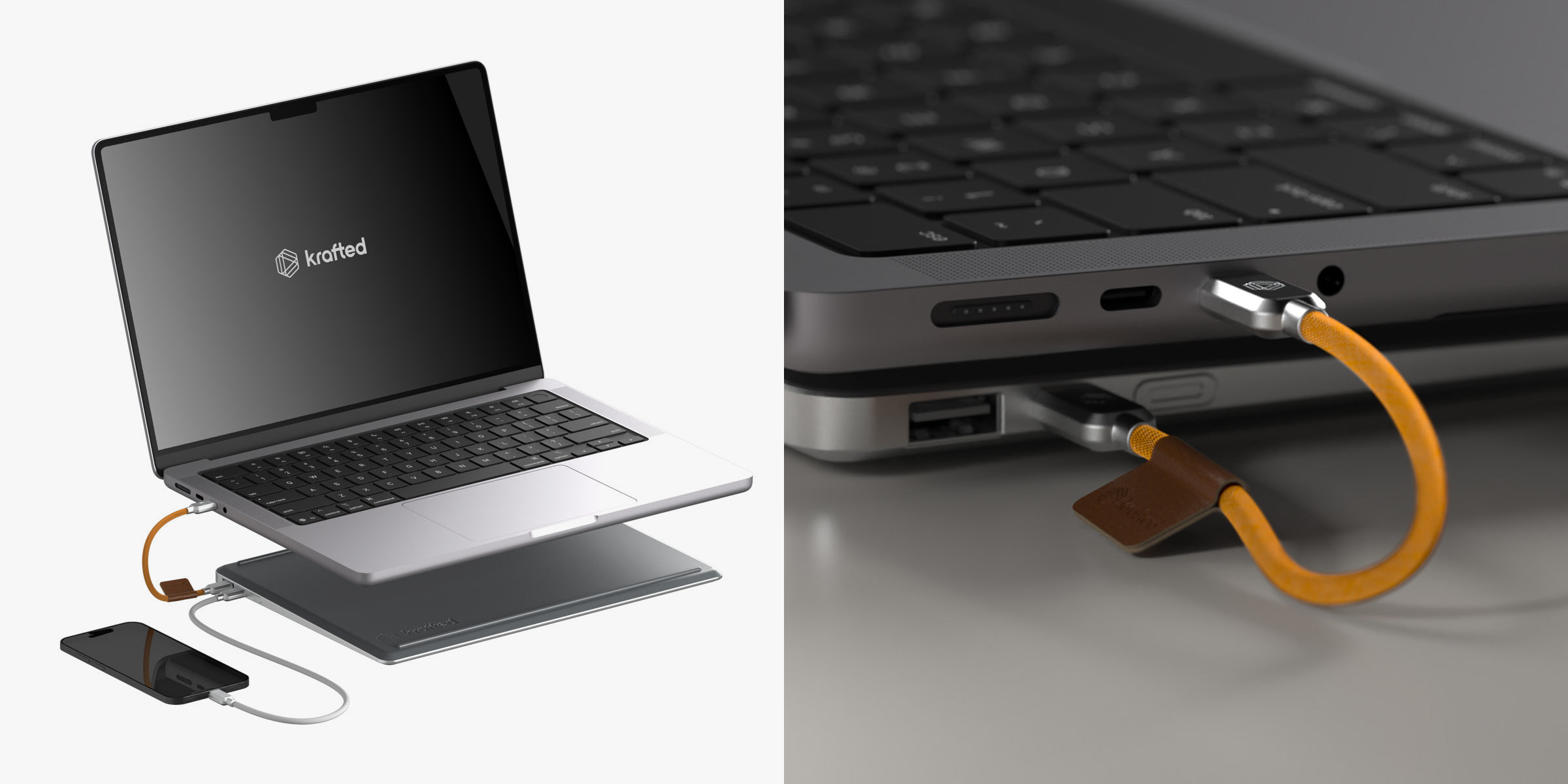
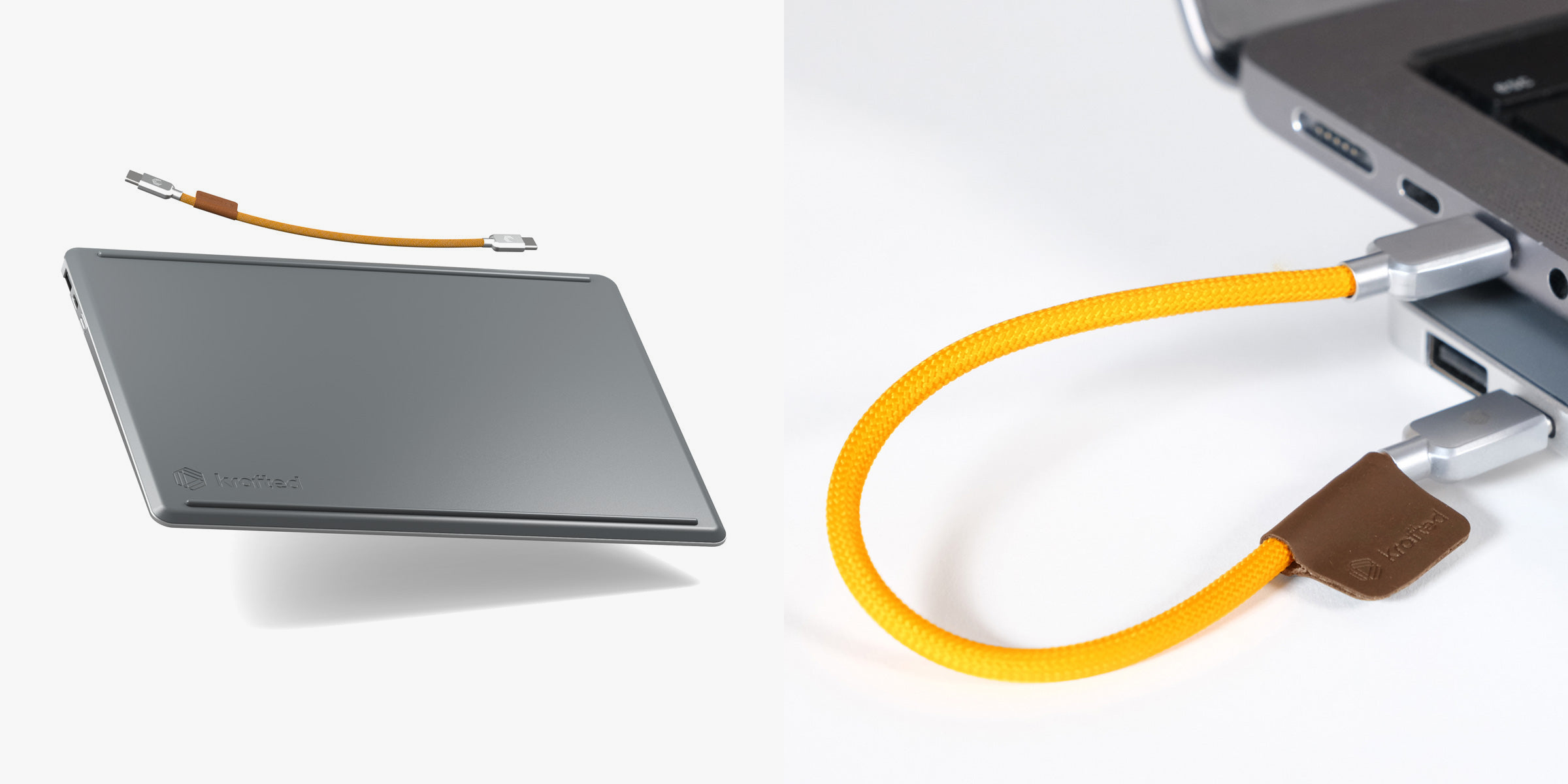
As remote workers demand more from their devices, the issue of battery longevity has become a critical bottleneck. The Krafted Edge represents an innovative solution to the perennial problem of power anxiety. Designed to sit discreetly beneath a laptop, the unit is only 12mm thick yet offers a 20,000mAh capacity.
The implications of such hardware go beyond simple utility; the use of OBP-certified (Ocean Bound Plastic) materials in its construction highlights a growing trend among tech manufacturers to align product development with corporate social responsibility mandates. With four charging ports (two USB-C and two USB-A), the device acts as a centralized power hub, capable of charging a laptop and multiple mobile devices simultaneously. This modular, sustainable approach to hardware design is increasingly expected by consumers, particularly those in the tech-savvy demographic who value both performance and environmental impact.
Data Management in the Palm of Your Hand
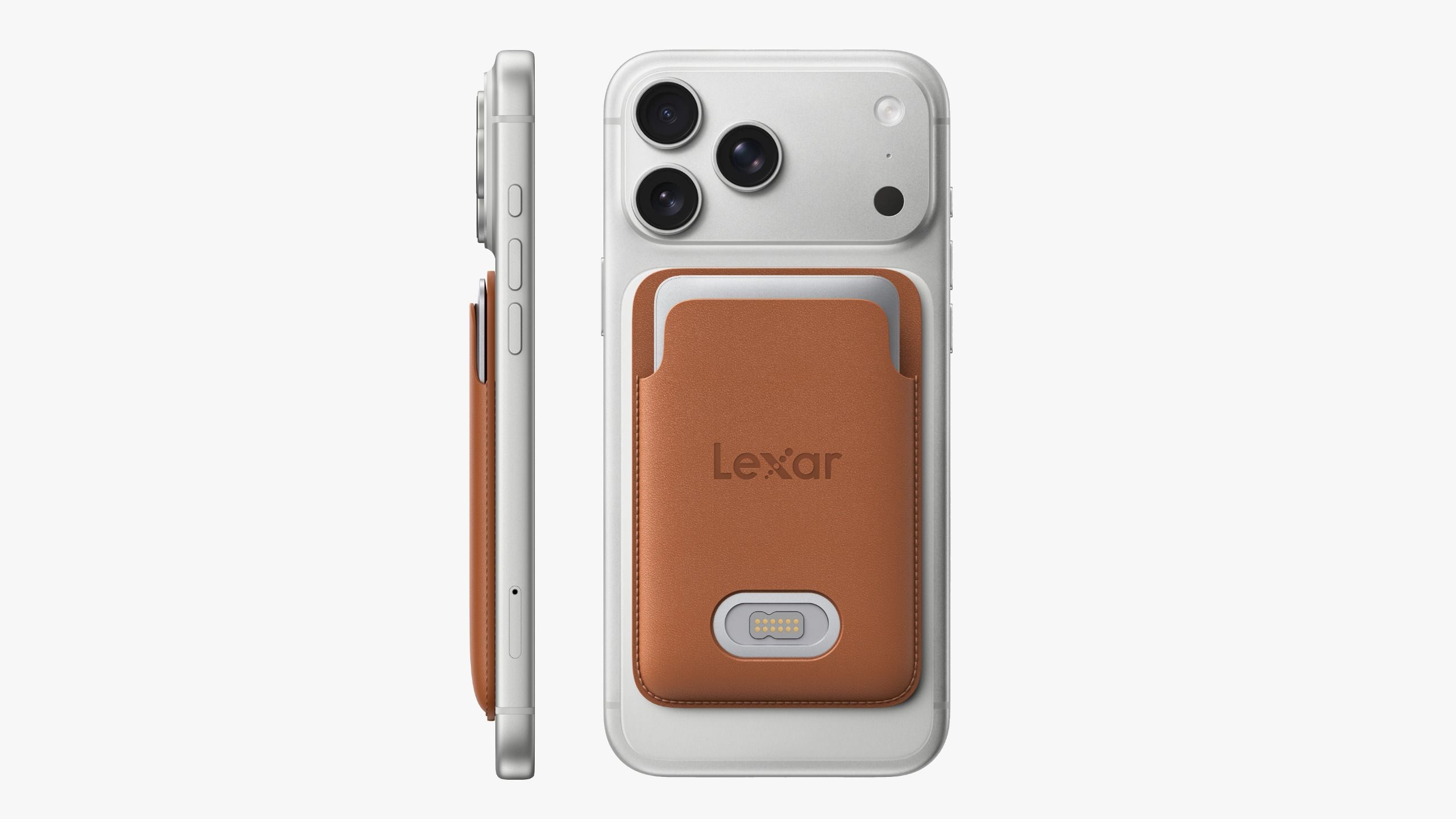
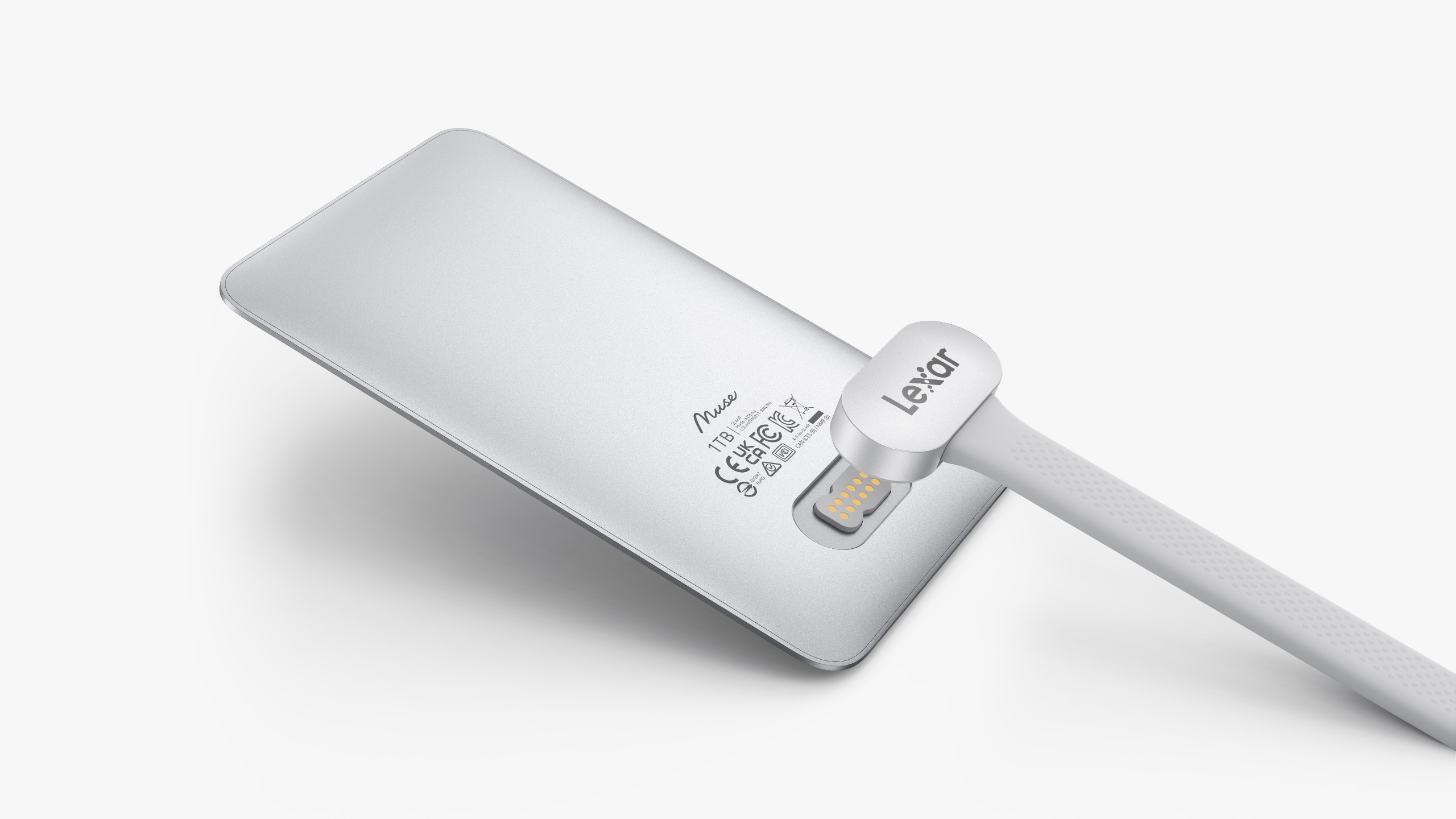
The expansion of mobile workflows has led to a surge in the demand for external storage that does not compromise on speed or portability. The Lexar Muse Ultra-Slim Portable SSD has been engineered to address the limitations of smartphone storage. With dimensions of 8cm by 4.8cm and a thickness of only 3.8mm, it is marketed as one of the thinnest portable storage solutions currently in production.
This device is not merely a storage expansion; it is a response to the massive data footprints created by 4K video recording, high-resolution photography, and large-scale AI datasets. By offering a magnetic sleeve that clips to the back of a phone, Lexar has essentially turned the smartphone into a high-capacity creative workstation. The professional implication is clear: the divide between mobile-first devices and desktop computing continues to narrow.
AI-Integrated Communication: The Timekettle Paradigm
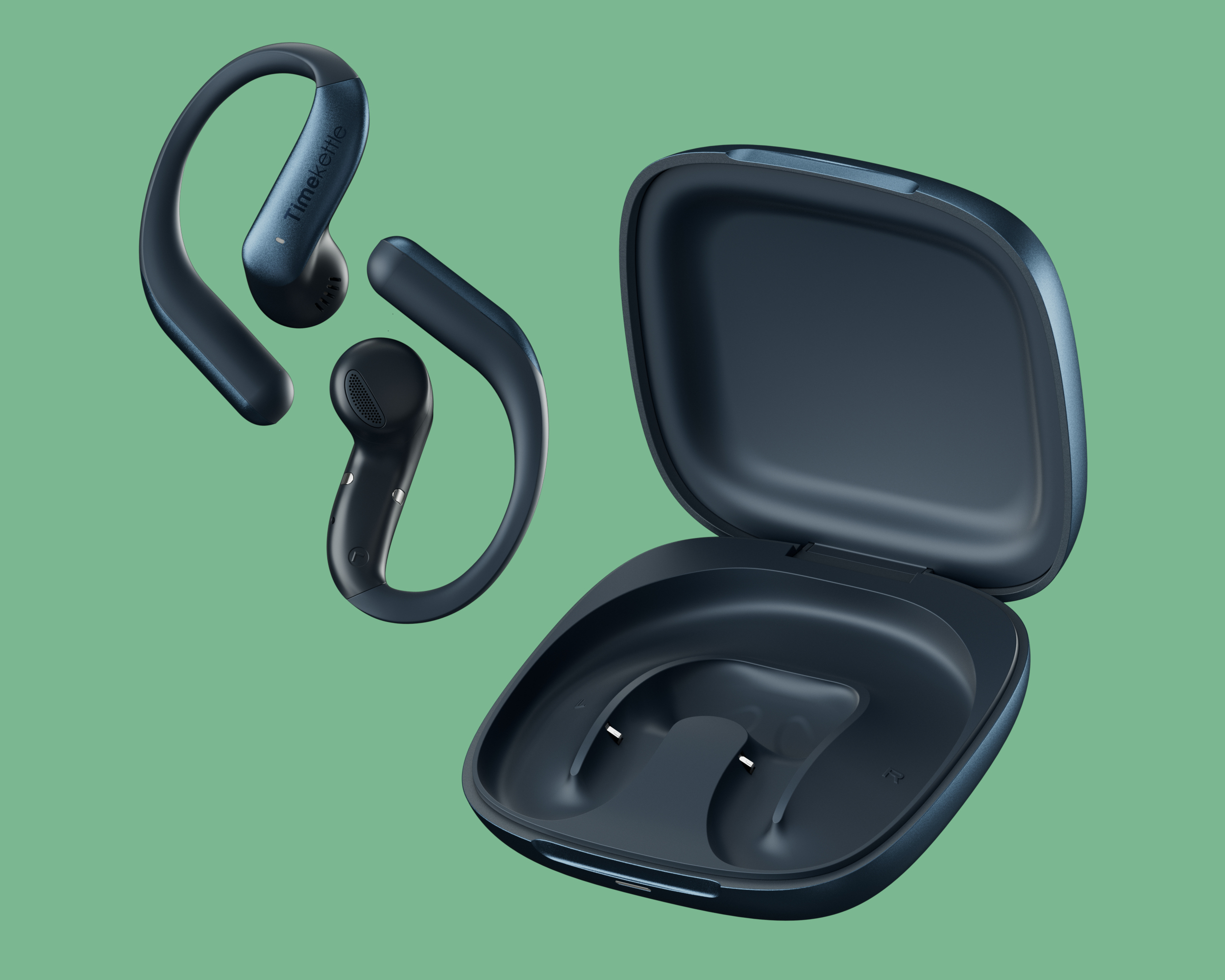
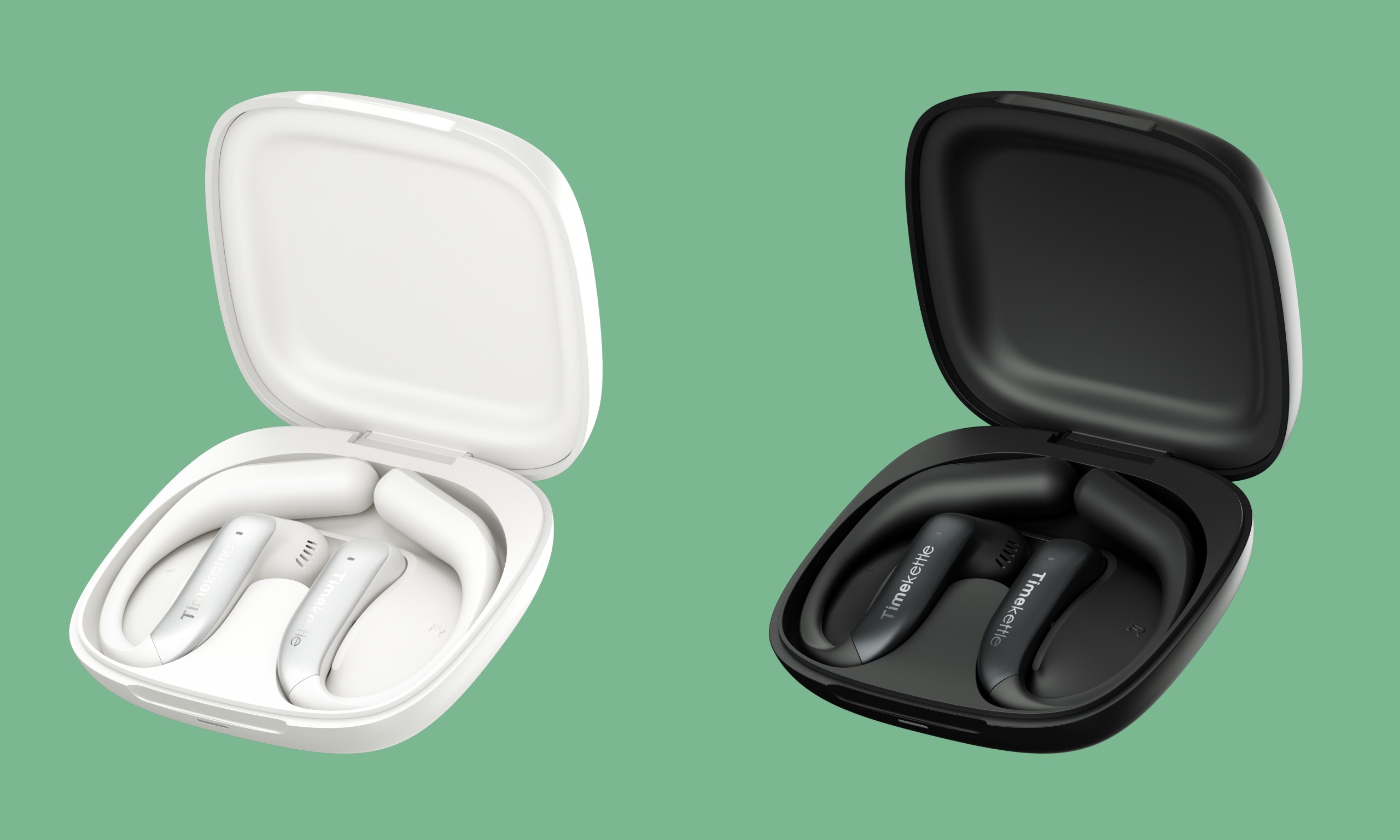
The integration of artificial intelligence into translation hardware is perhaps the most significant development in global business connectivity. The Timekettle LiveTalk AI translation earbuds represent a tangible effort to bridge language barriers in real-time. With a 35-hour battery life and support for 54 languages, these devices are designed to facilitate seamless international collaboration.
While the technology is not yet at the level of instantaneous, UN-grade interpretation, its efficacy in recorded speech and structured conversations is a notable step forward. The subscription-based model for heavy users indicates that companies are increasingly viewing AI translation as a utility rather than a luxury. This transition marks a shift in how we perceive global commerce; the barrier to entry for international remote work is no longer just high-speed internet, but the ability to communicate across diverse linguistic landscapes without human intermediaries.
The Resurgence of Tactile Input
In an era dominated by glass touchscreens, there is a paradoxical, growing demand for physical tactile input devices. The Clicks Power Keyboard for smartphones and the ProtoArc XK01 foldable keyboard represent a nostalgic yet functional return to the physical keyboard.
The Clicks Power Keyboard, which adds a physical interface to the modern smartphone, targets a user base that prioritizes speed and accuracy in text input—a nod to the "Blackberry era" of high-performance mobile communication. Conversely, the ProtoArc XK01 offers a full-size, 105-key layout that folds into a portable form factor. These devices serve a specific purpose: they convert mobile devices into tools for long-form writing and data entry, effectively eliminating the need for a dedicated laptop in many field scenarios.
Analysis of Implications for the Future of Work
The rise of these hardware solutions suggests several long-term implications for the professional world. First, the "office" has become entirely portable and modular. The ability for an individual to construct a high-performance workstation in a coffee shop or on a train using only their bag’s contents is now a reality. Second, the reliance on AI is becoming baked into the hardware itself—not just as software, but as the primary interface through which we translate, summarize, and store information.
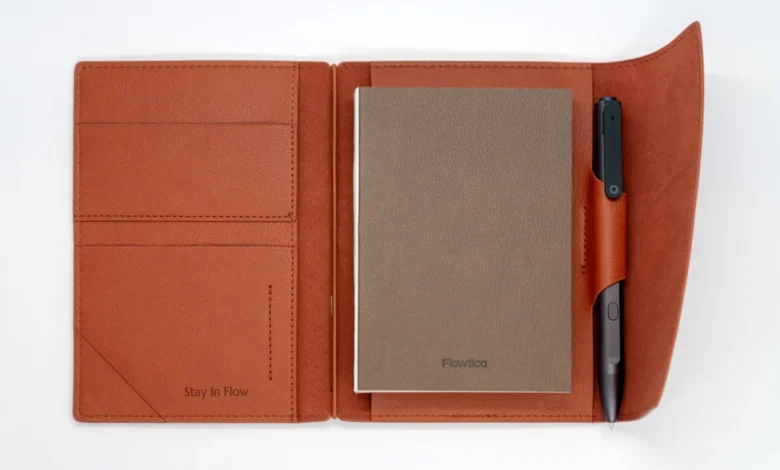
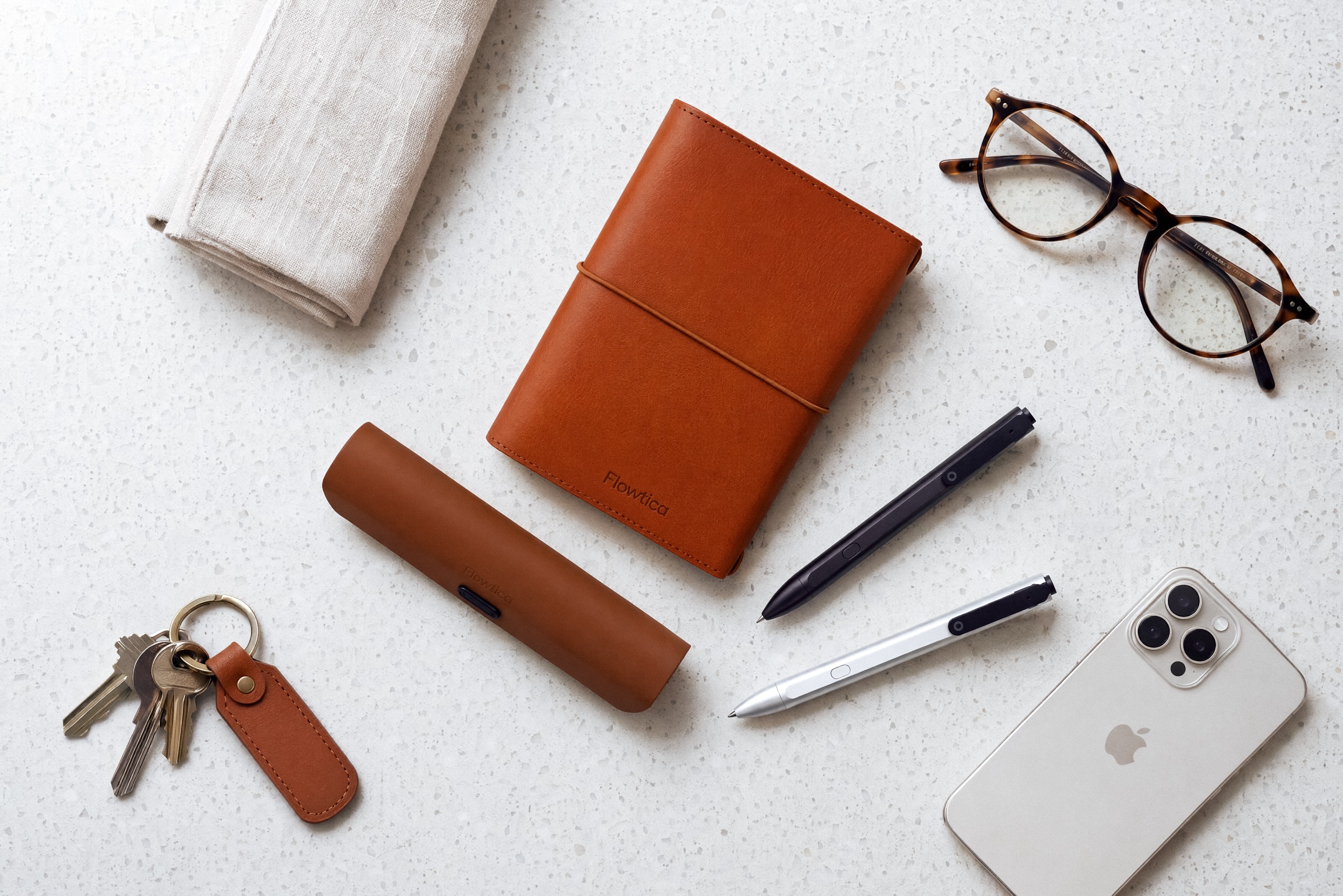
However, this transition is not without challenges. Privacy and security remain at the forefront of the conversation, particularly regarding AI-equipped recording devices like the Flowtica Scribe or Verso. As these devices become more ubiquitous, organizations will need to establish clear policies regarding the use of automated recording and transcription in meetings to avoid legal and intellectual property risks.
Furthermore, the environmental impact of this hardware, while mitigated by companies like Krafted, remains a concern. As the global workforce upgrades its mobile kit every few years, the lifecycle management of these lithium-ion batteries and electronic components will become a critical policy issue for global tech firms.
Chronology of the Mobile Office
- 2000s: The "Road Warrior" era begins, characterized by heavy laptops, early cellular data cards, and a focus on basic connectivity.
- 2010s: The rise of cloud computing and the proliferation of powerful smartphones shift the focus from hardware tethering to cloud-based synchronization.
- 2020: The COVID-19 pandemic serves as a global catalyst for remote work, forcing a rapid, widespread adoption of home and mobile office setups.
- 2022–2024: Hardware manufacturers pivot to produce "mobile-first" high-performance tools, emphasizing weight, power density, and AI integration.
- Present Day: The market reaches a point of maturity where specialized accessories (foldable keyboards, AI translators, ultra-thin SSDs) become essential components of the professional toolkit.
Conclusion: The Future of the Mobile Professional
The evolution of the road warrior is far from complete. As we move toward a future defined by ubiquitous connectivity and advanced artificial intelligence, the hardware that supports our work will continue to shrink in size and grow in capability. The products outlined here—from the Acer Swift Blade 14 to the Anker Universal Charger—are not merely gadgets; they are the infrastructure of a new, decentralized economy.
The modern professional no longer needs to wait for the office to come to them; they are carrying the office within their reach. While the glamour of the early "road warrior" may have faded into the practical reality of daily remote work, the freedom afforded by these technological advancements is unprecedented. As long as there is power, a connection, and the right hardware, the professional landscape of the future is limited only by the imagination of the worker, not the location of their desk. The trajectory of this industry indicates that the coming years will likely bring even more radical integrations of AI and hardware, further blurring the lines between the physical workspace and the digital output of the global workforce.