Sihoo Doro C300 Pro receives significant price reduction as ergonomic office furniture market evolves

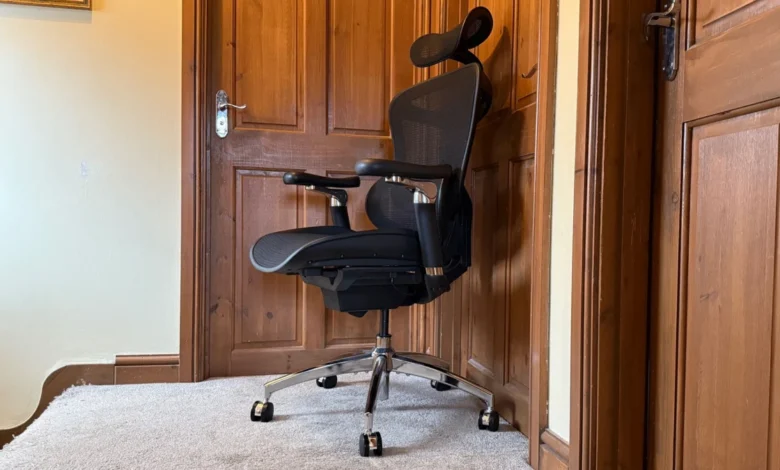
The landscape of ergonomic office furniture has shifted considerably over the past five years, driven by a global transition toward remote and hybrid work environments. In response to increasing consumer demand for accessible, high-performance seating, Sihoo—a manufacturer historically recognized for its budget-friendly entry-level solutions—has implemented a $70 discount on its premium Doro C300 Pro model. The chair, which previously retailed at $509, is now available for $439 on the company’s official website, a move that positions the product as a competitive alternative to high-end ergonomic chairs that often retail for double or triple the price.
Contextualizing the Market Shift
The evolution of the office chair market has been marked by a move away from the traditional, rigid executive leather seats of the early 2000s toward breathable, highly adjustable mesh designs. As ergonomic science has become a focal point for corporate wellness and home office optimization, brands like Sihoo have faced pressure to deliver features once reserved for premium brands like Herman Miller or Steelcase.
The Doro C300 Pro represents Sihoo’s strategic attempt to capture the "prosumer" market—users who require professional-grade lumbar support and structural integrity but are not willing to pay the four-figure prices typical of high-end commercial office equipment. This pricing strategy reflects a broader industry trend where manufacturers are leveraging manufacturing efficiencies to democratize features such as dynamic lumbar tracking and multi-directional armrests.
Chronology of Product Positioning
Sihoo’s trajectory in the North American and European markets began with the success of the M18, a model widely cited in consumer reports as the definitive entry-level ergonomic chair. The M18 set a baseline for affordability, focusing on essential back support and simple adjustability. However, as the brand matured, user feedback indicated a gap in the market for a "pro" tier device that addressed more nuanced physiological needs.
The development of the C300 Pro followed an iterative process. Early testing phases focused on resolving common pain points found in budget chairs: lack of seat depth adjustment, fixed armrests, and inadequate mesh durability. By 2023, the C300 Pro was launched to address these gaps, introducing a more sophisticated frame geometry designed to mimic the human spine’s natural "S" curve. The current price reduction follows a series of seasonal promotional cycles, suggesting that the company is aiming to maintain momentum in a tightening economic environment where consumers are scrutinizing the long-term value of home office investments.
Technical Analysis: The Ergonomic Breakdown
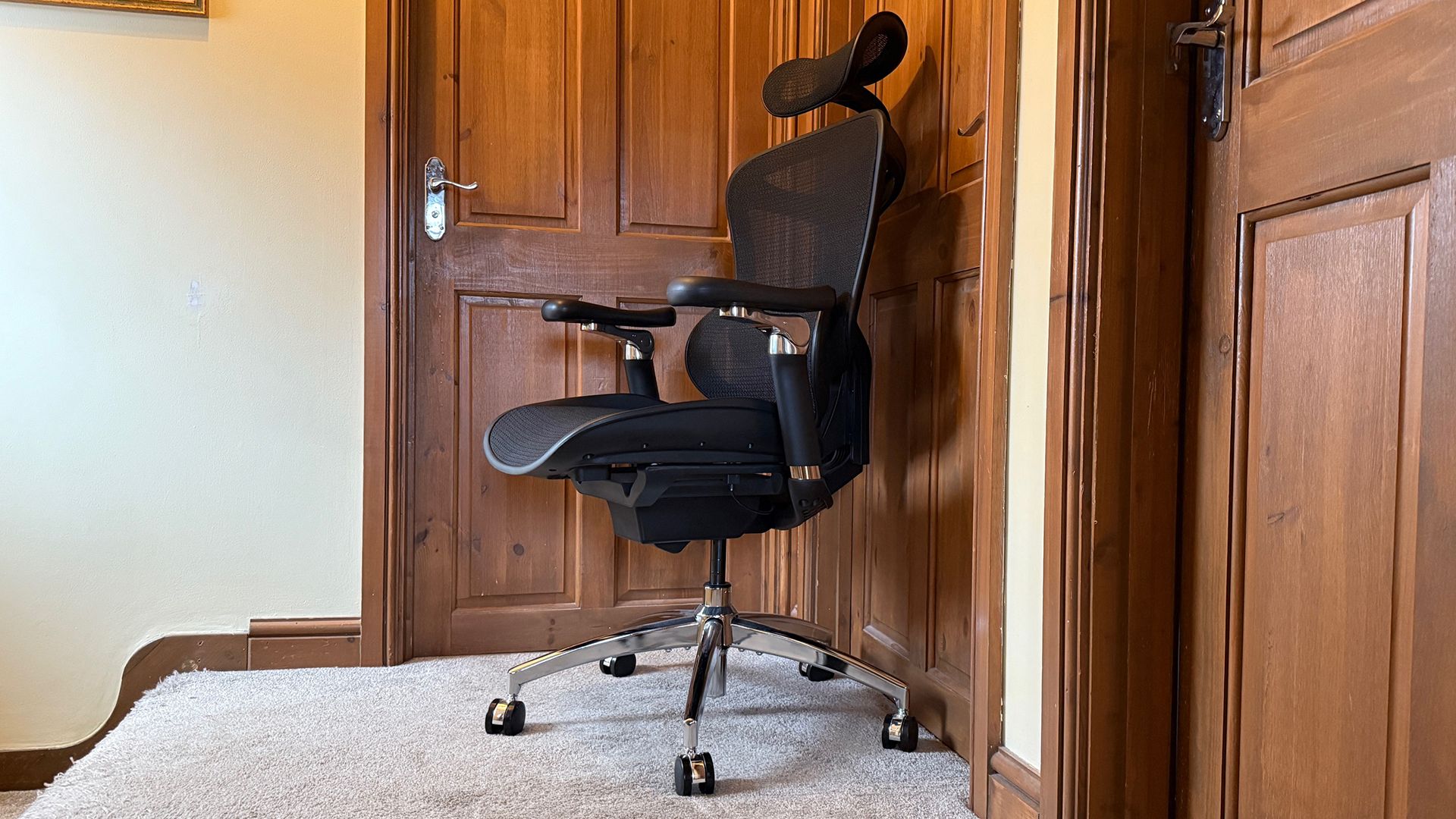
The structural design of the Doro C300 Pro utilizes a weight-sensitive chassis, a feature that automatically adjusts the tilt tension based on the user’s body mass. This is a critical component in the ergonomic chair sector, as it minimizes the mechanical effort required for a user to recline safely.
One of the most distinct technical features of the C300 Pro is the multi-directional armrest system. Unlike standard 2D or 3D armrests found on many mid-range models, the C300 Pro’s armrests offer 6D adjustability, including height, depth, width, angle, and lateral movement. This level of granularity is designed specifically for professionals who spend extended hours typing or using handheld input devices, as it allows for the stabilization of the forearms in a way that reduces strain on the rotator cuffs and neck muscles.
Furthermore, the lumbar support mechanism utilizes a self-adapting system. While many chairs require a manual crank or lever to adjust lumbar pressure, the C300 Pro is engineered to maintain constant contact with the lumbar region regardless of the user’s angle of recline. This constant support is vital for preventing the "slump" that often occurs during the latter half of an eight-hour shift.
Supporting Data and User Ergonomics
Clinical research into occupational health consistently underscores the link between sedentary work environments and musculoskeletal disorders (MSDs). According to data from the Occupational Safety and Health Administration (OSHA), musculoskeletal disorders are among the most frequently reported causes of lost or restricted work time. Chairs like the Doro C300 Pro are designed to mitigate these risks through specific design principles:
- Seat Pan Dynamics: The inclusion of a waterfall-edge seat cushion helps prevent the compression of the sciatic nerve and promotes healthy circulation in the lower limbs.
- Material Science: The use of high-tensile, breathable mesh serves a dual purpose: it regulates body temperature by allowing air circulation—essential for comfort during long sessions—and it distributes body weight more evenly than traditional foam padding, which can compress and lose its structural integrity over time.
- Adjustability Ratios: The ratio of adjustment points to the total cost of the chair has become a primary metric for analysts in the office furniture space. At a price point of $439, the C300 Pro offers a high ratio of adjustability, providing value for users who require a personalized fit that matches their specific height and weight profile.
Implications for the Office Furniture Industry
The decision to reduce the price of a flagship model has broader implications for competitors. As Sihoo and similar direct-to-consumer manufacturers gain market share, legacy office furniture brands are finding it increasingly difficult to justify the "brand premium" associated with their products.
However, the shift toward lower prices also brings challenges regarding product longevity and assembly. Consumer reviews of Sihoo products often highlight that while the ergonomics are on par with premium competitors, the assembly process can be more involved, often requiring the end-user to manage the final stages of construction. This "assembly-by-user" model is a key factor in keeping costs low, as it reduces shipping volume and storage footprint for the manufacturer.

For the average consumer, this price adjustment signifies that the barrier to entry for high-quality, medically-aligned seating is continuing to drop. Experts in occupational health suggest that as these chairs become more affordable, the overall prevalence of work-related back pain could see a statistical decrease, provided that users are educated on the correct usage of their equipment.
Guidance for Consumers
The acquisition of an ergonomic chair is only the first step in optimizing a workstation. Industry standards, such as those set by the ANSI/HFES (American National Standards Institute / Human Factors and Ergonomics Society), emphasize that even the most advanced chair cannot compensate for a poorly arranged desk height or improper monitor placement.
When configuring a chair like the C300 Pro, experts recommend the following baseline adjustments:
- Height: Ensure feet are flat on the floor with knees at a 90-degree angle.
- Lumbar: The support should be positioned firmly against the small of the back, not the mid-back.
- Armrests: These should be set so that the shoulders are relaxed, not hunched, and the elbows are at a 90-degree angle while typing.
- Seat Depth: There should be a two-to-three-finger gap between the edge of the seat and the back of the knees to ensure proper circulation.
Future Outlook
As Sihoo continues to iterate on the Doro line, the industry expects further integration of "smart" materials—fabrics that can monitor pressure points or provide haptic feedback—into their mid-range offerings. The current promotion on the C300 Pro is indicative of a brand that is confident in its product’s ability to retain users through performance, rather than just aesthetics. For those currently suffering from the physical fatigue of inadequate home office setups, the price correction offers a timely opportunity to upgrade to a configuration that aligns with modern ergonomic standards.