Knit Sound Company Challenges Conventional Home Audio Aesthetics with the Launch of the Knit Form Soundbar


The home audio market has long been dominated by rigid, utilitarian designs—typically black, boxy rectangles that serve their acoustic purpose but often clash with the carefully curated aesthetics of modern interior design. This disconnect between high-performance technology and home décor has prompted the launch of the Knit Sound Company, a new venture founded by industry veteran Joel Sietsema in collaboration with acclaimed interior designer Nate Berkus. Their debut product, the Knit Form, seeks to redefine the category by replacing industrial plastic and metal housings with a focus on tactile, furniture-grade materials and organic, minimalist silhouettes.
A Departure from Conventional Design
For decades, the consumer electronics industry has operated under the assumption that audio equipment should prioritize "shelf appeal"—the ability to stand out through aggressive, tech-heavy aesthetics—over domestic harmony. Joel Sietsema, who previously served as a senior product leader at Sound United, overseeing brands such as Denon and Marantz, spent twenty years refining the technology behind these traditional systems. However, his professional expertise often conflicted with his personal life.
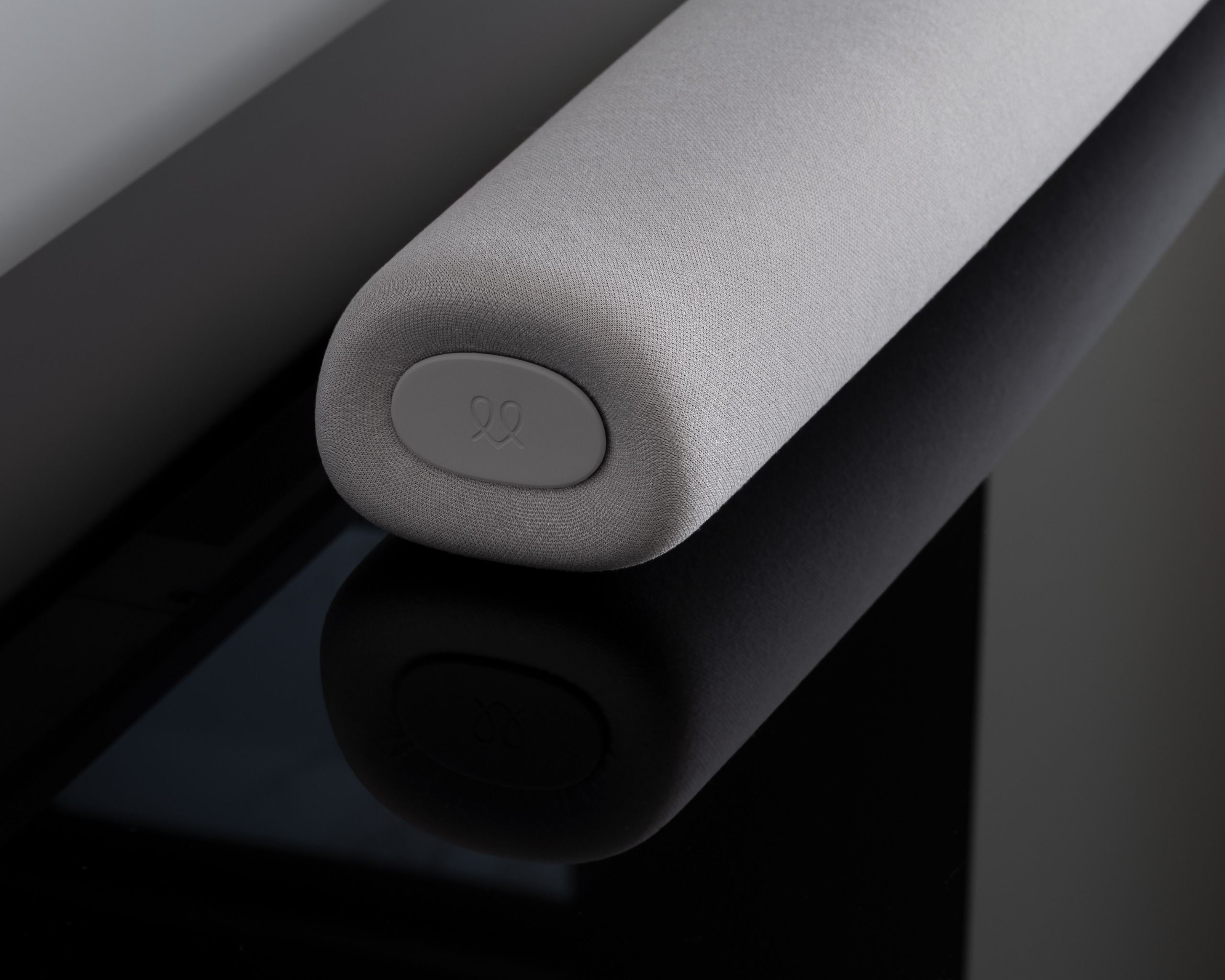
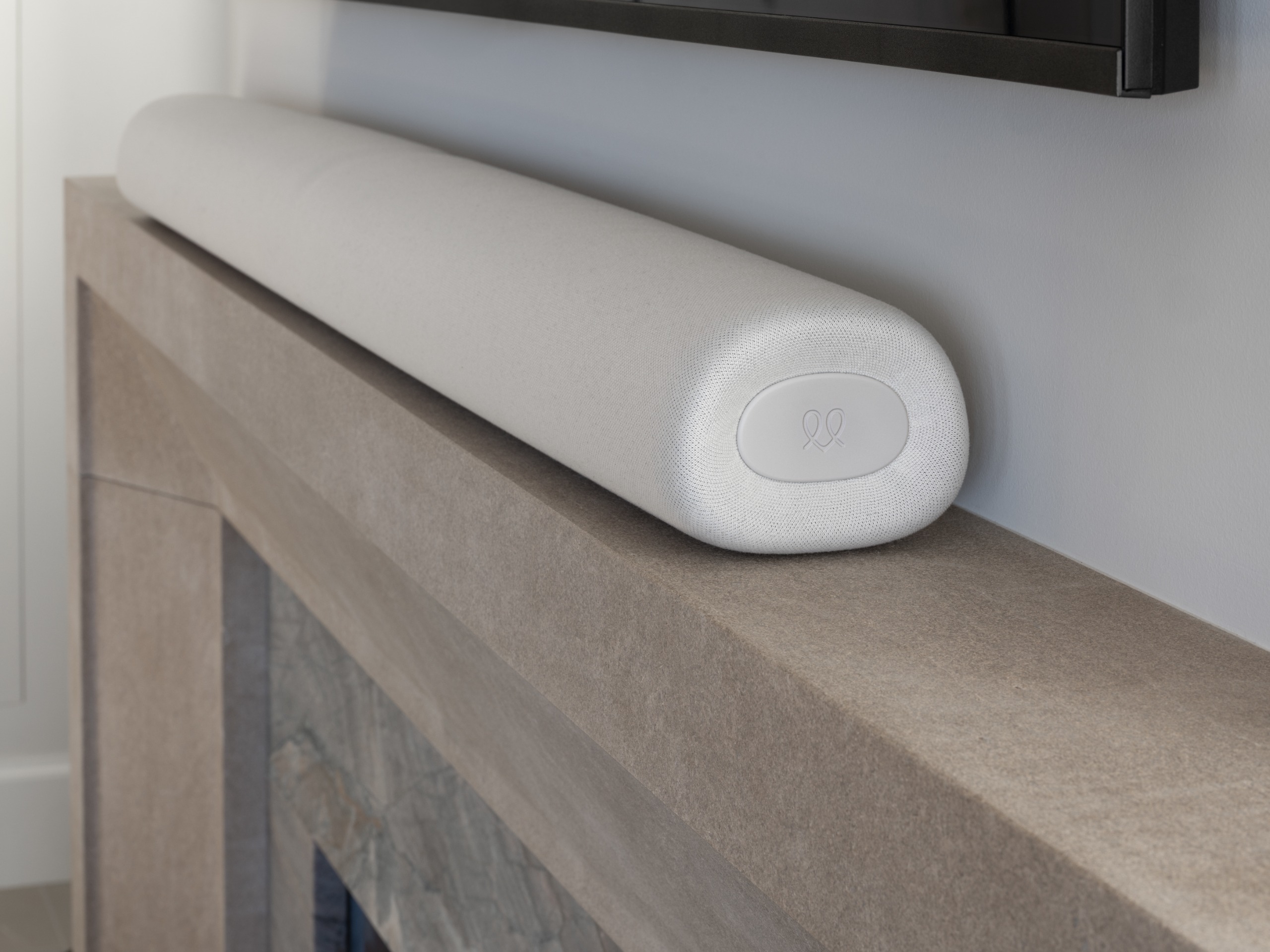
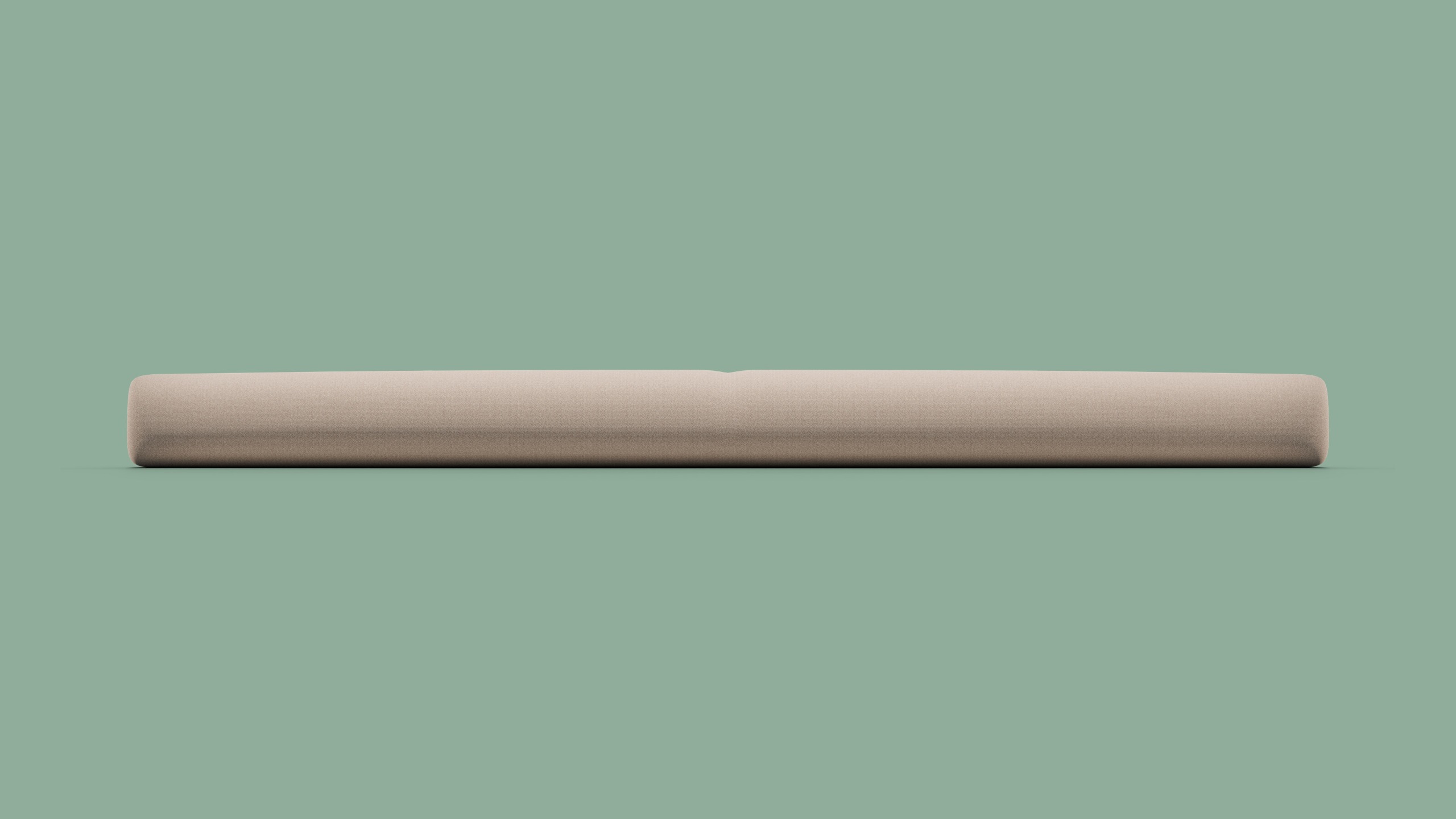
The genesis of the Knit Sound Company emerged from a recurring domestic friction: Sietsema’s wife, a professional interior designer, consistently sought to hide or disguise the high-fidelity speakers he brought home. The resulting product, the Knit Form, is the antithesis of the "black box" philosophy. By stripping away the aggressive branding and opting for a soft, textile-wrapped, organic form, the team has created a device intended to function as a piece of home décor rather than a mere piece of hardware.
Technical Specifications and Engineering
While the aesthetic focus is clear, the Knit Form is designed to meet the rigorous demands of modern home cinema. Achieving a minimalist silhouette while maintaining high-fidelity audio output presents significant engineering challenges, particularly regarding the physics of vibration and air displacement.
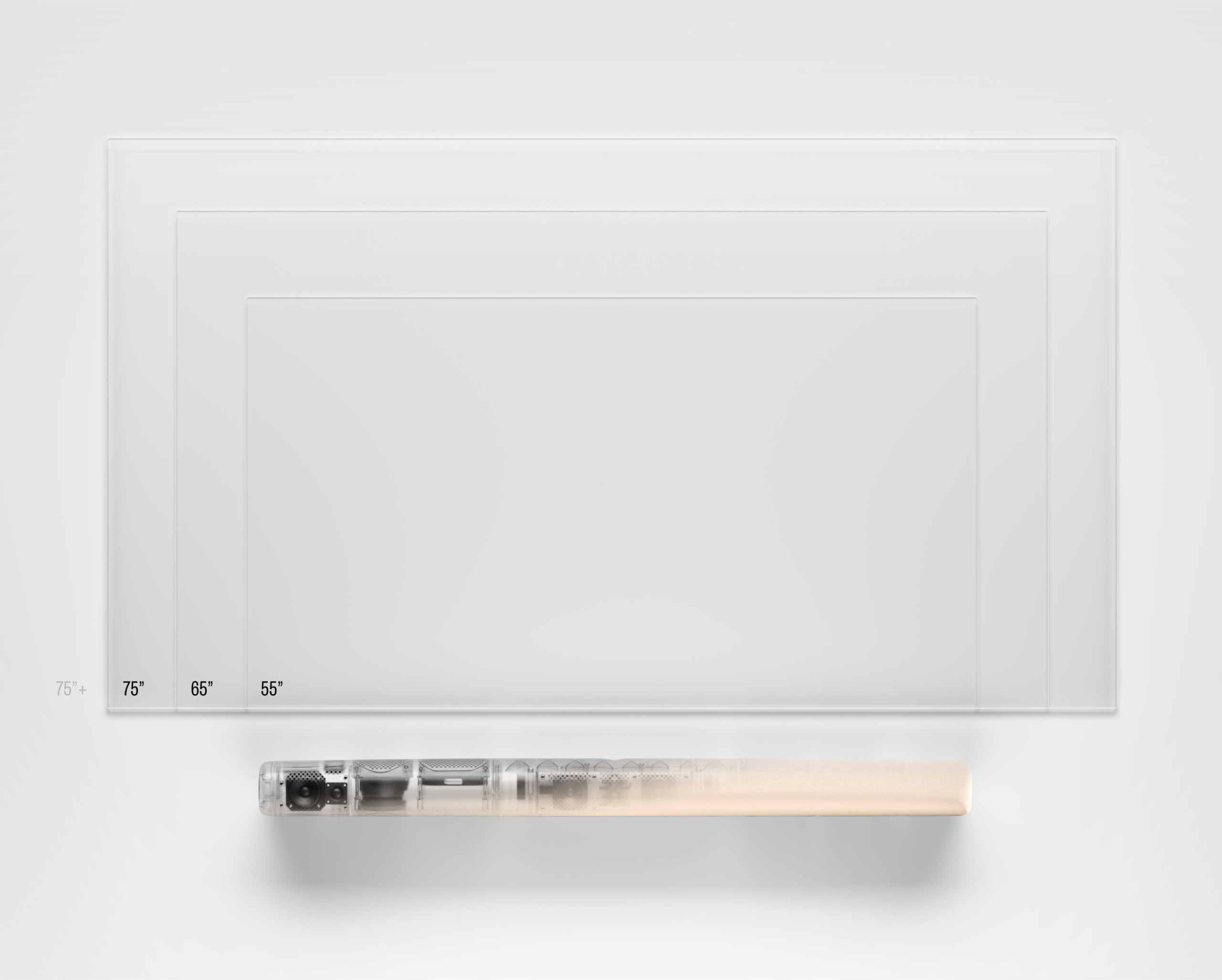
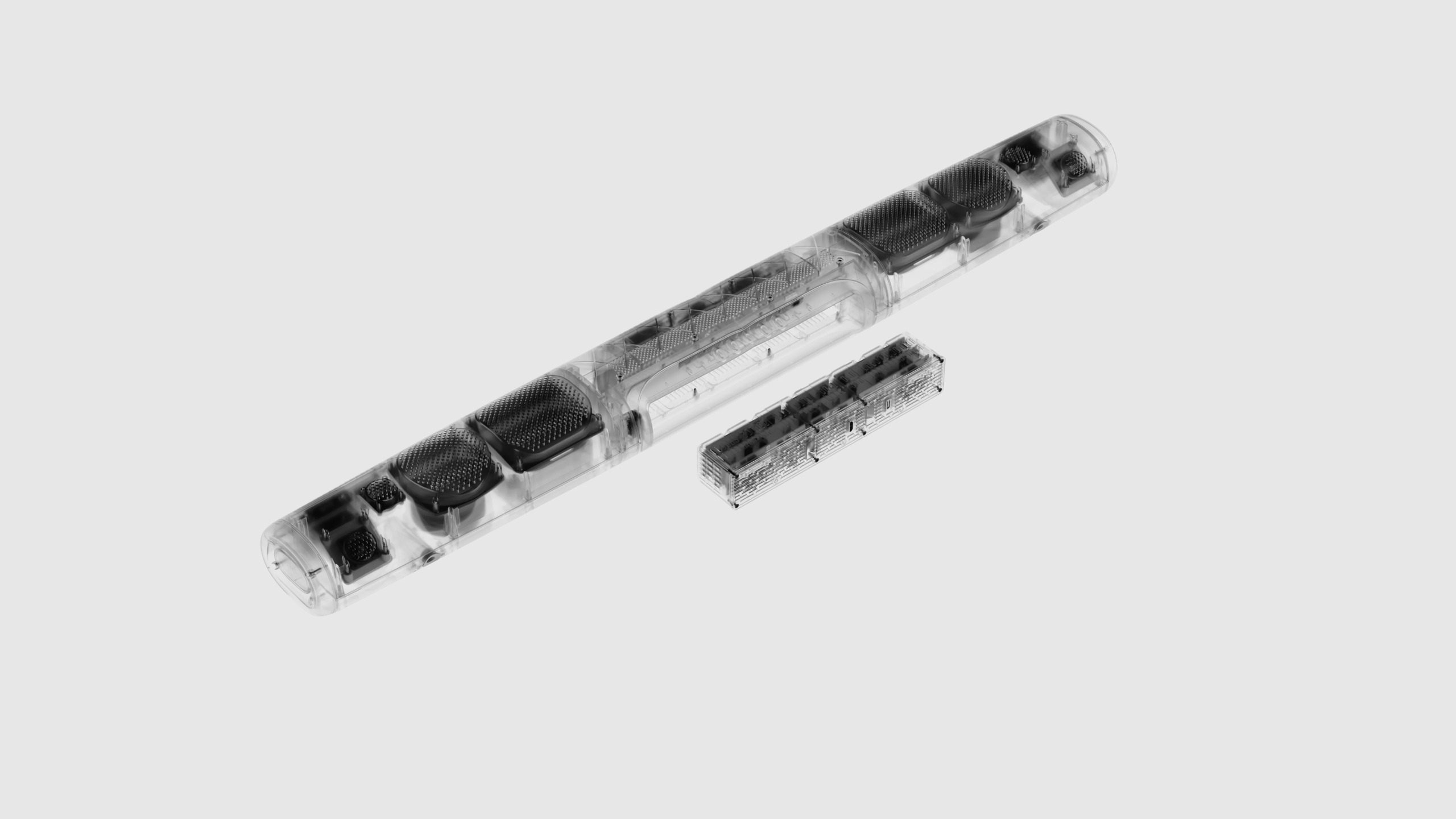
The device is built to support a 5.1.2-channel configuration, providing full Dolby Atmos capabilities—a standard that requires sophisticated spatial audio processing to create a three-dimensional soundstage. To solve the problem of space-intensive hardware, the engineering team integrated dual subwoofers directly into the slim, elongated chassis. This eliminates the need for a separate, bulky subwoofer unit, a common point of contention for interior designers who prefer to minimize the number of discrete components in a living room.
Furthermore, the central array of drivers is optimized specifically for vocal clarity and dialogue, addressing the common consumer complaint that modern soundbars often muddy voices beneath booming cinematic sound effects. The system is designed to be user-friendly, featuring connectivity options through USB and integration with standard television remotes, ensuring that the sophisticated audio tech does not become a hurdle to daily use.
The Role of Materiality
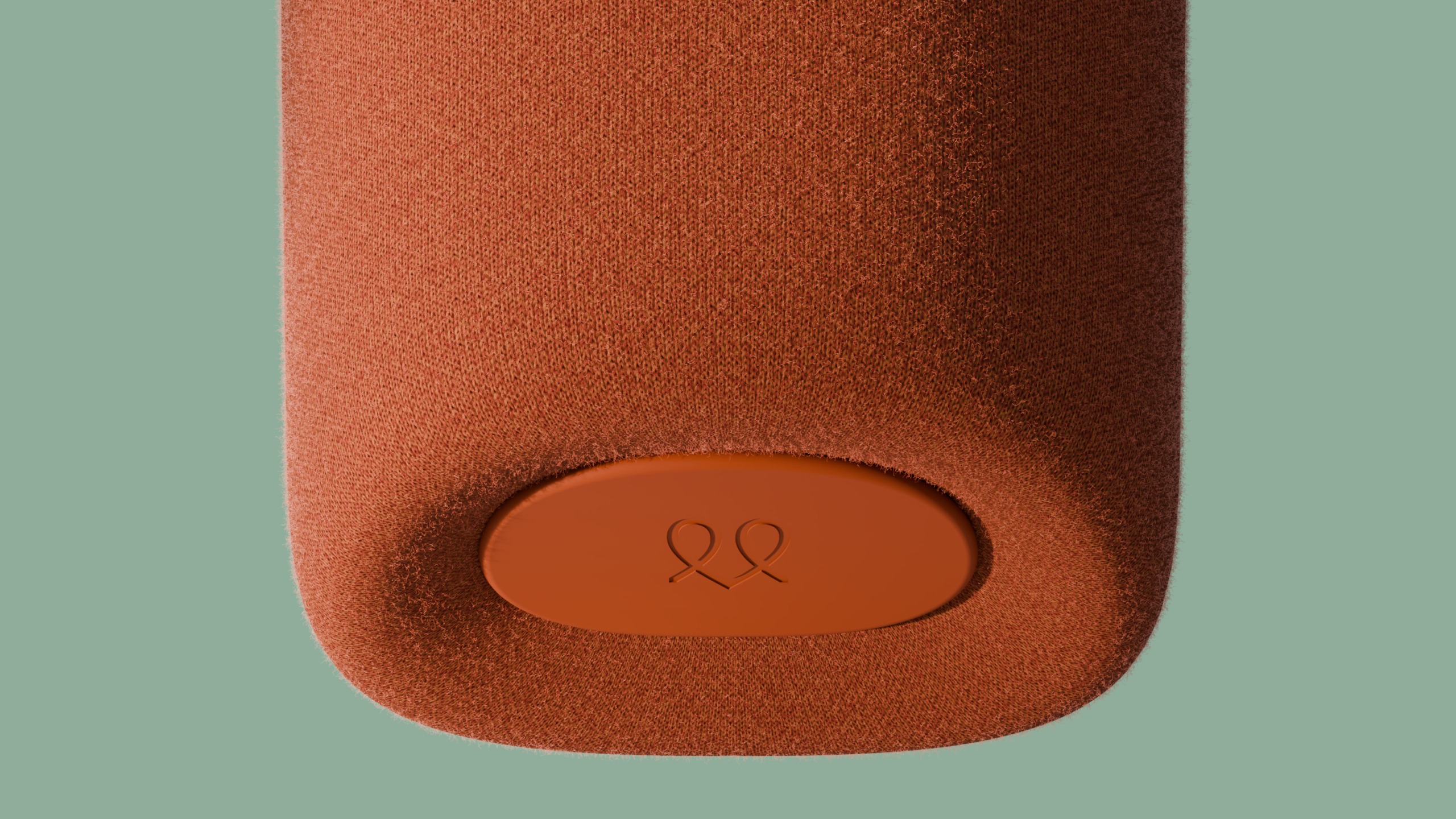
A critical component of the Knit Sound Company’s market entry is its collaboration with a European textile mill. In an effort to ensure the device feels at home in a curated space, the designers developed a bespoke, high-performance textile that provides both acoustic transparency—allowing sound waves to pass through without distortion—and a tactile, luxurious finish.
The Knit Form is available in five distinct, muted colorways: Cloud White, Slate Black, Pebble, Sandstone, and Ember. This range is intended to provide homeowners with options that complement existing color palettes, from Scandinavian minimalism to darker, more dramatic interiors. By removing front-facing logos and avoiding the "tech-first" appearance, the product leans into the current "invisible tech" trend, where high-performance hardware is expected to blend seamlessly into the home environment rather than dominate it.
Market Context and Historical Evolution
The evolution of the soundbar market has been rapid. Historically, home audio was dominated by bulky 5.1 or 7.1 component systems requiring extensive wiring. The shift toward soundbars began in the mid-2000s, driven by the desire for simplicity. However, as TV screens became thinner, the speakers integrated into the displays became progressively weaker, creating a massive demand for external audio solutions.
Market analysis indicates that while the soundbar category has grown, consumer satisfaction has often been split. Enthusiasts demand performance (Dolby Atmos, high-resolution audio), while the general population prioritizes ease of use and visual integration. Until recently, these two groups were served by different product categories: high-end audiophile gear for the former, and low-profile, plastic-heavy consumer bars for the latter. Knit Sound Company occupies a new, "lifestyle-tech" niche, bridging the gap between high-fidelity sound and high-end furniture design.
Official Perspectives and Collaboration
Nate Berkus, whose three-decade career has established him as a leading voice in American interior design, has been instrumental in the product’s development. His involvement goes beyond mere endorsement; he has acted as a design consultant, ensuring that the product meets the exacting standards of the interior design community.
"It looks beautiful, sounds great, and doesn’t ask you to compromise on either," Berkus stated during the launch. According to Berkus, the Knit Form is the first speaker he has encountered in his career that he feels comfortable integrating into his own professional projects without fearing it will disrupt the visual balance of the room. This sentiment echoes the primary mission statement of the company: that high-end audio should be a design element rather than a necessary evil.
Implications for the Audio Industry
The entry of a brand like Knit Sound Company into the market carries several implications for the future of consumer electronics. First, it suggests a maturation of the "smart home" concept. As technology becomes more ubiquitous, consumers are moving away from the "gadget-heavy" look of the 2010s in favor of a more subtle, integrated approach.
Second, the success of this model could force larger, legacy audio companies to reconsider their design languages. If a boutique brand can successfully challenge the status quo by treating audio as a lifestyle product, traditional manufacturers may find themselves under pressure to move away from purely utilitarian aesthetics.
Finally, the focus on sustainable and durable textiles rather than disposable plastics reflects a broader consumer shift toward long-term value. At a retail price point of $999, the Knit Form is positioned in the mid-to-high-end range, signaling that the company is targeting a demographic that values both the longevity of their furniture and the quality of their home entertainment.
Future Outlook and Availability
As of its current launch, the Knit Form is available directly through the company’s website. The firm has also introduced a wall-mount accessory, further emphasizing the flexibility of the product for various architectural settings. The company’s social media presence, under the handle @LoveKnit, suggests a brand strategy focused on lifestyle and aspirational home imagery rather than the typical spec-sheet-heavy marketing common in the audio world.
The long-term viability of the Knit Sound Company will depend on its ability to sustain the delicate balance between technical innovation and aesthetic restraint. While the current market for high-design audio is growing, the challenge remains to keep the technology updated as audio standards evolve. If the company can successfully iterate on its core product while maintaining its design ethos, it may well set a new standard for how the modern home integrates the sounds of the digital age.
By prioritizing the home environment as the primary design constraint, Sietsema and Berkus have tapped into a significant, underserved segment of the market: the sophisticated consumer who refuses to sacrifice their living room’s atmosphere for the sake of entertainment. Whether this marks a permanent shift in the industry remains to be seen, but the launch of the Knit Form is a clear signal that the era of hiding the sound system may be drawing to a close.