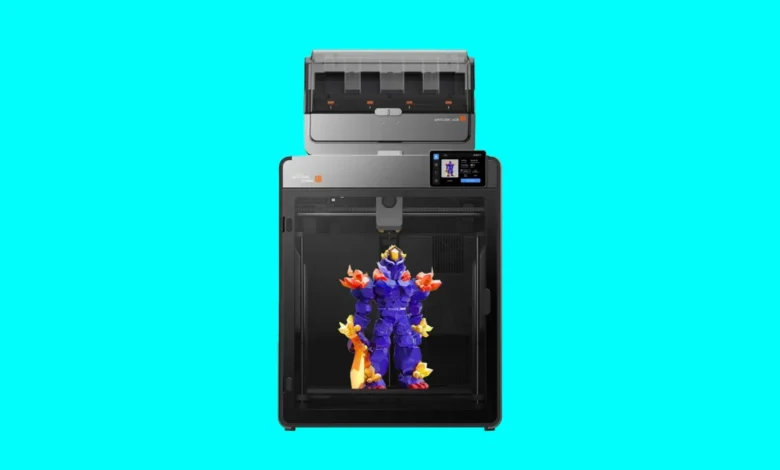
The additive manufacturing market is currently witnessing a significant pricing correction as Anycubic, a pioneer in the accessible 3D printing sector, launches its 11th anniversary celebratory sale. The event, which features discounts of up to $500 on various hardware bundles, marks a strategic milestone for the company as it attempts to lower the barrier to entry for both professional-grade resin printing and multi-material FDM (Fused Deposition Modeling) production. Among the primary highlights is a $170 reduction on the Kobra S1 ACE 2 Pro Combo, a machine designed to facilitate 16-color FDM printing, signaling a broader industry shift toward high-fidelity, multi-color home manufacturing.
A Brief History of Anycubic: Eleven Years of Evolution
Founded in 2015, Anycubic has spent the better part of the last decade disrupting the hobbyist 3D printing landscape. While the company is celebrating its 11th anniversary, its roots in the DIY electronic hardware space date back to a period when 3D printing was largely reserved for industrial engineering firms. The brand rose to prominence by democratizing Stereolithography (SLA) resin printing, an area previously dominated by expensive, proprietary systems.
The timeline of the company’s growth is punctuated by key hardware releases that defined the modern "prosumer" market:
- 2015-2016: The foundational years, focusing on entry-level DIY kits.
- 2017: The launch of the Photon series, which effectively brought high-resolution resin printing to the sub-$500 price point.
- 2020-2021: The pivot to high-speed FDM machines, culminating in the Kobra series, which integrated automated bed leveling and improved thermal management.
- 2023-2024: The current era, characterized by "smart" features such as AI-assisted print failure detection, high-speed printing capabilities (exceeding 300mm/s), and advanced material handling systems like the ACE Pro.
This anniversary sale is not merely a promotional event; it serves as a calculated effort to clear inventory ahead of a rumored transition toward more integrated, "plug-and-play" ecosystems that aim to compete with the likes of Bambu Lab and Prusa Research.
Technological Advancements in the Kobra Series
The flagship offer of this sale—the Kobra S1 ACE 2 Pro Combo—represents a significant leap in functional utility. For many years, FDM printing was limited by the "single-extruder" constraint, meaning users were forced to print in a single color unless they performed complex, manual filament swaps. The introduction of the ACE 2 Pro system allows for 16-color capabilities, achieved through an automated material changing system.
Technically, the ACE 2 Pro functions by utilizing a multi-spool buffer and a synchronized retraction mechanism. This allows the printer to cut, retract, and swap filaments at the hot-end automatically, with minimal waste—a common pain point in previous multi-material iterations. For the professional designer or hobbyist, this represents a shift from "prototype-only" printing to the creation of finished, multi-colored parts that do not require post-print painting or assembly.
Market Context and Economic Implications
The 3D printing market is currently experiencing a period of intense price sensitivity. According to recent market analysis reports from additive manufacturing research firms, the growth of the home 3D printing segment is projected to grow at a Compound Annual Growth Rate (CAGR) of approximately 18% through 2028. However, this growth is contingent upon hardware manufacturers maintaining competitive pricing while improving software stability.
The "bundle" strategy employed by Anycubic in this anniversary sale is a response to the "total cost of ownership" concerns raised by consumers. By offering discounts on bundles—which typically include the printer, extra build plates, nozzles, and various filaments—the company is effectively lowering the initial investment required to achieve professional-grade results. This is particularly relevant in the current economic climate, where consumer discretionary spending on specialized hardware is under pressure.
Strategic Analysis: The Newsletter Voucher Strategy
A notable aspect of the current sale is the inclusion of voucher packs for subscribers. By incentivizing newsletter sign-ups, Anycubic is focusing on customer retention and direct-to-consumer (DTC) marketing channels. In an industry where third-party retailers (such as Amazon) often dominate the sales funnel, Anycubic’s move to push sales through its own platform allows it to gather first-party data regarding user preferences, failure rates, and material consumption habits.
This data is crucial for the company’s R&D department. By tracking what accessories are being bundled and purchased, Anycubic can refine its future product roadmaps, focusing on the specific needs of the "prosumer" demographic—a segment that values speed, reliability, and ease of maintenance over the raw technical tinkering that characterized the early days of 3D printing.
Comparative Landscape: Resin vs. FDM
While the Kobra S1 ACE 2 Pro captures headlines for its multi-color FDM utility, the sale also encompasses Anycubic’s resin portfolio. The distinction between these two technologies remains critical for consumers:
- FDM (Fused Deposition Modeling): Best for structural, large-scale, and durable parts. The current trend is toward faster, automated, and multi-color printing.
- SLA/DLP (Resin): Remains the industry standard for high-detail, miniature, and jewelry-grade printing. Anycubic’s Photon series continues to see iteration in terms of screen resolution (moving toward 12K and 14K panels) and resin vat durability.
Industry experts observe that Anycubic’s strategy is to capture both ends of the spectrum. By discounting both the high-volume FDM machines and the high-precision resin printers, they are catering to two distinct buyer personas: the design engineer who needs quick, durable iterations, and the digital artist who requires exquisite surface finish.
Operational Considerations for Consumers
Potential buyers should remain aware of the nuances of such promotional events. While the headline figures—up to $500 off bundles—are attractive, tax and shipping regulations vary significantly by region. Anycubic, like many manufacturers in this space, operates a global supply chain, meaning that localized pricing and tax calculations can alter the final invoice.
Furthermore, consumers should consider the support infrastructure. 3D printing, despite recent advancements, remains a technical hobby that requires periodic maintenance. The value of a discounted machine should be weighed against the availability of spare parts and firmware updates. Anycubic’s decision to maintain a robust online community and technical support forum is a vital component of its longevity, as the user base relies heavily on peer-to-peer knowledge sharing to troubleshoot common issues like bed adhesion, extrusion clogs, and slicer software configuration.
The Future of Consumer Additive Manufacturing
Looking forward, the trends highlighted by this anniversary sale suggest a maturing industry. The focus is no longer on "what a 3D printer can do," but rather "how fast and reliably it can do it." As Anycubic moves into its second decade, the pressure to innovate will likely shift from hardware improvements to software integration.
Cloud-based slicing, remote monitoring via AI-driven cameras, and seamless integration with CAD (Computer-Aided Design) software packages are the next frontiers. If the 11th-anniversary sale is any indication, the company is preparing to lean heavily into this "smart factory" vision for the home user. By making the hardware more accessible through aggressive discounting, Anycubic is effectively expanding its installed base, ensuring that when the next generation of software-defined printers arrives, they already have a loyal, pre-conditioned user base ready to upgrade.
For those currently on the fence regarding the purchase of a 3D printer, the combination of technological maturation and aggressive pricing creates an optimal window for entry. Whether for prototyping, art, or small-batch manufacturing, the current promotional landscape offers a clear entry point into a technology that continues to redefine the boundaries of personal and professional fabrication. As always, prospective buyers are advised to review the specific technical requirements of their projects to ensure that the chosen printer—whether FDM or resin—aligns with their specific design objectives and workspace constraints.