The Five Best AI Video Generators of 2026: A Comprehensive Guide to Professional Creative Tools

The rapid evolution of generative artificial intelligence has fundamentally altered the landscape of digital video production, transforming what was once a highly technical, time-intensive process into a domain accessible through simple, natural language prompts. From the early, widely publicized failures of AI models attempting to animate basic human actions, the industry has reached a stage where high-fidelity, photorealistic cinematic sequences are now achievable for professional studios and independent creators alike. However, as the market matures, the challenge for professionals has shifted from simply accessing these tools to determining which models offer the necessary technical rigor, commercial viability, and cost-effectiveness for enterprise-level workflows.
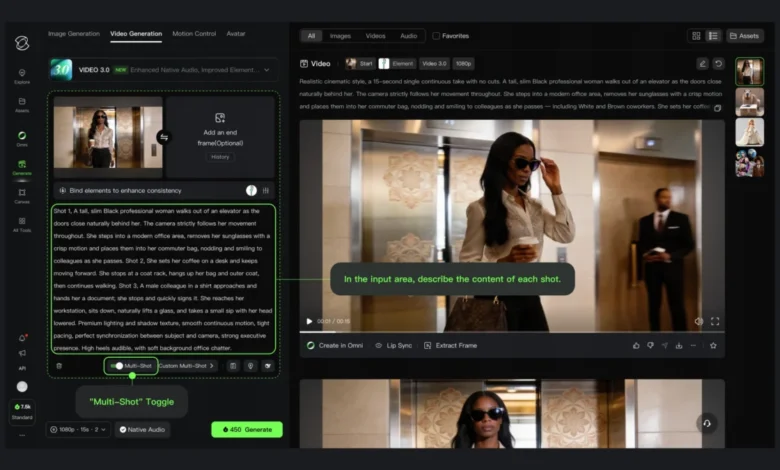
The current generation of AI video tools—led by platforms such as Adobe Firefly, Google Veo, Runway, Kling, and Hailuo—represents a departure from the experimental phase of 2023 and 2024. These platforms now offer specialized features ranging from granular camera control to native audio synchronization. For the modern video editor, the selection process is no longer defined merely by the aesthetic output of a model, but by the complexity of its integration into established post-production pipelines.
The Evolution and Chronology of AI Video Synthesis
The timeline of AI video generation is characterized by a condensed cycle of innovation. In early 2023, the public was introduced to the limitations of diffusion-based models, often highlighted by viral, distorted depictions of subjects performing basic physical tasks. By late 2023, platforms like Runway began introducing "Gen-2," which allowed for greater coherence and temporal consistency. Throughout 2024, the industry saw the integration of temporal attention mechanisms, which drastically reduced "flicker"—a common artifact in early AI video.
By 2025 and into early 2026, the focus shifted toward "prompt adherence" and "motion controllability." Models such as Google’s Veo and the updated iterations from Kling demonstrated that AI could move beyond abstract artistic generation to follow specific directorial instructions, such as camera pans, tilts, and shifts in focal depth. This transition marks the industry’s pivot from a "novelty" phase to a "production-ready" phase, where major agencies have begun incorporating AI-generated assets into commercial campaigns for retail and entertainment brands.
Adobe Firefly: The Professional Ecosystem Choice
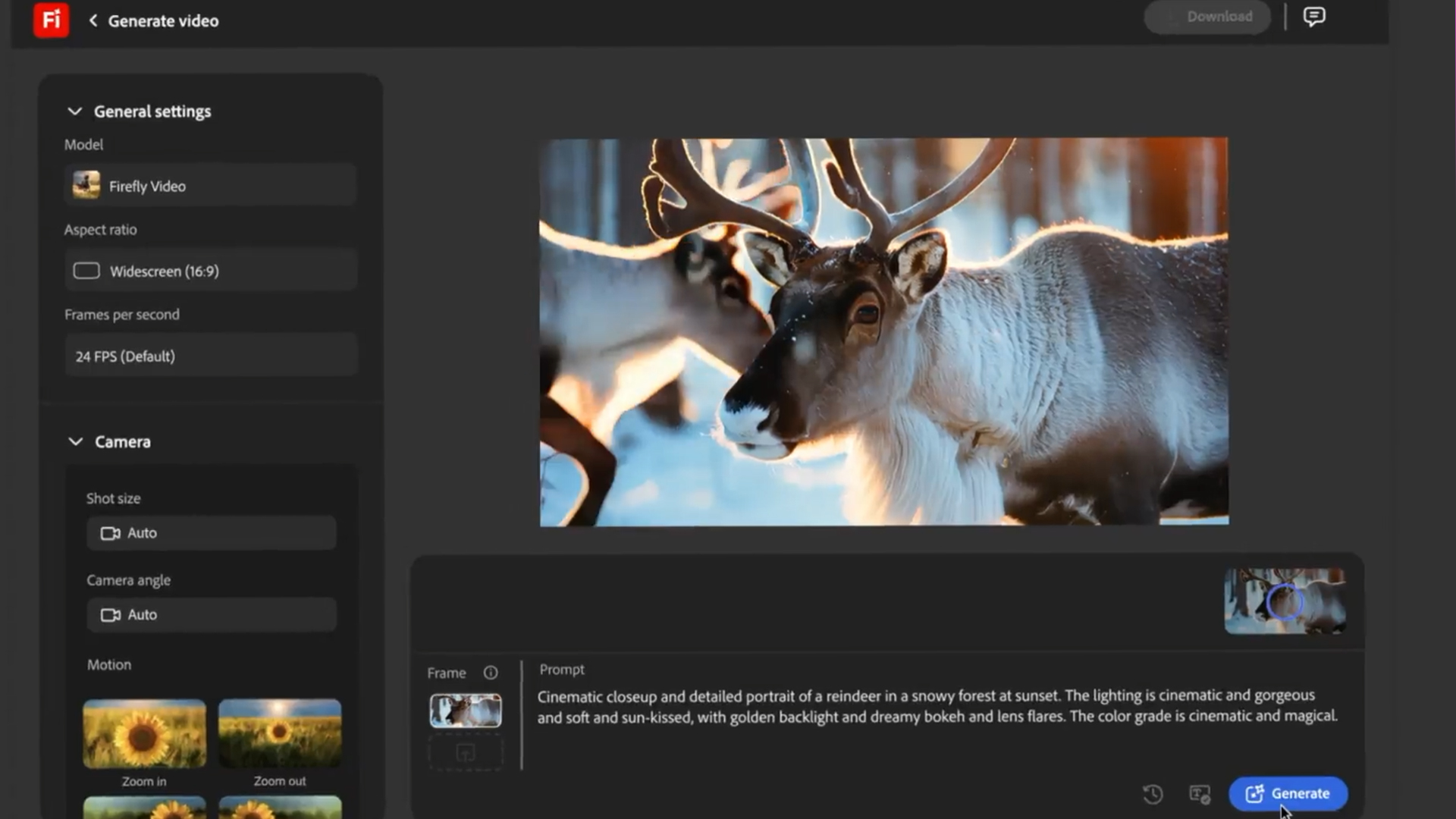
Adobe Firefly stands as the current industry standard for professional integration, primarily due to its seamless embedding within the Creative Cloud ecosystem. Unlike standalone web-based tools, Firefly allows editors to manipulate AI-generated content directly within Adobe Premiere Pro. This is a critical distinction for professionals; the ability to drag-and-drop generated clips into a timeline, apply color grading, and manage assets within the same interface reduces the "friction cost" associated with AI workflows.
Furthermore, Adobe has adopted a "model-agnostic" approach. By integrating third-party models such as Google Veo, Kling, and Runway directly into the Firefly interface, Adobe provides a centralized hub that mitigates the need for multiple subscriptions. From a commercial standpoint, Adobe’s commitment to training its models on licensed, royalty-free, or public-domain content addresses the significant legal concerns regarding intellectual property that have plagued other AI developers.
Google Veo: The Standard for Cinematic Realism
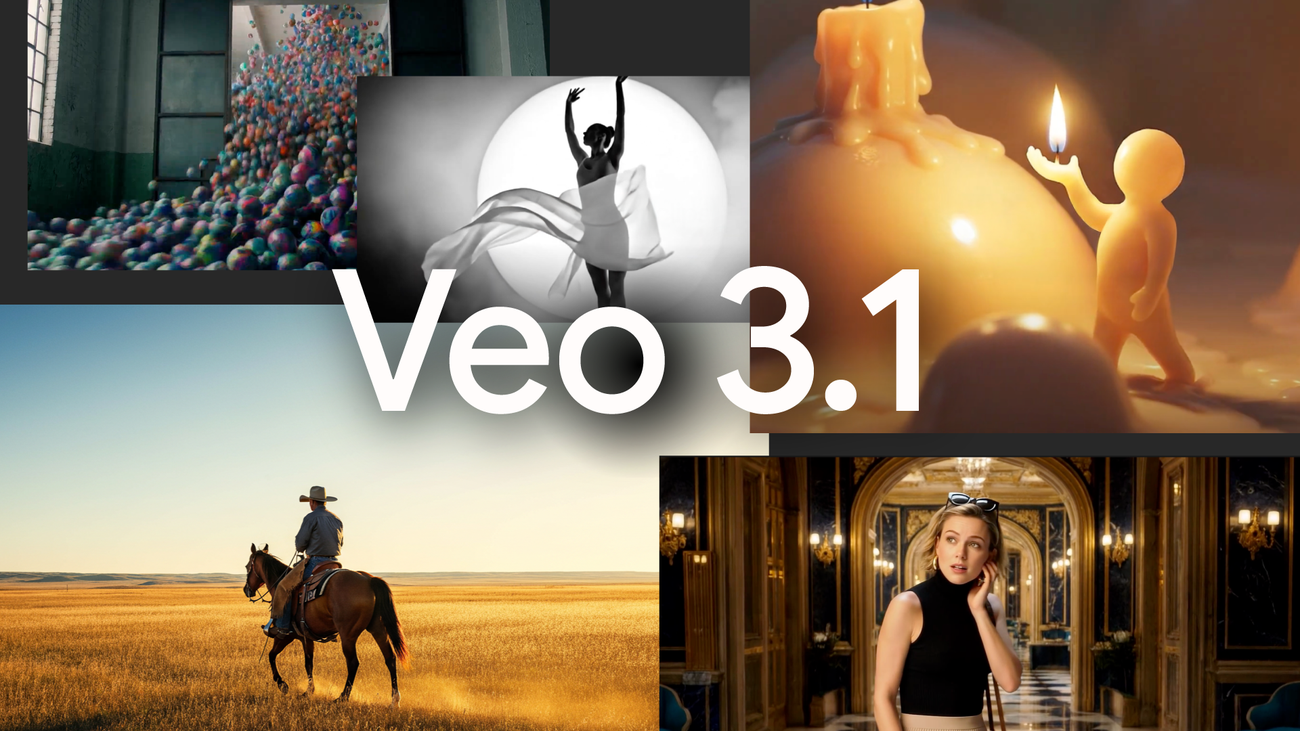
Google’s entry into the generative video space with Veo 3 has set a new benchmark for visual fidelity. In technical terms, Veo excels at "spatial-temporal consistency," meaning that the lighting, shadows, and textures remain coherent across the entire duration of a clip. This is particularly vital for filmmakers who require realistic interaction between light sources and environmental objects.
Veo’s strength lies in its sophisticated understanding of cinematography. When prompted to mimic specific camera behaviors—such as the shallow depth of field associated with a 35mm lens or the dynamic tracking of a drone shot—Veo translates these requests with high accuracy. While it remains one of the more expensive options, typically accessed via Google AI Studio or through enterprise API usage, its ability to produce "first-take" results that require minimal post-processing often makes it the most efficient choice for high-budget projects.
Runway: The Director’s Toolkit
Runway has long occupied the position of the "research-forward" platform. By prioritizing creative controls, Runway offers features that go beyond text-to-video, such as "Motion Brush," which allows users to paint specific areas of an image to designate movement, and "Inpainting," which enables the removal or replacement of objects within a frame with surgical precision.
For the professional director, Runway functions more like a digital assistant than a mere generator. The platform’s ability to handle high-resolution exports and its frequent updates to its core model architecture keep it at the forefront of the market. However, the learning curve is steeper than that of its competitors; users must understand the basics of video composition and editing to fully leverage the platform’s advanced features.
Kling and Hailuo: Democratizing Production
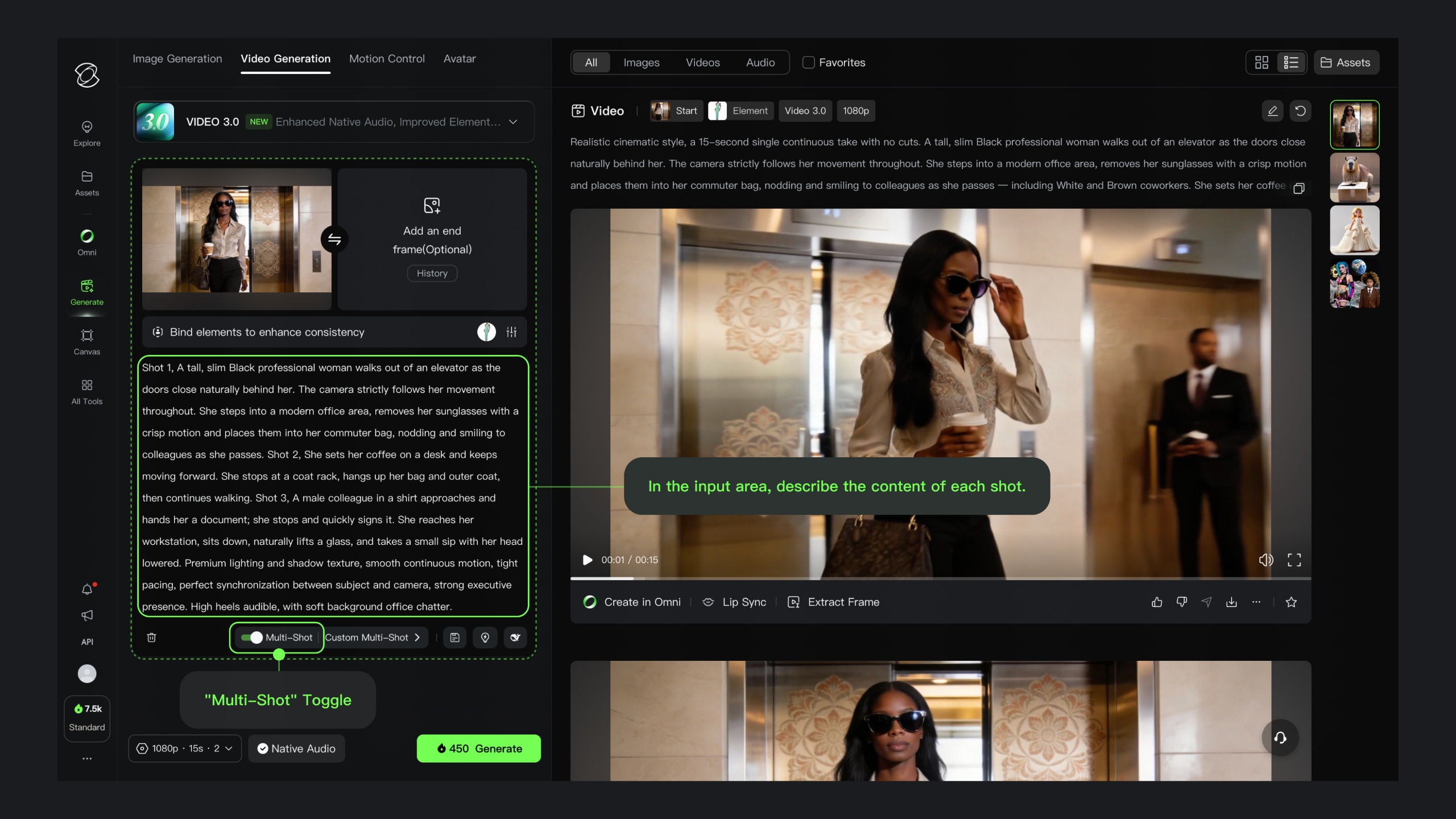
Kling, the Chinese-developed platform, has emerged as a major disruptor, particularly for creators working with tight margins. Kling’s strength lies in its superior character animation and its ability to generate longer clips compared to the industry average. By offering high-quality results at a lower price point than western counterparts, it has gained significant traction among social media creators and independent production houses.
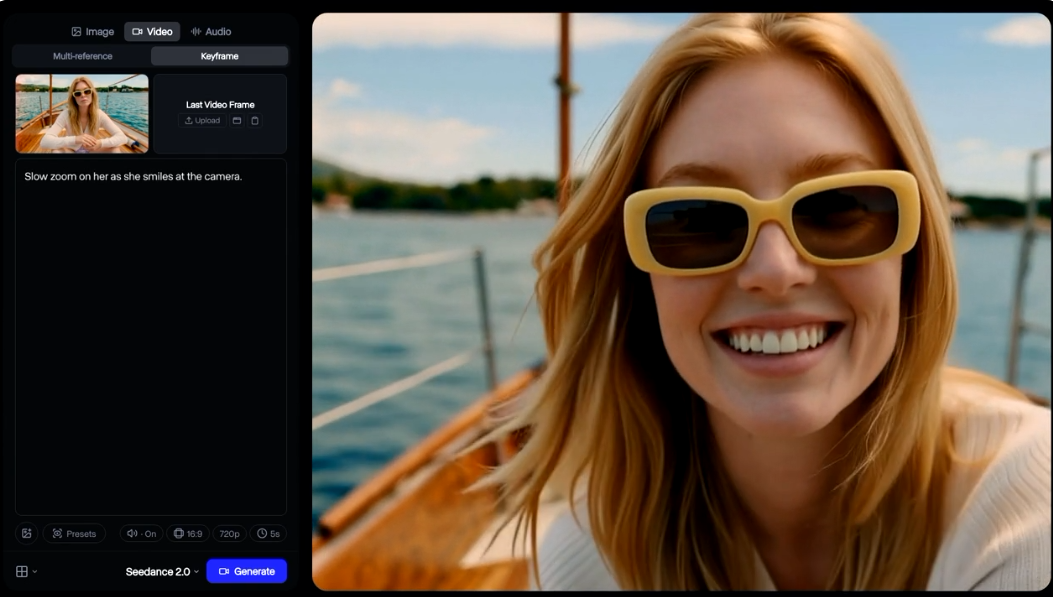
Conversely, Hailuo is increasingly recognized for its role in the "ideation phase." In the fast-paced world of advertising agencies and concept development, the ability to generate a storyboard or a rough cut of an idea in minutes is invaluable. Hailuo’s speed-first philosophy ensures that creators can iterate rapidly, test dozens of visual concepts, and select the best candidates before committing to a final, high-cost render in a more complex tool.
Economic Realities and Operational Costs
A critical analysis of the current AI video market reveals that the "subscription fee" is often a misleading metric. Most professional AI video platforms operate on a credit-based system, where costs fluctuate based on resolution, duration, and the computational intensity of the request.
For instance, a standard $10 monthly subscription may appear affordable, yet a single 5-second 1080p clip can consume anywhere from 100 to 500 credits. When factoring in the need for multiple variations—a standard practice in professional editing—a single project can quickly deplete a monthly allowance. Analysts note that businesses must account for "hidden costs," including the labor time required to manage these tools and the necessity for separate, high-end hardware for final assembly and rendering.
The Future of AI in Video Production
The trajectory of the industry indicates that we are moving toward a future of "hybrid production." This model combines traditional cinematography with AI-generated enhancements. As models become more capable of respecting continuity and character identity, the role of the editor will evolve into that of an "AI Orchestrator," responsible for curating, refining, and blending generated content with live-action footage.
From a regulatory perspective, the industry is closely watching how these models handle copyrighted data. The consensus among legal and tech experts is that platforms that provide transparency regarding their training datasets will likely dominate the enterprise market, as companies seek to avoid potential litigation. Adobe’s current strategy serves as a blueprint for this safer, more commercially viable approach.
Conclusion
Choosing an AI video generator in 2026 requires a nuanced understanding of one’s specific workflow. For the professional studio, the integration capabilities of Adobe Firefly make it the most logical investment. For the cinematic specialist, Google Veo offers unparalleled realism. For the director seeking granular control, Runway remains the gold standard. For the budget-conscious or the ideation-heavy creative, platforms like Kling and Hailuo provide the necessary flexibility to compete in a crowded media landscape.
Ultimately, the most successful creators will be those who view these tools not as automated substitutes for creativity, but as powerful extensions of the traditional filmmaking process. The technology has matured, but the requirement for a clear creative vision remains as essential as ever. Professionals must look beyond the initial subscription cost, evaluating each platform’s long-term utility, integration with existing software, and alignment with their specific production needs to effectively harness the potential of this technological revolution.
Related posts: