For decades, the digital landscape has been defined by the point-and-click paradigm. Ever since the commercialization of the Graphical User Interface (GUI) pioneered by systems like the Xerox Star and popularized by the original Apple Macintosh in the 1980s, software has demanded a heavy procedural tax from its users. Whether booking a flight, purchasing retail goods, or researching medical symptoms, individuals have been forced to navigate complex labyrinths of user interfaces. Users routinely click through cascading menus, adjust range sliders, fill out tedious multi-step forms, dismiss persistent cookie banners, and juggle dozens of browser tabs simply to cross-reference basic information. Consequently, modern digital consumers have grown accustomed to spending more time managing software architecture than actually achieving their real-world objectives.
However, this foundational contract between human and machine is undergoing a radical transformation. Propelled by rapid advancements in artificial intelligence, machine learning, and large language models (LLMs), a new generation of web tools is pioneering Intent-Driven Design. Rather than conditioning users to learn complex navigation hierarchies and execute multi-step sales funnels, these emerging platforms capture high-level human goals and silently manage the execution layer in the background. This philosophical shift builds upon longstanding human-computer interaction (HCI) concepts, most notably Golden Krishna’s thesis that "the best interface is no interface" and Don Norman’s enduring principles of human-centered design. For UX designers, software engineers, and product managers, understanding this transition requires a fundamental re-evaluation of their roles, shifting the primary focus from designing visible, static interfaces to guiding transparent, intent-driven AI experiences.

The Evolution of Interaction: From the 10-Click Process to Intent Flows
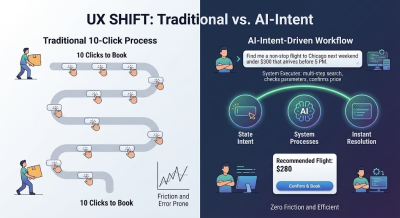
To appreciate the trajectory of contemporary web architecture, it is necessary to examine the friction that the digital industry has accepted as standard operating procedure for decades. Consider the traditional workflow involved in purchasing an airline ticket online. The process is intentionally hyper-interactive: a user must navigate to a booking aggregator, select departure and arrival cities using dropdown menus, open calendar widgets to pick specific dates, filter results by layovers and carriers using sidebars, sort by price via secondary menus, input passenger details across multiple form fields, decline optional insurance add-ons, and finally input payment credentials.
This workflow exemplifies the traditional point-and-click UI paradigm. In this dynamic, the computer functions as a passive repository of data, while the human acts as the manual orchestrator—inputting parameters, interpreting raw outputs, and executing each micro-step sequentially.
Intent-driven design completely inverts this relationship. Instead of forcing users to master the mechanics of how to find a flight, intelligent software asks a singular, direct question: What are you trying to accomplish? When a user expresses a high-level goal—such as requesting a non-stop flight to Chicago for the upcoming weekend under $300 that arrives before 5 PM—the software parses the underlying intent, executes the complex search queries across disparate databases behind the scenes, compares the variables, and presents a single, actionable resolution. The traditional ten-click workflow dissolves into one clear, intent-driven outcome.
Real-World Implementations: Platforms Replacing Buttons with Intent
This transformation is not a theoretical projection of the distant future; it is actively reshaping accessibility and productivity across the web today. Several prominent platforms have already demonstrated how intent-capturing systems can bypass traditional interface constraints.
1. Perplexity AI: Search Without Open Tabs
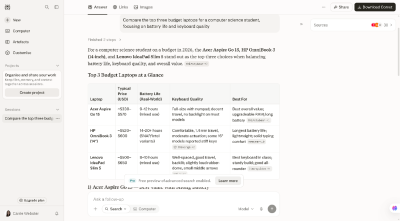
Traditional search engines were fundamentally engineered as digital directories. When users input keywords, the interface typically responded with a list of links, leaving the cognitive labor of opening multiple tabs, skimming dense articles, evading advertisements, and manually synthesizing answers entirely to the user. Platforms like Perplexity AI utilize intent-based search architecture to bypass this friction. Instead of navigating multiple links, the interface synthesizes contextually tailored answers directly, retrieving and structuring information into unified responses or comparison tables on demand.
2. Vercel v0: Generative UI Without Drag-and-Drop Builders
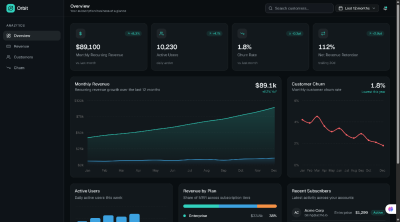
For years, digital design and front-end development relied on visual builders, wireframing software like Figma, and manual drag-and-drop editors. Designers spent countless hours drawing bounding boxes, selecting hexadecimal color codes, adjusting padding values, and writing cascading style sheets. Generative UI platforms such as Vercel v0 allow creators to bypass these manual steps entirely. By inputting natural language prompts describing a desired layout—such as a responsive SaaS dashboard with specific metrics—the system generates functional UI components and clean code on the fly.
3. Goblin.tools: Streamlining Overwhelming Tasks
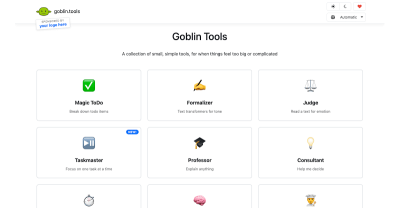
Traditional productivity tools often require users to manually construct task hierarchies, drag items across complex Kanban boards, and configure rigid deadlines. Applications like Goblin.tools offer specialized, single-task AI utilities tailored to help users—particularly neurodivergent individuals or those experiencing executive dysfunction—break down overwhelming projects. Users input a vague objective, and the tool autonomously generates a granular, step-by-step checklist without requiring configuration or account creation.
Core Pillars of Intent-Driven Web Design
As designers and engineers dismantle traditional menus, sidebars, and form fields, maintaining usability requires a new set of foundational design principles. Industry pioneers relying on intent-driven frameworks adhere to three core pillars:
| Pillar | Traditional UX Approach | Intent-Driven UX Approach |
|---|---|---|
| User Input | Micro-actions (Clicks, dropdowns, toggles) | High-level goals (Natural language, context, habits) |
| Interface State | Static layouts (Universal pages for all users) | Generative UI (Dynamic components rendered on the fly) |
| Task Execution | Manual execution overseen step-by-step by the user | Autonomous execution managed by background AI agents |
High-Level Goals and Contextual Awareness
Invisible and intent-driven interfaces do not always wait for explicit text commands; they increasingly leverage ambient context to anticipate user needs. Guided by human interface guidelines on contextual design, modern software evaluates environmental metadata—such as device states, geographic locations, and historical interaction patterns—to trigger proactive utility. For instance, a travel application might surface boarding passes and gate change notifications automatically upon arrival at an airport, eliminating the need to search through emails or open specific ticketing apps.
Generative UI and Dynamic Rendering
In conventional web design, digital properties maintain static layouts. An e-commerce platform displays identical navigation bars regardless of whether a visitor requires urgent customer support or is merely browsing products. Generative UI shifts computing from command-based interaction to outcome-specification. Because interfaces are rendered dynamically based on immediate user intent, systems can generate specialized widgets—such as a customized financial calculation matrix or a targeted comparison chart—that appear when needed and recede once the objective is met.
Autonomous Execution by AI Agents
Traditional software is obsessed with error prevention, frequently interrupting workflows with precautionary modal pop-ups demanding confirmation before performing actions. Intent-driven interfaces adapt usability heuristics by shifting safety nets from rigid prevention to seamless reversibility. Because autonomous agents execute multi-step tasks on behalf of the user, platforms prioritize frictionless rollback mechanisms. Prominent undo buttons, conversational revision prompts, and transparent audit logs replace intrusive warning dialogs.
Ethical Challenges, Risks, and the Black Box Problem
While eliminating digital friction offers profound efficiency gains, removing visible controls introduces significant ethical, psychological, and technical challenges. When software operates on inferred intent rather than explicit point-and-click commands, designers must navigate critical pitfalls.
The Illusion of Control and Invasive Automation
When digital systems make automated decisions on behalf of users, software can easily cross the boundary from helpful to patronizing or invasive. Human-computer interaction research from academic institutions and
digital ethics organizations emphasizes that automation must maintain strict boundaries to prevent user alienation. Product designers are tasked with striking a delicate balance: automating routine execution while explicitly prompting users for confirmation on high-stakes actions, such as financial transactions, public data publishing, or critical privacy modifications.
The Black Box Problem and Trust Calibration
In traditional user interfaces, unexpected outcomes are easily diagnosed—such as checking an incorrect filter box or selecting a wrong calendar date. In intent-driven interfaces, troubleshooting can be obscured by the complexity of the underlying model. To combat this "black box" dilemma, research guidelines from AI usability groups advocate for transparent feedback loops. Systems must explicitly articulate their interpretation of a user command—such as displaying text confirming it is searching for specific criteria—allowing users to calibrate trust and correct misinterpretations instantly.
Industry Implications and the Future of UX
The evolution toward intent-driven web design forces a re-evaluation of the metrics that define digital success. For decades, the technology sector measured product viability through engagement metrics such as time spent in-app, click-through rates, and page views per session. Digital properties were deliberately engineered to maximize visual engagement and interaction volume.
The philosophy championing "no interface" design turns these legacy metrics upside down. The ultimate benchmark of a modern digital product is no longer how visually captivating its buttons are, but rather how effectively the software solves a problem and gets out of the user’s way. As the digital ecosystem transitions toward ambient, agent-driven tools, the future of the web will no longer be measured by the complexity of its interaction models, but by the seamless, invisible completion of human intent.