Five Global Architecture and Interior Design Projects Win Top Honors at the 21st Annual Shaw Contract Design Awards

From a biophilic Japanese workspace featuring furniture crafted from tsunami debris to a meticulously restored historic concert hall in the United States, the 21st annual Shaw Contract Design Awards has announced its prestigious "Best of Globe" winners. Celebrating interior spaces that spark creativity, foster community connections, and advance sustainable design principles, this year’s program highlights how diverse spatial typologies—ranging from corporate legal offices to athletic clubhouses—are redefining modern interior architecture.
Selected from a competitive pool of nearly 550 global submissions, the five winning projects represent a cross-section of international design excellence. Evaluated by an independent, international jury of prominent architects, interior designers, and emerging student talents, the winning schemes successfully bridge conceptual intent with physical execution.
Main Facts and the 2026 Best of Globe Winners
The 2026 edition of the Shaw Contract Design Awards recognized five standout projects for their exceptional spatial planning, material innovation, and responsiveness to local context. The winning projects span four countries and cover a diverse array of sectors:
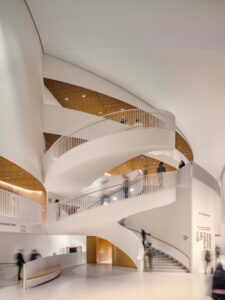
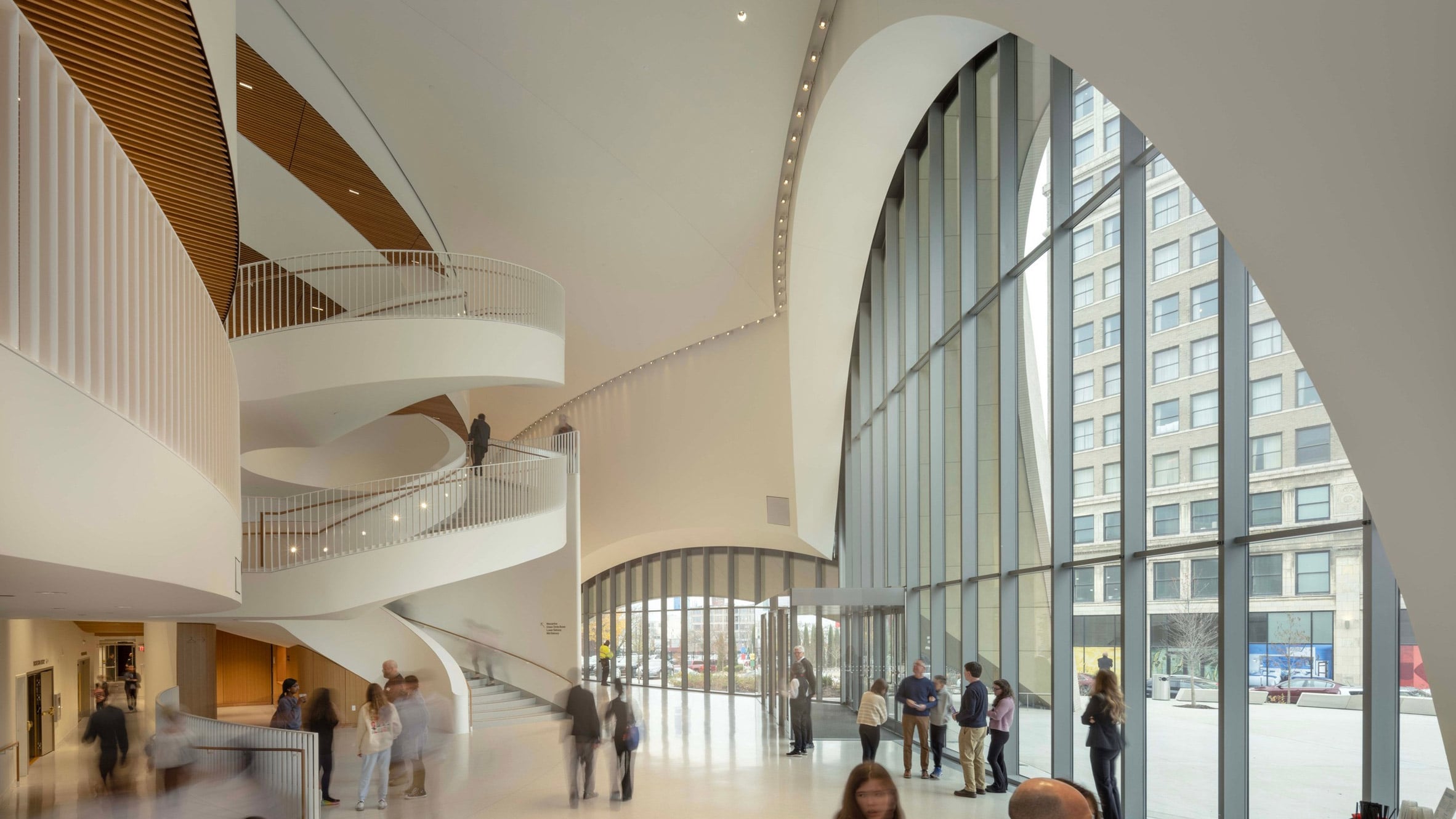
- St. Louis Symphony Orchestra Powell Hall (St. Louis, USA) – Designed by Christner Architects (with historic preservation and architectural enhancements led alongside CannonDesign), this major cultural overhaul revitalized a historic landmark. The jury commended the project for its sensitive integration of modern performance standards and improved public accessibility while respecting its rich architectural heritage.
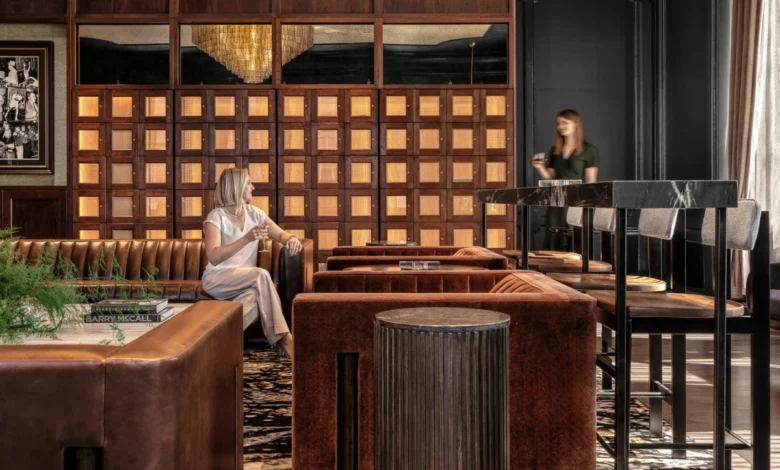
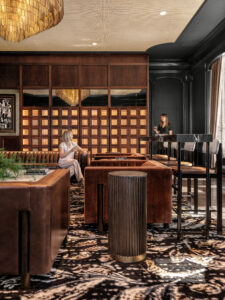
- Missouri Athletic Club (Missouri, USA) – Designed by HOK, this comprehensive clubhouse renovation transformed a historic private institution. Rather than treating the past as a static museum piece, the design team layered contemporary layouts and dynamic aesthetics onto the club’s existing structural framework.
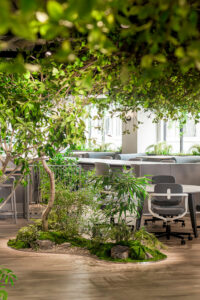
- We Labo 25F (Japan) – Designed and occupied by the Okamura Corporation, this compact workspace serves as a masterclass in biophilic and circular design. The interior mimics the experiential quality of working beneath a tree canopy while incorporating sustainable elements, such as furniture fabricated from reclaimed tsunami debris.
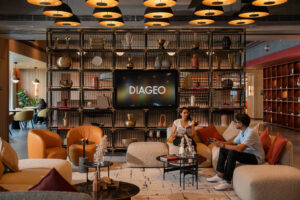
- Diageo Gurugram Workplace (Gurugram, India) – Designed by M Moser Associates, this sprawling 7,700-square-foot corporate office spans three floors and accommodates over 300 employees. More than half of the floor plate is dedicated to communal and hospitality zones, reflecting a shift toward people-first workplace strategies.
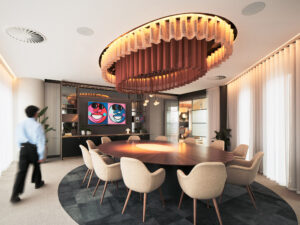
- DLA Piper Office (Leeds, United Kingdom) – Designed by Sheppard Robson, this prominent legal workplace challenges traditional corporate aesthetics. By prioritizing employee well-being, varied work settings, and warm, tactile material palettes, the design successfully humanizes a traditionally austere corporate sector.
Background and Evolution of the Shaw Contract Design Awards
Established over two decades ago by global flooring manufacturer Shaw Contract, the annual design awards program has grown into a respected benchmark within the international interior architecture community. The initiative was originally conceived to recognize visionary projects that utilize innovative flooring solutions and thoughtful spatial design to improve the human experience.
Over the past 21 years, the program has expanded its scope to reflect broader shifts in the architecture, engineering, and construction (AEC) industry. While early iterations primarily focused on aesthetics and material durability, contemporary evaluations place heavy emphasis on environmental sustainability, circular economy principles, inclusive design, and occupant health and wellness.
A key milestone in the awards’ recent history is the active inclusion of interior design students on the international judging panels. By integrating the next generation of creative talent into the evaluation process, Shaw Contract aims to foster cross-generational dialogue and ensure that emerging perspectives on climate resilience and technological integration are represented at the highest levels of industry recognition.
Rigorous Evaluation and Selection Chronology
The journey to the Best of Globe title is a multi-stage evaluation process spanning several months. The timeline typically unfolds across the following phases:
- Submission Window: Architects and interior designers from around the world submit completed projects that utilize Shaw Contract products, accompanied by detailed design narratives, floor plans, and professional photography. Nearly 550 submissions were received for the 2026 cycle.
- Best of Region Selection: An initial panel reviews regional submissions, selecting top projects from North America, Latin America, Europe, the Middle East, Africa, Asia-Pacific, and Greater China.
- Global Jury Deliberation: The Best of Region winners advance to the final international judging round. During this phase, the jury assesses projects based on a unified set of criteria: clear design narratives, contextual relevance, inclusive user experiences, and responsible material sourcing.
- Announcement of Best of Globe: The ultimate winners are officially announced, earning global media visibility, industry prestige, and a charitable donation made by Shaw Contract to a non-profit organization of the winners’ choice.
Official Statements and Jury Insights
The international jury emphasized that the 2026 winning projects were unified by intellectual rigor rather than stylistic conformity. Despite the vast differences in scale—ranging from a 7,700-square-foot corporate campus in India to a localized biophilic workspace in Japan—each winning scheme demonstrated a clear relationship between conceptual intent and built reality.
"Throughout the global judging session, the jury returned to a central question: whether each project’s stated intent was visible and understandable in the completed design," representatives from Shaw Contract explained in an official statement. "The panel distinguished between attractive spaces and projects that used planning, materials, detail, and experience to communicate a clear and consequential idea."
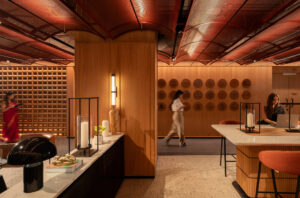
Design teams also underscored the importance of community and adaptability. For instance, M Moser Associates highlighted that dedicating over 50 percent of the Diageo Gurugram Workplace to shared hospitality and collaborative zones was a direct response to post-pandemic corporate demands, where offices must offer experiences that remote work cannot replicate. Similarly, Sheppard Robson’s work on the DLA Piper office in Leeds sought to dismantle the sterile image of corporate law firms by introducing tactile, warm materiality that encourages informal collaboration.
Broader Industry Implications and Future Trends
The success of the 2026 Best of Globe winners signals several dominant trajectories currently shaping the global interior design landscape:
1. The Mainstreaming of Biophilic and Circular Principles
Projects like Japan’s We Labo 25F illustrate that sustainability is moving beyond energy efficiency into material provenance and circularity. Utilizing reclaimed elements—such as tsunami debris transformed into functional furniture—demonstrates a growing industry commitment to waste reduction and regional resource stewardship. Furthermore, biophilia is increasingly treated as an integral spatial framework rather than a superficial decorative addition.
2. The Evolution of Corporate Hospitality
The commercial office sector continues to undergo a fundamental metamorphosis. As remote and hybrid work models remain prevalent, corporate interiors must compete with the comfort of home. Winning projects like Diageo and DLA Piper prove that modern workplaces are adopting hospitality-driven models, prioritizing employee wellness, acoustic comfort, and flexible breakout zones over rigid desk counts.
3. Heritage Preservation and Adaptive Reuse
The recognition of cultural and institutional projects, such as the St. Louis Symphony Orchestra Powell Hall and the Missouri Athletic Club, underscores the growing imperative of adaptive reuse over demolition and new construction. By layering contemporary programmatic needs onto historic structures, architects are reducing embodied carbon while preserving the cultural identity of urban centers.
By honoring these diverse achievements, the Shaw Contract Design Awards continue to provoke vital discussions within the international creative community, charting a course toward a more resilient, empathetic, and thoughtfully crafted built environment.