The Future of Out of Home Advertising in the Era of Augmented Reality and Smart Wearables


The integration of augmented reality (AR) technology into consumer-facing smart glasses is poised to fundamentally alter the landscape of urban environments, shifting the role of traditional out-of-home (OOH) advertising from static displays to interactive, digital experiences. As global technology firms continue to refine lightweight, wearable AR hardware, the advertising industry is anticipating a paradigm shift that could transform every billboard, transit shelter, and poster into a high-utility digital portal. This transition represents a significant departure from the passive consumption models that have defined the outdoor advertising sector for over a century.
The Evolution of Outdoor Advertising: From Static to Immersive
For decades, the OOH advertising industry has operated on the principle of interruption and visibility. Physical billboards rely on high-traffic locations to capture the attention of passing commuters, serving as broad-reach brand awareness tools. While the introduction of digital billboards in the early 2000s allowed for dynamic content and scheduling flexibility, the fundamental engagement model remained unchanged: the consumer observes the advertisement, but they do not interact with it in a digital capacity.

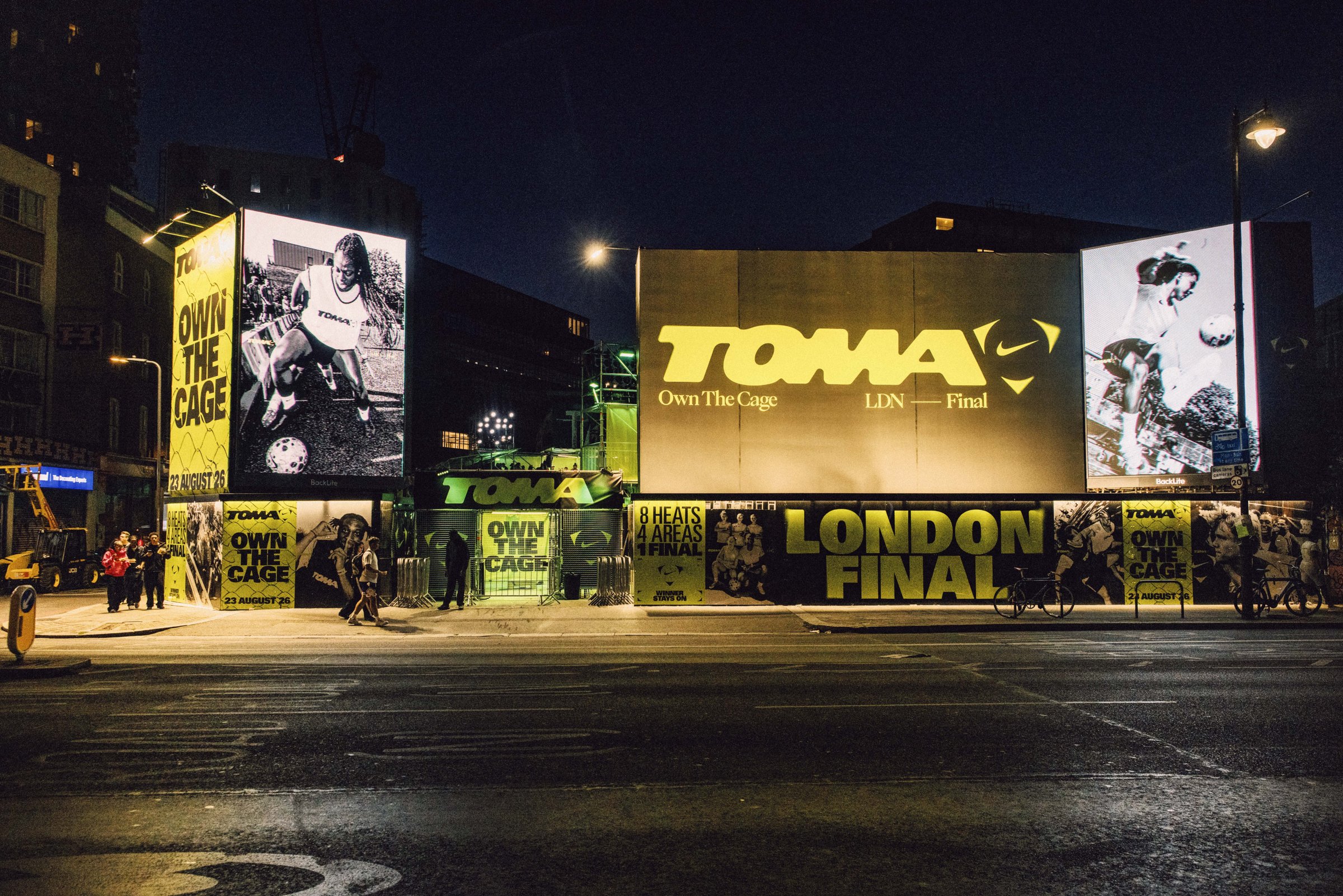
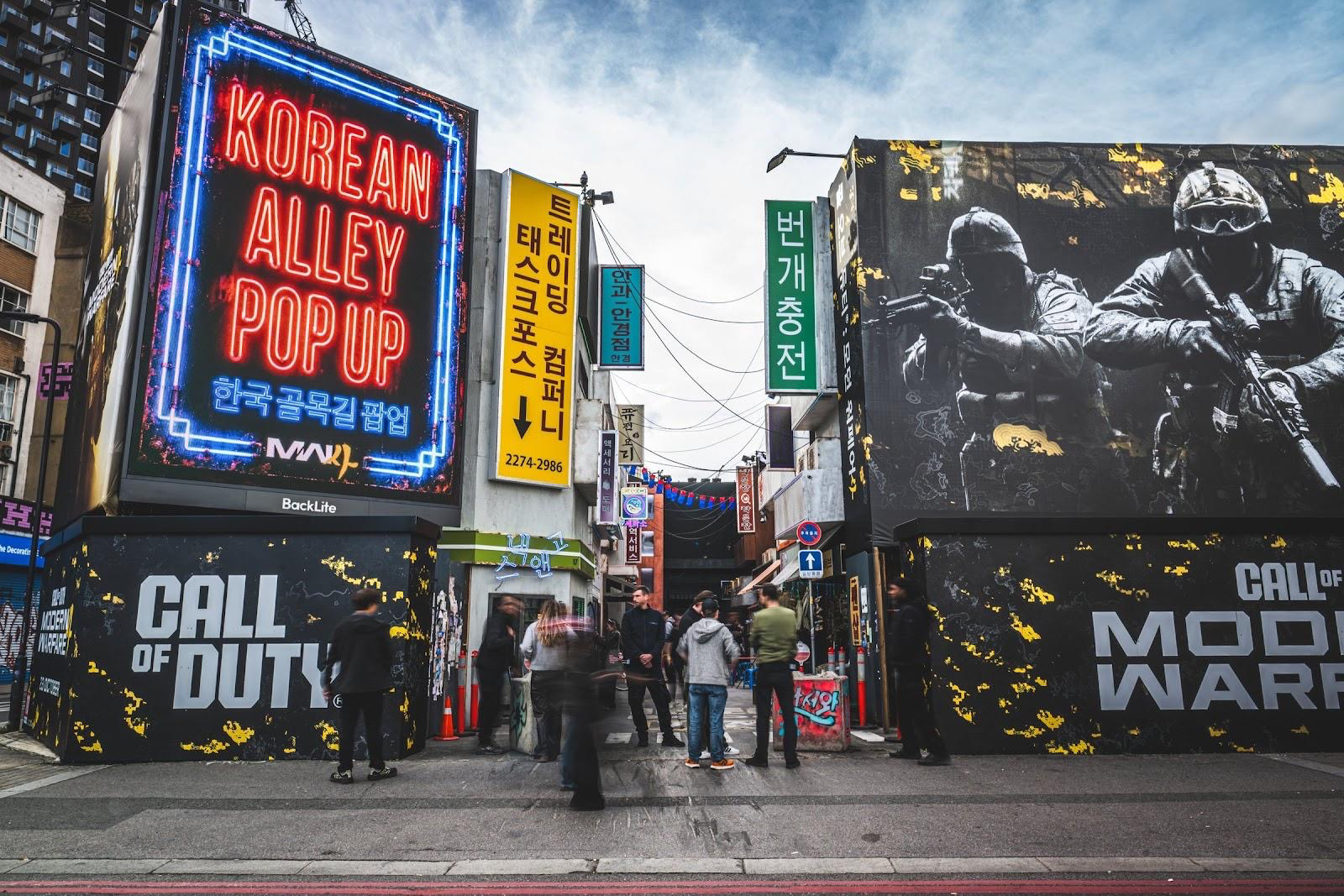
Recent initiatives, such as the Electric Garden installation on Shoreditch High Street in London, have demonstrated an industry-wide desire to bridge the gap between physical space and digital engagement. Electric Garden, a 21,000-square-foot site, serves as a testbed for experiential marketing. By combining high-impact digital screens with fully immersive physical environments—such as the activation for Activision’s Call of Duty: Modern Warfare 4, which recreated a Seoul-inspired alleyway—brands have begun to acknowledge that physical presence is most effective when it encourages active participation.
The Role of Smart Wearables in the AR Ecosystem
The development of AR-enabled glasses serves as the missing link between the physical billboard and the digital information layer. Industry analysts predict that as these devices achieve mass-market adoption, they will provide a persistent overlay of information to the user’s field of vision. Unlike smartphones, which require the user to divert their attention away from the environment to a screen, smart glasses are designed to augment the user’s existing view.
In this context, a billboard is no longer just a static image; it becomes a trigger for localized content. An AR-enabled viewer looking at a movie advertisement could, through a glance or a voice command, trigger an immediate action: the playing of a trailer, the retrieval of local showtimes, or the generation of turn-by-turn navigation to the nearest cinema. This shift moves the OOH industry from a "reach" metric to a "utility" metric, where the billboard provides actionable value to the consumer in real-time.

Technological Readiness and Market Trends
Market data from firms like Gartner and IDC indicate that investment in wearable AR hardware is accelerating, with compound annual growth rates for the XR (Extended Reality) sector projected to remain high through 2030. While initial adoption has been concentrated in enterprise and industrial sectors—such as logistics, remote technical assistance, and medical training—the pivot to consumer-grade hardware is underway.
The technical requirements for this transition are significant. To provide a seamless experience, billboards must become "smart" objects. This involves the integration of low-latency connectivity, such as 5G and future 6G networks, which enable the synchronization of digital overlays with physical structures. Furthermore, the development of computer vision models allows AR glasses to recognize physical objects and anchor digital content to them with high precision, ensuring that the overlaid information does not drift as the user moves.
Chronology of Innovation in OOH
- 1920s–1950s: The rise of standardized highway billboards in North America and Europe, cementing the dominance of static print advertising.
- 2000s: The emergence of digital out-of-home (DOOH) screens, allowing for time-of-day targeting and motion graphics.
- 2010s: The rise of mobile-integrated advertising (e.g., QR codes, NFC), which saw limited success due to the friction of interacting with a mobile device while in motion.
- 2020–2024: The introduction of experiential sites like Electric Garden, emphasizing deep immersion and social media shareability.
- 2025 and Beyond: The projected integration of AR hardware as a standard interface, enabling persistent digital layers over urban infrastructure.
Industry Perspectives and Ethical Considerations
Industry leaders have noted that while the potential for engagement is vast, the complexity of design will increase significantly. Advertisers will need to move away from "one-size-fits-all" creative assets and toward modular, context-aware content. Alex Ezen, co-founder of Electric Garden, suggests that while screens are effective at capturing attention, the future of the medium relies on giving the audience a "reason to stop, take part and share."

However, the transition also brings concerns regarding digital privacy and public space clutter. As AR overlays become common, regulators will likely face questions regarding the "digital rights" to public spaces. If one company purchases a billboard, do they have the right to broadcast digital information into the peripheral vision of every person who walks past it, even those not interested in the product? The potential for "digital ad-blocking" or "content filtering" by the operating systems of AR glasses is a looming debate that will pit advertisers against consumer privacy advocates.
The Economic Implications for Urban Planning
The integration of smart tech into billboards will likely drive a significant increase in the valuation of premium urban ad sites. As billboards transition from passive displays to interactive service nodes, their role in the urban economy will shift. They may become infrastructure components that provide transit updates, public safety information, or tourist navigation, with advertising serving as a revenue stream that funds these public services.
This evolution mirrors the transformation of the internet from a static library of text to a dynamic, transactional platform. Just as the web became a space for commerce, interaction, and data exchange, the physical city is being prepared to function as a "layered" environment. For designers and architects, this means the physical appearance of a billboard is only half the battle; the "digital twin" of the billboard—the code, the interaction design, and the AR asset—becomes equally important.
Challenges in Scaling AR Adoption
Despite the optimism, significant hurdles remain. Battery life, weight, and the social stigma associated with wearing camera-equipped glasses in public are factors that have hampered the adoption of predecessors like Google Glass. Furthermore, the need for a unified standard for AR content delivery is critical. If every billboard requires a proprietary app to interact with, the friction will be too high for the average consumer to engage.
The industry is looking toward open-source standards and web-based AR (WebAR) as the likely solution. By using browser-based technologies, billboards could communicate with any AR device without the need for siloed software. This would standardize the user experience and ensure that a wide range of devices can interact with urban infrastructure uniformly.
Conclusion: A New Frontier for Urban Engagement
The future of outdoor advertising is not merely a digital version of the past, but a fundamental expansion of how humans interact with their environment. While the transition from looking down at smartphones to looking up at an augmented world is still in its infancy, the foundational elements—high-speed data, precise object tracking, and creative experiential installations—are already being laid.
As we move toward a future where our spectacles provide a layer of utility over the physical world, the role of the billboard will be redefined. It will no longer be a static sign on a street corner, but a gateway to a broader, more interactive urban experience. The challenge for the next generation of designers and technologists will be to balance this potential for commercial engagement with the preservation of public space, ensuring that the digital overlay adds value rather than merely increasing the noise in an already saturated urban environment. Through careful implementation and a focus on user utility, the "billboard you can walk into" may eventually become the "billboard that talks back," changing the way we perceive and navigate the cities of the future.