Fernando Mastrangelo: Territories Explores the Intersection of Geopolitical Conflict and Fine Art at Cristina Grajales Gallery

The Hudson Valley-based artist and designer Fernando Mastrangelo has unveiled his latest body of work, a poignant collection titled Territories, currently on view at the Cristina Grajales Gallery in New York. This exhibition serves as a deliberate interrogation of the sociopolitical forces that transform natural landscapes into flashpoints of human greed and nationalistic ambition. By bridging the gap between functional furniture design and conceptual fine art, Mastrangelo invites viewers to engage with the complex histories of lands currently defined by political instability, territorial disputes, and displacement.
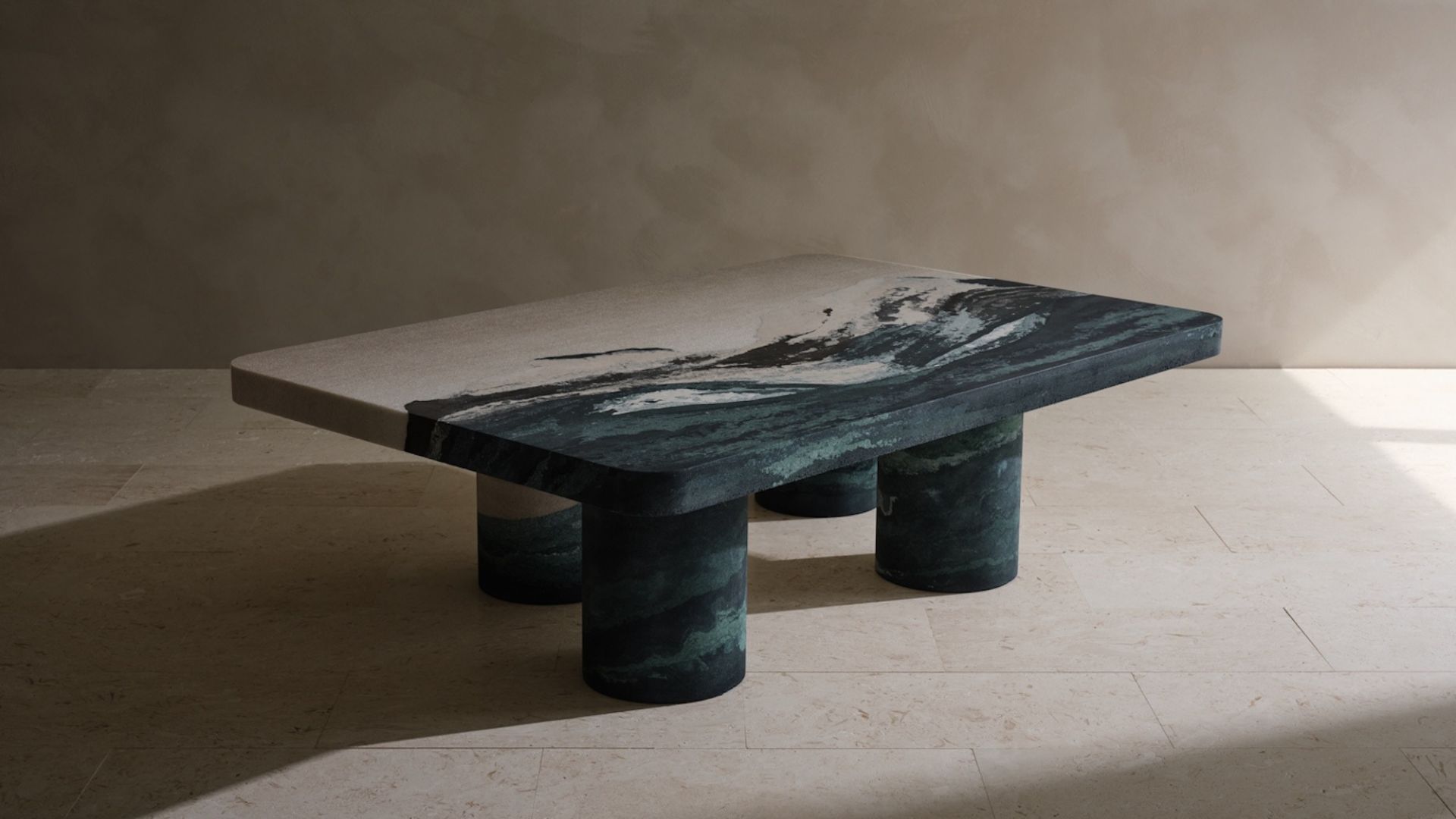
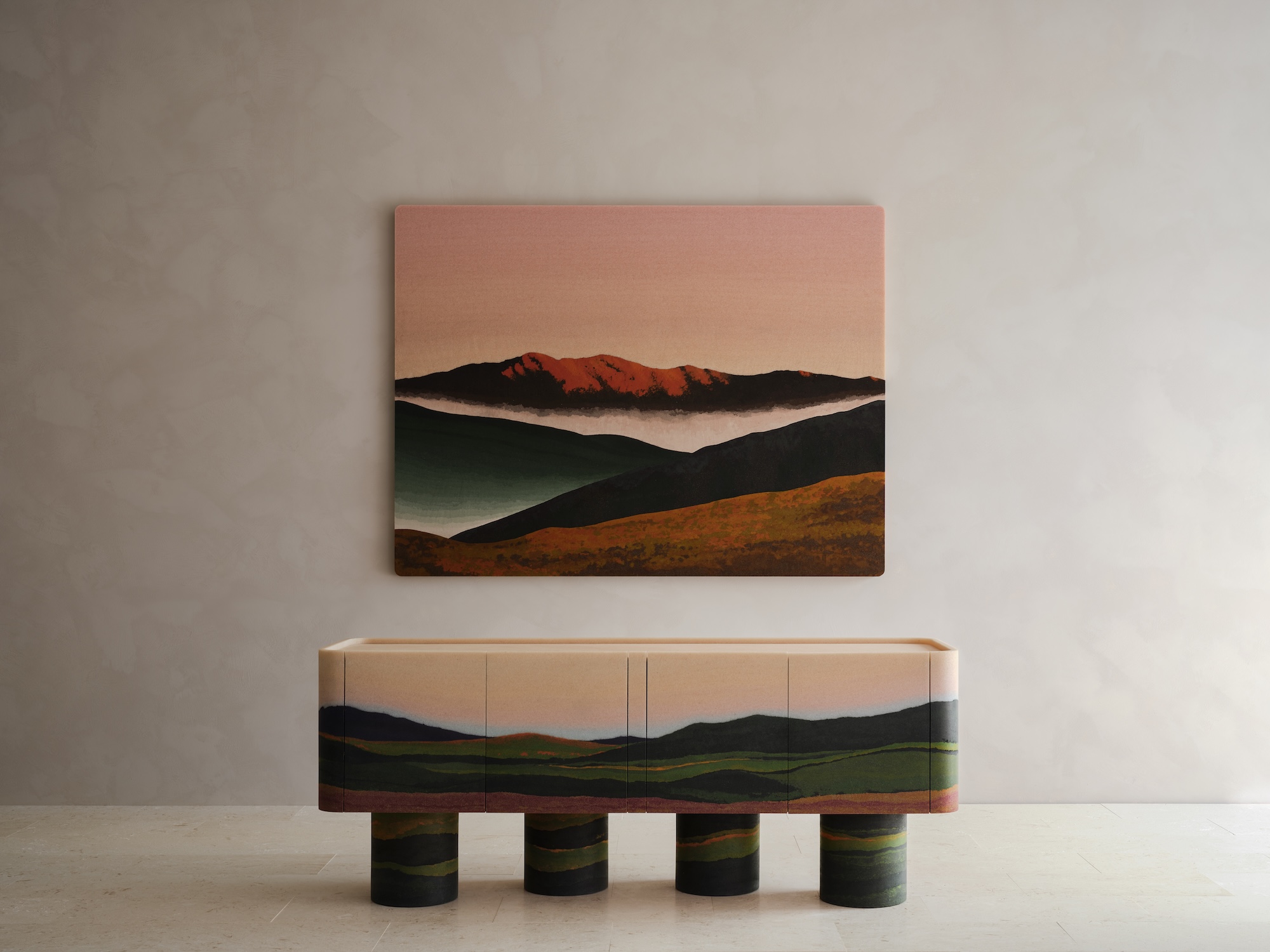
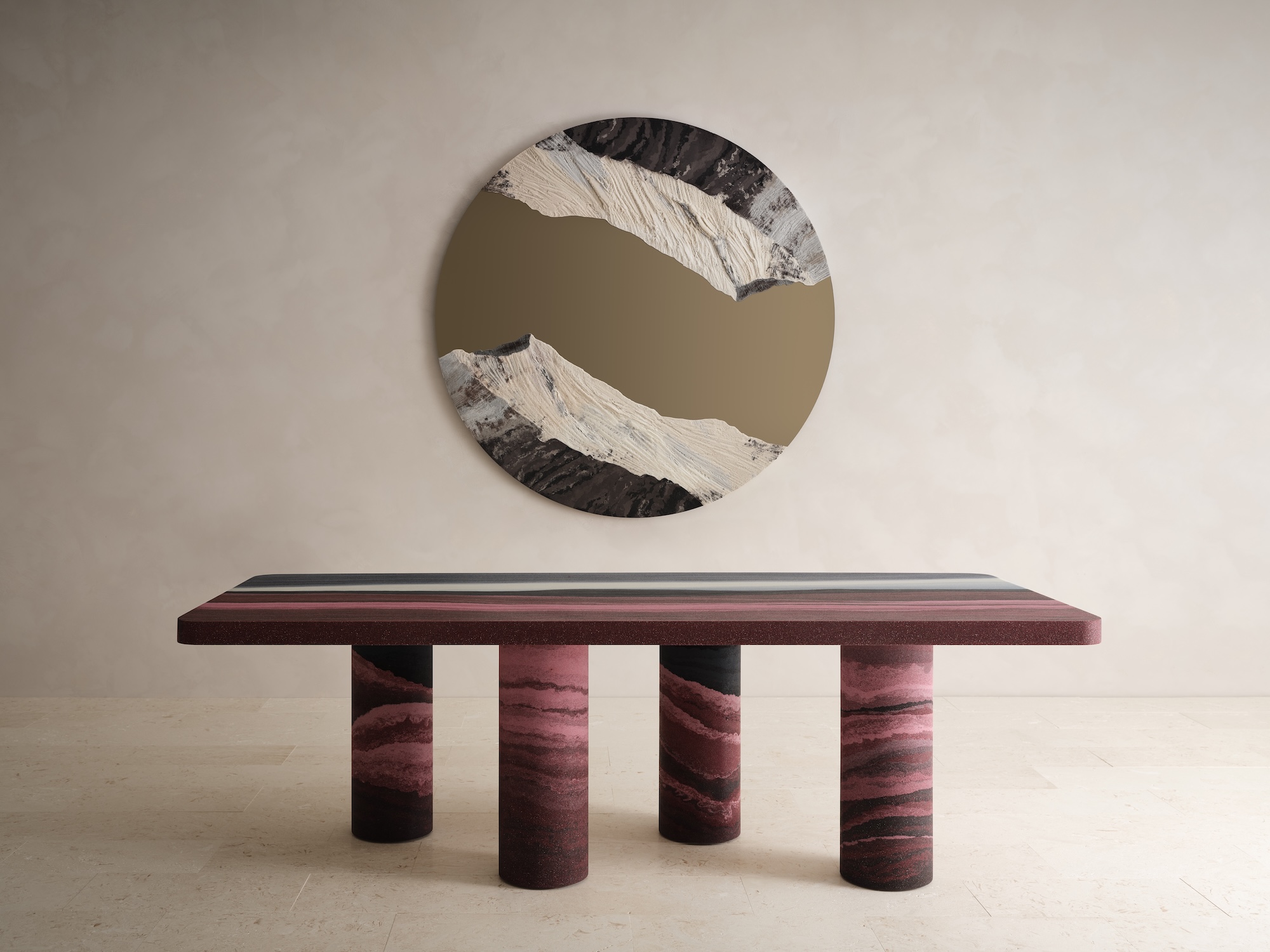
The exhibition features an array of meticulously crafted pieces—including tables, cabinetry, and mirrored paintings—that utilize the earth itself to depict the topography of contested regions. The collection marks a significant evolution in Mastrangelo’s practice, which has long been characterized by its responsiveness to environmental and political shifts. A decade ago, his work drew critical attention for its commentary on rising sea levels and melting glaciers, manifested through a series of rugs with "oozing" motifs. His current focus, however, shifts from global environmental degradation to the specific, human-driven carving of the globe into zones of ownership and exclusion.
The Genesis of a Concept: From Greenland to Global Conflict
The conceptual framework for Territories took root several years ago, spurred by the United States government’s public expression of interest in acquiring Greenland. This unexpected diplomatic overture served as a catalyst for Mastrangelo to re-examine the concept of land ownership in the 21st century.
"I’ve always made work about landscapes in different ways," Mastrangelo noted in a recent interview. "The question that drives this show is: what makes a territory contested? And how does that status turn a landscape into a physical manifestation of human desire and conflict?"
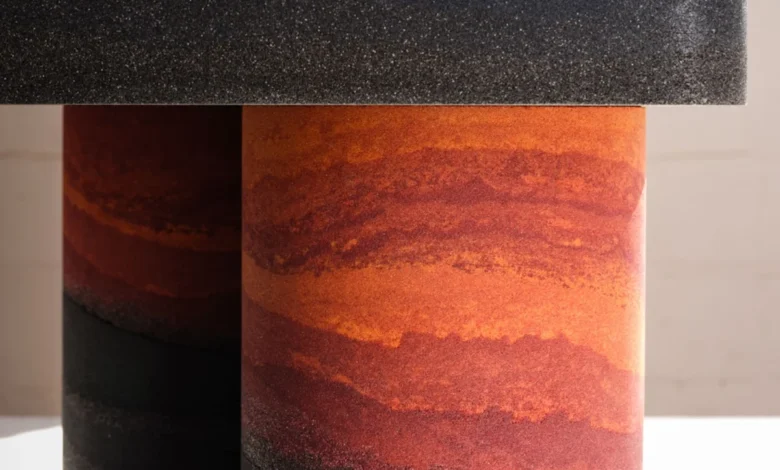
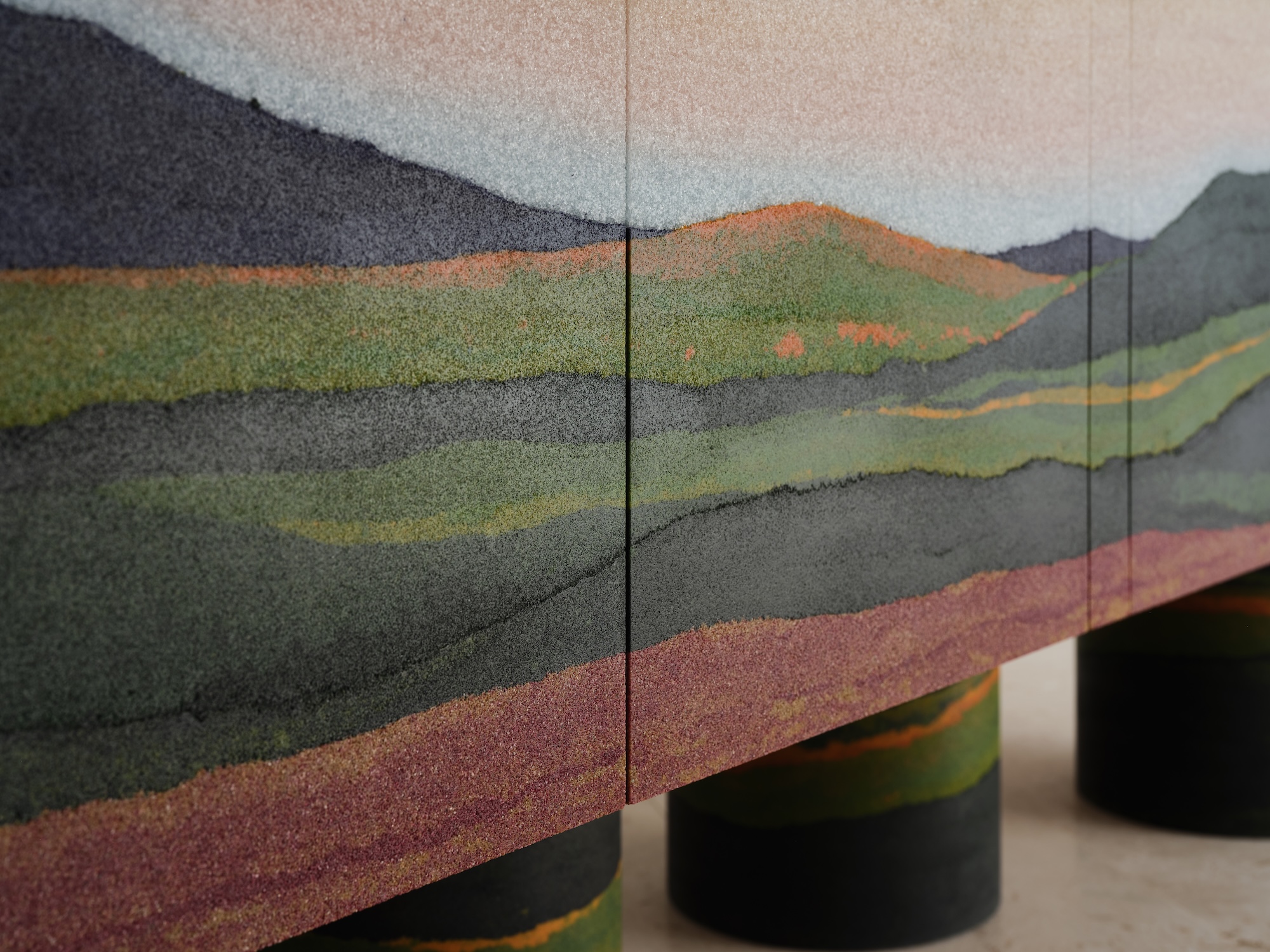
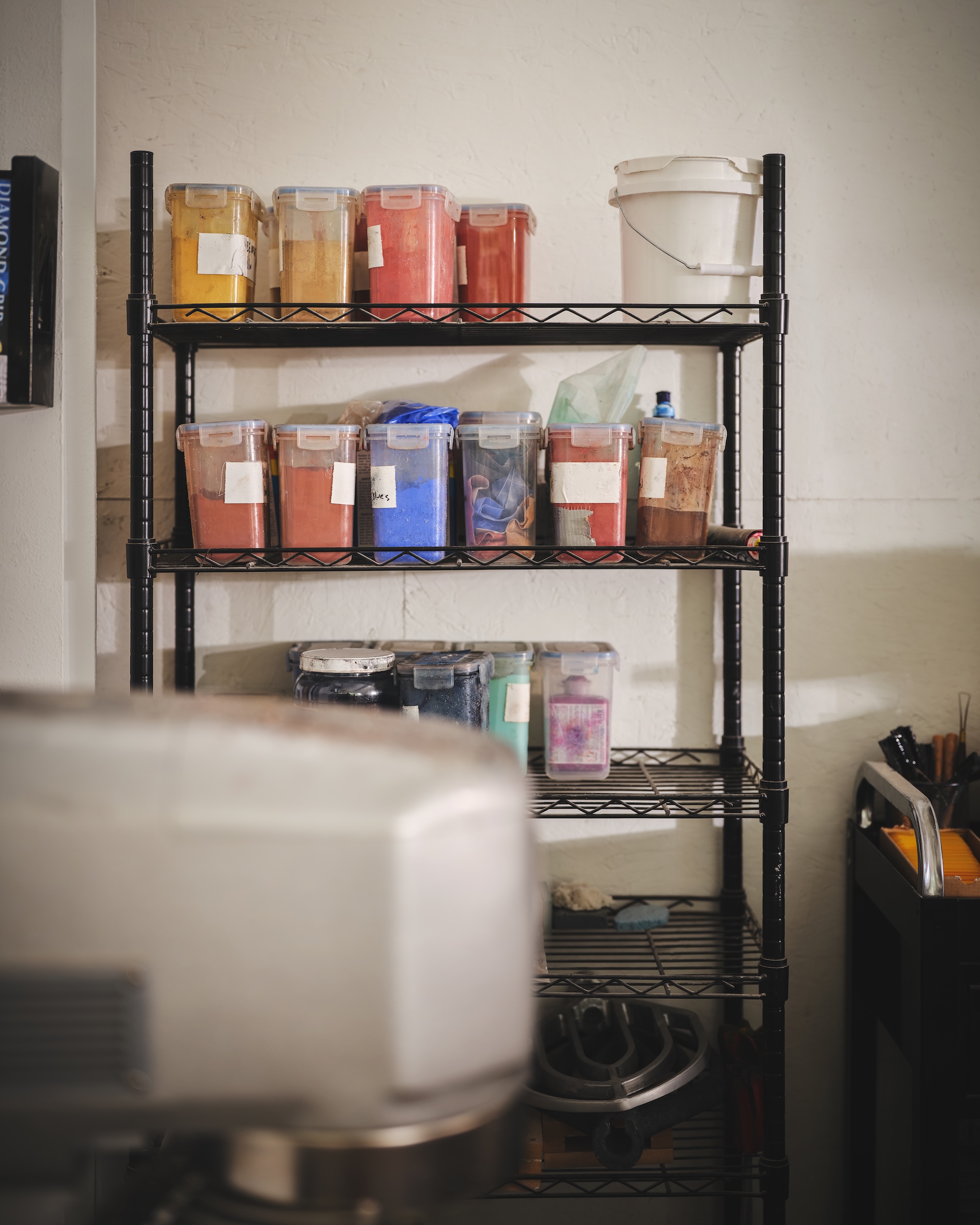
The exhibition does not merely represent these landscapes as passive imagery; it reconstructs them using the raw materials of the earth. By utilizing hand-dyed sand and powdered glass, Mastrangelo bridges the digital and the physical. He draws inspiration from a vast repository of visual data—sourcing imagery from platforms like Shutterstock, Pinterest, and Google—to create three-dimensional digital renderings of regions such as the Golan Heights in Syria and the Nagorno-Karabakh region of Azerbaijan. These digital blueprints are then realized through a labor-intensive, tactile process that relies on a mixture of precision and chance.
Craftsmanship and Production: The Architecture of Memory
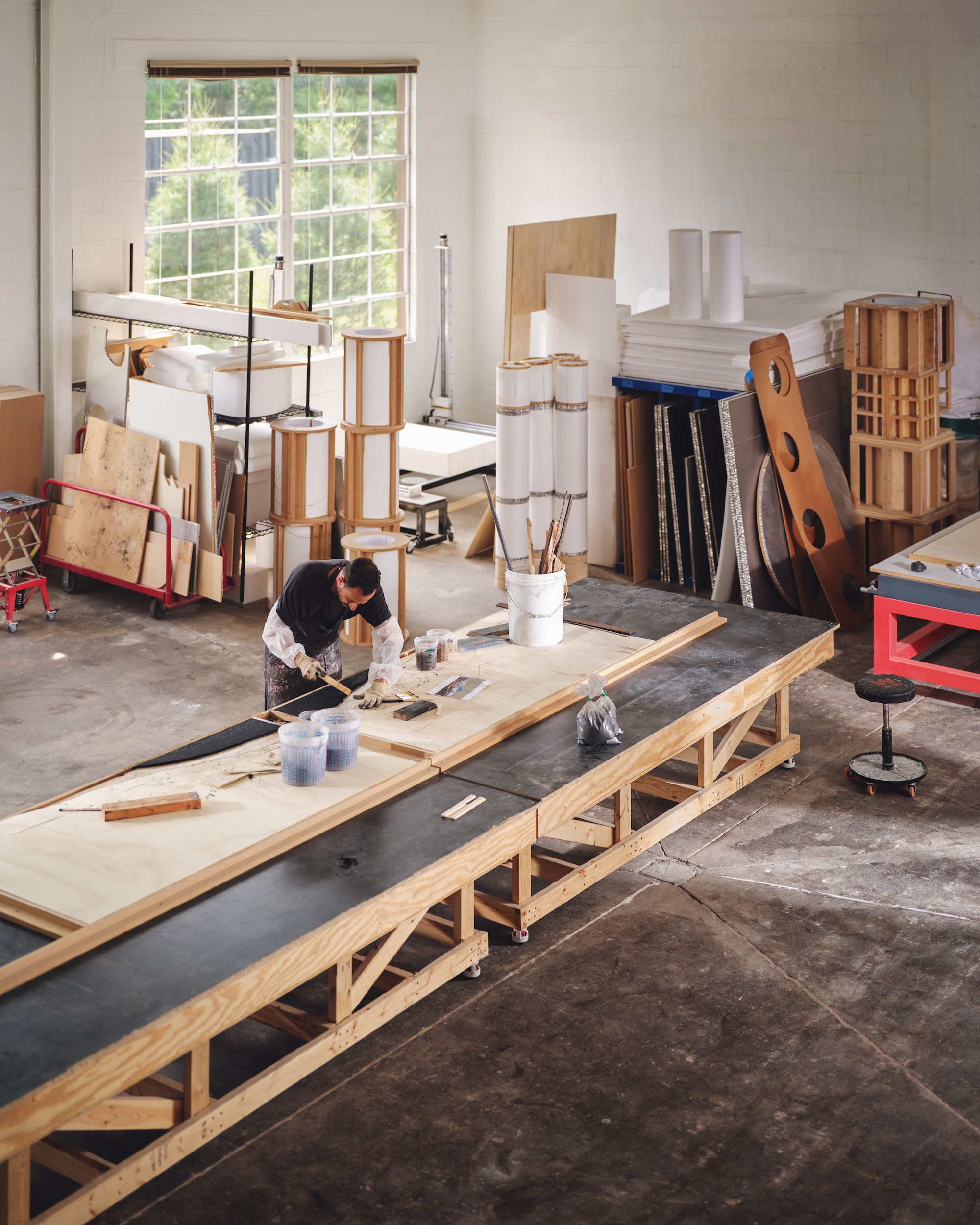
The production process behind Territories is as much a statement as the final objects themselves. Working primarily with Formica wood molds, Mastrangelo employs a technique that requires him to work "blind." He drizzles hand-dyed sand and powdered glass into a narrow, half-inch sliver of a mold, building up layers that eventually form the topographical depth of the piece.
"I drizzle sand into the mold little by little," he explains. "I can’t really see what I am actually creating until the mold is removed." This method of layering mimics the slow, sediment-based geological processes of the Earth, yet it is directed by the artist’s acute awareness of the digital image he is recreating. Once the material is packed tightly—often using a simple stick to ensure density and structural integrity—the mold is stripped away to reveal a finished surface that balances color, texture, and light.
This approach is highly reflective of the artist’s broader career trajectory. After a decade of high-output design, Mastrangelo took a brief professional hiatus. The resulting works in Territories represent a "self-referential" return to the studio, drawing on the cylindrical leg silhouettes that made his 2016 drum-shaped side tables a staple of contemporary design. By revisiting these forms, he provides a sense of visual continuity, grounding his conceptual exploration of volatile borders within the familiar comfort of high-end furniture design.
Case Study: The Nagorno-Karabakh Cabinet
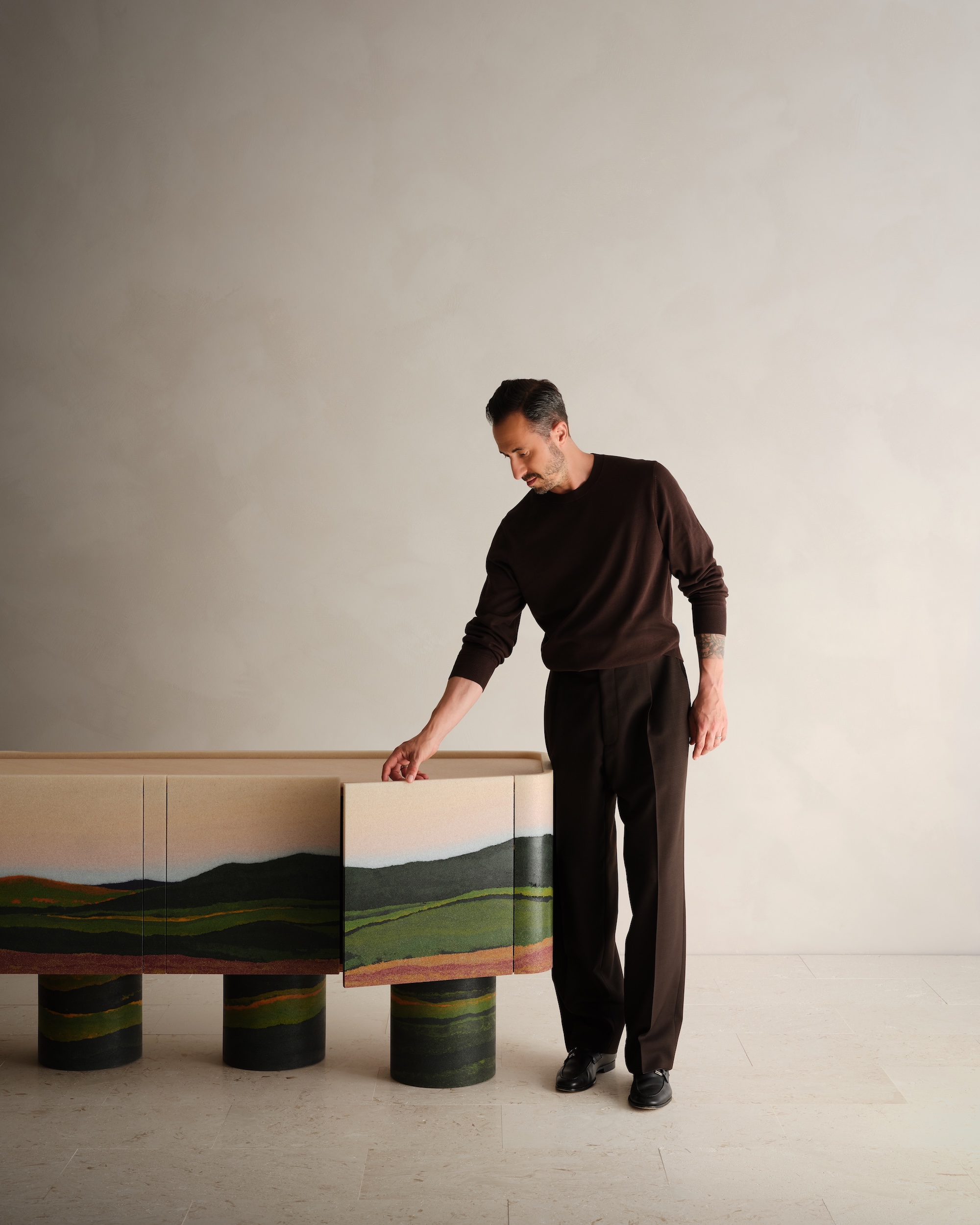
A standout piece in the exhibition is a towering, two-door cabinet that depicts the fiery dusk of Nagorno-Karabakh. This piece represents a significant technical challenge for the artist, who was encouraged by gallerist Cristina Grajales to push his process to a larger, more architectural scale.
The cabinet is constructed on a white oak base, which acts as a skeletal frame for the "skin" of the furniture—a meticulously applied layer of sand and glass. The resulting imagery is haunting, transforming a functional object into a commemorative vessel. It serves as an example of what observers have called "poetic utility," where the object’s function as a storage unit is secondary to its role as a storyteller. By forcing the viewer to interact with the geography of a conflict zone in their own home, the work creates a bridge between the distant, abstract nature of international news and the intimate space of daily living.
Sociopolitical Context and Global Implications
The selection of regions featured in the exhibition is not arbitrary. From the snow-capped, disputed peaks of the Golan Heights to the mountainous terrain of Kashmir, Mastrangelo focuses on areas where the natural beauty of the landscape is frequently overshadowed by the violence of human territoriality.
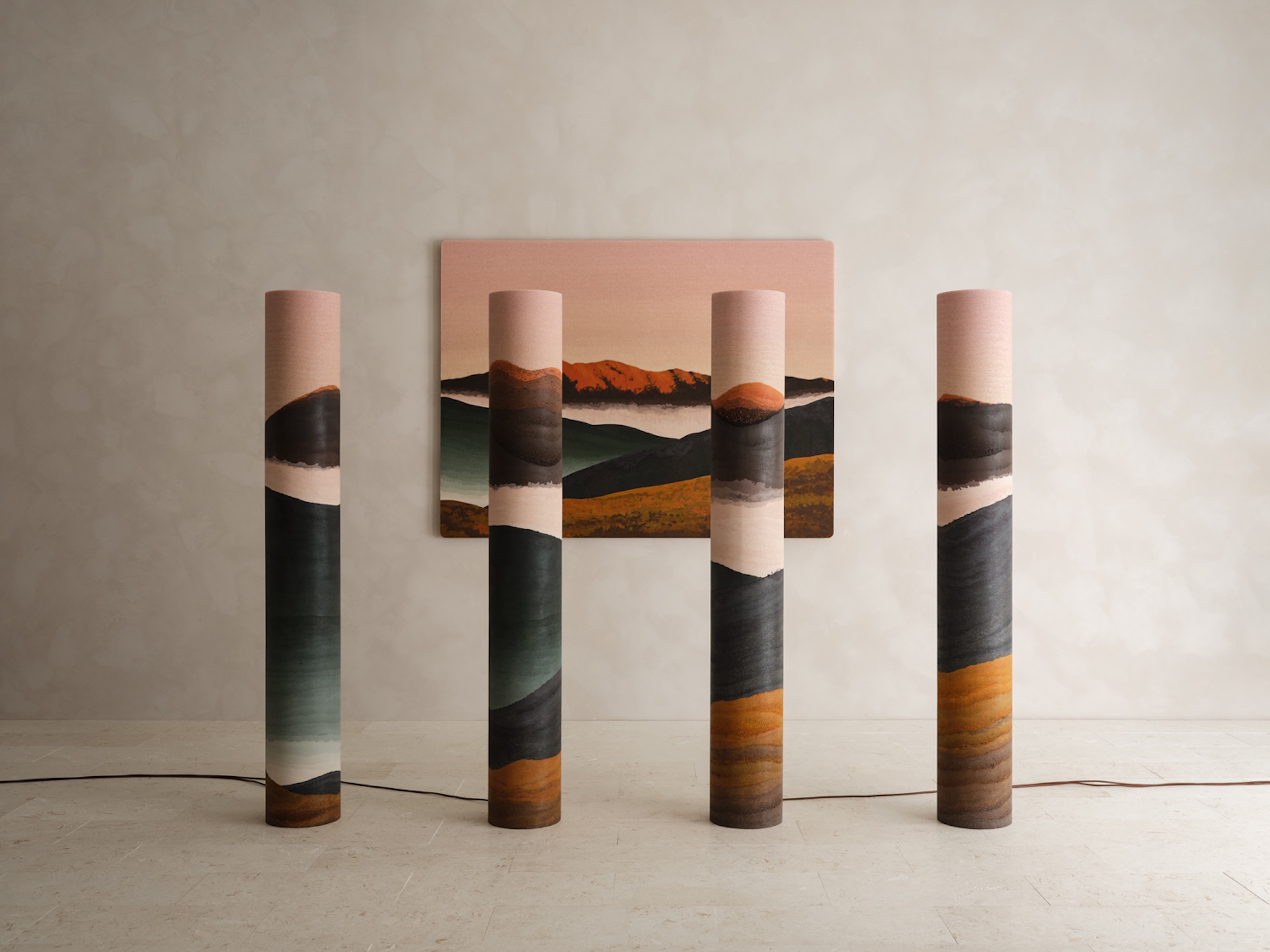
Sociologists and political scientists often categorize such regions as "contested spaces," where competing historical, ethnic, and nationalistic claims collide. By presenting these landscapes through the lens of luxury design, Mastrangelo forces a juxtaposition that is intentionally jarring. It raises questions about the role of art in the era of globalized information: Can an object of beauty help foster empathy for regions defined by hardship?
Historically, art has often served as a means of documenting territorial claims—from colonial-era cartography to landscape paintings designed to assert ownership. Mastrangelo’s work flips this tradition. He is not claiming the land; he is reclaiming its visual identity from the geopolitical narratives that usually define it. By emphasizing the landscape’s physical beauty, he highlights the irony that the very qualities which make a territory desirable—its resources, its strategic height, its aesthetic grandeur—are often the very things that precipitate its destruction.
Data and Industry Perspectives
The design world has been shifting toward "narrative-driven furniture" over the past five years. Industry reports suggest that there is a growing market for pieces that offer a "tangible connection to global events." According to recent market analysis in the luxury decor sector, collectors are increasingly moving away from purely minimalist, industrial aesthetics toward items that carry a conceptual weight or a "story-first" approach.
"Mastrangelo is tapping into a desire for meaning that transcends the decorative," says a representative from a leading design firm. "In a climate of digital oversaturation, having a physical piece of furniture that anchors a conversation about global affairs is a powerful, if provocative, choice for collectors."
However, critics also point out the inherent tension in this approach. By commodifying the image of a conflict zone into a high-end furniture item, is there a risk of trivializing the suffering of those currently living in those territories? Mastrangelo addresses this directly, suggesting that his goal is not to finalize the narrative, but to initiate a cycle of storytelling. "It would be my ideal that people absorb the work and carry on the stories of these places to others who interact with the pieces," the artist states.
The Future of the Exhibition
As Territories continues its run at the Cristina Grajales Gallery through February 12, 2027, it stands as a testament to the evolving role of the artist-designer. Mastrangelo’s work suggests that our furniture, our surfaces, and our domestic environments can be more than just utilitarian; they can be active participants in the global discourse on memory, conflict, and the environment.
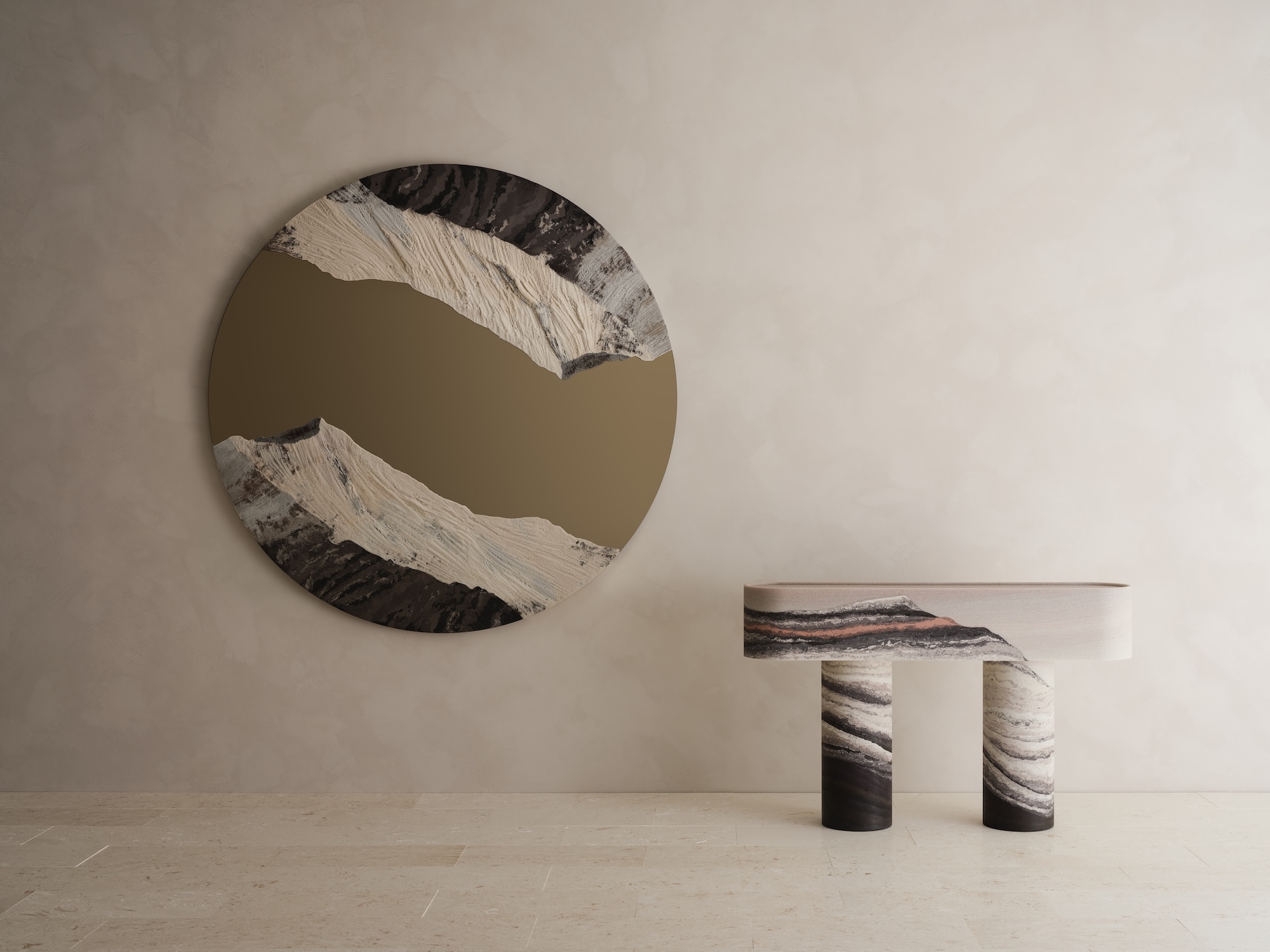
The exhibition provides a unique opportunity to view how the raw, geologic elements of our world—sand, glass, and wood—can be manipulated to reflect the most pressing issues of our time. It challenges the visitor to look closer at the surface of a table or the finish of a cabinet and see, instead, the complex, rugged, and often contested geography of a world in flux.
In the final assessment, the success of the exhibition will not be measured by the sales of individual pieces, but by the extent to which these works succeed in their stated aim: to ensure that the stories of these lands do not fade into the background of a static interior, but remain a persistent, evocative reminder of the precarious nature of our global map. As political tensions continue to reshape the world, Mastrangelo’s work remains a vital, if unconventional, mirror held up to the shifting landscapes of the human experience.