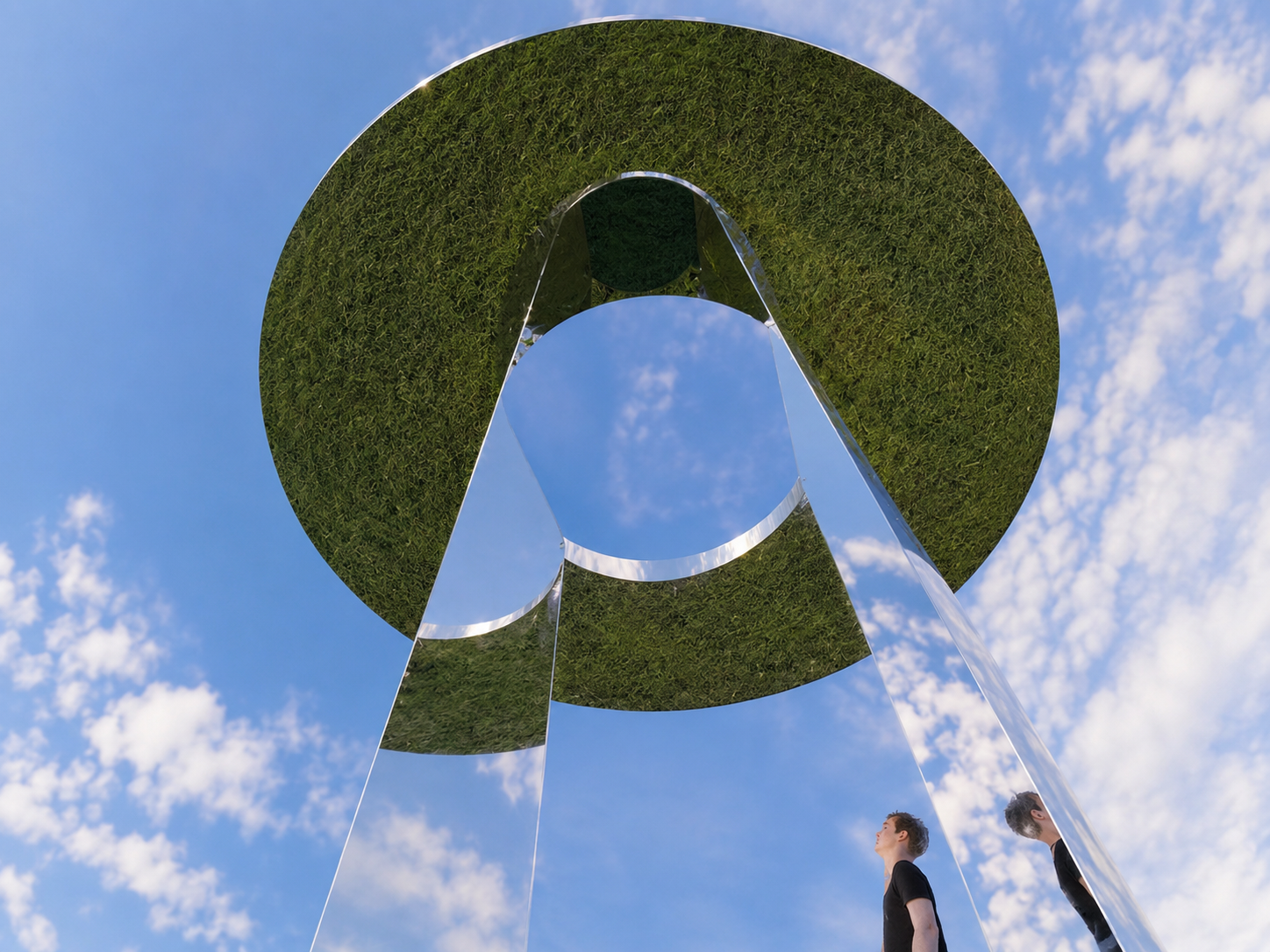
The 24th edition of the London Design Festival (LDF) has officially commenced, transforming the capital into a sprawling, multi-district nexus of innovation, material experimentation, and cultural dialogue. As one of the world’s premier design events, the 2026 iteration reinforces London’s status as a global creative hub, with this year’s programming emphasizing the growing necessity for multidisciplinary approaches to contemporary challenges. From the industrial heritage of King’s Cross to the refined showrooms of Chelsea Harbour, the festival serves as both a commercial marketplace and a laboratory for architects, product designers, and social theorists.
The Evolution of a Global Design Powerhouse
Established in 2003 by Sir John Sorrell and Ben Evans, the London Design Festival has grown from a modest city-wide initiative into a massive annual undertaking that attracts hundreds of thousands of international visitors. The 2026 festival arrives at a time when the design industry is undergoing a significant pivot, moving away from purely aesthetic concerns toward a deeper integration of ecological responsibility, supply chain transparency, and digital-physical hybridity.
This year, the festival’s thematic focus on "multidisciplinarity" is particularly evident in the selection of the London Design Medals winners—a cohort of practitioners whose work defies traditional categorization, blurring the lines between art, engineering, and civic activism. The festival continues to act as a vital barometer for the industry, where emerging designers—often featured in independent, grassroots group shows—are afforded the same visibility as established heritage brands.

Landmark Installations and the Politics of Materiality
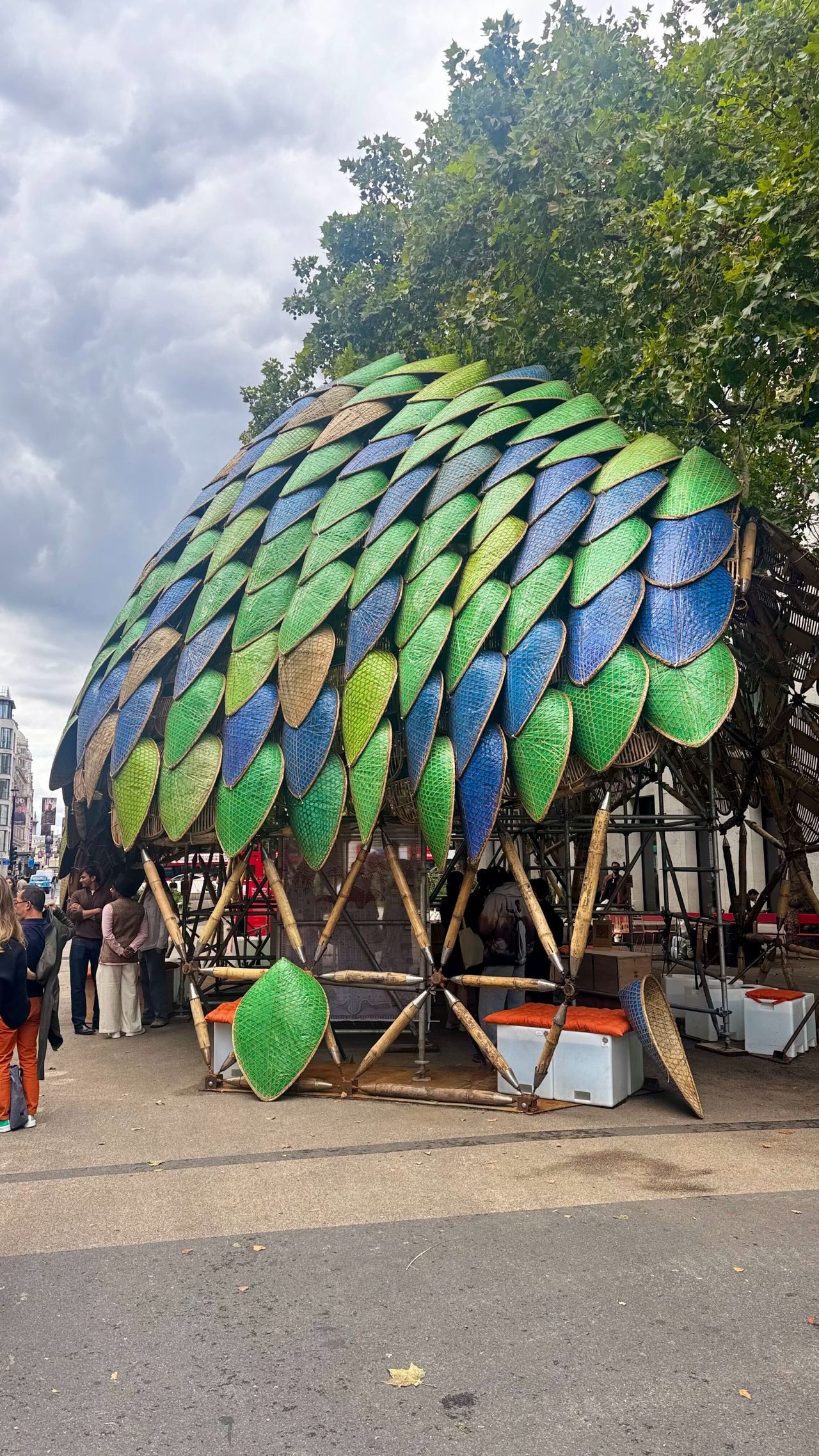
Among the most anticipated components of the 2026 LDF is the Landmark Project situated at Strand Aldwych. This year, the collaboration between Studio Saar and Atelier One, titled The Pangolin Shield, offers a poignant commentary on the intersection of global trade and ecological preservation. The structure, which mimics the form of the pangolin, serves as a masterclass in vernacular engineering. By utilizing a bamboo grid shell and incorporating traditional Indian rain shields known as "knups," the architects have created a physical manifestation of the journey of materials from South Asia to the United Kingdom.
Beyond its structural ingenuity, The Pangolin Shield serves as a critical reflection on colonial legacies and the exploitation of natural resources. By repurposing traditional protective gear and integrating contemporary plastic sheeting, the installation provides a visual shorthand for the complexities of modern manufacturing and the inherent tension between progress and protection. The project has received praise for its focus on sustainable construction, signaling a broader shift within the LDF towards projects that interrogate the "how" and "why" of production rather than just the final output.
Aural and Spatial Explorations
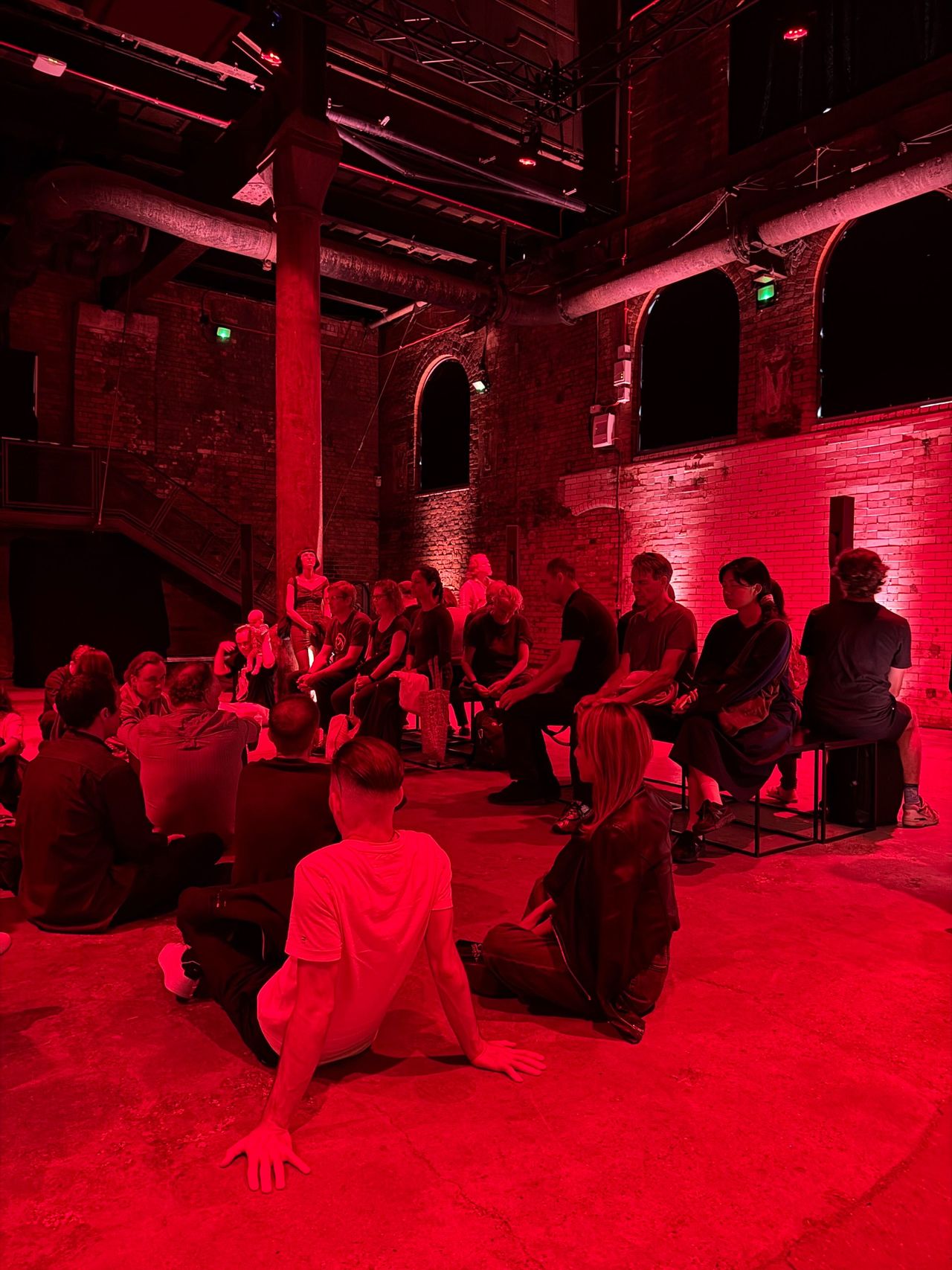
The festival’s reach extends into sensory territory, as evidenced by the installation at the Wapping Power Station. This site, once synonymous with the pioneering work of the late curator Jules Wright and the Wapping Project, has been repurposed as a venue for an immersive aural experience. The project invites participants to engage with soundscapes captured by Chris Watson around the Humber Estuary, further augmented by compositions from the Alliance for Women Film Composers and technical support from L-Acoustics.
This installation highlights the festival’s ongoing commitment to "experiential design," where the architecture of the city itself becomes a medium. The use of the power station’s cavernous, industrial volume as a resonator for high-fidelity audio underscores the trend of "adaptive reuse" that has become a staple of recent LDF programming. By prioritizing the auditory over the visual, the curators challenge the traditional gallery-goer to engage with space through a more visceral, non-linear lens.
Commercial Resilience at Chelsea Harbour and Coal Office
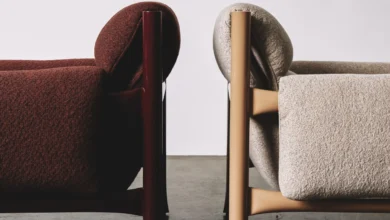
While the festival is a celebration of conceptual art, it remains a critical engine for the interiors and luxury goods market. The FOCUS/26 event at the Design Centre, Chelsea Harbour, continues to serve as the primary commercial anchor for the industry. This year, Dedar has utilized the platform to debut its Versi Liberi collection, emphasizing the brand’s commitment to material variance and tactile quality. Similarly, the collaboration between Kieffer and Formafantasma for the 4 collection represents a sophisticated approach to upholstery design. By allowing the fabric’s inherent structural properties to dictate the final form, rather than imposing a pattern onto a surface, the designers have created a collection that functions as both a decorative element and a study in material science.
In the north of the city, the Coal Office in King’s Cross remains a cornerstone of the festival experience. Tom Dixon’s 2026 showcase highlights a trend toward multifunctional living. His latest cast-iron collection, which features objects that serve as both decorative vases and utilitarian doorstoppers, speaks to the modern consumer’s desire for space-saving, versatile design. The integration of magnetic joinery in his new lighting series and the bold, experimental collaboration with mattress manufacturer Vispring demonstrate a push to bring high-concept design into the private, domestic sphere with greater frequency.

The Role of Independent Experimentation
The contribution of studios like Isabel + Helen at The Conran Shop cannot be overstated. Their exhibition, Motion Sickness, serves as a ten-year retrospective of the duo’s work. By showcasing earlier prototypes alongside commercial projects for brands like Burberry and Cartier, the exhibition provides a transparent look at the iterative design process. This focus on "the making of" is a hallmark of the 2026 festival, which aims to demystify the creative process for the public. The exhibition serves as a reminder that the most successful designs are often the result of thousands of hours of material testing, trial, and error.
Strategic Implications and Industry Outlook
The LDF 2026 is more than a cultural showcase; it is an economic indicator. Current industry data suggests that the UK design sector contributes significantly to the national GDP, with design-led exports seeing a steady uptick despite broader macroeconomic volatility. The emphasis on "protection" and "sustainability" seen in this year’s landmark projects is not merely a creative choice but a response to increasingly stringent global ESG (Environmental, Social, and Governance) standards.
Moreover, the shift toward localized production, as highlighted by the work of Studio Saar, suggests a move away from hyper-globalized supply chains. Designers are increasingly looking to local craftsmanship, whether in the UK or in the regions where their materials are sourced, to mitigate supply chain disruptions and reduce carbon footprints. This decentralization of design production is likely to be a defining characteristic of the next decade of industry practice.
Editorial Perspectives
The curation of this year’s festival reflects a broader, more inclusive approach to design history and future-building. The involvement of editors and curators like Rosa Bertoli, Olly Mason, Ali Morris, and Jamilah Rose-Roberts ensures that the festival discourse remains grounded in both historical context and contemporary social narratives. Their collective expertise—spanning architecture, interiors, and the digital representation of design—highlights the necessity of a multidisciplinary lens in interpreting the built environment.
As the London Design Festival 2026 progresses, the overarching narrative is one of adaptation. The designers, brands, and curators involved are responding to a rapidly changing world by leaning into the strengths of their respective disciplines while actively seeking points of intersection. Whether it is through the soundscapes of a converted power station, the bamboo geometry of a landmark structure, or the precise materiality of high-end textiles, the festival makes a compelling case for the role of design as a vital, active participant in the solving of global problems.
For those observing the festival from afar, the ongoing documentation provided by the industry press serves to bridge the gap between physical experience and conceptual inquiry. As the week concludes, the focus will undoubtedly shift toward how these temporary installations and product launches will influence the architectural and interior landscape for the remainder of the year and beyond. The London Design Festival continues to prove that, even in an increasingly digital world, the physical act of gathering to discuss, analyze, and experience design remains an essential component of urban life.