Transforming Data Architecture with Amazon Redshift Data Sharing and dbt Cloud for Real-Time Analytics

Modern data-driven enterprises increasingly treat information as a primary capital asset, requiring fluid access across disparate business units to drive agile decision-making. Historically, the challenge of maintaining a single, consistent version of the truth across multiple business lines—without the latency and operational burden of constant data replication—has been a significant hurdle for large-scale organizations. Today, the convergence of Amazon Redshift’s secure, zero-copy Data Sharing capabilities and the modular, automated workflows provided by dbt Cloud represents a fundamental shift in how corporations manage high-velocity data pipelines.
The Evolution of the Multi-Cluster Paradigm
As organizations scale, the traditional monolithic data warehouse often becomes a bottleneck. To optimize performance, teams frequently deploy multiple Amazon Redshift clusters. This multi-cluster strategy allows for effective workload isolation, independent cost management, and compliance with stringent data residency requirements. However, this architectural benefit historically came at a cost: the necessity of complex Extract, Transform, and Load (ETL) pipelines. These pipelines required constant data movement between clusters, which inevitably introduced latency, increased cloud storage costs, and created massive operational overhead.
The introduction of Amazon Redshift Data Sharing fundamentally alters this dynamic. By enabling the secure, real-time sharing of transactionally consistent data across different clusters, accounts, and AWS Regions, the technology eliminates the need to move or copy data entirely. This ensures that consumer clusters are always querying the most current state of the producer’s data, facilitating a near real-time analytics environment that supports modern data mesh architectures.
Bridging the Gap with dbt Cloud
While Redshift provides the infrastructure for seamless data access, the challenge of managing complex, cross-cluster transformations remains. This is where dbt (data build tool) becomes critical. By allowing data engineers to write transformations in standard SQL and manage them with software engineering rigor, dbt enables modularity, version control, and comprehensive lineage tracking.
When coupled with dbt Cloud—a fully hosted, managed environment—data teams gain access to integrated CI/CD, job scheduling, and an intuitive web-based Integrated Development Environment (IDE). This combination ensures that as transformation logic grows in complexity, the governance and documentation remain consistent, even when spanning multiple producer and consumer boundaries.
Technical Foundations and Namespace Management
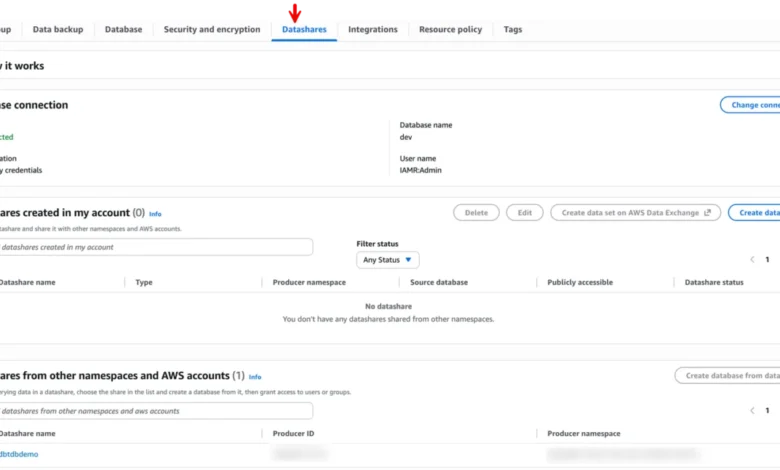
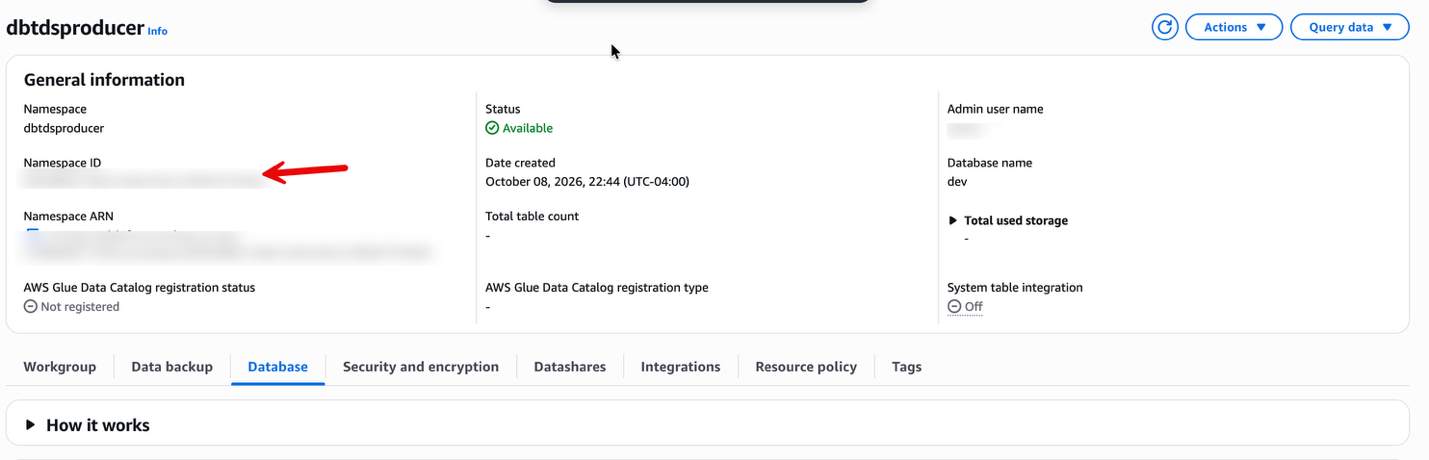
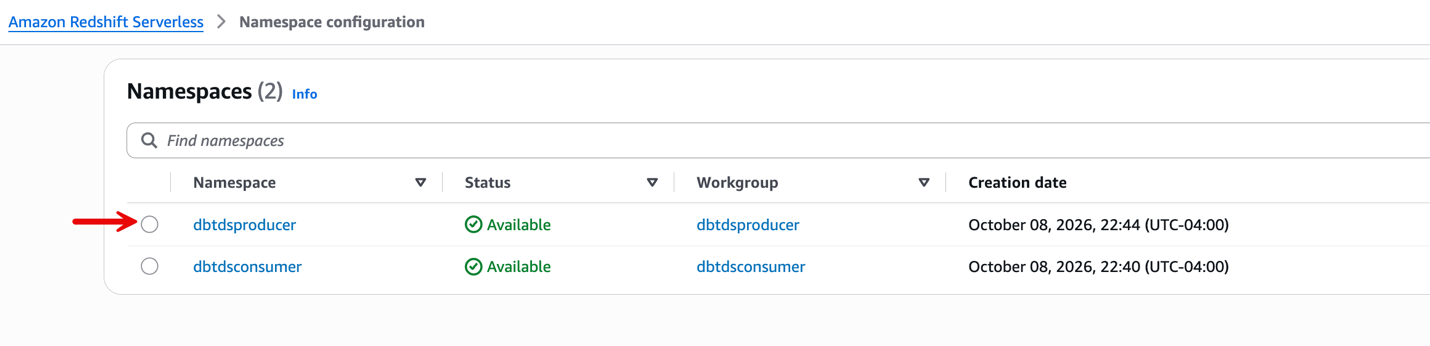
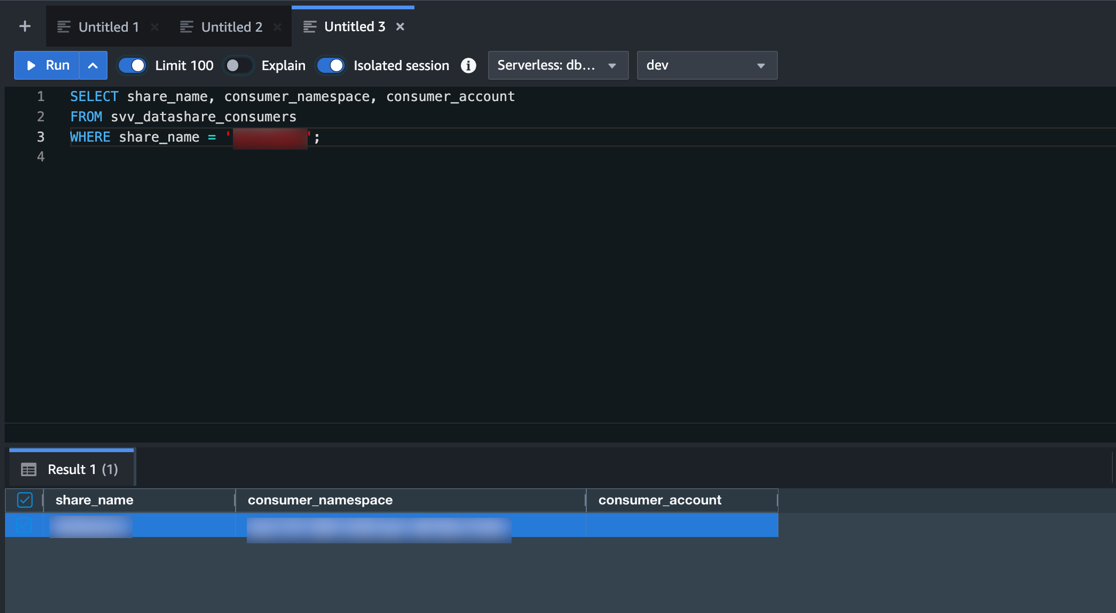
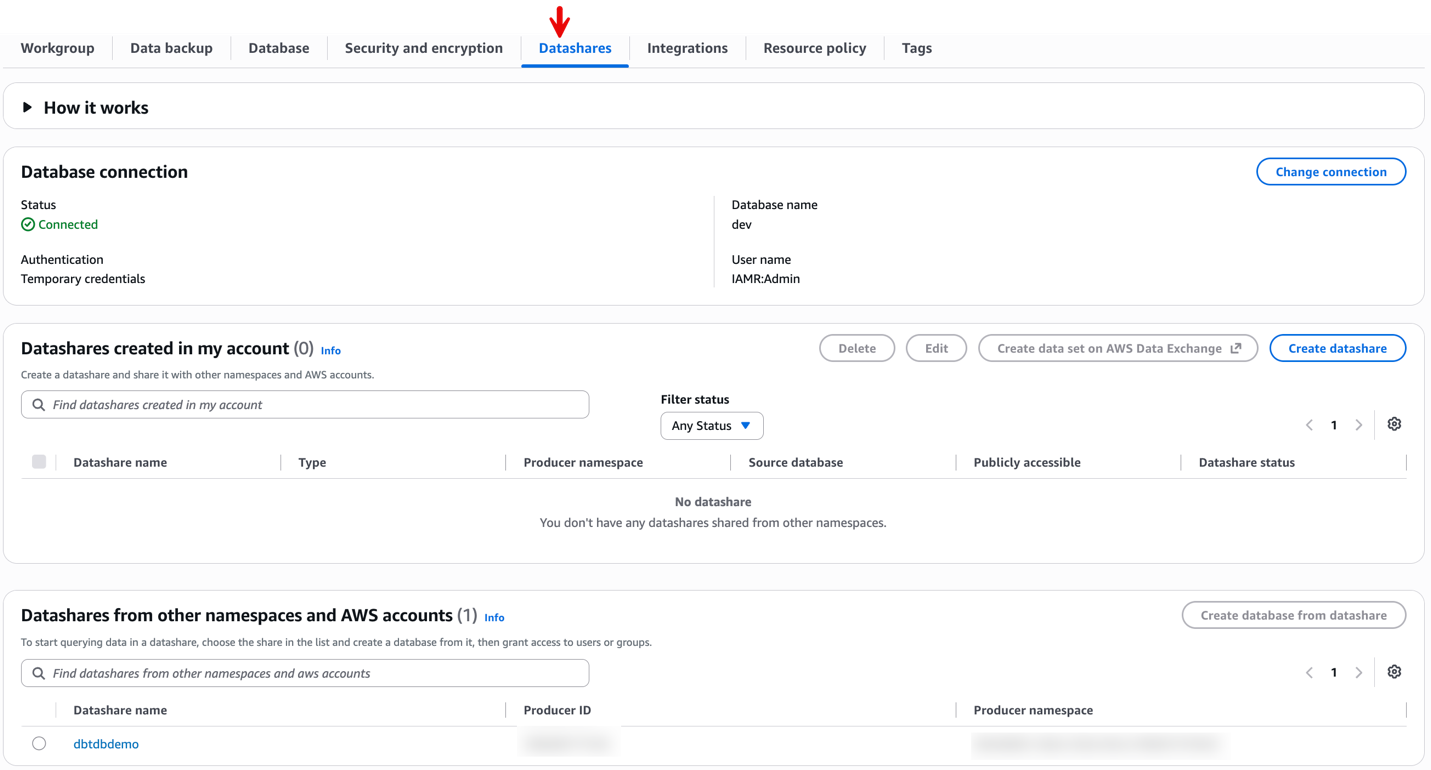
At its core, Amazon Redshift Data Sharing operates at the namespace level. Each cluster or serverless workgroup is assigned a globally unique namespace identifier. A producer defines a "datashare" object—essentially a named catalog containing specific schemas, tables, and views—and grants access to authorized consumer namespaces.
The process for same-account sharing is nearly instantaneous, with access taking effect as soon as the grant is executed. Cross-account sharing introduces an additional layer of security, requiring an authorization and association handshake to ensure that data access remains governed and compliant. For global organizations, cross-Region sharing is also supported, though it requires careful consideration of data transfer protocols and latency, which remain minimal due to the underlying architecture of AWS’s global network.
Strategic Implications of the Data Mesh
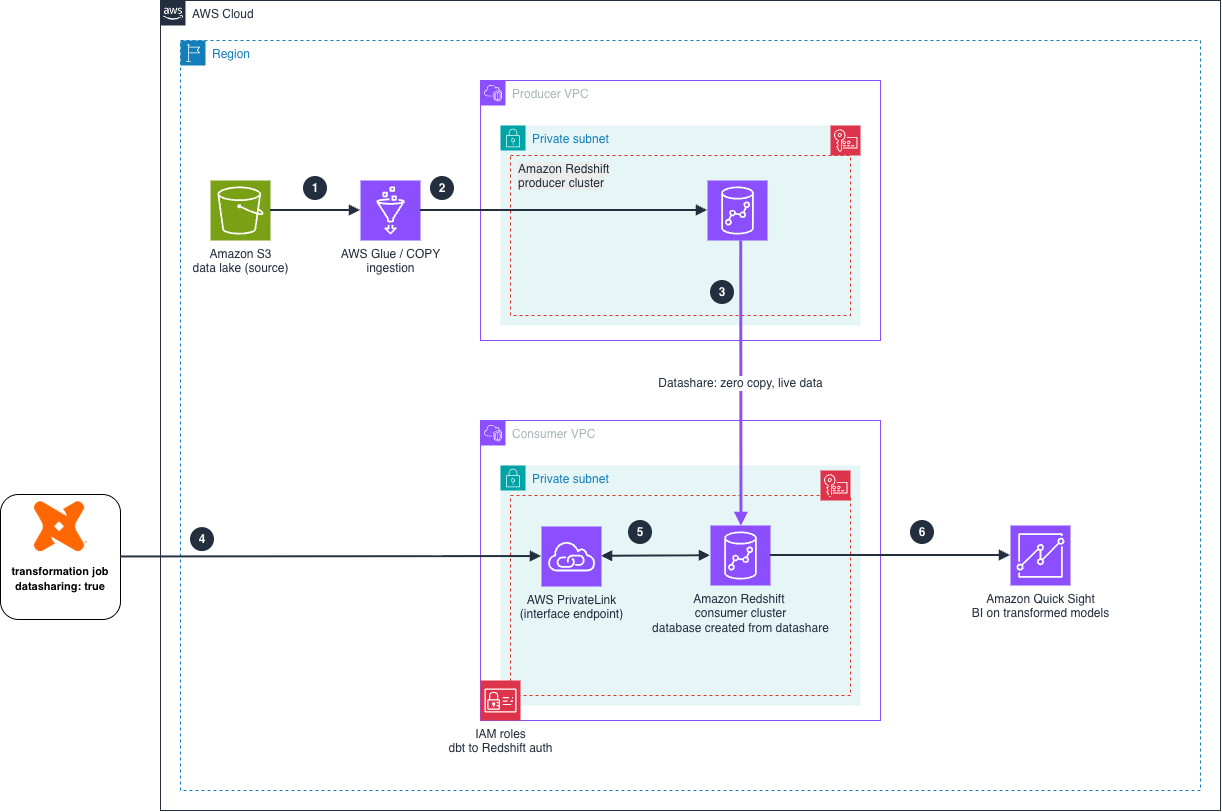
The adoption of this architecture aligns perfectly with the principles of data mesh, where data is treated as a product and distributed ownership is the norm. In a typical implementation, raw data is loaded into a centralized producer cluster from an Amazon S3 data lake. This data is then shared to various consumer clusters where domain-specific teams—such as Finance, Marketing, or Product—perform their own transformations using dbt.
Because the consumer is reading live data directly from the producer’s managed storage, the downstream analytics reflect reality as it happens, rather than as it was hours ago following an ETL batch window. This reduces the "data debt" that often accumulates in legacy systems and provides leadership with a more accurate, timely view of business performance.
Practical Implementation and Security Considerations
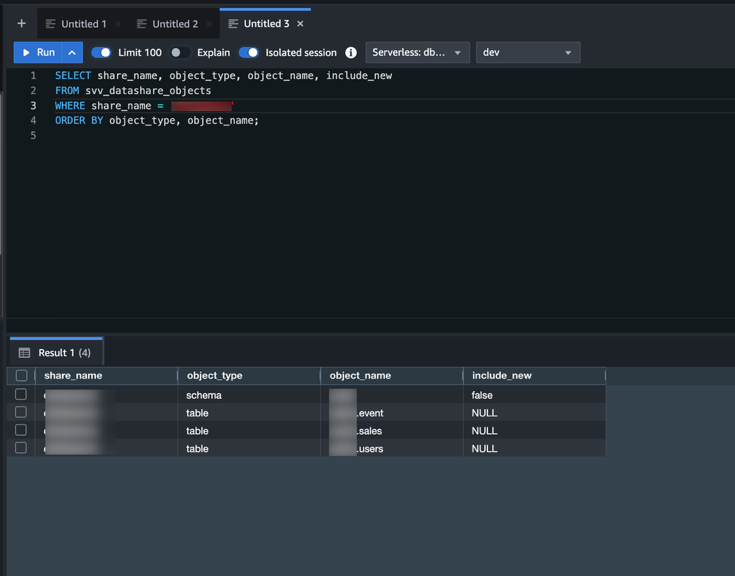
Transitioning to this model requires a shift in how administrators handle permissions. Rather than managing physical data copies, teams must focus on logical access control. The principle of least privilege should guide the creation of datashares; for instance, administrators should explicitly select tables for sharing rather than sharing entire schemas, unless absolutely necessary.
Furthermore, the introduction of dbt Cloud into this ecosystem necessitates robust authentication strategies. For production environments, integrating IAM user authentication via dbt’s extended attributes ensures that the transformation engine follows AWS security best practices. By utilizing AWS Secrets Manager to inject credentials at runtime, organizations can ensure that sensitive keys are never hard-coded or committed to version control systems, thereby maintaining a strong security posture.
Optimizing Performance: Materialization Strategies
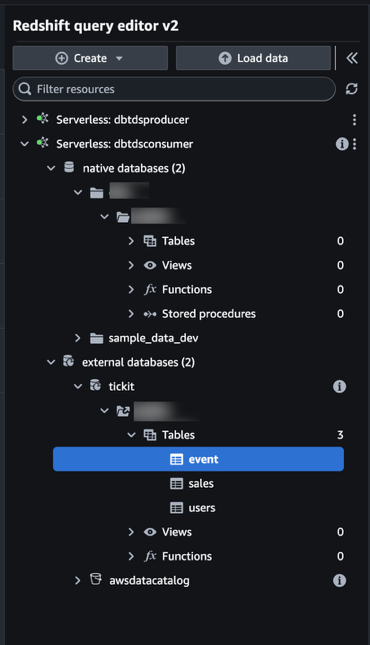
One of the most nuanced aspects of using dbt with Redshift Data Sharing is selecting the correct materialization strategy. Because standard views cannot always resolve shared objects depending on the specific configuration, dbt users are encouraged to utilize table or incremental materialization for models consuming datashare sources. This creates a local copy of the transformed result in the consumer cluster, ensuring that high-concurrency BI tools can query the data without impacting the performance of the source datashare.
For scenarios requiring live, read-only access without storage costs, "late-binding views" provide an alternative, allowing the database to resolve shared objects at query time. This flexibility allows data teams to strike a balance between performance, storage costs, and data freshness.
Broader Impact on Data Engineering Teams
The synergy between Amazon Redshift and dbt Cloud reflects a broader industry trend toward "low-ops" data engineering. By delegating the heavy lifting of data infrastructure to Amazon Redshift and the complexities of version control and documentation to dbt Cloud, data teams can shift their focus from maintaining pipelines to building high-value analytical models.
This transition has a tangible impact on organizational efficiency. In many traditional environments, data engineers spend 70% to 80% of their time on maintenance and troubleshooting. In an architecture governed by shared, live data and automated CI/CD, that ratio is inverted. Teams can deliver new insights to stakeholders in days rather than weeks, and the risk of "data drift"—where consumer reports diverge from producer metrics due to ETL errors—is virtually eliminated.
Conclusion and Future Outlook
The integration of Amazon Redshift Data Sharing and dbt Cloud provides a robust, scalable framework for modern analytics. By removing the technical barriers associated with data movement and enabling software engineering best practices within the data layer, organizations can achieve a level of agility that was previously impossible.
As businesses continue to navigate an increasingly complex digital landscape, the ability to maintain transactionally consistent, real-time data across clusters will become a defining factor in operational success. For organizations looking to modernize their data stack, this combination offers a proven path toward reducing infrastructure complexity while simultaneously improving the quality and speed of business intelligence. Whether operating within a single region or across global footprints, the combination of Redshift’s secure sharing and dbt’s orchestration capabilities represents the new standard for enterprise-grade data management.
Related posts: