
People Near National Park Healthier

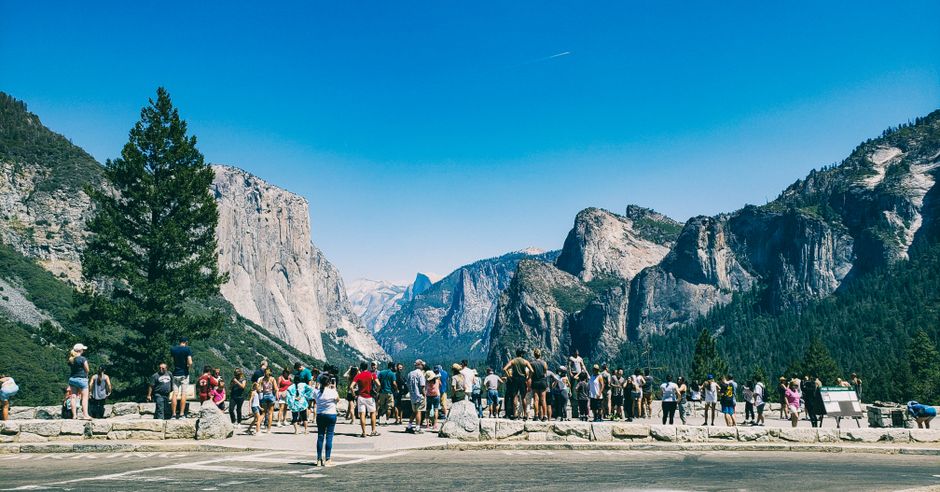
Living Near National Parks: A Prescription for a Healthier Population
The proximity to national parks demonstrably contributes to improved health outcomes for individuals residing in surrounding communities. This isn’t merely anecdotal; a growing body of scientific evidence highlights the multifaceted ways in which access to these protected natural landscapes positively impacts physical and mental well-being. From enhanced air quality to increased opportunities for physical activity and stress reduction, the benefits are far-reaching and significant, underscoring the intrinsic value of national park preservation for public health initiatives. Understanding these connections is crucial for policymakers, urban planners, and healthcare professionals seeking to foster healthier populations. The concept of "nature deficit disorder," popularized by author Richard Louv, articulates a growing concern about the detachment of children and adults from the natural world, and national parks serve as critical antidotes to this trend. Their vastness and preservation ensure that even those living in relatively urbanized areas have a significant natural resource within reach, offering a tangible connection to environments that have been shaped by millennia of natural processes rather than human intervention. This connection is not abstract; it translates into measurable physiological and psychological improvements.
One of the most direct and impactful health benefits of living near national parks is the improvement in air quality. National parks are typically characterized by extensive natural landscapes, including forests, grasslands, and open water bodies, which act as natural air purifiers. Trees, in particular, play a vital role in absorbing atmospheric pollutants such as carbon dioxide, sulfur dioxide, and nitrogen oxides. They also release oxygen, a fundamental element for human respiration. Studies have consistently shown that areas with greater tree cover and less industrialization, common characteristics of regions surrounding national parks, experience lower levels of particulate matter and ground-level ozone. These pollutants are known contributors to a range of respiratory illnesses, including asthma, bronchitis, and emphysema, as well as cardiovascular problems. Reduced exposure to these harmful agents directly translates to a lower incidence and severity of these conditions among residents living in proximity to these natural havens. Furthermore, the absence of dense urban development and heavy traffic congestion, often found at the periphery of national parks, further contributes to cleaner air. The prevailing winds can carry pollutants away from park boundaries, creating a localized zone of cleaner air for nearby communities. This natural buffering effect is a significant, albeit often overlooked, public health asset. The role of vegetation in mitigating the urban heat island effect also indirectly benefits health by reducing heat-related illnesses, particularly during warmer months, by providing shade and through the process of evapotranspiration.
Beyond air quality, national parks offer unparalleled opportunities for physical activity. The very nature of these protected areas encourages exploration and recreation. Hiking trails, open spaces for running, cycling routes, and opportunities for water-based activities like kayaking and swimming provide diverse avenues for individuals to engage in regular physical exercise. This increased access to safe and appealing outdoor recreational spaces directly combats sedentary lifestyles, a major risk factor for obesity, type 2 diabetes, heart disease, and certain types of cancer. Children growing up near national parks are more likely to develop a lifelong appreciation for outdoor activities, fostering healthy habits from a young age. Moreover, the aesthetic beauty of these landscapes often serves as a powerful motivator, making exercise feel less like a chore and more like an enjoyable experience. The sheer variety of terrain and environments within national parks caters to different fitness levels and interests, ensuring that a broad spectrum of the population can find activities suited to their needs. This accessibility is paramount in overcoming barriers to physical activity, such as lack of safe or attractive public spaces. The social aspect of recreation in national parks, whether organized group hikes or casual family outings, also contributes to well-being, fostering community connections and reducing feelings of isolation.
The mental health benefits associated with living near national parks are equally profound. Exposure to nature has been scientifically proven to reduce stress, anxiety, and depression. The calming presence of natural landscapes, the sounds of birdsong, and the visual stimuli of trees and water create an environment conducive to relaxation and mental restoration. Studies employing neuroimaging techniques have shown that spending time in nature can alter brain activity, reducing activity in the amygdala, the region associated with fear and stress. This "biophilia" hypothesis suggests an innate human tendency to connect with nature, and national parks provide a readily accessible outlet for this need. The restorative effects of nature are not limited to passive observation; engaging in activities within these environments amplifies these benefits. Even a short walk in a park can lower blood pressure and heart rate, and reduce levels of the stress hormone cortisol. For individuals struggling with mental health challenges, access to these natural spaces can serve as a vital therapeutic resource, offering a sanctuary from the pressures of daily life. The concept of "shinrin-yoku," or forest bathing, originating from Japan, highlights the therapeutic benefits of immersing oneself in nature, and national parks are the ultimate destinations for such experiences. This immersion can lead to improved mood, enhanced cognitive function, and a greater sense of overall well-being.
The economic implications of national parks also indirectly contribute to the health of nearby populations. Tourism generated by national parks creates jobs and stimulates local economies. This economic vitality can lead to improved infrastructure, better access to healthcare services, and increased funding for community health programs. When local economies are robust, residents have greater access to resources that support their health and well-being, including nutritious food options, recreational facilities, and educational opportunities. Furthermore, the presence of national parks can increase property values, encouraging investment in communities and contributing to a sense of pride and stability, which are all factors that correlate with better health outcomes. The development of eco-tourism also often emphasizes sustainable practices, further protecting the natural environment that underpins these health benefits. This economic linkage creates a virtuous cycle where the preservation of natural assets directly benefits the human populations that reside in their shadow. The influx of tourists also brings diverse perspectives and can foster a greater appreciation for environmental conservation within the local population.
However, it’s important to acknowledge that the health benefits are not automatic and depend on a variety of factors, including accessibility, infrastructure, and community engagement. Simply living near a national park does not guarantee a healthier lifestyle. Effective trail management, provision of educational programs, and community initiatives that encourage park utilization are essential to maximize these benefits. Efforts to ensure equitable access for all socioeconomic groups are also critical, preventing a scenario where the health advantages are disproportionately enjoyed by a select few. This might involve subsidized park passes, accessible transportation options, and diverse programming that caters to the needs of different communities. Moreover, the potential negative impacts, such as increased traffic congestion or environmental degradation from overuse, must be carefully managed through sustainable tourism practices and land-use planning. The integration of park access into public health strategies, working in collaboration with park services, can amplify the positive health impacts. This could involve healthcare providers prescribing "nature prescriptions" for patients to encourage outdoor activity and stress reduction.
The preservation of national parks is not just about protecting biodiversity and natural landscapes; it is a fundamental investment in public health. The evidence is clear: living near these extraordinary natural resources offers a tangible pathway to a healthier, happier, and more resilient population. Continued research into the specific mechanisms by which nature impacts human health will further strengthen the case for robust national park funding and expansion. Understanding the intricate connections between natural environments and human well-being allows for the development of more effective and holistic public health interventions. The very existence of these protected areas serves as a constant, accessible invitation to a healthier way of life, a prescription written not by a doctor, but by the Earth itself. The long-term benefits extend beyond individual health, contributing to more sustainable and livable communities for generations to come. Recognizing national parks as vital public health infrastructure is a paradigm shift that can reshape how we approach both environmental conservation and the well-being of our citizens. The ecological services provided by these landscapes, such as clean air and water, directly translate into reduced healthcare costs and improved quality of life for those who live nearby. The mental and physical rejuvenation fostered by these natural spaces contributes to a more productive and engaged citizenry.


