
Chattanooga Tennessee First Us National Park City

Chattanooga, Tennessee: The Nation’s First National Park City and an Unfolding Outdoor Epicenter
Chattanooga, Tennessee, holds the distinguished title of being the first city in the United States to officially designate itself a "National Park City." This designation isn’t merely a symbolic nod to its surrounding natural beauty, but a testament to a profound and ongoing commitment to conservation, accessibility, and outdoor recreation. The city’s transformation from an industrial hub grappling with severe pollution to a vibrant, green metropolis is a remarkable story of civic will and strategic investment in its natural assets. This article delves into the origins of this designation, the wealth of national park-level experiences available within its boundaries and immediate vicinity, and the infrastructure and ethos that solidify Chattanooga’s position as a leading destination for nature enthusiasts and those seeking an active, outdoor lifestyle.
The "National Park City" initiative, spearheaded by the National Park Foundation in partnership with the city of Chattanooga, recognizes communities that have made significant efforts to protect and provide access to natural and cultural resources. Chattanooga’s journey toward this accolade began decades prior, fueled by a grassroots movement and governmental action to address the environmental degradation caused by its heavy industrial past. The infamous "dark skies" of the 1960s, a direct result of air pollution, served as a stark wake-up call. This era of environmental crisis spurred the creation of organizations dedicated to cleaning up the Tennessee River and restoring the surrounding Appalachian landscapes. Key legislation like the Clean Air Act and Clean Water Act, coupled with local initiatives, laid the groundwork for the ecological recovery that would eventually underpin the city’s National Park City status. The subsequent decades saw a concerted effort to acquire and protect vast tracts of natural land, establish an extensive network of trails, and integrate green spaces into the urban fabric. This proactive approach, encompassing land stewardship, educational programs, and the development of accessible outdoor amenities, directly positioned Chattanooga as a prime candidate for this prestigious designation.
The sheer volume and proximity of national park-level experiences surrounding Chattanooga are staggering. While the city itself is not a singular national park, the designation encompasses a wide radius of public lands and recreational areas that offer the quality and scope of experiences one would expect from a national park. Chief among these is the Chickamauga and Chattanooga National Military Park, the oldest and largest of the Civil War parks. This sprawling battlefield park, stretching across Tennessee and Georgia, preserves critical landscapes of pivotal Civil War engagements, including the Battles of Chickamauga and Lookout Mountain. Visitors can explore preserved fortifications, hike trails that wind through historic earthworks, and visit interpretive centers that offer profound insights into the human cost of the conflict. The park’s natural beauty, with its rolling hills and dense forests, also provides ample opportunities for wildlife viewing and peaceful contemplation, mirroring the restorative qualities often sought in traditional national parks. The meticulously maintained battlefields themselves are living historical landscapes, offering a unique blend of historical significance and natural preservation.
Beyond the military park, the city’s embrace of its mountainous topography unlocks a treasure trove of outdoor adventures. Lookout Mountain, a prominent geological feature that looms over the city, is a hub of diverse attractions that exemplify the National Park City ethos. Rock City Gardens, a beloved attraction, offers a stunning natural landscape of unique rock formations, lush gardens, and breathtaking panoramic views of the surrounding seven states. The "Incline Railway," a historic steep-grade railway, provides a scenic and accessible ascent to the mountain’s summit, making the dramatic landscape available to a wider audience. The natural caves and geological features of Lookout Mountain are a testament to the region’s ancient origins and provide a fascinating glimpse into the Earth’s history, akin to the geological wonders found in many of the nation’s formal national parks.
Another cornerstone of Chattanooga’s National Park City identity is the Ocoee River Gorge. Designated as a National Recreation Area, the Ocoee is world-renowned for its whitewater rafting and kayaking opportunities. The Ocoee River has hosted Olympic whitewater events, a testament to its challenging and exhilarating rapids. The surrounding gorge offers spectacular scenery, hiking trails, and camping facilities, providing a full-immersion wilderness experience. The National Forest Service meticulously manages this area, ensuring its ecological integrity while promoting responsible recreational use. The Ocoee’s roaring waters and rugged terrain offer an adventure that rivals the most sought-after wilderness destinations, firmly placing it within the scope of a "national park-level" experience.
The Great Smoky Mountains National Park, though not directly within Chattanooga’s immediate city limits, is a major draw and an integral part of the region’s national park appeal. Easily accessible from Chattanooga, this iconic park draws millions of visitors annually and offers unparalleled opportunities for hiking, wildlife observation, and scenic drives. Its inclusion in the broader regional context of Chattanooga’s National Park City designation underscores the city’s role as a gateway to some of the most significant natural landscapes in the Eastern United States. The proximity to such a globally recognized natural treasure enhances Chattanooga’s standing as an outdoor recreation hub.
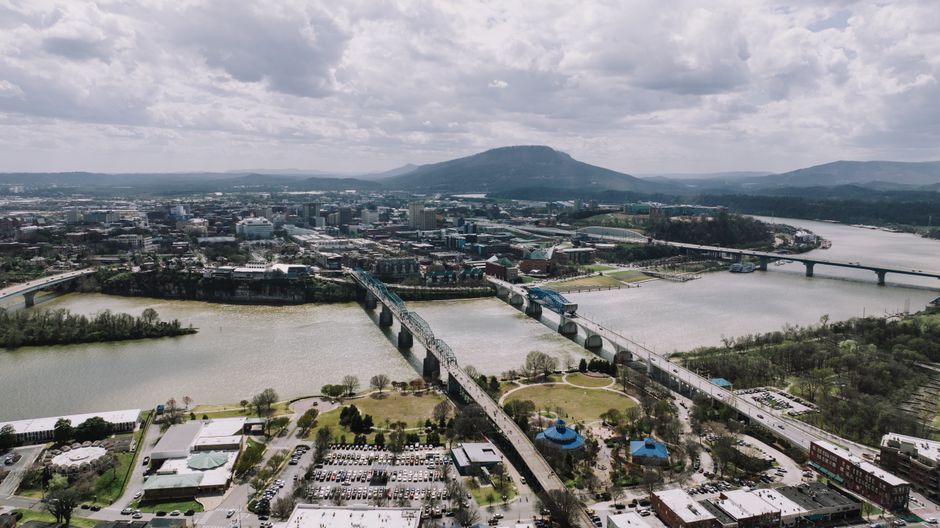
Furthermore, Chattanooga’s commitment to green infrastructure and accessible public spaces is a defining characteristic of its National Park City status. The city boasts an impressive network of urban trails, including the Tennessee Riverpark, a 12-mile paved pathway that follows the Tennessee River, offering stunning views and access to numerous parks and recreational facilities. The Walnut Street Bridge, one of the world’s longest pedestrian bridges, connects downtown Chattanooga to the North Shore, providing a vibrant hub for activity and a beautiful vantage point for enjoying the river and city skyline. The Prentice Cooper State Forest and Signal Mountain, offering extensive hiking and climbing opportunities, further contribute to the city’s reputation as an outdoor enthusiast’s paradise. These meticulously maintained public spaces, designed for both recreation and passive enjoyment, are crucial to the National Park City concept, which emphasizes the integration of nature into everyday life.
The economic and social impact of Chattanooga’s National Park City designation is profound. It has spurred significant investment in outdoor recreation businesses, tourism, and eco-friendly development. The city has become a magnet for outdoor enthusiasts, attracting a new demographic of residents and visitors who prioritize an active, nature-centric lifestyle. This influx has revitalized downtown areas, fostered a strong sense of community pride, and encouraged ongoing efforts in environmental stewardship. The narrative of Chattanooga’s transformation serves as a powerful case study for other cities grappling with environmental challenges, demonstrating that a commitment to natural resource preservation can lead to economic prosperity and improved quality of life.
Educational outreach and conservation efforts are integral to Chattanooga’s National Park City initiative. Numerous organizations, in collaboration with the city and its surrounding parks, are dedicated to environmental education, trail maintenance, and wildlife conservation. Programs focused on engaging youth in outdoor activities and instilling a sense of environmental responsibility are crucial to ensuring the long-term sustainability of these natural treasures. Citizen science projects, volunteer restoration efforts, and partnerships with local schools all contribute to a robust ecosystem of conservation that is fundamental to the National Park City philosophy. This commitment to education ensures that the legacy of preserved nature will be passed down to future generations.
The accessibility of these natural wonders is a key tenet of the National Park City movement, and Chattanooga excels in this regard. The city has invested in accessible trails, interpretive signage, and public transportation options that make its outdoor offerings available to people of all ages and abilities. This inclusive approach ensures that the benefits of nature are not limited to a select few but are available to the entire community and its visitors. The development of adaptive recreation programs and the emphasis on universally designed pathways further solidify Chattanooga’s commitment to making its natural heritage accessible to all.
In conclusion, Chattanooga, Tennessee, as the first U.S. National Park City, embodies a progressive vision for urban and natural integration. Its designation is not a static achievement but a dynamic ongoing commitment. By preserving and enhancing its abundant natural resources, fostering a culture of outdoor recreation, and prioritizing accessibility and environmental stewardship, Chattanooga offers a compelling model for how cities can thrive in harmony with nature. The confluence of historic landscapes, challenging outdoor adventures, and beautifully integrated urban green spaces solidifies its status as a premier destination for anyone seeking to experience the grandeur and restorative power of the outdoors, all within the embrace of a forward-thinking city. The city’s continued dedication to expanding its trail networks, protecting its waterways, and promoting sustainable practices ensures that its legacy as a National Park City will continue to grow and inspire for years to come.


