
Best Time To Visit Boulder

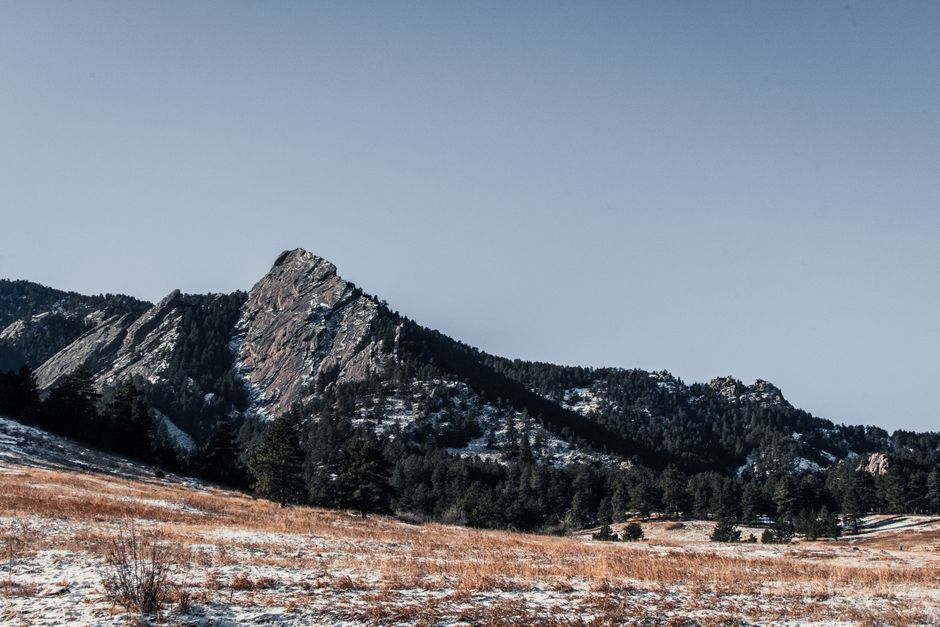
The Best Time to Visit Boulder, Colorado: A Comprehensive Guide for Optimal Experience
Boulder, Colorado, a city nestled at the base of the majestic Rocky Mountains, offers a distinct charm and a plethora of outdoor adventures that vary significantly depending on the season. Deciding on the best time to visit Boulder hinges on your priorities, whether that’s maximizing sunshine for hiking, enjoying vibrant fall colors, experiencing snow sports, or appreciating the city’s cultural offerings with fewer crowds. This guide delves into each season, providing in-depth information to help you pinpoint your ideal Boulder sojourn.
Spring (March – May): A Reawakening of the Outdoors
Spring in Boulder is a transitional period, characterized by a gradual thawing of winter snow and the emergence of lush greenery. This season is ideal for visitors seeking to witness the natural world come back to life, often with fewer crowds than the peak summer months. March can still bring wintery conditions, including late-season snowstorms that are particularly prevalent at higher elevations. However, as April and May approach, temperatures begin to rise, and snowmelt fuels cascading waterfalls and revitalizes the landscape.
Pros of Visiting in Spring:
- Fewer Crowds: Outside of spring break periods, April and May generally offer a more serene experience at popular attractions like Chautauqua Park and the Flatirons. This translates to easier parking, shorter waits at restaurants, and a more intimate encounter with nature.
- Wildflower Blooms: By late April and throughout May, the foothills surrounding Boulder erupt in a dazzling display of wildflowers. Hiking trails become carpeted with vibrant colors, offering spectacular photographic opportunities and a truly immersive natural experience.
- Moderate Temperatures for Hiking: While early spring can be chilly, May often brings pleasant daytime temperatures, perfect for hiking and biking without the intense heat of summer. The snow gradually recedes from lower-elevation trails, making them accessible for exploration.
- Abundant Waterfalls: The melting snowpack creates impressive and powerful waterfalls, a sight not to be missed, especially in areas like Eldorado Canyon State Park.
- Pre-Summer Outdoor Enthusiasm: Locals and visitors alike are eager to embrace the warmer weather, and there’s a palpable energy of outdoor activity. Many local events and farmers’ markets begin to open for the season.
Cons of Visiting in Spring:
- Unpredictable Weather: Spring weather in Boulder is notoriously fickle. You can experience sunny, warm days followed by snow showers within a single week. Layering is crucial for comfort.
- Trail Conditions: Higher elevation trails may remain snow-covered or muddy well into late spring, limiting accessibility for some outdoor pursuits. Always check trail reports before heading out.
- Limited Water Activities: While the rivers and lakes will be filling up, they will also be extremely cold in early spring, making activities like kayaking or paddleboarding less appealing or even dangerous.
- Variable Conditions for Rocky Mountain National Park: While accessible, conditions within Rocky Mountain National Park can still be challenging in early spring, with snow limiting access to certain areas and hiking routes. Trail Ridge Road, a major scenic byway, typically doesn’t fully open until late May or early June.
Summer (June – August): The Peak of Outdoor Adventure and Sunshine
Summer is undeniably Boulder’s most popular season, drawing visitors with its reliably warm, sunny weather and endless opportunities for outdoor recreation. The days are long, the skies are typically clear, and the entire region buzzes with activity.
Pros of Visiting in Summer:
- Ideal Weather for Outdoor Activities: June, July, and August offer the most consistent and favorable weather for hiking, biking, rock climbing, paragliding, and water sports. Daytime temperatures are warm, and evenings are generally pleasant for outdoor dining and strolls.
- Full Access to Trails and Parks: All hiking trails, including higher-elevation routes and areas within Rocky Mountain National Park, are typically accessible and in their prime condition.
- Abundant Outdoor Events and Festivals: Boulder hosts a vibrant calendar of summer events, including outdoor concerts, farmers’ markets (including the renowned Boulder Farmers Market), art festivals, and sporting events.
- Lush Green Landscapes: The vegetation is at its most vibrant, with rolling green foothills and majestic mountain vistas.
- Long Daylight Hours: The extended daylight allows for maximum time to explore and enjoy the outdoors.
- Water Recreation: Rivers and lakes are at their warmest, making them ideal for swimming, kayaking, tubing, and paddleboarding. The Boulder Reservoir is a popular spot for these activities.
Cons of Visiting in Summer:
- Peak Crowds: Summer is Boulder’s busiest season. Expect significant crowds at popular attractions, trailheads, and within the city itself. This can lead to traffic congestion, crowded trails, and longer waits for restaurants and accommodations.
- Higher Prices: Accommodation and flight prices tend to be at their highest during the summer months due to demand.
- Heat: While generally pleasant, daytime temperatures can occasionally reach the high 80s or even 90s Fahrenheit, especially in July and August. Afternoon thunderstorms are also common, often rolling in quickly and bringing lightning.
- Sunburn and Dehydration: The intense summer sun necessitates diligent use of sunscreen, hats, and staying hydrated, especially during outdoor activities.
Fall (September – November): A Spectacle of Colors and Crisp Air
Autumn transforms Boulder into a breathtaking canvas of vibrant colors, offering a magical experience for visitors who appreciate cooler temperatures and a more relaxed atmosphere than summer.
Pros of Visiting in Fall:
- Stunning Fall Foliage: This is arguably the most visually spectacular time to visit Boulder. Aspen and other deciduous trees in the foothills and mountains explode in shades of gold, orange, and red, typically peaking in late September and early October. Hiking through the colorful forests is an unforgettable experience.
- Pleasant Temperatures for Outdoor Activities: September and early October often boast crisp, clear days with mild temperatures, perfect for hiking and biking. The intense summer heat has subsided, making outdoor exertion more comfortable.
- Fewer Crowds than Summer: As the summer vacationers depart, crowds diminish significantly, offering a more peaceful and accessible experience at popular sites.
- Harvest Season: The farmers’ markets are still active, showcasing the bounty of the fall harvest. Local breweries and cideries are also in full swing, celebrating seasonal offerings.
- Beautiful Light: The autumn light casts a warm, golden glow over the landscape, enhancing the beauty of the mountains and foliage.
- Potential for Early Snow in Mountains: While lower elevations remain pleasant, higher mountain passes might see their first dusting of snow, adding to the dramatic scenery.
Cons of Visiting in Fall:
- Unpredictable Weather: While September and early October are often idyllic, late October and November can bring early winter conditions, including snow and freezing temperatures, especially at higher elevations.
- Shorter Daylight Hours: As the season progresses, daylight hours decrease, limiting the amount of time available for outdoor exploration.
- Trail Closures: Higher elevation trails can begin to close due to snow and ice accumulation later in the fall.
- Some Summer Activities May Be Limited: As temperatures drop, water sports become less viable, and some outdoor events may wind down.
- Fall Foliage Timing: The peak of fall colors can vary year to year depending on weather patterns, making it difficult to guarantee a precise window for the most vibrant displays.
Winter (December – February): A Snowy Wonderland for Outdoor Enthusiasts and Cozy Retreats
Winter in Boulder transforms the landscape into a serene, snow-covered wonderland, offering a unique set of attractions for those who embrace the cold. It’s a time for cozy evenings, winter sports, and appreciating the stark beauty of the mountains.
Pros of Visiting in Winter:
- Snow Sports Opportunities: Boulder is an excellent base for accessing world-class ski resorts such as Eldora Mountain Resort (closest), Winter Park, Breckenridge, Vail, and Keystone, all within a reasonable driving distance.
- Fewer Crowds: The winter months, outside of holiday periods, generally see the fewest visitors, making for a more tranquil experience. This also translates to more affordable accommodation and flight options.
- Winter Hiking and Snowshoeing: Lower elevation trails, particularly in areas like Chautauqua Park, remain accessible and offer stunning snowy vistas. Snowshoeing is a popular activity.
- Cozy Ambiance: Boulder’s charming downtown, with its independent shops and restaurants, is particularly inviting during the winter, offering a warm respite from the cold. Enjoying a hot beverage by a fireplace is a quintessential winter experience.
- Beautiful Snowscapes: The snow-dusted Rockies provide a breathtaking and serene backdrop. The contrast between the white snow and the dark mountain peaks is visually striking.
- Potential for Holiday Festivities: Boulder hosts charming holiday markets and events in December, adding a festive atmosphere to the season.
Cons of Visiting in Winter:
- Cold Temperatures: Winter in Boulder is cold, with average daytime temperatures often hovering around freezing, and nighttime temperatures dipping well below. Significant snowfall is common.
- Limited Outdoor Activities: Many summer and fall outdoor activities are not feasible due to snow and ice. Hiking at higher elevations can be challenging and require specialized gear.
- Trail Closures: Many mountain roads and trails are closed during the winter due to snow and avalanche risk. Trail Ridge Road in Rocky Mountain National Park is typically closed from mid-October to late May.
- Driving Conditions: Snow and ice can make driving conditions challenging, particularly in the mountains. A 4WD or AWD vehicle is highly recommended, especially if you plan to visit ski resorts.
- Short Daylight Hours: The shortest days of the year occur in winter, limiting time for outdoor exploration.
Conclusion: When is the Absolute Best Time to Visit Boulder?
The "best" time to visit Boulder is entirely subjective and depends on your individual preferences. However, for a combination of excellent weather, accessible outdoor activities, vibrant scenery, and manageable crowds, late spring (May) and early fall (September to mid-October) often emerge as the sweet spots.
- May offers the awakening of nature, vibrant wildflowers, and fewer crowds than summer, though be prepared for unpredictable weather.
- September and early October provide spectacular fall foliage, pleasant temperatures for hiking, and a significant reduction in crowds after the summer peak.
If your primary goal is intense outdoor adventure and you don’t mind crowds and higher prices, summer (June-August) is an excellent choice. For those seeking snow sports and a serene, less crowded experience, winter (December-February) offers a unique charm, provided you are prepared for the cold.
Ultimately, by understanding the unique characteristics of each season, you can tailor your visit to Boulder to perfectly align with your desired experience. Always check local weather forecasts and trail conditions closer to your travel dates for the most accurate information.


