In the pantheon of 20th-century design, certain names are synonymous with the modernist movement, their contributions woven into the fabric of art history. While figures like Achille Castiglioni and Gae Aulenti often dominate the discourse, the Italian lighting designer Angelo Lelii remains a pivotal, albeit sometimes understated, architect of light. As the founder of Arredoluce in the 1940s, Lelii did not merely manufacture fixtures; he redefined the relationship between domestic space and illumination through a rigorous synthesis of engineering, minimalism, and sculptural form. Today, his creations are among the most coveted artifacts of the mid-century modern era, representing a pinnacle of Italian craftsmanship that continues to influence contemporary lighting aesthetics.
The Genesis of Arredoluce: A Chronology of Innovation
Angelo Lelii was born in Ancona, Italy, in the early 1910s. His professional trajectory began at the Superior Institute of Industrial Art (ISIA) within the University of Decorative Arts in Monza, a hothouse for the burgeoning Italian modernist movement. This environment proved critical, as it emphasized the integration of industrial technology with refined, clean-lined aesthetics.
By 1943, in the midst of the geopolitical upheaval of the Second World War, Lelii began experimenting with lighting prototypes in the basement of his home in Monza. His early works were characterized by a desire to move away from the ornate, heavy fixtures of the past, favoring instead the modularity and efficiency demanded by a modernizing world.
The year 1946 served as the turning point for his career. By placing advertisements for his innovative designs in the pages of Domus, the prestigious architectural and design magazine, Lelii signaled a departure from artisanal obscurity to industrial visibility. This outreach proved highly successful, leading to the official establishment of Arredoluce in 1947. The brand quickly became a nexus for avant-garde design, serving as a platform not only for Lelii’s own vision but also for a cohort of esteemed collaborators, including Ettore Sottsass, Nanda Vigo, Franco Albini, and Gio Ponti.
Engineering as Art: The Technical Foundation
The success of Arredoluce was rooted in a unique intersection of artistic vision and technical precision. Unlike many of his contemporaries who focused primarily on the external silhouette of a lamp, Lelii viewed the mechanical components as integral to the design’s success.
Throughout the 1950s, the company pioneered several technical advancements that allowed for greater versatility in domestic and office settings. These innovations included the development of highly efficient, compact transformers, the use of concealed wiring to maintain a seamless aesthetic, and the perfection of durable, near-invisible welds. Furthermore, the introduction of adjustable articulated arms, counterweights, and pivoting heads allowed users to direct light with unprecedented ease.
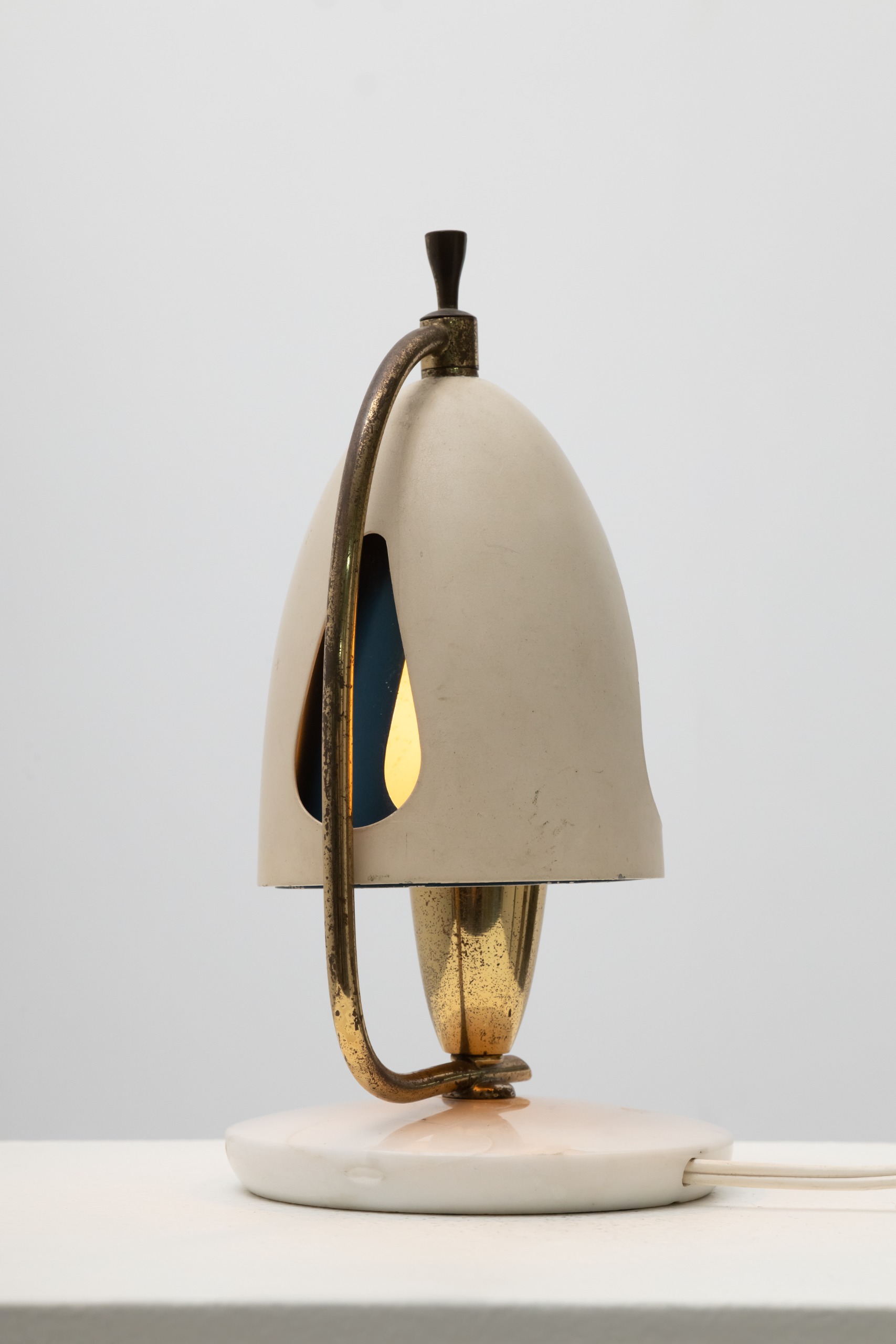
The aesthetic result was a collection of pieces that felt both structural and ephemeral. Lelii’s use of premium materials—polished brass, opaline glass, and lacquered aluminum—gave his lamps a tactile quality that elevated them from mere tools to objects of desire. These materials were chosen not just for their appearance but for how they interacted with light, diffusing it to create atmosphere rather than just visibility.
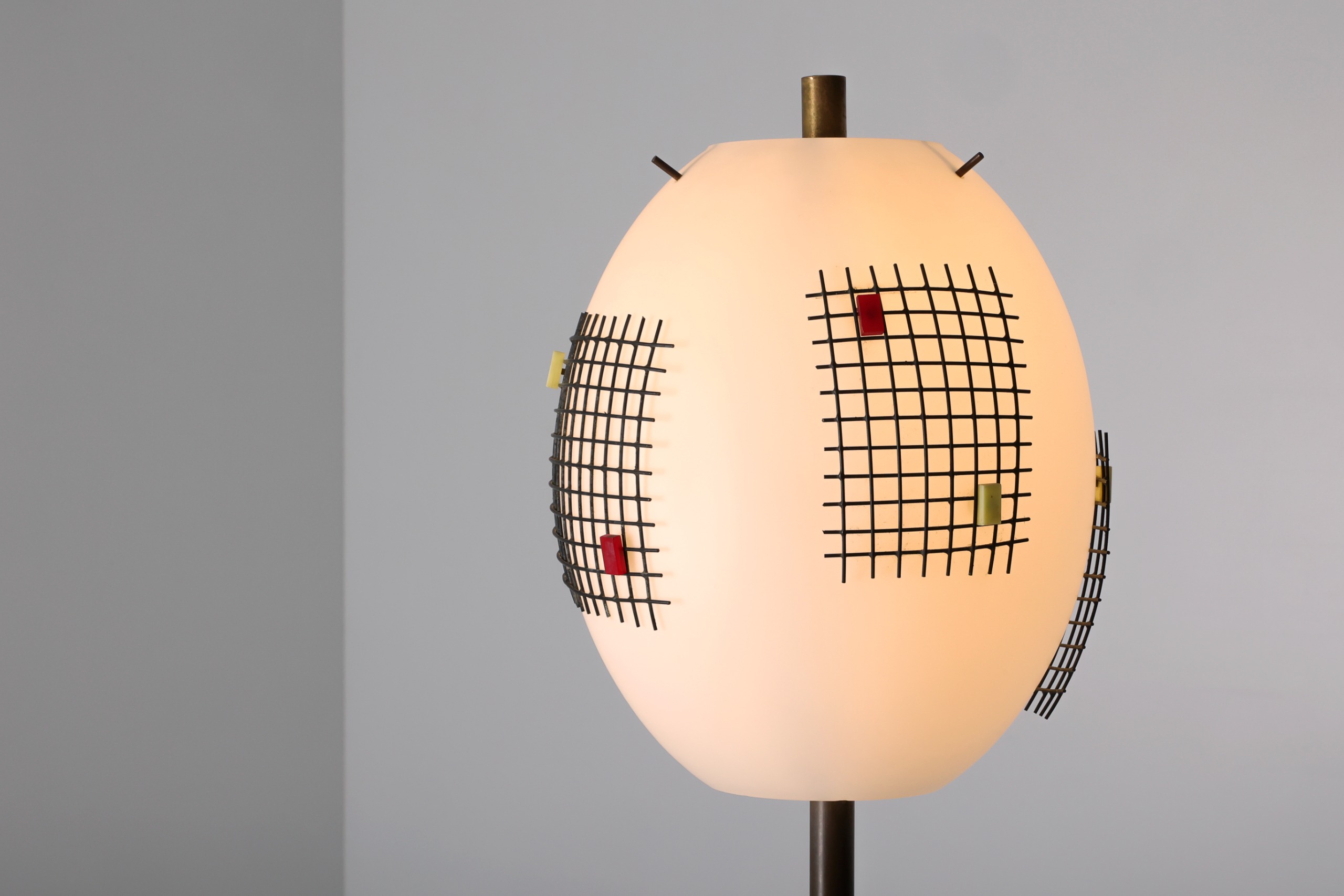
The Triennale Moment and Iconic Designs
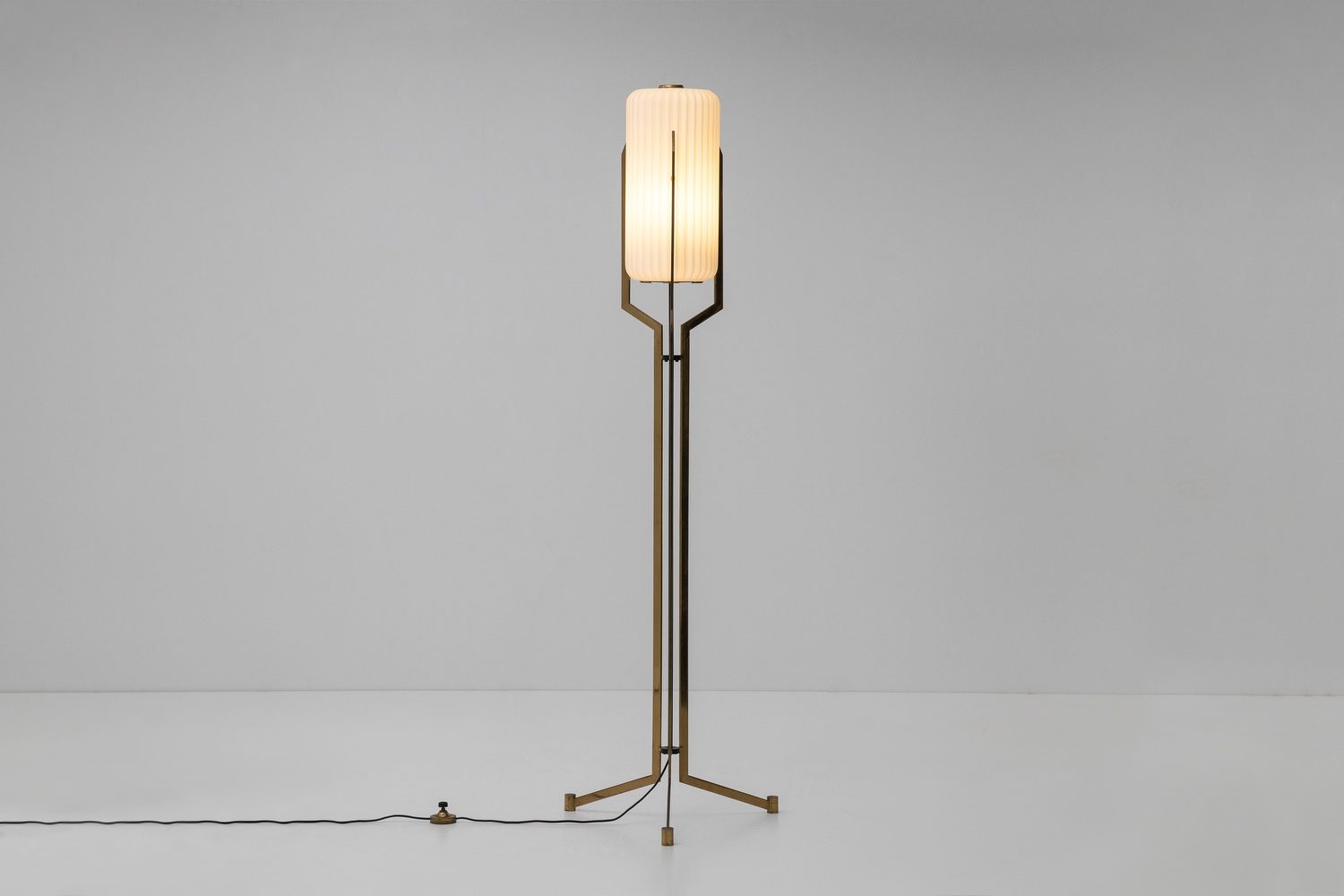
The 1947 VIII Triennale di Milano provided the global stage upon which Arredoluce would cement its reputation. It was here that Lelii exhibited his eponymous "Triennale" floor lamp. With its three adjustable arms and geometric precision, the piece drew immediate comparisons to the kinetic art of Alexander Calder. It was a revelation in functional design, effectively capturing the spirit of post-war optimism and the rapid technological progress of the era.
The impact of the "Triennale" was such that it became the defining archetype of the company’s output. However, Lelii’s portfolio was vast and varied, ranging from the delicate to the futuristic. Among his most celebrated works:
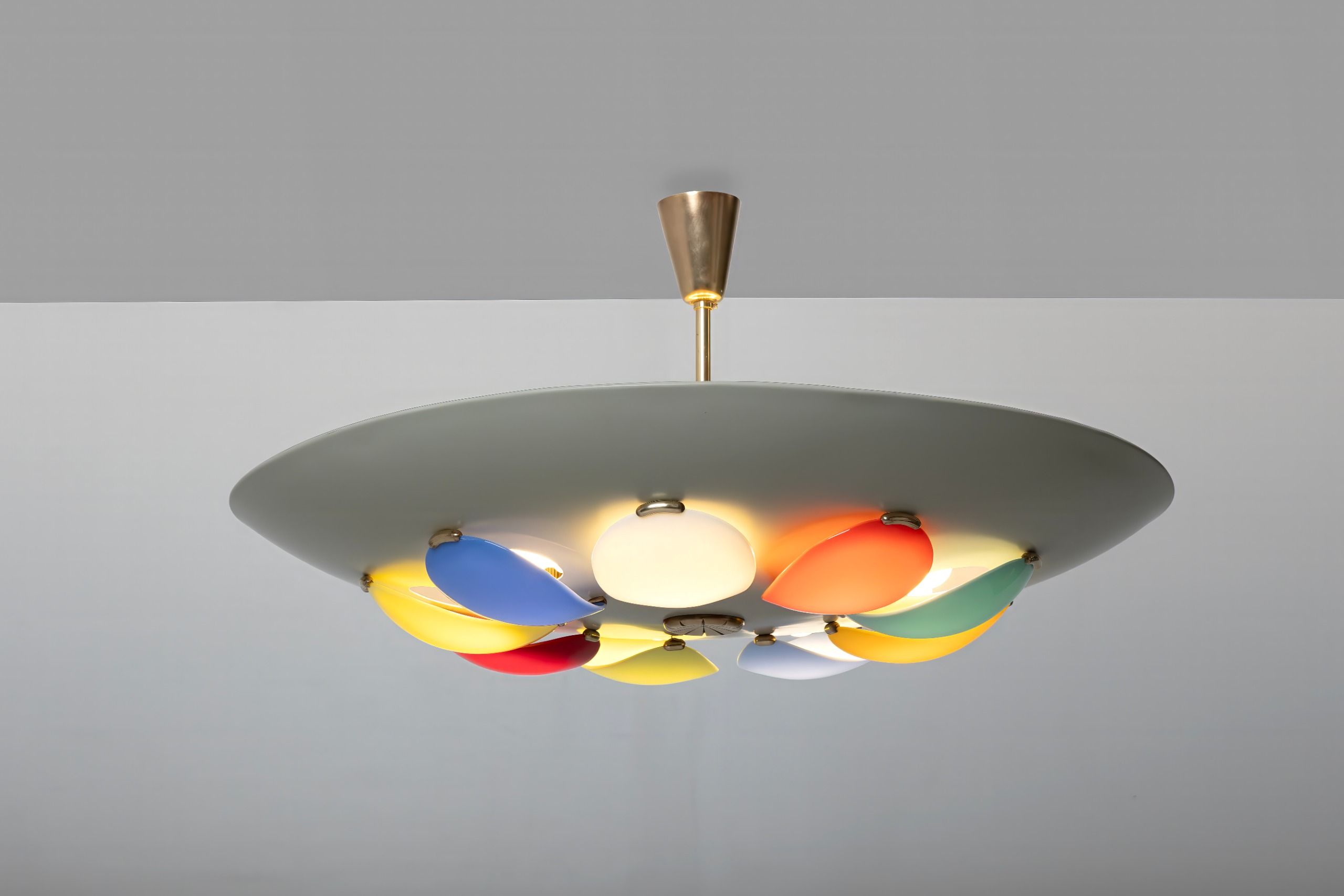
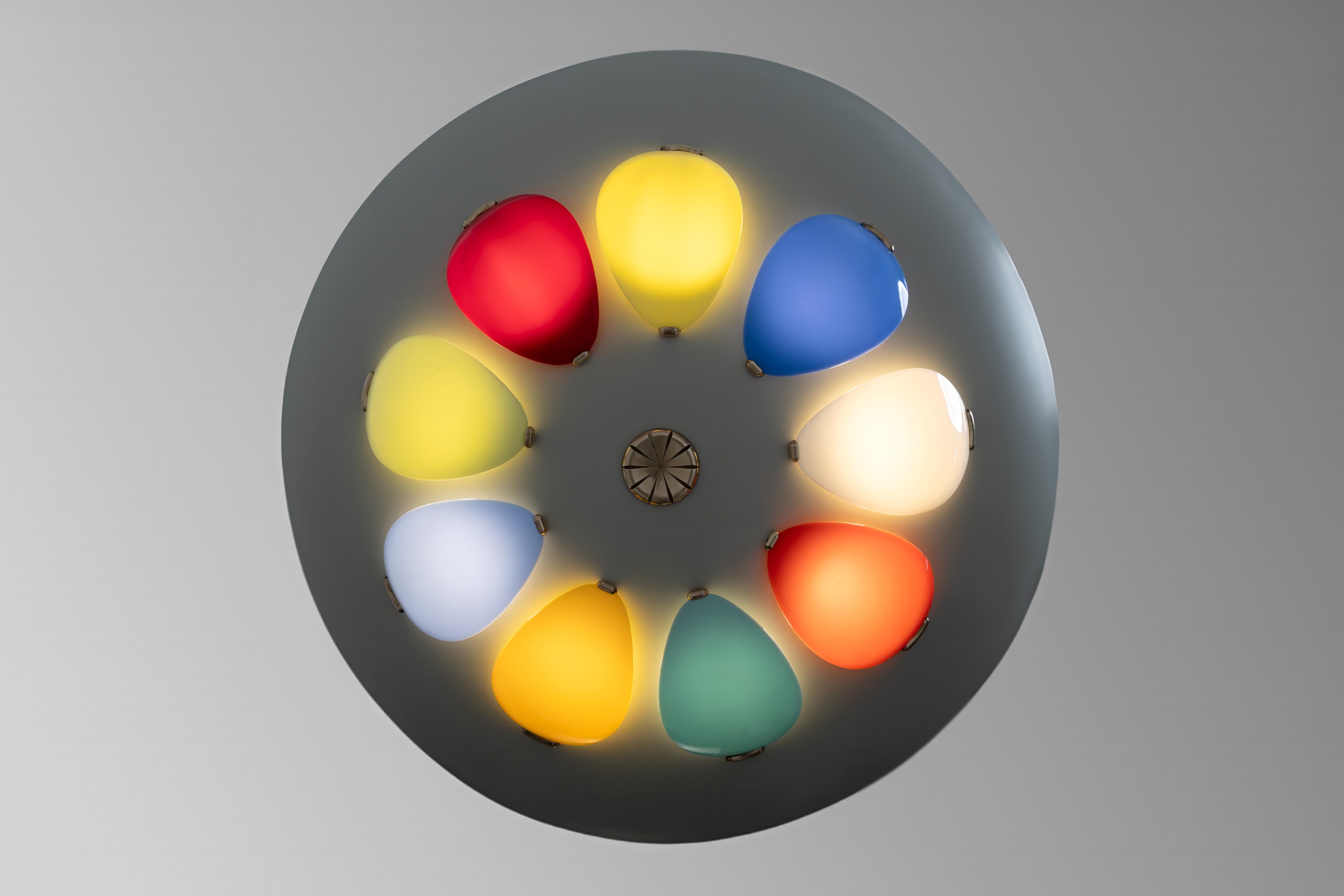
- The Stella Series (1950s): This collection of chandeliers featured spherical opal glass fixtures radiating from brass arms. It remains a masterclass in balance and proportions, frequently cited by contemporary interior designers as an inspiration for modern "starburst" lighting.
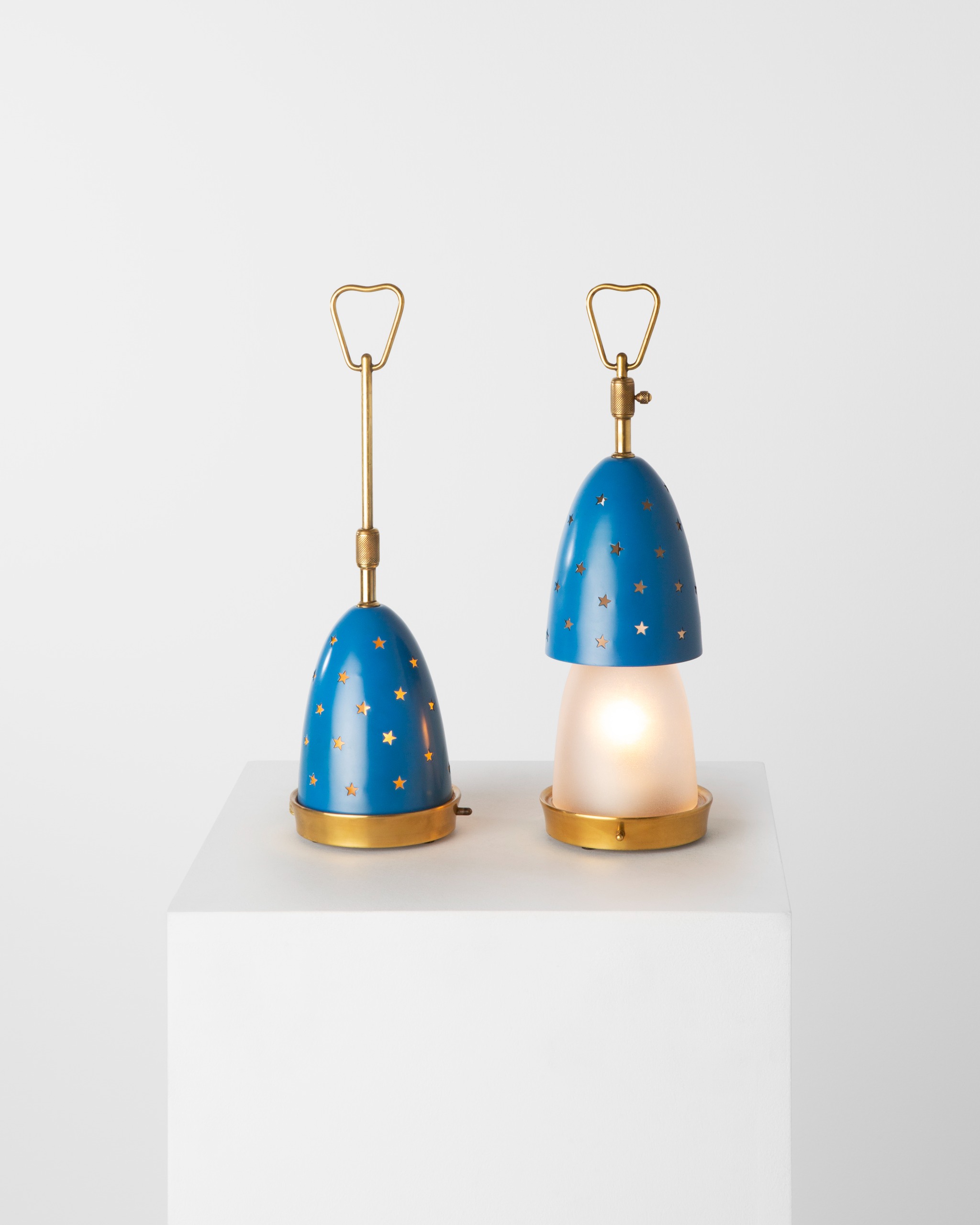
- The Perforated Stars (1950s): Often referred to as "Stellina" (little star), these table lamps featured intricate, star-shaped perforations in their metal shades. These pieces, which reportedly found their way into the homes of the Kennedy family, represent the playful, whimsical side of Lelii’s work.
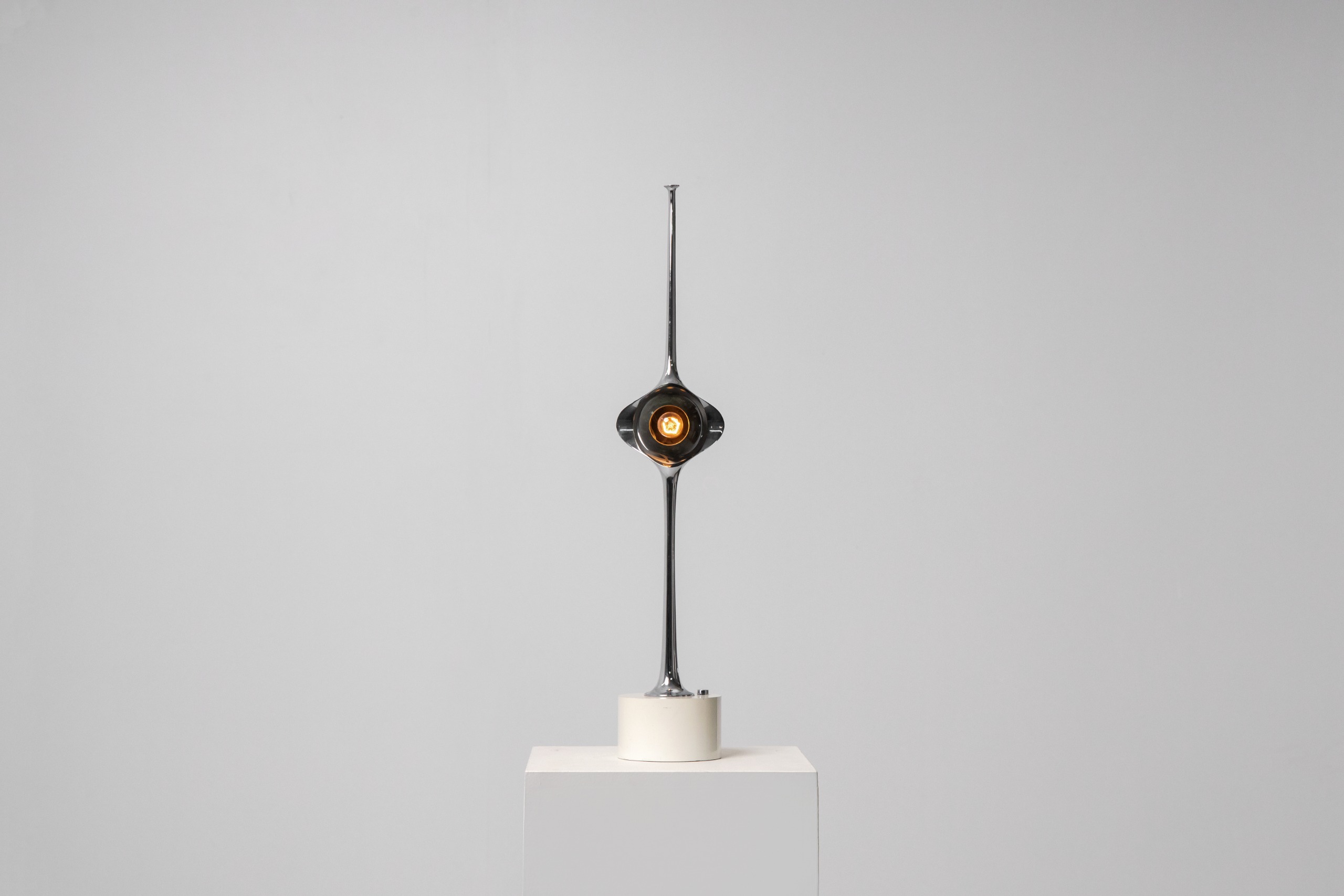
- The Cobra Lamp (1962): A departure from his earlier, more geometric work, the "Cobra" utilized a zoomorphic design, inspired by the silhouette of the snake as it consumes its prey. Its pivoting head and sleek lines made it an instant classic of the 1960s space-age aesthetic.
- The Polifemo/Eye Lamp (1950s): Named after the Cyclops of Greek mythology, this piece centered on a spherical, eyeball-like light fixture that could pivot within a socket. It demonstrated Lelii’s interest in anthropomorphic forms and remains one of the most recognizable items in the Arredoluce catalog.
Broader Impact: The Modern Italian Aesthetic
The influence of Arredoluce extends well beyond the physical lamps. Lelii’s approach to manufacturing—prioritizing craftsmanship over mass-produced homogeneity—helped define the "Made in Italy" label that became synonymous with high-end design in the latter half of the 20th century. By fostering collaborations with the greatest minds of his generation, Lelii ensured that Arredoluce remained at the vanguard of innovation for three decades.
The economic and cultural implications of his work were significant. At a time when Italy was rebuilding its industrial base, companies like Arredoluce demonstrated that the country could compete globally not by replicating the mass-production techniques of the United States, but by offering superior design quality and technological ingenuity. The lamps were not merely appliances; they were essential components of the modern living environment, capable of adapting to the increasingly diverse functions of the contemporary home.
The Secondary Market and Contemporary Relevance
Following the death of Angelo Lelii in 1979, the original iteration of Arredoluce ceased operations. However, the legacy of the company has only grown in the decades since. Today, Arredoluce pieces are highly sought after by collectors, auction houses, and galleries worldwide, including Nilufar, Carpenters Workshop Gallery, and Side Gallery.
The secondary market for Lelii’s work has seen a consistent appreciation in value. His pieces are no longer just lighting; they are blue-chip assets for design collectors. This enduring popularity is a testament to the timelessness of his design philosophy. In an era increasingly dominated by disposable technology, the mechanical robustness and aesthetic clarity of a 1950s Arredoluce lamp offer a compelling alternative.
Implications for Future Design
The story of Angelo Lelii serves as a crucial case study for the value of interdisciplinary design. He occupied a space where the engineer’s focus on the "how" met the artist’s focus on the "why." As modern design continues to grapple with the integration of smart technology into domestic environments, the lessons from Arredoluce remain pertinent. Lelii proved that when the technology is handled with enough care and the form is refined enough to transcend the trends of the moment, a piece of industrial design can remain relevant for generations.
Whether it is the elegant arc of a floor lamp or the subtle glow of a perforated shade, the works of Angelo Lelii continue to command attention. They serve as a bridge to a period of radical transformation in Italian history, embodying the ambition, the creativity, and the meticulous attention to detail that transformed the way the world illuminated its spaces. For those who study design, the name Arredoluce is not merely a historical footnote; it is a standard of excellence that continues to cast a long, brilliant shadow.
Related posts: